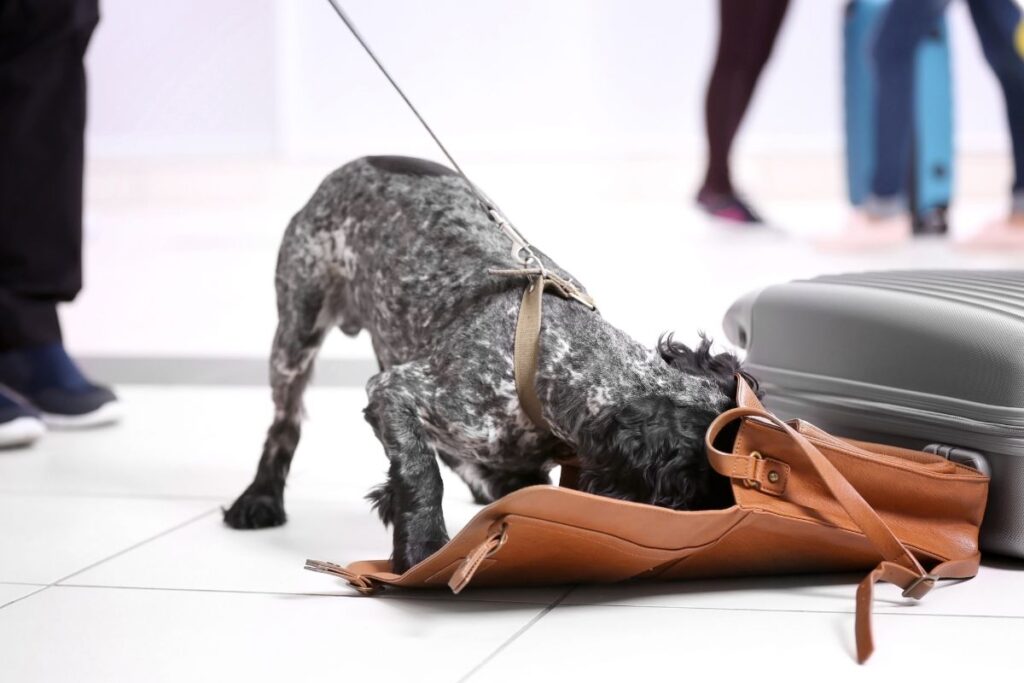
Imagine you’re in your kitchen, sealing away your favorite snacks in a vacuum-sealed bag. You feel confident that no one, not even your curious pup, will sniff out your hidden treats.
But then, you notice your dog’s nose twitching and tail wagging, as if they know exactly what you’ve tucked away. How is this possible? Can a dog really smell through a vacuum-sealed bag? If you’re a pet owner or simply a dog enthusiast, this question might have crossed your mind.
Understanding a dog’s super sense of smell can unlock a world of fascinating insights. This article will unravel the mystery behind a dog’s extraordinary olfactory abilities and why your vacuum-sealed secrets might not be as safe as you think. Stay with us as we delve into the world of canine senses, and discover just how much your furry friend can sniff out.

Credit: www.reddit.com
Dog’s Sense Of Smell
The dog’s sense of smell is truly remarkable. It shapes how they understand and interact with the world around them. Before answering if a dog can sniff through a vacuum sealed bag, it’s important to understand how their nose works and why it’s so powerful.
How Dogs Detect Scents
Dogs detect scents using millions of olfactory receptors in their noses. These receptors pick up tiny particles in the air, allowing dogs to sense even faint smells. Unlike humans, dogs can separate different scents at the same time, creating a detailed “smell picture.”
When your dog sniffs something, it’s not just about the odor itself. The airflow inside their nose helps them analyze the scent’s source and strength. This ability lets them track scents over long distances or through barriers that seem impossible to us.
Sensitivity Compared To Humans
A dog’s nose is estimated to be 10,000 to 100,000 times more sensitive than a human’s. This means smells that you can barely notice become crystal clear to your dog. Their brain dedicates a large part to processing smells, which explains their extraordinary scent memory.
Think about how you struggle to identify a faint odor in a sealed container. Your dog, on the other hand, might still pick up on subtle scent traces leaking from the edges or microscopic imperfections in the seal. This makes you wonder—can vacuum sealing fully block a dog’s sniffing ability?

Credit: xtpackaging.en.made-in-china.com
Vacuum Sealed Bags And Odors
Vacuum sealed bags are popular for storing food and items tightly. They remove air to keep contents fresh longer. But what about odors? Can these bags stop smells from escaping? This is important for pet owners curious if dogs can smell through them. Understanding how vacuum sealed bags handle odors can explain this.
How Vacuum Sealing Works
Vacuum sealing removes most of the air inside a bag. A machine sucks out the oxygen, then seals the bag tightly. Without air, bacteria and mold grow slower, preserving food. The tight seal also limits exposure to outside smells. The bag material is usually plastic, designed to be airtight and durable.
Effectiveness In Containing Smells
Vacuum sealed bags reduce odors by trapping them inside. The lack of air means fewer smell particles escape. Yet, some strong odors can seep through plastic over time. Dogs have a powerful sense of smell, much stronger than humans. They might detect faint smells through the bag if it is thin or old.
New, high-quality vacuum bags block most odors well. Thick, multi-layered bags work better than single-layer ones. Proper sealing is crucial. A small hole or weak seal lets smells leak out easily. For strong-smelling foods, vacuum sealing cuts smell but may not fully hide it from dogs.
Can Dogs Smell Through Vacuum Sealed Bags?
Dogs have an incredible sense of smell, far beyond what humans can imagine. But can they detect scents through vacuum sealed bags? This question often comes up, especially among pet owners curious about their dog’s abilities or those who use vacuum sealing for food storage. Understanding whether a dog can smell through these airtight bags helps you manage your pet’s behavior and know more about their sensory limits.
Factors Influencing Detection
Several factors affect a dog’s ability to smell through vacuum sealed bags. First, the material and thickness of the bag play a big role. Some vacuum bags are made from multi-layered plastics designed to trap odors, while thinner bags might allow some scent to escape.
Second, the type of scent inside matters. Strong-smelling items like cooked meat or cheese release more molecules, which might still seep through the bag’s seal. On the other hand, subtle smells may be completely blocked.
Finally, the dog’s breed and training influence detection. Breeds with highly sensitive noses, like Bloodhounds or German Shepherds, might pick up faint odors more easily. Similarly, dogs trained for scent detection are better at identifying scents even when partially masked.
Scientific Studies And Findings
Scientific research has explored how well dogs detect scents behind barriers, including vacuum sealed bags. Studies show that while vacuum sealing significantly reduces odor release, it doesn’t eliminate it entirely. Trace scent molecules can still escape microscopic imperfections or during sealing and unsealing.
One study tested dogs’ ability to identify food sealed in vacuum bags versus regular plastic bags. Results indicated dogs took longer to signal the scent in vacuum sealed bags but still succeeded most of the time. This proves their noses can penetrate barriers that humans consider airtight.
These findings highlight your dog’s persistence and sensitivity. If you want to hide treats or food, vacuum sealing helps but may not fool your dog completely. Could this explain why your pet still finds hidden snacks despite your best efforts?

Credit: metro.co.uk
Real-life Examples
Many dog owners have shared stories about their pets smelling through vacuum sealed bags. These real-life examples show how powerful a dog’s nose truly is. Even airtight bags cannot fully block scents from reaching a dog’s sensitive nose.
Some dogs can detect food or treats inside vacuum sealed packages. Others notice the scent of their owner’s clothing stored in sealed bags. These examples prove that dogs use their sense of smell in amazing ways.
Anecdotes From Dog Owners
- One owner placed a vacuum sealed bag of dried meat in a drawer. Their dog spent minutes sniffing the drawer before pawing it open.
- A dog ignored fresh food but eagerly sniffed a sealed bag of snacks. The owner was surprised that the dog could smell the contents.
- After packing clothes in vacuum bags for travel, an owner noticed their dog still recognized their scent. The dog lay near the bags, showing clear recognition.
- Some dogs show excitement or try to open vacuum sealed bags when they detect food inside. Owners say this happens despite the airtight seal.
Training Dogs With Sealed Items
Trainers use vacuum sealed items to test and improve dogs’ scent abilities. These exercises help dogs focus on subtle smells.
- Dogs are taught to find treats inside vacuum sealed bags during scent training.
- Sealed bags with different scents help dogs learn to distinguish odors.
- Training with sealed items builds a dog’s patience and concentration.
- Some trainers use these bags to challenge search-and-rescue dogs in controlled environments.
These real examples confirm dogs can smell through vacuum sealed bags. Their noses detect scents we cannot imagine. This ability helps in many tasks, from finding lost items to training exercises.
Implications For Pet Owners
Understanding whether dogs can smell through vacuum sealed bags matters for pet owners. Dogs have a powerful sense of smell, far stronger than humans. This ability affects how you store food and other items at home. Knowing the limits of vacuum sealing helps protect your belongings and keep your pet safe.
Storing Food And Treats
Vacuum sealed bags reduce the smell of food and treats. This can prevent dogs from detecting and accessing them easily. It also keeps food fresh longer by blocking air and moisture. Still, dogs might detect faint scents through the bag. Store vacuum sealed items in a secure place to avoid unwanted sniffing or chewing.
Managing Allergens And Odors
Vacuum sealing helps contain allergens and strong odors. This can reduce allergic reactions for sensitive pets. It also keeps your home smelling fresher by trapping pet odors inside bags. For households with multiple pets, sealing can prevent cross-contamination of food or allergens. Regularly cleaning storage areas enhances odor control and pet comfort.
Tips To Minimize Dog Detection
Keeping your dog from detecting scents through vacuum sealed bags can be tricky. Dogs have an incredible sense of smell, and even airtight seals might not block all odors. However, there are practical ways to reduce the chances of your dog picking up those scents.
Using Multiple Layers
Adding extra layers of protection can help mask smells better than a single vacuum seal. Try placing your item inside a plastic bag before vacuum sealing it. Then, wrap the vacuum sealed bag with aluminum foil or an opaque container.
This combination creates physical barriers that limit odor escape. You might be surprised how much difference a second or third layer makes. Have you ever noticed how a wrapped sandwich smells less than an unwrapped one? The same idea applies here.
Alternative Storage Methods
If vacuum sealing alone doesn’t do the trick, consider other storage options. Airtight containers with silicone seals can trap odors effectively. Glass jars or heavy-duty plastic bins are good choices, especially if you add an odor absorber like baking soda inside.
Freezing items can also dull the smell temporarily, making it harder for your dog to detect. Remember, combining storage methods can sometimes work best. Could a small change in how you store things make your dog less curious?
Frequently Asked Questions
Can Dogs Detect Scents Through Vacuum Sealed Bags?
Yes, dogs can often detect scents through vacuum sealed bags. Their powerful noses can pick up faint odors despite airtight packaging.
How Does Vacuum Sealing Affect A Dog’s Sense Of Smell?
Vacuum sealing reduces the air and odor molecules, making it harder for dogs to smell. However, some scent still escapes.
Why Can Dogs Still Smell Food In Sealed Bags?
Dogs have millions of scent receptors, allowing them to detect tiny scent particles escaping sealed bags. This helps them find food.
Are Vacuum Sealed Bags Completely Scent-proof For Dogs?
No, vacuum sealed bags are not completely scent-proof. Dogs’ sensitive noses can detect even minimal scent traces through the packaging.
Conclusion
Dogs have an amazing sense of smell. They can often detect scents through vacuum sealed bags. The airtight seal may reduce some odors, but not all. Dogs use their noses to explore and find hidden smells. This ability shows how strong their sense really is.
Understanding this helps us appreciate dogs more. It also explains why they react to sealed food or treats. Dogs’ noses work in ways we do not fully understand. Their smell power is truly impressive and unique.