Imagine waking up on a chilly winter morning, only to find that your gas supply has come to an unexpected halt. You might wonder, “Can a gas pipe freeze?”
This question is more common than you think, and the answer could save you from a lot of hassle. By understanding what happens to gas pipes in cold weather, you can prevent potential disruptions and ensure your home stays warm and cozy all winter long.
We’ll dive into the fascinating science behind gas pipes and freezing temperatures. Stick around to discover practical tips that can help you safeguard your home from the cold’s icy grip.
How Gas Pipes Freeze
Understanding how gas pipes freeze is crucial for anyone living in cold climates. While many people worry about water pipes freezing, gas pipes can also face similar risks under certain conditions. Knowing the process behind freezing can help you take smarter precautions and avoid costly repairs or dangerous situations.
Conditions Leading To Freezing
Gas pipes freeze primarily when moisture inside or around them turns to ice. This usually happens if the temperature drops below freezing for an extended period. Pipes that are poorly insulated or exposed to cold drafts are especially at risk.
Another factor is the presence of condensation. If warm, moist air comes into contact with a cold pipe, water can accumulate and freeze. This buildup can block the flow of gas or cause damage over time.
Have you checked if your pipes are insulated well enough to handle a sudden cold snap? Even a brief freeze can cause problems if conditions are right.
Common Vulnerable Areas
Gas pipes located outdoors or in unheated spaces are the most vulnerable. Areas like basements, crawl spaces, and attics often don’t get enough warmth during winter.
Pipes near exterior walls or windows can also be at risk since cold air seeps in through gaps or cracks. Pay close attention to any section of pipe that feels cold to the touch during winter.
Many homeowners overlook pipes running through garages or sheds, assuming they are safe. However, these areas can get very cold and cause freezing, especially during unexpected cold spells.
Credit: www.pmmag.com
Signs Of Frozen Gas Pipes
Frozen gas pipes can pose serious risks, but spotting the signs early can save you a lot of trouble. Knowing what to look for helps you act quickly before a small issue turns into an emergency. Here are some clear signs that your gas pipes might be frozen.
Reduced Gas Flow
If you notice your gas appliances aren’t working as well as usual, it could be a sign of frozen pipes. Reduced flame size on your stove or slower heating from your furnace may mean the gas supply is restricted. Have you checked if the pilot light is flickering or going out more often than normal?
Sometimes, the flow slows down gradually, making it easy to miss at first. But if the gas pressure drops suddenly, it’s a red flag. Don’t ignore this—reduced gas flow can escalate into a dangerous situation quickly.
Unusual Noises And Smells
Strange sounds like hissing or popping near your gas lines can signal trouble. These noises often mean gas is trying to move through a blockage or frozen section. If you hear anything odd, listen carefully and investigate immediately.
Smelling gas is even more urgent. A faint rotten egg odor or chemical smell means there could be a leak, possibly caused by frozen and cracked pipes. If you detect this, leave the area and contact your gas company right away. Your safety depends on recognizing these warning signs.
Risks Of Frozen Gas Pipes
Frozen gas pipes pose serious risks that affect both the structure and safety of your home. When gas pipes freeze, the consequences can be costly and dangerous. Understanding these risks helps in taking the right precautions to avoid damage and hazards.
Potential Damage To Pipes
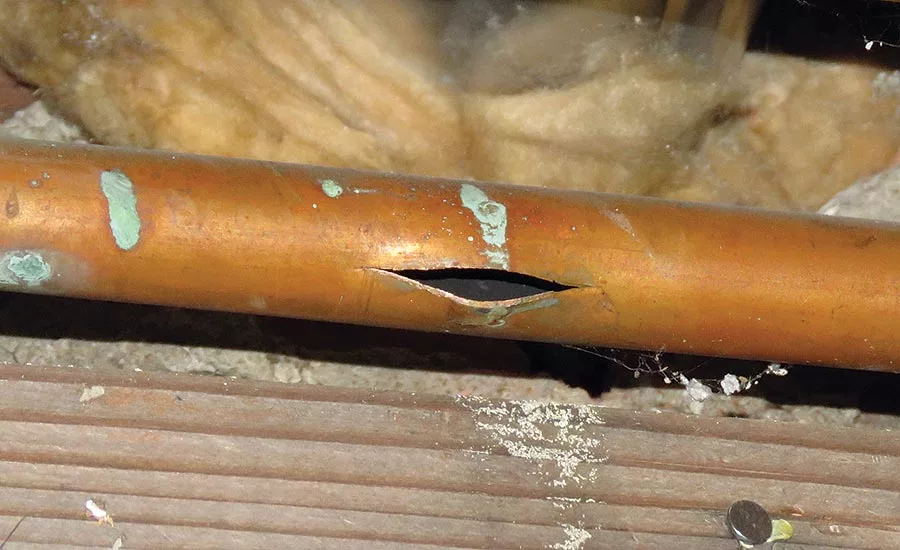
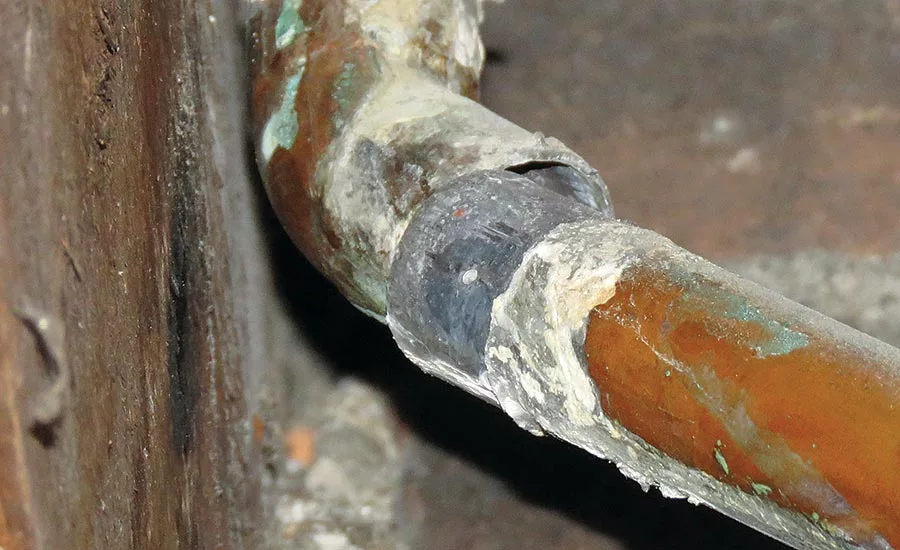
Gas pipes can crack or burst if the gas inside freezes. This damage may cause leaks that are hard to detect. Repairing broken pipes can be expensive and time-consuming. Frozen pipes can also reduce gas flow, leading to poor appliance performance. Ignoring frozen pipes can worsen the damage over time.
Safety Hazards
Frozen gas pipes increase the risk of gas leaks, which can lead to fires or explosions. Gas leaks are often undetectable by smell alone, making them very dangerous. Exposure to leaking gas can cause health issues like headaches and dizziness. Inhaling gas in large amounts may lead to suffocation. Immediate action is necessary if a gas leak is suspected.
Preventive Measures
Preventing gas pipes from freezing is crucial to avoid costly repairs and dangerous situations. Taking simple steps can protect your home and ensure your gas system stays functional during cold weather. Let’s look at practical ways you can safeguard your pipes before temperatures drop.
Insulating Pipes
Adding insulation around your gas pipes helps keep the cold out and the warmth in. You can use foam pipe sleeves or fiberglass wrap, which are easy to install and affordable. Focus on pipes located in unheated areas like basements, crawl spaces, or exterior walls.
Think about where your pipes run—are any exposed to drafts? Sealing gaps around these pipes with caulk or foam can boost insulation effectiveness. Have you noticed any cold spots near your pipes during winter? These could be prime areas to add extra insulation.
Maintaining Consistent Heat
Keeping your home at a steady temperature plays a big role in preventing frozen pipes. Avoid turning the heat off completely, even when you’re away for a short time. A low but consistent temperature can keep water flowing smoothly through your gas pipes.
If you have rooms or areas where pipes run, consider leaving cabinet doors open to let warm air circulate. This small action can make a big difference in colder spaces. Have you ever returned home to a frozen pipe because the heat was off too long?
Using Heat Tape And Cable
Heat tape or heat cable wraps around your pipes and generates gentle warmth to prevent freezing. These products are especially useful for pipes that are difficult to insulate or in extremely cold climates. Look for options with built-in thermostats that turn on automatically at low temperatures.
Installation is straightforward but follow manufacturer instructions carefully for safety. Have you tried heat tape before? Many homeowners find it a reliable backup when other measures aren’t enough.
Emergency Steps If Pipes Freeze
Frozen gas pipes can quickly turn into a serious problem, especially in cold weather. Knowing the right emergency steps to take can prevent damage and keep your home safe. Acting fast and wisely can make all the difference between a minor inconvenience and a costly repair.
Safe Thawing Techniques
Thawing frozen gas pipes requires patience and caution. Never use an open flame like a blowtorch—it’s dangerous and could cause a gas leak or fire.
Instead, try these safe methods:
- Wrap the pipe with a warm towel soaked in hot water.
- Use a space heater or heat lamp placed near the frozen section.
- Apply a hairdryer on the lowest heat setting, moving it slowly along the pipe.
Keep the area well-ventilated while thawing. If you notice any smell of gas during the process, turn off the main gas supply immediately and leave the area.
When To Call A Professional
Sometimes, thawing frozen gas pipes is not a DIY job. If the pipe shows signs of damage, such as cracks or leaks, or if you smell gas, call a licensed plumber right away.
Gas issues require expert handling to avoid health risks and property damage. If you’re unsure about any step or if the freezing persists despite your efforts, don’t hesitate to get professional help.
Have you ever faced frozen pipes and felt unsure about your next move? Knowing when to step back and call an expert can save you a lot of trouble.
Credit: www.pmmag.com
Maintenance Tips For Winter
Keeping your gas pipes safe during winter demands more than just hope they won’t freeze. A little effort now can save you from costly repairs later. Focus on simple maintenance tasks that protect your pipes from harsh cold.
Regular Inspections
Check your gas pipes regularly, especially in areas exposed to cold air. Look for signs of wear, cracks, or corrosion that could worsen in freezing temperatures.
Don’t ignore the small stuff. Even a tiny crack can let cold air in, increasing the risk of freezing. Make it a habit to inspect pipes weekly during winter.
Ask yourself: Are your pipes properly insulated? Adding pipe insulation sleeves is a quick fix that can make a big difference.
Sealing Leaks And Drafts
Cold air sneaking in through leaks or drafts near your pipes can cause freezing. Seal gaps around windows, doors, and walls close to your gas line using weatherstripping or caulking.
Pay attention to crawl spaces and basements. These spots often have hidden leaks that let in chilly air.
Think about where cold air might enter your home and cut it off. This not only protects your pipes but also improves your home’s overall energy efficiency.

Credit: blueskynewenergy.com
Frequently Asked Questions
Can A Gas Pipe Actually Freeze In Winter?
Gas pipes rarely freeze because natural gas remains gaseous below freezing. However, moisture inside pipes can freeze and cause blockages, especially in wet conditions.
What Causes A Gas Pipe To Freeze?
Freezing occurs when moisture inside the pipe turns to ice. Cold temperatures combined with condensation or leaks increase this risk.
How To Prevent Gas Pipes From Freezing?
Insulate exposed pipes and seal leaks. Keep the area warm and dry to avoid moisture buildup and freezing.
What Are Signs Of A Frozen Gas Pipe?
Reduced gas flow, hissing sounds, or a drop in pressure may indicate a frozen or blocked gas pipe.
Conclusion
Gas pipes can freeze in very cold weather. Frozen pipes may block gas flow and cause safety risks. Protect pipes by insulating them or keeping heat nearby. Check pipes regularly during winter months to avoid problems. Taking simple steps helps keep your home safe and warm.
Stay aware and prepared to prevent frozen gas pipes.