Is your microwave oven acting up or completely stopped working? You might be wondering if it’s worth fixing or if you should just buy a new one.
Before you make any decisions, it’s important to know that many microwave problems can actually be repaired. Understanding how and when to repair your microwave can save you time, money, and frustration. Keep reading to find out what you need to check, when repair is a smart choice, and how to make sure your microwave gets back to heating your food safely and quickly.
This could be the helpful guide you’ve been looking for!

Credit: smartapplianceservices.com
Common Microwave Issues
Microwaves often stop heating or make strange noises. Many problems, like a faulty fuse or magnetron, can be fixed by a technician. Repairing saves money and extends the microwave’s life.
Microwave ovens have become an essential part of our daily lives, making cooking and reheating food incredibly convenient. However, like any appliance, they can encounter issues that may leave you wondering if they can be repaired or need replacing. Understanding common microwave issues can save you time and money.No Power Or Display
If your microwave suddenly goes silent, the first thing to check is the power source. Make sure it’s plugged in and the outlet is working. Sometimes, a simple reset of the circuit breaker can solve the problem. If the display is blank, it could be a blown internal fuse. Replacing a fuse is usually straightforward. But if you’re unsure, consulting a professional is a wise choice.Microwave Not Heating
A microwave that runs but doesn’t heat might have a faulty magnetron. This component generates the microwaves that cook food. Replacing a magnetron can be costly, so weigh the repair cost against buying a new unit. Before jumping to conclusions, ensure the door is closing properly. A misaligned door can prevent the microwave from starting.Sparking And Arcing
Sparks in a microwave can be alarming. They often occur due to metal objects or foil left inside. Always remove any metallic materials before use. If sparks persist, inspect the waveguide cover. This small piece can get damaged or dirty, leading to arcing. Cleaning or replacing it might stop the sparks.Turntable Problems
A non-rotating turntable can result in uneven cooking. Often, this is due to a misaligned or broken turntable motor. Check if the turntable is seated correctly. If it still doesn’t spin, replacing the motor might be necessary.Strange Noises
Unusual noises can be unsettling. They may indicate a problem with the motor or fan. Listen closely to identify the source. Sometimes, cleaning debris from the fan area can eliminate the noise. If the sound persists, professional help might be needed to replace faulty components. Have you experienced any of these issues with your microwave? Understanding these common problems can help you decide if a repair is feasible or if a replacement is the better option.Safety Precautions
Repairing a microwave oven requires careful attention to safety. Microwaves contain parts that can cause serious injuries. Taking the right precautions helps prevent accidents and protects you from electric shocks and burns.
Unplugging And Discharging
Always unplug the microwave before starting any repair. This cuts off the power and lowers risk of electric shock.
The capacitor inside the microwave holds a high voltage charge even after unplugging. It must be fully discharged before touching any internal parts. Use a screwdriver with an insulated handle to short the capacitor terminals safely.
Handling High Voltage Components
Microwave ovens have high voltage parts that can be dangerous. Avoid touching the magnetron, capacitor, and transformer unless you know how to handle them.
Wear rubber gloves and use insulated tools to reduce risk. Keep your hands dry and avoid working in wet areas.
Using Proper Tools
Use tools designed for electrical work. Insulated screwdrivers, pliers, and multimeters are essential.
Do not use damaged or makeshift tools. This increases danger and may damage the microwave further.
Keep a fire extinguisher nearby in case of electrical fires.
Basic Repair Steps
Understanding basic repair steps can save you time and money when your microwave oven stops working. Many issues arise from common, simple parts that are often easy to check or replace. Let’s look at key components you can inspect yourself before calling a professional.
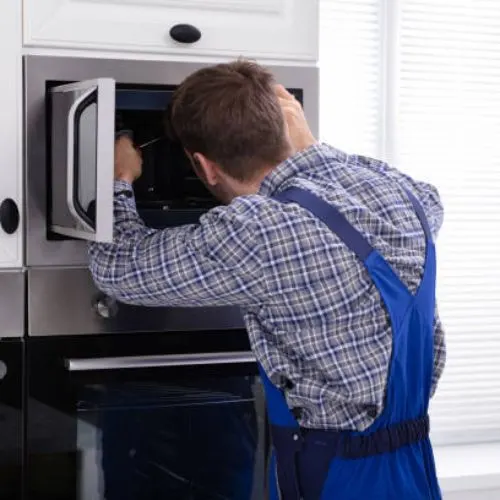
Inspecting The Door Switch
The door switch is a safety feature that prevents the microwave from running when the door is open. If your microwave doesn’t start, this switch might be faulty. You can test it by listening for a clicking sound when you close the door or using a multimeter to check for continuity.
Faulty door switches often cause the microwave to act dead or stop mid-cycle. If you notice the microwave light stays off or it doesn’t respond when closed, this is a good place to start.
Checking The Fuse
The fuse protects your microwave from electrical overloads. A blown fuse will cause the microwave to stop working entirely. You can locate the fuse inside the microwave’s casing and use a multimeter to test it for continuity.
Replacing a blown fuse is straightforward and inexpensive. But remember, if the fuse blows repeatedly, it could indicate a bigger electrical problem that needs professional attention.
Testing The Magnetron
The magnetron produces the microwaves that heat your food. If your microwave runs but doesn’t heat, the magnetron might be the culprit. Testing it requires careful handling and a multimeter to check for proper resistance.
Magnetron issues often mean replacement is necessary. Given the cost and danger of high voltage components, many prefer to hire a technician for this part.
Examining The Diode And Capacitor
The diode and capacitor work together to power the magnetron. If either fails, your microwave won’t heat properly. You can test the diode with a multimeter in diode mode and inspect the capacitor visually for bulging or leaks.
Capacitors can store dangerous charges even when unplugged, so be cautious. If you’re unsure about handling these parts, it’s safer to consult an expert.
Credit: www.royservicecenter.com
When To Call A Professional
Knowing when to call a professional for microwave repairs saves time and avoids hazards. Some problems require expert knowledge and tools. Attempting complex repairs alone can be dangerous. Understanding key signs helps decide the right moment to seek professional help.
Complex Electrical Issues
Microwaves contain high-voltage components inside. Faulty wiring or damaged circuits can cause shocks or fires. Professionals have the training to handle electrical risks safely. They use special equipment to diagnose and fix these problems. Avoid opening the microwave if electrical faults appear.
Parts Replacement Challenges
Replacing parts in microwaves is not always simple. Some components are hard to find or fit correctly. Professionals know how to source genuine parts and install them properly. Incorrect parts can cause more damage or reduce appliance life. A skilled technician ensures the microwave works like new again.
Warranty And Service Considerations
Many microwaves come with warranties covering repairs. Unauthorized repairs may void this protection. Professionals often provide service that keeps the warranty intact. They also offer guarantees on their work. Checking warranty terms before repairing helps avoid losing coverage.
Tips To Save Money
Saving money on microwave oven repairs is possible with smart choices. Many small problems can be fixed without costly technician visits. Spending a little time and effort helps keep repair bills low. Follow simple tips to extend your microwave’s life and avoid expensive fixes.
Diy Repairs For Simple Issues
Some microwave problems are easy to fix at home. Issues like a faulty door latch or a blown fuse can be repaired with basic tools. Always unplug the microwave before starting any repair work. Use the user manual to identify parts and understand the problem. Simple fixes save on service charges and get your microwave working fast.
Sourcing Affordable Parts
Replacing broken parts does not have to be costly. Many common microwave parts are available online at reasonable prices. Check websites that specialize in appliance parts for the best deals. Buying parts directly saves money compared to paying for full service. Verify the part number to ensure compatibility with your microwave model.
Regular Maintenance Practices
Regular cleaning and upkeep prevent many common microwave problems. Wipe the interior after use to avoid food build-up. Check the door seal for damage and replace it if needed. Clean the vent and fan to prevent overheating. Small maintenance tasks keep your microwave running smoothly and reduce repair costs over time.
Credit: microwavefactory.com.au
Frequently Asked Questions
Can A Microwave Oven Be Repaired Easily?
Yes, many microwave ovens can be repaired easily if the issue is minor. Common problems like a faulty door switch or blown fuse are often fixable by professionals. However, complex electrical issues might require expert diagnosis or replacement parts.
How Much Does Microwave Oven Repair Cost?
Microwave oven repair costs vary from $50 to $150 on average. The price depends on the problem’s complexity and part availability. Simple fixes like replacing a fuse are cheaper than repairing the magnetron or control board.
When Should I Replace Instead Of Repair My Microwave?
Replace your microwave if repair costs exceed 50% of its value. Also, consider replacement if it frequently breaks down or has safety issues. Newer models offer better efficiency and features, making replacement a practical choice.
What Are Common Microwave Repair Issues?
Common microwave problems include a non-heating oven, door latch failure, and power supply issues. Faulty magnetrons, blown fuses, or broken control panels are typical repair needs. Regular maintenance can help avoid these frequent issues.
Conclusion
Microwave ovens can often be repaired, saving money and waste. Small problems like a broken door switch or fuse are fixable. Some parts may cost less than buying a new microwave. Safety matters—always unplug the microwave before checking it. Complex issues need help from a professional technician.
Repairing extends the life of your appliance and reduces trash. Know the risks and decide if repair is right for you. A working microwave keeps cooking quick and easy at home.