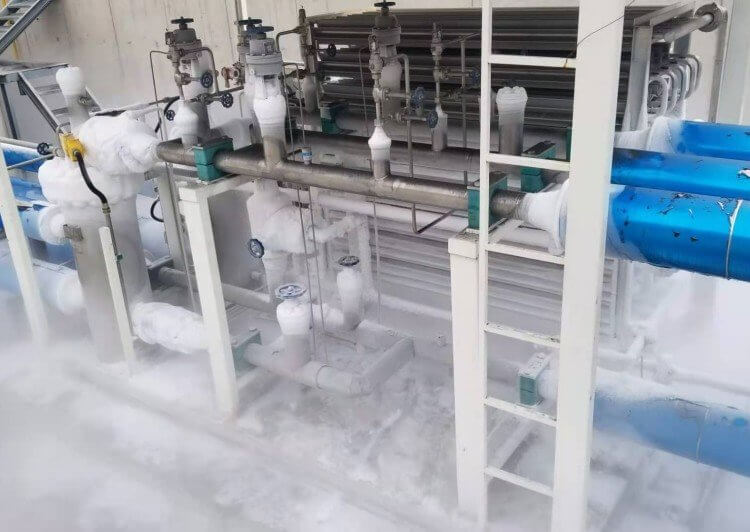
Have you ever wondered if your natural gas line can freeze during cold weather? It’s a question that might not cross your mind until the temperature drops and you notice a problem with your heating.
Understanding whether a natural gas line can freeze is important for keeping your home safe and warm. You’ll discover the facts about gas lines and freezing, what signs to watch for, and simple steps you can take to protect your home.
Keep reading to make sure you’re prepared before the cold hits.
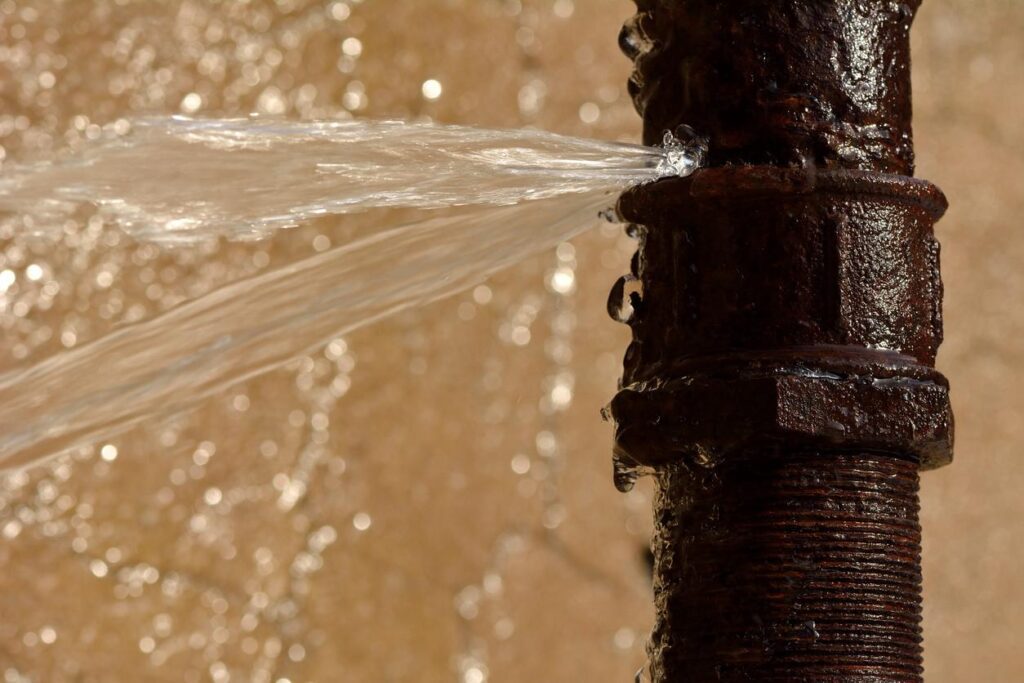
Credit: www.rooterranger.com
Natural Gas Line Basics
Understanding the basics of natural gas lines is essential if you want to keep your home safe and comfortable. Natural gas powers many appliances, from heaters to stoves, so knowing how the system works can help you spot problems early. Let’s break down what natural gas lines are made of and how they function in your home.
How Natural Gas Lines Work
Natural gas flows from underground wells through a network of pipes until it reaches your home. The gas moves under pressure, regulated by valves that control the flow and keep it steady. Inside your home, the gas line delivers fuel directly to appliances like your furnace, water heater, or stove.
Gas lines rely on continuous pressure to keep the gas moving. If the pressure drops, appliances may not work correctly or could even become unsafe. Have you ever wondered what might happen if the line gets blocked or damaged?
Materials Used In Gas Lines
Natural gas lines are built to be strong and durable. Common materials include:
- Steel:Thick and sturdy, often used for main supply lines outside homes.
- Copper:Resistant to corrosion, usually found in indoor piping.
- Flexible Polyethylene (PE):Used for underground pipes because it resists moisture and cracking.
Each material has its benefits, but all must meet safety standards to handle the pressure and prevent leaks. The choice depends on where the pipe is located and what kind of wear it might face. Knowing the material can help you understand how your gas line might respond to extreme cold or other conditions.
Conditions Leading To Freezing
Understanding the conditions that lead to a natural gas line freezing is crucial for preventing disruptions in your gas supply. Gas lines don’t freeze simply because it’s cold outside; specific factors must come together to cause a freeze. Recognizing these factors helps you take steps to protect your gas system effectively.
Role Of Moisture In Gas Lines
Moisture inside gas lines plays a key role in freezing. Water vapor can enter the line during installation, maintenance, or through leaks. When temperatures drop, this moisture can freeze and block the flow of gas.
Have you ever noticed water dripping from a gas appliance? That’s a sign moisture is present. Removing or minimizing moisture helps reduce the risk of freezing and keeps your gas line functioning smoothly.
Impact Of Low Temperatures
Low temperatures alone don’t guarantee a gas line freeze, but they create the perfect environment for it. Gas moving through the line cools further, especially if the line is exposed to cold air or underground soil temperatures drop significantly.
If your gas line runs through an unheated space like a crawl space or outside wall, it’s more vulnerable. Keeping these areas insulated or heated can make a big difference in preventing freezes.
Common Freeze Triggers
- Sudden cold snaps:A rapid drop in temperature can catch you off guard, increasing freeze risk.
- High gas demand:Heavy gas use cools the line because gas expands and cools as it flows.
- Poor insulation:Exposed or poorly insulated pipes lose heat quickly.
- Leaks or cracks:These allow moist air to enter and condense inside the line.
Have you checked your gas line’s insulation recently? Identifying these triggers early can help you act before a freeze happens.
Signs Of A Frozen Gas Line
Frozen gas lines can cause serious problems in cold weather. Knowing the signs helps spot the issue early. Early detection prevents damage and keeps your home safe.
Reduced Gas Flow
Gas flow may slow down or stop completely. Appliances like stoves or heaters may not work well. Flames might be weak or uneven. This drop in gas pressure signals a possible freeze.
Unusual Noises
Listen for strange sounds near the gas line. You might hear hissing, popping, or banging noises. These sounds indicate pressure changes or gas movement problems. They often appear when ice blocks the pipe.
Smell Indicators
A strong gas odor can mean a leak or frozen line. Natural gas has a distinct smell like rotten eggs. If you smell gas, leave the area immediately. Call professionals to check the line and ensure safety.

Credit: www.reddit.com
Risks Of Frozen Gas Lines
Frozen natural gas lines pose serious risks to homes and businesses. Cold temperatures can cause the gas inside pipes to freeze and block flow. This blockage can lead to dangerous situations that affect safety and equipment.
Safety Hazards
Frozen gas lines increase the risk of gas leaks. When pipes crack or break from ice expansion, gas can escape. Gas leaks may cause fires or explosions. Breathing in leaking gas can harm health. Carbon monoxide buildup is another danger. It can cause headaches, dizziness, or worse. Quick action is necessary to avoid accidents and health issues.
Potential Damage To Equipment
Ice inside gas lines can damage appliances and systems. Pressure buildup may cause pipes to burst. This leads to costly repairs and downtime. Equipment like furnaces or water heaters may stop working. Frozen lines reduce gas flow, causing poor appliance performance. Preventing freeze damage helps keep systems running smoothly and saves money on repairs.
Preventing Gas Line Freezing
Preventing natural gas line freezing is essential to ensure safe and continuous gas supply. Cold temperatures can cause moisture inside the pipes to freeze, blocking the gas flow. Taking simple steps can reduce the risk of freezing during winter months.
Proper Insulation Techniques
Insulating gas lines helps keep them warm and prevents ice buildup. Use foam pipe insulation sleeves or heat tape designed for outdoor pipes. Wrap all exposed sections thoroughly, especially those in unheated areas like basements or crawl spaces. Seal gaps where cold air can enter to improve insulation efficiency.
Maintaining Gas Flow
Keeping gas flowing smoothly reduces freezing chances. Avoid shutting off gas for long periods in cold weather. A low, steady flow helps keep the line warm. Check appliances regularly to ensure they work properly and use gas consistently. This practice keeps moisture from settling and freezing inside the pipes.
Routine Maintenance Tips
Regular inspections catch problems early. Look for cracks, leaks, or damage in pipes and fittings. Clear debris and snow away from gas meter and outdoor lines. Schedule professional checkups before winter to test gas pressure and line integrity. Timely repairs prevent costly damage and improve safety.
What To Do If A Gas Line Freezes
A frozen gas line can disrupt your home’s heating and cooking. Acting quickly is key to avoid damage or safety hazards. Knowing safe ways to thaw the line helps protect your home. Also, knowing when to get expert help keeps you safe.
Safe Thawing Methods
Do not use open flames or high heat sources. These can cause fires or explosions.
- Use a hairdryer on low heat to warm the pipe gently.
- Apply warm towels wrapped around the frozen section.
- Use a space heater near the pipe, but keep it at a safe distance.
- Keep the area well ventilated to avoid gas buildup.
Check for leaks after thawing by smelling for gas or listening for hissing sounds. If you detect gas, turn off the supply and leave the area immediately.
When To Call A Professional
Call a professional if the freeze is deep or covers a large area. Avoid trying to thaw underground or inside walls yourself.
Call an expert if you smell gas or suspect a leak. They have the tools and knowledge to fix problems safely.
Contact a licensed plumber or gas technician if you cannot find the frozen spot. They use specialized equipment to detect and repair issues.

Credit: www.reddit.com
Frequently Asked Questions
Can A Natural Gas Line Actually Freeze?
Natural gas lines rarely freeze because gas moves as a vapor. However, moisture inside pipes can freeze, causing blockages. Proper insulation and maintenance prevent freezing risks.
What Causes Freezing In Natural Gas Lines?
Freezing occurs when moisture in the gas line condenses and freezes. Cold weather and poor insulation increase this risk. Regular checks help avoid moisture buildup.
How To Prevent Natural Gas Line Freezing?
Insulate gas lines, seal leaks, and maintain proper airflow. Use heat tape or heating cables in extreme cold. Regular professional inspections ensure safety and functionality.
What Are Signs Of A Frozen Gas Line?
Signs include reduced gas flow, unusual odors, or appliances not working properly. Sudden drops in pressure may indicate a blockage. Contact a professional if you suspect freezing.
Conclusion
Natural gas lines can freeze under certain conditions. Cold weather impacts them. Insulate pipes to protect them from freezing temperatures. Regular maintenance ensures gas lines stay in good condition. Check for leaks and blockages often. This prevents freezing and other issues.
Seek professional help if you suspect a problem. Addressing issues early saves money and ensures safety. Understanding your gas line’s needs is crucial. Keep your home safe and warm. Stay informed and proactive. Reliable gas service depends on it.