Imagine stepping into your shower on a chilly winter morning, anticipating the comforting warmth of steaming water, only to be met with an icy blast instead. It’s the kind of surprise no one wants to wake up to.
But did you know that your water heater might be the culprit? Yes, even your trusty water heater can fall victim to the freezing clutches of cold weather. If you’ve ever wondered, “Can a water heater freeze in cold weather?
” you’re not alone. Understanding the risks and knowing how to prevent them can save you from the discomfort and potential damage of a frozen water heater. Dive deeper into this article to discover why your water heater might be at risk, and learn simple yet effective strategies to keep your water flowing hot all winter long. Your comfort—and your wallet—may depend on it!
Water Heater And Freezing Risks
Water heaters play a crucial role in keeping your home comfortable, especially during chilly months. But have you ever wondered if these appliances can actually freeze when temperatures drop? Understanding the freezing risks associated with your water heater can save you from costly repairs and unexpected cold showers.
How Cold Affects Water Heaters
Water heaters are designed to operate efficiently within certain temperature ranges. When exposed to extreme cold, especially below freezing point, the water inside the tank and pipes can start to freeze.
This freezing causes water to expand, putting pressure on the tank and pipes. Without proper insulation or heating, this can lead to cracks or burst pipes, which are expensive and inconvenient to fix.
Have you ever noticed your water heater struggling during a cold snap? That’s a sign the cold is affecting its performance and increasing the risk of freezing.
Signs Of A Frozen Water Heater
Detecting a frozen water heater early can prevent serious damage. Some common signs include:
- No hot water:If your heater isn’t producing warm water, ice inside the tank or pipes may be blocking flow.
- Unusual noises:Popping or banging sounds can indicate ice expanding or pipes stressing under pressure.
- Frost or ice buildup:Visible frost on the tank or pipes suggests freezing is happening.
- Leaks:Cracks caused by freezing can lead to water leakage around the heater.
Have you checked your water heater for any of these signs during a cold spell? Acting quickly can save your heater and your home from damage.
Credit: www.navieninc.com
Factors Increasing Freeze Risk
Several factors increase the risk of a water heater freezing during cold weather. Understanding these helps protect your heater and avoid costly damage. Many variables affect how easily your water heater can freeze.
Location And Insulation
Where the water heater is placed plays a big role in freeze risk. Water heaters in unheated areas like garages, basements, or outdoor spaces face higher chances of freezing. Poor insulation around the heater or pipes allows cold air to reach the unit. Insulation materials and thickness affect how well heat is retained. Proper insulation reduces exposure to freezing temperatures.
Water Heater Type
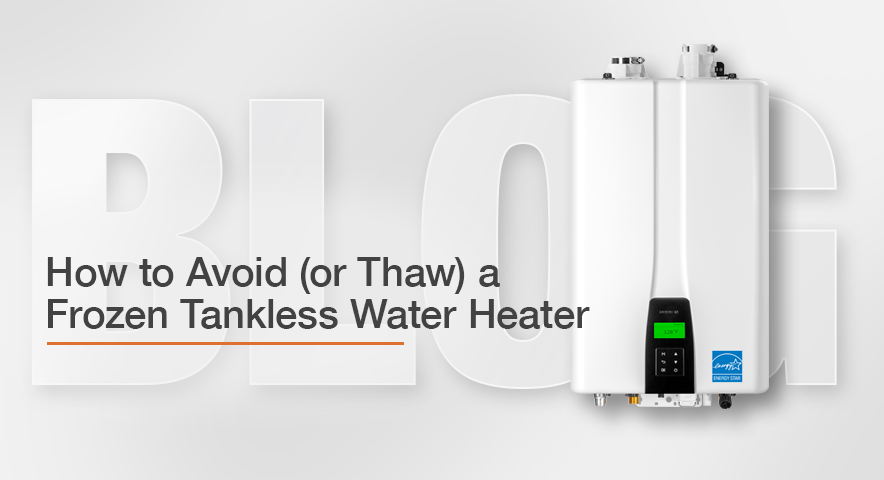
Different types of water heaters handle cold differently. Tankless water heaters heat water only when needed, which might expose pipes to freezing. Traditional tank heaters store hot water, providing some warmth even during cold spells. Electric heaters and gas heaters also vary in freeze resistance based on design and heat output. Knowing your heater type helps gauge its freeze risk.
Temperature Thresholds
Water freezes at 32°F (0°C), but pipes and heaters can be affected at slightly higher temperatures. Prolonged exposure to temperatures below 40°F (4°C) increases freeze risk. Sudden drops in temperature can cause freezing quicker than gradual cooling. Monitoring local weather and temperature changes helps anticipate freeze threats.
Preventing Water Heater Freeze
Preventing your water heater from freezing during cold weather is crucial to avoid costly repairs and inconvenient water outages. Taking simple steps can keep your system running smoothly, even when temperatures drop below freezing. Let’s explore some practical ways you can protect your water heater and pipes from the cold.
Insulating The Heater And Pipes
Adding insulation around your water heater and exposed pipes creates a protective barrier against the cold. Foam pipe sleeves or fiberglass insulation work well to keep heat in and cold out.
Focus on areas where pipes run through unheated spaces like basements, attics, or crawl spaces. You might be surprised how much heat is lost there, making those spots vulnerable to freezing.
Have you checked your insulation lately? Even small gaps can let cold air in, so seal any cracks or openings near your heater and pipes.
Maintaining Proper Temperature Settings
Keeping your water heater temperature set between 120°F and 140°F helps prevent freezing without wasting energy. Setting it too low might save a little power but increases freeze risk.
If you’re away during a cold snap, don’t turn the heater off completely. Leaving it on at a lower setting ensures water inside the tank stays warm enough to avoid freezing.
Consider how you use hot water during winter. Adjusting your heater’s thermostat slightly higher during extreme cold can save you from a frozen disaster.
Using Heat Tape And Blankets
Heat tape is an electric heating cable you wrap around vulnerable pipes or your water heater. It generates gentle heat that keeps water flowing even on the coldest nights.
Combine heat tape with a water heater blanket for extra protection. These blankets reflect heat back into the tank, reducing heat loss and lowering your energy bill.
Have you installed heat tape before? If not, it’s a straightforward DIY project that can save you from freezing headaches. Just ensure you follow the manufacturer’s instructions for safety.
Emergency Steps If Heater Freezes
Facing a frozen water heater can cause sudden panic. Acting quickly helps prevent damage and restore warmth. Follow clear steps to handle this cold emergency safely.
Thawing Techniques
Start by turning off the water heater’s power supply. For electric heaters, switch off the breaker; for gas, turn off the gas valve. Use a hairdryer or space heater to warm frozen pipes gently. Avoid open flames or high heat sources to prevent damage. Wrap pipes with warm towels soaked in hot water to speed thawing. Keep the area well-ventilated during the process. Slowly open faucets to release pressure and trapped ice.
Avoiding Further Damage
Never try to force frozen pipes or fittings. Check for leaks as ice melts to catch bursts early. Keep the thermostat set to at least 55°F (13°C) to prevent refreezing. Insulate exposed pipes with foam sleeves or heat tape. Drain the water heater if freezing risk remains high. Remove any snow or ice buildup around the heater area. Stay alert for unusual sounds or smells indicating trouble.
When To Call A Professional
Call a plumber if thawing does not restore water flow. Contact a technician if you notice leaks, cracks, or rust. Seek expert help for gas water heaters with strong odors or pilot light issues. Professional inspection ensures safety and prevents costly repairs. Avoid DIY repairs beyond simple thawing steps. Early professional support minimizes damage and restores comfort fast.
Long-term Maintenance Tips
Proper care keeps your water heater safe during cold months. Long-term maintenance helps prevent freezing and damage. Regular attention extends your heater’s life and saves repair costs. Simple habits protect your home and ensure warm water all winter.
Regular Inspections
Check your water heater often for leaks or rust. Look for frost or ice on pipes and tank. Tighten loose fittings and clear debris around the unit. Early problem detection stops bigger issues later. Schedule a professional check at least once a year.
Drainage And Winter Preparation
Drain water from your heater before freezing weather arrives. This removes water that can expand and crack the tank. Insulate exposed pipes and the heater itself with foam sleeves or blankets. Keep the area warm by sealing drafts near the unit. These steps lower the risk of freezing damage.
Upgrading To Freeze-resistant Models
Consider a water heater designed for cold climates. Freeze-resistant models have built-in protection against ice damage. They use better insulation and heating elements that prevent freezing. Investing in these units ensures reliable hot water in harsh winters. Check product specifications and choose one suitable for your area.

Credit: callsmedley.com

Credit: genzryan.com
Frequently Asked Questions
Can A Water Heater Freeze In Cold Weather?
Yes, water heaters can freeze if exposed to very low temperatures. Frozen water inside the heater can damage the tank and pipes.
What Causes A Water Heater To Freeze?
Freezing occurs when the water heater or pipes are unprotected in cold weather. Lack of insulation and extreme cold increase freezing risk.
How Can I Prevent My Water Heater From Freezing?
Insulate your water heater and pipes. Keep the area warm and let faucets drip during extreme cold to prevent freezing.
What Are Signs Of A Frozen Water Heater?
Signs include no hot water, strange noises, or a frozen exterior tank. Prompt action is needed to avoid damage.
Conclusion
Water heaters can freeze in very cold weather. This can cause pipes to burst and damage your home. Keep your water heater warm by insulating it well. Let faucets drip slightly to prevent freezing. Check your heater before winter arrives to avoid problems.
Taking simple steps saves money and stress later. Stay prepared and protect your water heater this winter.