Are you worried about the safety of your air conditioner? You might have heard some scary stories about carbon monoxide poisoning and wondered if your cooling system could be a hidden danger.
The truth is, understanding how air conditioners work and their risks can protect you and your loved ones. Keep reading to uncover the facts and learn what you need to know to keep your home safe and comfortable all year round.

Credit: dial1plumbing.com
How Air Conditioners Work
Air conditioners come in different types. Each type uses a cooling mechanismto lower room temperature.
- Window unitssit in a window and cool one room.
- Split systemshave two parts: one inside and one outside.
- Portable ACscan be moved and vent hot air through a window.
- Central ACcools the whole house through ducts.
Most air conditioners use refrigerantsto absorb heat from the air. The warm air moves outside, and cool air stays inside. Fans help move air through the system. Some units also use water or ice to help cool the air.
Carbon Monoxide Basics
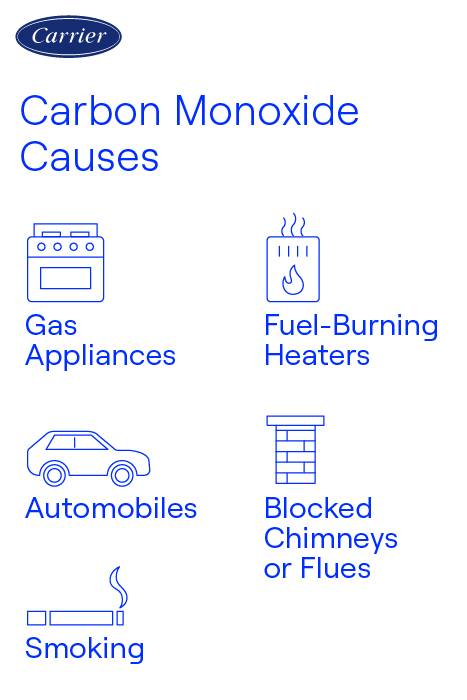
Carbon monoxide (CO)is a colorless, odorless gas. It can be very dangerous because people cannot see or smell it. CO is made when fuels like gas, wood, or coal burn without enough oxygen. Common sources include car engines, gas stoves, and heaters. Air conditioners normally do not produce CO unless they have a gas-powered heater inside.
Other sources of CO:
- Gas water heaters
- Fireplaces and wood stoves
- Charcoal grills used indoors
- Generators running in closed spaces
Health risks of carbon monoxideinclude headache, dizziness, and nausea. High levels can cause unconsciousness or death. People with heart or lung problems are more at risk. It is important to have proper ventilation and CO detectors in homes. Never use fuel-burning devices indoors without fresh air.
Air Conditioners And Carbon Monoxide
Air conditioners do not produce carbon monoxide (CO) directly. They use electricity to cool air, so there is no burning of fuel inside the unit. Carbon monoxide is a gas made when fuel like gas, wood, or coal burns without enough air. Since air conditioners do not burn fuel, they cannot emit this dangerous gas.
Some people think air conditioners cause carbon monoxide poisoning. This is a common misconception. The real risk comes from other appliances like gas heaters, stoves, or generators that burn fuel. Poor ventilation or faulty equipment can lead to carbon monoxide buildup inside homes.
- Air conditioners use electric power, not fuel.
- Carbon monoxide comes from fuel burning appliances.
- Proper maintenance of all home appliances is important.
- Carbon monoxide detectors can keep homes safe.
Credit: www.carrier.com
Furnaces And Hvac Systems
Fuel-burning appliances like furnaces and water heaters can produce carbon monoxide (CO). This gas is colorlessand odorless, making it very hard to detect. Poorly maintained appliances can leak CO into the air inside homes. Regular inspectionsand cleaninghelp keep these devices safe and working well.
Risks rise when vents or chimneys are blocked or damaged. This stops CO from leaving the house. Cracks or holes in the furnace can also let CO escape indoors. Using appliances that burn fuel in closed spaces without proper ventilation is dangerous.
- Keep furnaces and HVAC systems checked yearly.
- Replace filters and clean vents often.
- Install CO detectors near sleeping areas.
- Never use grills or gas stoves for heating.
Signs Of Carbon Monoxide Poisoning
Symptoms to watch forinclude headaches, dizziness, and nausea. Feeling weak or tired can also be a sign. Some people may cough or have chest pain. Confusion or trouble seeing clearly can happen too.
These symptoms may seem like the flu but last longer. They get worse when inside and better outside.
When to seek medical helpis urgent if someone feels very weak or confused. Call emergency services if someone faints or has trouble breathing. Do not wait if a person’s lips or skin turn blue.
Getting fresh air and medical help quickly can save lives.

Credit: www.dreamden.ai
Preventing Carbon Monoxide Exposure
Proper installationof air conditioners is key to avoid carbon monoxide risks. Always hire qualified techniciansfor setup. Check that vents and exhausts are clear and working well. Regular maintenancehelps spot problems early. Clean or replace filters often to keep air flow smooth. Inspect the system yearly for leaks or damage. This care lowers the chance of carbon monoxide entering your home.
Use carbon monoxide detectorsnear all rooms where people sleep. Test alarms monthly to confirm they work. Replace batteries yearly or as needed. Detectors alert you to dangerous gas levels quickly. Keep alarms free from dust and debris. This simple step can save lives by giving early warning of carbon monoxide presence.
Emergency Steps If Co Exposure Occurs
Leave the building immediatelyto get fresh air. Call emergency servicesor 911 from a safe place. Do not re-enter until professionals say it is safe. Open windows and doorsto ventilate if you cannot leave right away. Check if anyone feels dizzy, weak, or nauseous. Seek medical helpeven if symptoms seem mild.
Install carbon monoxide detectorsnear bedrooms and living areas. Have your air conditioner and heating system checked yearlyby a professional. Keep vents and chimneys clear of debris. Never use fuel-burning appliances indoors without proper ventilation. Learn the signs of carbon monoxide poisoning. Keep emergency numbers handy. Regular maintenance reduces risksignificantly.
Frequently Asked Questions
Can Air Conditioners Emit Carbon Monoxide?
Air conditioners themselves do not emit carbon monoxide. They cool air using a refrigerant cycle. However, if your air conditioning system includes a heating component that burns fuel, such as a furnace, improper ventilation or malfunction can lead to carbon monoxide emissions.
How Can I Detect Carbon Monoxide At Home?
To detect carbon monoxide at home, install carbon monoxide detectors near sleeping areas and fuel-burning appliances. Regularly test and maintain these detectors for optimal performance. Additionally, ensure proper ventilation and schedule routine inspections of fuel-burning appliances to prevent carbon monoxide buildup.
What Are Symptoms Of Carbon Monoxide Poisoning?
Symptoms of carbon monoxide poisoning include headache, dizziness, nausea, and confusion. In severe cases, it can lead to unconsciousness or death. If you experience these symptoms, especially if multiple people are affected, seek fresh air immediately and call emergency services.
Is Regular Ac Maintenance Necessary For Safety?
Yes, regular AC maintenance is crucial for safety. It ensures proper functioning and prevents potential hazards. A professional inspection can identify and fix issues, especially in systems with integrated heating. This prevents carbon monoxide leaks and prolongs the life of your equipment.
Conclusion
Air conditioners themselves do not produce carbon monoxide. Gas-powered appliances nearby might cause risks. Regular maintenance keeps your home safe and healthy. Always check vents and pipes for leaks. Carbon monoxide detectors save lives by warning early. Stay alert to signs like headaches or dizziness.
Protect your family with simple safety steps. Clean, service, and inspect your systems often. Safety should always come first in your home.