Have you ever felt your car shaking while driving and wondered what’s causing it? One common culprit you might not think about is your tires.
Yes, bad tires can make your car shake, and ignoring this can put you and others at risk. You’ll discover how worn or damaged tires affect your ride, what signs to watch for, and how fixing the problem can make your drives smoother and safer.
Keep reading—your comfort and safety on the road depend on it.
Causes Of Car Shaking
Car shaking can signal many issues. It affects driving comfort and safety. Understanding the causes helps in fixing the problem quickly.
Common Reasons For Vibrations
- Unbalanced wheels cause uneven rotation and shaking.
- Worn-out suspension parts fail to absorb bumps.
- Brake issues like warped rotors create vibrations during braking.
- Engine problems, such as misfires, lead to shaking.
- Loose or damaged steering components affect stability.
Role Of Tires In Vehicle Stability
Tires are the only contact between car and road. Bad tires reduce grip and cause wobbling. Worn tread, uneven wear, or damage lead to vibrations.
Proper tire pressure keeps the car balanced. Low or high pressure disrupts smooth driving. Tires must be checked regularly to maintain stability.

Credit: www.reddit.com
How Bad Tires Affect Driving
Bad tires can seriously affect how your car drives. They cause shaking, poor handling, and unsafe road grip. Understanding how different tire issues impact driving helps you spot problems early. It keeps you safe and improves your ride comfort.
Worn-out Tread And Its Impact
Tread grips the road and helps with traction. Worn-out tread reduces this grip. Your car may slip or skid on wet roads. Braking distances get longer. The risk of hydroplaning increases. Worn tires also cause uneven shaking at high speeds.
Tire Imbalance And Uneven Wear
Tire imbalance happens when weight is unevenly spread around the tire. It causes vibrations in the steering wheel. Uneven wear happens if tires are not rotated or aligned properly. Both issues lead to shaking and poor control. They also reduce tire lifespan and fuel efficiency.
Effects Of Damaged Sidewalls
Sidewalls protect tires from impacts and pressure. Damaged sidewalls weaken tire strength. Cracks, bulges, or cuts make tires unsafe. Damaged tires can cause sudden shakes or even blowouts. Driving on them risks accidents and vehicle damage.
Identifying Tire-related Shaking
Car shaking can come from many issues, but tires often play a big role. Identifying tire-related shaking helps keep your drive smooth and safe. Understanding the signs and checking tires regularly can stop problems early.
Signs Of Tire Problems
- Car vibrates or shakes at certain speeds
- Steering wheel feels unsteady or wobbly
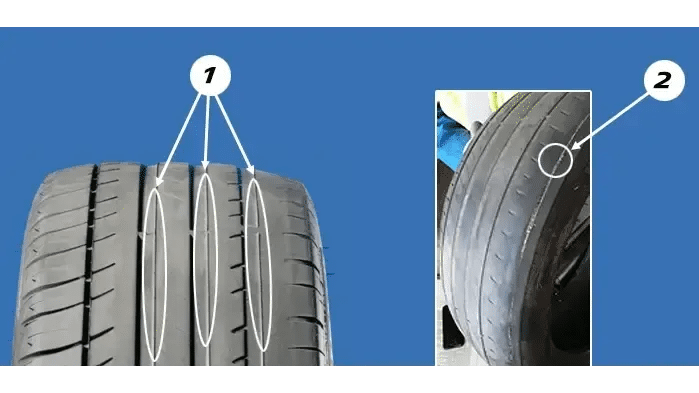
- Uneven tire wear on the tread
- Visible damage like cuts, cracks, or bulges
- Frequent loss of tire pressure
When To Check Tire Pressure
- Before long trips or daily drives
- After temperature changes, especially cold weather
- If the car pulls to one side while driving
- When the tires look flat or soft
- If the fuel efficiency suddenly drops
Visual Inspection Tips
- Look for cuts, cracks, or sidewall bulges
- Check tread depth using a coin or gauge
- Notice any uneven wear patterns on tires
- Make sure tire valves are not damaged
- Examine rims for bends or dents

Credit: www.jiffylube.com
Other Factors Causing Shaking
Shaking in a car can stem from more than just bad tires. Several other parts of your vehicle may cause vibrations. Understanding these factors helps in finding the right fix. Here are some common reasons for car shaking beyond tire issues.
Wheel Alignment Issues
Misaligned wheels cause uneven tire wear and vibrations. The car may pull to one side while driving. Steering feels off and less responsive. Proper alignment ensures smooth and safe driving. Regular checks prevent costly damage and improve comfort.
Suspension Problems
Suspension parts absorb shocks and keep the ride steady. Worn shocks or struts lead to shaking and poor handling. You may feel bumps more strongly inside the car. Suspension issues also cause uneven tire wear. Timely repairs restore smooth driving and stability.
Brake System Faults
Warped brake rotors make the steering wheel shake when braking. Vibrations happen due to uneven rotor surfaces. Brake pads and calipers can also affect stability. Faulty brakes reduce stopping power and safety. Checking the brake system is vital for a smooth ride.
Fixing Tire-related Shakes
Tire-related shakes can make driving uncomfortable and unsafe. Fixing these shakes often involves simple maintenance steps that you can handle or discuss with your mechanic. Understanding how to address the root causes like balance, wear, and inflation can restore smoothness to your ride quickly.
Balancing And Rotation
Unbalanced tires often cause noticeable vibrations, especially at higher speeds. Balancing redistributes the tire’s weight evenly around the wheel, eliminating these shakes. Regular tire rotation also helps by wearing tires evenly, preventing one tire from causing uneven vibrations.
Have you checked when your tires were last balanced or rotated? If not, scheduling this can be a quick fix to your car’s shaking problem.
Replacing Worn Tires
Tires with worn-out tread or damage can create serious shaking issues. No amount of balancing or inflation can fix tires that have lost their grip or structural integrity. Replacing these tires not only stops the vibration but also improves your safety on the road.
Think about how often you inspect your tire treads. Are they still deep enough to provide a smooth drive? If not, it’s time to invest in new tires.
Maintaining Proper Inflation
Incorrect tire pressure is a common but often overlooked cause of car shakes. Overinflated or underinflated tires wear unevenly and can cause your car to vibrate. Keeping your tires at the manufacturer’s recommended pressure helps maintain even contact with the road.
Do you regularly check your tire pressure? Using a simple gauge monthly can prevent shakes and extend your tire’s life.
Credit: www.michelin.ca
Preventing Future Shakes
Experiencing shakes while driving can be unsettling, but the good news is you can take clear steps to stop this issue before it starts. Preventing future shakes means paying close attention to your tires and overall vehicle condition. Taking simple, regular actions helps keep your car smooth and safe on the road.
Regular Tire Maintenance
Checking your tire pressure once a month makes a big difference. Tires with the wrong pressure wear unevenly and cause vibrations. Rotating your tires every 5,000 to 8,000 miles helps them wear evenly, reducing the chance of shaking.
I once ignored a slow leak in my tire and noticed my steering wheel shaking more and more. Fixing that leak and maintaining proper pressure stopped the shaking completely. Small habits like this keep your ride steady and comfortable.
Choosing Quality Tires
Not all tires are made equal. Opt for tires from reputable brands with good reviews on durability and performance. Quality tires maintain better balance and grip, which prevents shaking and improves your control.
Think about the conditions you drive in most. If you often face wet roads or rough terrain, select tires designed for those challenges. This choice reduces wear and helps your car stay stable under different conditions.
Routine Vehicle Inspections
Regular check-ups with a trusted mechanic catch issues beyond just tires. Suspension problems, wheel alignment, or worn-out parts can cause shaking too. Don’t wait for vibrations to worsen before getting your car inspected.
Ask your mechanic to check these key points during inspections:
- Wheel alignment and balance
- Suspension components
- Tire tread depth and condition
Have you scheduled a vehicle inspection recently? Staying ahead with routine checks can save you from unexpected shakes and costly repairs later.
Frequently Asked Questions
Can Worn Tires Cause Car Vibrations?
Yes, worn tires can lead to car vibrations. Uneven tread wear can cause imbalances, making the car shake. Regular tire maintenance, including rotation and balancing, can prevent this. Replacing worn tires is crucial for a smooth ride and safety.
Do Unbalanced Tires Make Your Car Shake?
Yes, unbalanced tires can cause your car to shake. Imbalances in tire weight distribution lead to vibrations. These vibrations are often felt in the steering wheel or seats. Balancing your tires regularly can solve this issue and improve driving comfort.
Can Damaged Tires Affect Driving Stability?
Damaged tires can significantly affect driving stability. They compromise grip and control, leading to shaky rides. Regular inspections for punctures, bulges, or uneven wear are essential. Replacing or repairing damaged tires ensures better stability and safety.
Why Does My Car Shake At High Speeds?
Your car might shake at high speeds due to tire issues. Common causes include unbalanced tires or uneven tread wear. Inspecting and servicing your tires can solve this problem. Regular maintenance ensures a smoother and safer driving experience.
Conclusion
Bad tires can definitely cause your car to shake. Worn or unbalanced tires create vibrations while driving. These shakes affect your comfort and car control. Checking your tires regularly helps avoid this problem. Replace tires that show cracks or uneven wear.
Proper tire care keeps your ride smooth and safe. Don’t ignore shaking—it signals a tire issue. Stay safe by keeping your tires in good shape. Your car will run better and feel more stable.