
Have you ever wondered if your contact lenses could freeze during shipping? Picture this: you’re eagerly waiting for your latest order of contact lenses to arrive, only to worry about what could happen to them in transit.
You might be thinking about how harsh winter conditions could affect your precious lenses. Could freezing temperatures really alter their quality or safety? This question is more common than you might think, and understanding the truth can save you from unnecessary stress.
Before you decide to stick to glasses this winter, let’s dive into the science and find out if your lenses are truly at risk. Keep reading to uncover the facts and ensure your eyes stay safe and your vision clear!
Contact Lens Materials
Contact lenses come in various materials, and understanding these is key to knowing how they react during shipping, especially in cold weather. Different materials have unique properties that affect their durability and flexibility when exposed to freezing temperatures. Let’s look closely at the types of contact lenses and how their materials handle the cold.
Types Of Contact Lenses
Contact lenses mainly fall into two categories:
- Soft Contact Lenses:Made from flexible, water-containing plastics called hydrogels or silicone hydrogels. They are popular due to comfort and ease of use.
- Rigid Gas Permeable (RGP) Lenses:Made from durable, oxygen-permeable plastics. These lenses are less flexible but offer sharper vision in some cases.
Soft lenses are more common and are usually shipped in a saline solution inside sealed blister packs. RGP lenses come dry or with a small amount of solution.
Material Sensitivity To Cold
Soft lenses contain a high percentage of water, which can freeze if temperatures drop low enough. Frozen water inside the lens can cause it to become brittle or change shape, potentially damaging the lens.
RGP lenses, being mostly plastic with little to no water content, are less likely to freeze. However, extreme cold can still make them stiff and uncomfortable to wear initially.
Have you ever received a package on a cold winter day and wondered if your lenses survived the trip? It’s important to check the temperature guidelines provided by the manufacturer. Usually, shipping companies take precautions, but knowing your lens material helps you understand what to expect.
Here’s a quick tip: If you suspect your lenses might have been exposed to freezing temperatures, let them come to room temperature gradually before wearing. Rushing to use cold lenses can cause discomfort or damage your eyes.
Credit: www.natren.com
Shipping Conditions
Shipping conditions play a crucial role in delivering contact lenses safely. These lenses are sensitive to extreme temperatures and handling during transit. Understanding the environment they face helps explain whether they can freeze or get damaged. Proper packaging and timely delivery reduce risks. Let’s explore common shipping environments and temperature changes contact lenses may encounter.
Common Shipping Environments
Contact lenses travel through various shipping environments before reaching customers. They may pass through warehouses, trucks, airplanes, and local delivery vans. Each stage has different temperature and humidity levels. In winter, lenses can be exposed to cold outdoor air during loading and unloading. Inside trucks or planes, temperatures may be controlled but not always consistent. Sometimes, lenses stay in storage facilities for hours or days. These factors affect the condition of the lenses and their packaging.
Temperature Fluctuations
Temperature changes can impact contact lenses during shipping. Sudden drops below freezing may cause lens solution to freeze. Frozen solution can affect lens shape and comfort. Extreme heat can also harm the lenses by drying out the solution. Fluctuations happen when packages move between warm and cold areas quickly. Proper insulation and temperature control help protect lenses from damage. Many suppliers use special packaging materials to keep lenses stable. Fast delivery limits exposure to harmful temperatures.
Risk Of Freezing
Shipping contact lenses involves careful handling, especially in colder climates. You might wonder, can your lenses freeze during transit? Understanding the risk of freezing helps you protect your lenses and ensure they arrive safely.
Freezing Point Of Lens Solutions
Contact lenses are stored in special solutions to keep them moist and sterile. These solutions usually contain water mixed with salts and preservatives.
The freezing point of these solutions is close to that of water but slightly lower due to the additives. Typically, lens solutions freeze around 0°C (32°F) or a bit below.
Shipping in freezing temperatures means the solution can solidify, turning into ice. This solid state is a major concern during winter or in cold regions.
Impact Of Freezing On Lenses
Freezing can change the shape and texture of soft contact lenses. Ice crystals may form inside the lens material, causing damage or distortion.
Damaged lenses might lose their comfort and fit, making them unsafe or uncomfortable to wear. Even small cracks or warping can lead to eye irritation or infections.
Have you ever received a package in cold weather and noticed condensation inside? That moisture freeze-thaw cycle can be harsh on delicate lenses.
To avoid these problems, check if your supplier uses insulated packaging or expedited shipping during cold months. Protecting your lenses during transit can save you from discomfort and extra costs.
Packaging And Protection
Proper packaging and protection are vital to keep contact lenses safe during shipping. Packaging shields lenses from extreme temperatures and physical damage. It ensures lenses reach customers in perfect condition and ready to use.
Insulated Packaging Methods
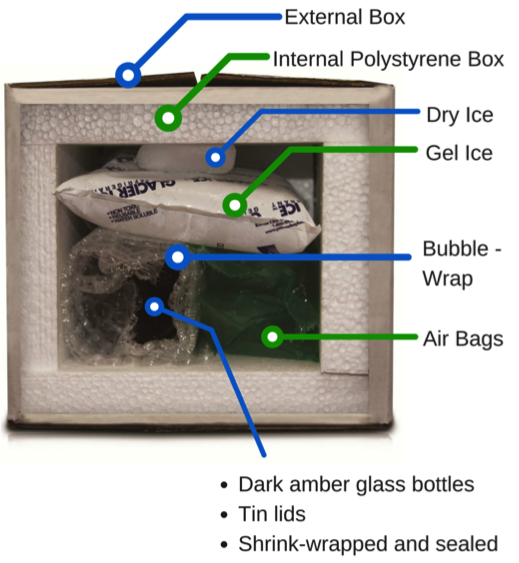
Insulated packaging uses materials that block cold air and heat. Foam containers and thermal bubble wraps are common choices. These materials slow temperature changes around the lenses. Insulation helps prevent lenses from freezing in cold weather. It also protects lenses from overheating during warm shipping days.
Some companies add gel packs or heat packs inside the insulated packaging. These packs keep the environment stable for longer periods. They maintain a safe temperature range for lenses throughout transit. This method reduces the risk of damage caused by freezing or heat.
Temperature Control Technologies
Advanced temperature control technologies monitor and manage shipping conditions. Data loggers track temperature changes inside packages during delivery. This information helps companies improve packaging methods. Some shipments include smart sensors that alert handlers if temperatures go out of range.
Active temperature control systems use battery-powered cooling or heating elements. These systems keep lenses at a constant temperature. They work well for long-distance or international shipments. Technology like this ensures contact lenses remain safe and comfortable to wear.
Safety Tips For Receiving Lenses
Receiving contact lenses safely is crucial to protect your eye health. Lenses can be sensitive to temperature changes during shipping. This section shares essential tips for checking your lenses once they arrive. You can avoid damage and ensure clear vision by following these simple steps.
Inspecting Packages Upon Arrival
Check the package for any visible damage or leaks. Look for cracks or holes in the box or blister packs. Feel the temperature of the package; it should not be icy cold. Ensure the seal on each lens container is intact. Examine the expiration date and batch number on the packaging.
- Confirm the box is dry and not wet or damp.
- Make sure the label matches your order details.
- Open the package carefully to avoid contamination.
Taking time to inspect helps catch problems early. Do this before opening lens containers.
What To Do If Freezing Is Suspected
If the package feels frozen or extremely cold, do not use the lenses immediately. Place the lenses at room temperature and let them thaw slowly. Avoid using heat sources like hairdryers or heaters to speed up the process. After thawing, check the lenses for any cracks or changes in texture.
- Discard lenses that appear cloudy or damaged.
- Contact the seller for replacement or refund if damage occurred.
- Never wear lenses that feel brittle or unusual.
Protect your eyes by being cautious with lenses exposed to freezing. Safe handling prevents discomfort and infections.

Credit: eyecandys.com
Manufacturer Guidelines
Understanding manufacturer guidelines is key to ensuring your contact lenses arrive safely and remain effective. These guidelines provide clear instructions on how to handle, store, and ship lenses to avoid damage, including the risk of freezing during transit. Ignoring these recommendations can lead to discomfort or even health issues once you start wearing the lenses.
Storage Recommendations
Manufacturers usually advise storing contact lenses in a cool, dry place away from direct sunlight. Temperatures that are too low, especially below freezing, can alter the lens material and solution, affecting comfort and safety.
Many brands recommend keeping lenses at room temperature, typically between 2°C and 30°C (36°F to 86°F). Have you ever noticed a difference in lens comfort after they were exposed to extreme temperatures? This is why proper storage matters so much.
Some manufacturers also suggest using insulated packaging or temperature-controlled containers if you live in a very cold climate. This extra step helps maintain the solution’s integrity and prevents lenses from freezing.
Shipping Policies
Contact lens manufacturers often have strict shipping policies to protect the product during transit. They may avoid shipping to regions experiencing extreme cold unless special packaging is used.
Some companies partner with couriers that offer expedited or temperature-controlled shipping options. This reduces the time lenses spend in potentially damaging conditions.
Before placing an order, check if the supplier provides detailed information about how they handle cold weather shipments. Would you risk buying lenses without knowing how they’re shipped? It’s worth asking or choosing sellers who prioritize proper shipping methods.
- Look for clear shipping timeframes to avoid delays.
- Confirm if insulated or thermal packaging is included.
- Ask about options for winter shipping during colder months.
Following these manufacturer guidelines helps you protect your eye health and ensures your lenses work as intended when you receive them.

Credit: visionpros.com
Frequently Asked Questions
Can Contact Lenses Freeze During Shipping?
Contact lenses rarely freeze during shipping because they are stored in sealed, temperature-controlled containers. Most shipping services avoid extreme cold. However, exposure to freezing temperatures can potentially damage lenses or solution, affecting comfort and safety.
How Does Cold Affect Contact Lens Solution?
Cold temperatures can cause contact lens solution to become cloudy or freeze. This may reduce its effectiveness in cleaning and moisturizing lenses. It is best to keep lenses and solution at recommended room temperatures to maintain quality during shipping.
Are There Special Shipping Methods For Contact Lenses?
Yes, many sellers use insulated packaging or expedited shipping for contact lenses. These methods prevent exposure to extreme temperatures, ensuring the lenses remain safe and effective upon arrival. Customers should check shipping policies for temperature-sensitive products.
What Should I Do If My Lenses Were Exposed To Freezing?
If lenses or solution freeze, do not use them immediately. Allow them to return to room temperature naturally. Inspect lenses for damage or cloudiness. If unsure, consult your eye care professional before use to avoid eye irritation or injury.
Conclusion
Contact lenses can freeze if exposed to very cold temperatures during shipping. Freezing may damage the lenses and affect comfort. Most companies use special packaging to protect lenses from cold. Choosing reliable sellers helps ensure safe delivery. Always check lenses before use to spot any damage.
Proper care keeps your eyes healthy and lenses effective. Safe shipping matters for clear vision and comfort. Stay informed and handle your lenses gently after delivery.