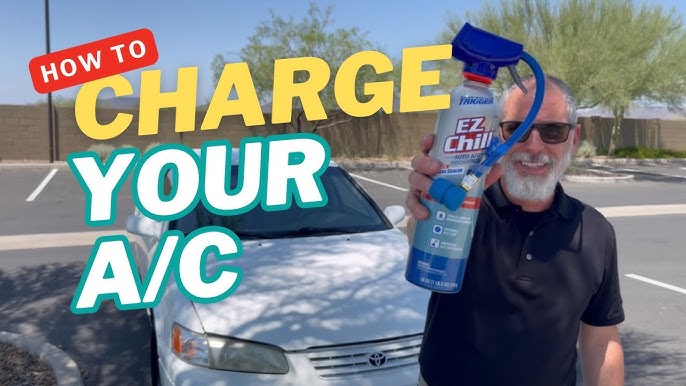
Is your car’s air conditioner not cooling like it used to? You’re not alone.
When your AC starts blowing warm air, it can make every drive uncomfortable, especially on hot days. The good news is, you don’t always need to rush to a mechanic. You can learn how to charge your air conditioner yourself and bring back that refreshing cool breeze.
In this guide, you’ll discover simple, step-by-step tips to get your car’s AC running smoothly again. Keep reading, and you’ll be driving comfortably in no time.

Credit: www.youtube.com
Signs Your Car Ac Needs Charging
Your car’s air conditioner may lose cooling power over time. It needs regular checks to stay effective.
Knowing the signs of a low refrigerant level helps you fix the AC before bigger problems start.
Reduced Cooling Efficiency
If your car’s AC blows warm or less cold air, the refrigerant might be low. This lowers the cooling power.
Check if the air inside the car does not feel as cold as before. This is a clear sign the AC needs charging.
Unusual Noises
Strange sounds from the AC system may mean low refrigerant or other issues. Listen for these noises:
- Hissing sound near the dashboard
- Clicking noises when the AC runs
- Whining or buzzing from the compressor
These noises suggest the AC is struggling and might need a recharge or repair.
Visible Refrigerant Leaks
Leaks can cause refrigerant loss. Look under your car or near AC parts for signs:
| Leak Location | What to Look For |
| Under the car | Oily spots or wet stains |
| Near compressor | Greasy residue or moisture |
| AC hoses | Cracks or damaged areas |
If you find these signs, take your car to a mechanic to check the refrigerant level and fix leaks.
Tools And Materials Required
Charging your car’s air conditioner needs some specific tools. These tools help you do the job safely and correctly.
You must have the right materials before you start. This guide shows what you need to recharge your AC system.
Ac Recharge Kit
An AC recharge kit includes everything to add refrigerant to your car’s air conditioner. It helps restore cool air in the cabin.
Most kits come with a can of refrigerant and a hose with a gauge. The gauge shows pressure levels for safe filling.
- Can of refrigerant (check type for your car)
- Hose with pressure gauge
- Valve for control
Safety Gear
Safety gear protects you from harmful chemicals and cold refrigerant. Always wear safety gear to avoid injuries.
Use gloves and goggles to shield your skin and eyes. Refrigerant can cause frostbite if it touches your skin.
- Protective gloves
- Safety goggles
- Long sleeves to cover arms
Basic Car Maintenance Tools
You need some basic tools for car maintenance to access the AC system parts. These tools help you open and check components.
Having these tools ready makes the process smoother and faster. They are common in most home toolkits.
- Socket wrench set
- Screwdrivers (flathead and Phillips)
- Pliers
- Flashlight for visibility
Preparing Your Car For Ac Charging
Charging your car’s air conditioner needs some preparation. Getting ready helps you do the job safely and correctly.
This guide explains how to prepare your car before charging the AC system.
Park On A Level Surface
Find a flat and stable place to park your car. This keeps the refrigerant inside the system balanced.
A level surface also prevents accidents and makes it easier to check the AC system.
Turn Off Engine And Ac
Switch off your car’s engine before starting. This prevents injury and avoids damage to the AC system.
Make sure the air conditioner is also off. This stops the system from running during charging.
Locate The Low-pressure Port
Find the low-pressure service port under the hood. It is where you connect the charging hose.
The port is usually smaller and has a plastic cap labeled “L” or “Low.”
- Look near the compressor or along the larger AC hose
- Do not confuse it with the high-pressure port, which is smaller
- Use gloves to protect your hands while handling
Step-by-step Charging Process
Charging your car’s air conditioner helps keep it cool during hot days. It is important to follow the right steps to avoid damage.
This guide explains how to charge your car AC safely and correctly with easy instructions.
Attach The Recharge Hose
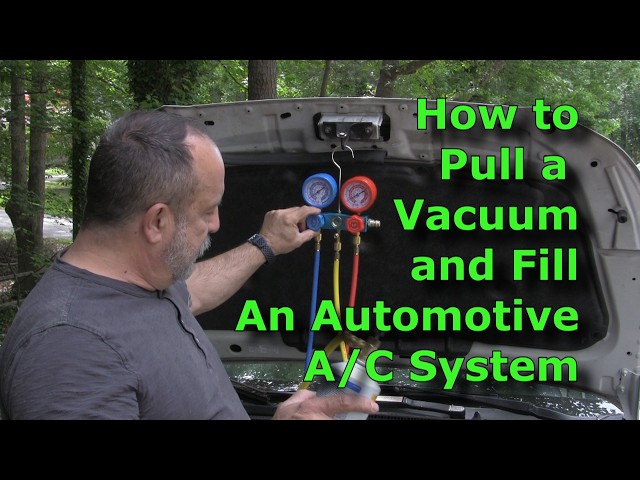
Locate the low-pressure port on your car’s AC system. Connect the recharge hose to this port firmly. Make sure the connection is tight to prevent leaks.
Check Pressure Gauge
Read the pressure gauge on the recharge kit. Compare the reading to the recommended pressure for your car model. This tells you if your system needs refrigerant.
Add Refrigerant Slowly
- Open the valve on the refrigerant can.
- Let the refrigerant flow into the system slowly.
- Keep the can upright to avoid liquid refrigerant entering the system.
- Pause often to check pressure levels.
Monitor Pressure Levels
| Pressure Range (psi) | Condition |
|---|---|
| 25-45 | Normal pressure range for most cars |
| Below 25 | Low refrigerant, needs charging |
| Above 45 | Overcharged, stop adding refrigerant |
Keep the engine running and AC on while monitoring the gauge. Stop adding refrigerant if pressure reaches the normal range.
Disconnect The Kit Safely
Close the valve on the recharge kit before disconnecting the hose.
Remove the hose carefully from the low-pressure port.
Store the recharge kit and refrigerant can in a cool, dry place.
Safety Precautions To Follow
Charging your car’s air conditioner requires care and attention. Safety is important to avoid accidents and damage.
Follow these safety tips to protect yourself and your vehicle while charging the AC.
Wear Protective Gear
Always wear gloves and safety glasses before handling refrigerant. The chemicals can cause skin burns or eye injuries.
Protective gear helps keep you safe from leaks or splashes during the charging process.
- Use chemical-resistant gloves
- Wear safety goggles
- Consider long sleeves to protect your arms
Avoid Overcharging
Adding too much refrigerant can harm your car’s AC system. It reduces cooling and may cause damage.
Check the car manual for the correct refrigerant amount. Use a gauge to measure pressure during charging.
- Know the exact refrigerant capacity
- Use a pressure gauge to monitor levels
- Stop charging when recommended pressure is reached
Handle Refrigerant Carefully
Refrigerant is a hazardous chemical. Avoid inhaling fumes and keep it away from flames or sparks.
Store refrigerant cylinders upright and in a cool place. Always follow the instructions on the label.
- Do not puncture or heat refrigerant cans
- Keep refrigerant away from children and pets
- Dispose of empty cans properly
Troubleshooting Common Issues
Charging your car’s air conditioner is important for cool air. Sometimes, problems happen after you recharge it.
Knowing how to fix these issues can save time and money. Check these tips to solve common AC problems.
Ac Not Cooling After Recharge
Your AC might not cool after a recharge if the refrigerant level is wrong. Too little or too much refrigerant affects performance.
Also, the compressor might not work well, or the system could have air inside. These stop the AC from cooling properly.
- Check refrigerant pressure with a gauge
- Make sure the compressor turns on
- Look for signs of air or moisture in the system
Leaks And How To Spot Them
Leaks cause refrigerant to escape, making your AC weak. Spotting leaks early keeps your system working well.
Look for oily stains or wet spots around AC parts. You might hear hissing sounds near hoses or connections.
- Check hoses and fittings for cracks or wear
- Use soapy water to find bubbles at leak points
- Smell for a strong chemical odor inside the car
When To Seek Professional Help
Some AC problems need expert care. If you cannot find the issue or fix leaks, call a professional.
Experts have tools to safely handle refrigerant. They can check the system deeply and fix complex problems.
- If the AC still won’t cool after recharge
- If you find a big or hard-to-reach leak
- If the compressor or electrical parts seem broken
Maintaining Your Car’s Ac System
Keeping your car’s air conditioner in good shape helps it cool better. Regular care stops big problems.
Simple steps can keep your AC working well and extend its life. Learn how to care for it.
Regular Inspections
Check your AC system often for leaks or damage. Look at hoses and connections for cracks or wear.
Listen for strange noises when the AC runs. These can show if something is wrong inside.
- Inspect hoses and belts for cracks
- Check for refrigerant leaks
- Notice odd sounds or smells
Cleaning Ac Components
Clean the AC parts like the condenser and evaporator. Dirt blocks airflow and lowers cooling.
Remove leaves and debris from vents and fans. A clean system cools air better and works longer.
- Clear leaves and dirt from vents
- Wipe dust off condenser coils
- Keep evaporator clean inside
Scheduling Professional Servicing
Get your car’s AC checked by a mechanic yearly. They refill refrigerant and fix leaks.
Experts find problems early. They also clean parts you cannot reach yourself.
- Refill refrigerant as needed
- Repair leaks and broken parts
- Perform deep cleaning of system

Credit: www.youtube.com
Credit: www.youtube.com
Frequently Asked Questions
How Do I Know When My Car Ac Needs Charging?
If your car’s air blows warm or weak, it likely needs a recharge. Check for leaks or unusual noises. A professional can confirm the refrigerant level for you.
What Tools Are Required To Charge A Car Ac?
You need a refrigerant recharge kit, including a pressure gauge and hose. Make sure to use the correct refrigerant type for your vehicle.
Can I Charge My Car Ac Myself Safely?
Yes, if you follow instructions carefully. Wear safety gear and work in a ventilated area. If unsure, consult a professional to avoid damage or injury.
How Often Should I Recharge My Car’s Ac System?
Typically, recharge every 1-2 years or when cooling efficiency drops. Regular maintenance keeps your AC running smoothly and prevents costly repairs.
Conclusion
Charging your car’s air conditioner is simple with the right tools. Regular maintenance keeps your AC system efficient. Always ensure the refrigerant level is correct. Safety comes first, so wear goggles and gloves. Follow the steps carefully to avoid mistakes.
Your car will thank you with cool air. Stay cool during hot days by maintaining your car AC. Don’t let the heat catch you unprepared. A little effort goes a long way. Enjoy a comfortable ride every time. Keep your car cool and your rides pleasant.