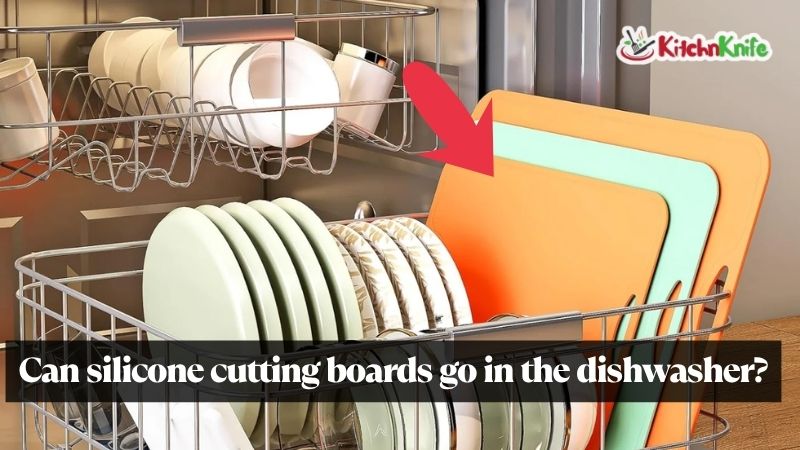
Have you ever wondered if your cutting board can safely go in the dishwasher? You use it every day to chop vegetables, slice meat, and prepare meals, so keeping it clean is a must.
But tossing it into the dishwasher might seem like the easiest way to sanitize it quickly. Before you do that, it’s important to know what really happens when your cutting board meets the dishwasher’s heat and water. You’ll discover the truth about dishwasher safety for different types of cutting boards and learn the best ways to keep yours clean and lasting longer.
Keep reading to protect your kitchen tools and your health.

Credit: www.reddit.com
Types Of Cutting Boards
Cutting boards come in different materials. Each type needs special care for cleaning.
Some cutting boards can go in the dishwasher. Others may get damaged by heat or water.
Wooden Cutting Boards
Wooden cutting boards are popular for their look and durability. They are gentle on knives.
Dishwashers can dry out and crack wooden boards. It is best to wash them by hand with soap.
Plastic Cutting Boards
Plastic cutting boards are lightweight and usually dishwasher safe. They resist stains and odors.
Dishwashing helps kill germs on plastic boards. Check the label to be sure they are dishwasher safe.
Bamboo Cutting Boards
Bamboo boards are eco-friendly and harder than wood. They have natural antibacterial properties.
Dishwashers can damage bamboo boards by warping or splitting them. Hand washing is safer.
Composite Cutting Boards
Composite boards are made from resin and wood fibers. They are strong and heat resistant.
Many composite boards are dishwasher safe. Check the manufacturer’s instructions before washing.
Dishwasher Safety For Cutting Boards
Cutting boards are important kitchen tools. Keeping them clean stops germs from spreading. Many people wonder if cutting boards can go in the dishwasher.
Dishwashers use hot water and strong sprays. This can affect cutting boards made from different materials. Knowing how dishwashers impact cutting boards helps keep them safe to use.
Heat Impact On Materials
Dishwashers use very hot water and dry heat. Heat can change how cutting boards look and feel. Plastic boards may soften or melt if the heat is too high.
Wood cutting boards can dry out from heat. This makes the wood brittle and weak. Always check the manufacturer’s advice about heat safety for your cutting board.
Water Damage Risks
Cutting boards can soak up water during dishwashing. Wood is especially at risk because it absorbs water. This can cause bacteria growth inside the board.
Plastic boards are less likely to absorb water but may still trap moisture in small cracks. Keeping cutting boards dry after washing is important to stop damage.
Warping And Cracking
Heat and water can cause cutting boards to warp or crack. Wood boards may change shape and split if they dry too fast. Plastic boards can bend out of shape.
Warped or cracked boards are harder to clean and can hold bacteria. Look for signs of damage and replace cutting boards when needed to stay safe.
Cleaning Tips For Wooden Boards
Wooden cutting boards need special care to last long. You should clean them properly after every use.
Wood can crack or warp if it gets too wet or is cleaned wrong. Follow good cleaning habits to keep your board safe.
Hand Washing Techniques
Wash wooden boards by hand with warm water and mild soap. Avoid soaking them in water to stop damage.
Use a soft sponge or cloth to scrub the surface gently. Rinse quickly and dry the board with a clean towel.
- Do not put wooden boards in the dishwasher
- Dry boards immediately after washing
- Stand boards upright to air dry fully
- Use a mixture of lemon and salt for deep cleaning
Oil Treatment And Maintenance
Oiling your wooden board keeps it from drying out and cracking. Use food-safe mineral oil or beeswax for best results.
Apply oil evenly with a clean cloth. Let it soak in for a few hours or overnight before wiping off the extra.
- Oil boards once a month or when wood looks dry
- Use a soft cloth to apply oil
- Do not use cooking oils like olive or vegetable oil
- Keep the board in a dry place after oiling

Credit: www.amazon.com
Plastic Boards And Dishwasher Use
Plastic cutting boards are common in many kitchens. People often wonder if they are safe to put in the dishwasher.
Dishwashers use hot water and strong detergents to clean. This can help remove germs from plastic boards.
Durability In Dishwasher
Most plastic cutting boards can handle dishwasher heat. They usually do not warp or crack easily.
Some cheap plastic boards may wear out faster. Repeated dishwasher cycles can cause scratches and dullness.
- High-quality plastic boards last longer in dishwashers
- Low-quality boards may lose shape or color
- Check manufacturer instructions before washing
- Place boards on top rack for best results
Avoiding Cross-contamination
Dishwashers kill many germs on plastic boards. This helps stop cross-contamination in the kitchen.
Wash boards separately from other items. This keeps raw food bacteria from spreading to clean dishes.
- Rinse boards before placing in dishwasher
- Use hot water and a strong detergent
- Wash boards used for raw meat separately
- Dry boards fully before storing
Alternatives To Dishwasher Cleaning
Not all cutting boards can go in the dishwasher. Some boards may warp or crack from the heat. It is important to clean them safely using other ways.
Here are two good options to keep your cutting boards clean and safe without using a dishwasher.
Sanitizing With Vinegar Or Bleach
Vinegar and bleach kill many germs on cutting boards. Vinegar is natural and safe for most boards. Use bleach carefully to avoid damage.
To sanitize with vinegar, spray it on the board and let it sit for a few minutes. Rinse well with water. For bleach, mix one tablespoon of bleach in one gallon of water. Soak or wipe the board, then rinse thoroughly.
- Use white vinegar or household bleach
- Let the solution sit for 5 minutes
- Rinse the board with clean water
- Dry the board completely before use
Using Hot Soapy Water
Hot soapy water is a simple way to clean cutting boards. It removes food particles and some germs. Use a sponge or brush to scrub the board well.
After washing, rinse the board with hot water. Dry it with a clean towel or air dry. This method keeps boards clean without harsh chemicals.
- Use dish soap and hot water
- Scrub the entire board surface
- Rinse thoroughly with hot water
- Dry the board fully before storage

Credit: www.reddit.com
When To Replace Cutting Boards
Cutting boards can last for a long time if you take care of them. But sometimes, they get too damaged or dirty. Then, it’s time to replace them.
Knowing when to change your cutting board helps keep your kitchen safe and clean.
Signs Of Wear And Tear
Look closely at your cutting board for cracks or deep cuts. These can trap food and germs. Warping or bending also means the board is no longer safe.
- Deep grooves that can’t be cleaned well
- Cracks or splits in the surface
- Warped or bent boards that don’t lay flat
- Discoloration or stains that won’t wash off
Hygiene Concerns
Cutting boards can hold bacteria if not cleaned well. Old boards with scratches can hide germs. This can cause food poisoning.
| Hygiene Issue | Why Replace |
|---|---|
| Food residue buildup | Germs grow in hard-to-clean areas |
| Odors that won’t disappear | Signals bacteria or mold inside the board |
| Cross-contamination risk | Old cuts may mix raw and cooked food bacteria |
Frequently Asked Questions
Can All Cutting Boards Go In The Dishwasher?
No, not all cutting boards are dishwasher safe. Plastic boards usually are, but wooden boards can warp or crack. Always check the manufacturer’s instructions before placing any cutting board in the dishwasher.
Why Should Wooden Cutting Boards Avoid Dishwashers?
Wooden cutting boards absorb water and heat, causing warping and cracking. Dishwashers strip natural oils, leading to drying and splitting. Hand washing with mild soap and air drying is best for wood boards to maintain durability.
How Does Dishwasher Heat Affect Cutting Boards?
Dishwasher heat can cause wooden boards to warp and crack. High temperatures may also degrade plastic boards over time. Heat and water pressure in dishwashers can shorten the lifespan of many cutting boards.
Can Dishwasher Use Cause Bacteria Buildup?
Dishwashers can kill many bacteria on plastic boards with high heat. However, wooden boards may retain moisture, promoting bacterial growth if not dried properly. Proper cleaning and drying are essential for hygiene on all cutting boards.
Conclusion
Choosing the right cleaning method is vital for cutting board care. Some boards can handle the dishwasher. Others can’t. Wooden boards, for instance, may warp or crack. Plastic boards usually do well in dishwashers. Always check the manufacturer’s instructions. Proper cleaning ensures longevity and hygiene.
Safe kitchen practices matter. Clean cutting boards prevent foodborne illnesses. Regular maintenance keeps them in good shape. Consider these factors before washing. Your cutting board will last longer and stay safe. Keep your kitchen a healthy space. It’s all about smart choices and awareness.