
Ever wondered what happens to DEF (Diesel Exhaust Fluid) when temperatures drop? If you’re living in or traveling through colder regions, this question might have crossed your mind.
The good news is, you’re not alone. Many vehicle owners like yourself are curious about how freezing temperatures can affect DEF and what it means for your vehicle’s performance. Understanding this can save you time, money, and a lot of headaches.
Dive deeper to discover the surprising facts about DEF fluid and freezing conditions, and learn how to keep your vehicle running smoothly no matter how cold it gets.
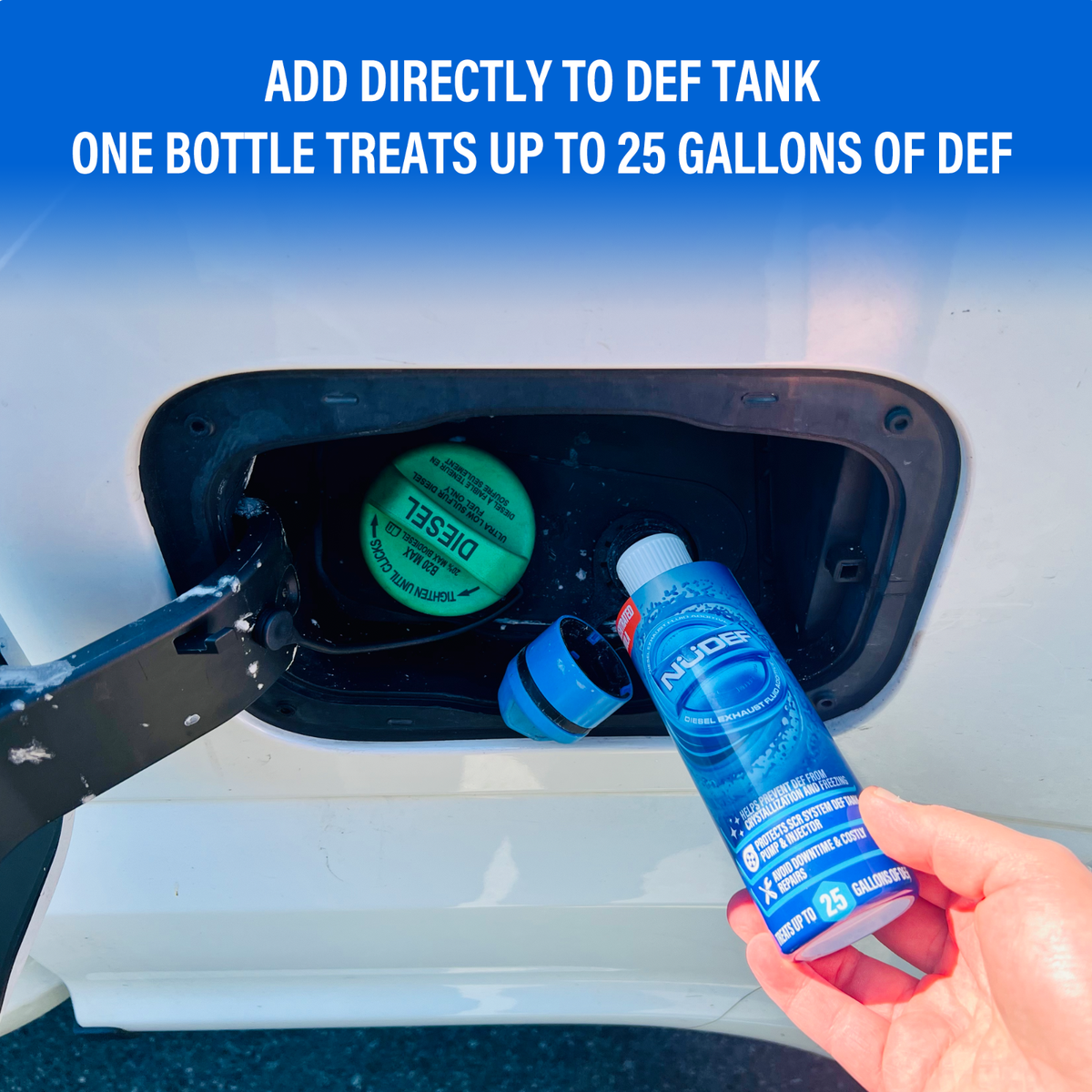
Credit: www.ebay.com
What Is Def Fluid
Understanding DEF fluid is key if you own a modern diesel vehicle. This special liquid plays a crucial role in reducing harmful emissions and keeping your engine running smoothly. But what exactly is DEF fluid, and why does it matter?
Purpose In Vehicles
DEF, or Diesel Exhaust Fluid, is used to cut down on nitrogen oxide (NOx) emissions from diesel engines. NOx gases are harmful pollutants that contribute to smog and respiratory problems.
The fluid helps your vehicle meet strict environmental rules without sacrificing performance. It works by breaking down NOx into harmless nitrogen and water through a process called selective catalytic reduction (SCR).
Without DEF, many diesel engines would produce much more pollution. Have you ever wondered how your diesel truck stays eco-friendly while still delivering power? DEF is the answer.
Chemical Composition
DEF is made of two simple ingredients: 32.5% high-purity urea and 67.5% deionized water. Urea is a nitrogen-based compound that reacts with exhaust gases.
This mixture is non-toxic, colorless, and safe to handle, but it must be kept clean and free from contaminants. Even small impurities can damage the SCR system or reduce DEF’s effectiveness.
Because of its specific chemical balance, DEF freezes at about 12°F (-11°C). This freezing point is important to know if you live in cold climates or store DEF for long periods.
Freezing Point Of Def
Understanding the freezing point of Diesel Exhaust Fluid (DEF) is important for proper storage and use. DEF is a mixture of urea and water that helps reduce pollution from diesel engines. Like many liquids, DEF can freeze under certain conditions. Knowing its freezing temperature helps prevent damage to equipment and ensures it works effectively.
Typical Freezing Temperature
DEF typically freezes at around 12°F (-11°C). This is much higher than water’s freezing point. The urea solution in DEF causes this higher freezing temperature. When frozen, DEF turns solid but can thaw back to liquid without losing quality. Most vehicles with DEF systems have heaters to prevent freezing during cold weather.
Factors Affecting Freezing
Several factors can change the freezing point of DEF. The concentration of urea and water affects when it freezes. Pure DEF freezes at a consistent temperature, but impurities can lower or raise the freezing point. Storage conditions like temperature fluctuations and container type also impact freezing. Properly sealed and stored DEF lasts longer without freezing problems.
Effects Of Freezing Def
Freezing DEF (Diesel Exhaust Fluid) can affect its quality and the vehicle’s operation. DEF is a liquid made of urea and water. It freezes at 12°F (-11°C). Understanding what happens after freezing helps maintain your vehicle’s health and performance.
Impact On Vehicle Performance
Frozen DEF cannot flow through the system properly. The vehicle’s DEF pump may stop working or become less efficient. This leads to reduced injection of DEF into the exhaust system. Without proper DEF, the engine produces more harmful emissions. The vehicle’s emission control system may trigger warning lights. Performance issues like reduced power or increased fuel use can occur.
Potential Damage Risks
Repeated freezing and thawing can change the fluid’s chemical balance. This can cause clogging in the DEF injector or lines. Ice crystals may damage the DEF tank or pump seals. Contaminated DEF can harm the selective catalytic reduction (SCR) system. Repairing these parts can be expensive and time-consuming. Proper storage and handling prevent these risks effectively.
How To Prevent Def Freezing
Preventing DEF (Diesel Exhaust Fluid) from freezing is essential to keep your vehicle running smoothly during cold weather. Understanding practical steps can save you from unexpected downtime and costly repairs. Let’s look at effective ways to keep your DEF fluid in liquid form, even when temperatures drop.
Storage Tips
Store DEF in a cool, dry place, but avoid freezing temperatures below 12°F (-11°C). If you keep extra DEF at home or work, choose insulated containers or a heated storage cabinet.
Keep DEF containers sealed tightly to prevent contamination and evaporation. Contaminated DEF can cause issues beyond freezing, affecting your vehicle’s emissions system.
Have you ever noticed how quickly DEF freezes in a cold garage overnight? Keeping it indoors or in a warm spot can make a big difference.
Using Heated Def Tanks
Many modern vehicles come with heated DEF tanks designed to keep the fluid above freezing point. These tanks use electric heaters or engine heat to maintain proper temperature.
If your vehicle doesn’t have a heated DEF tank, consider aftermarket heaters. They can be installed and connected to your vehicle’s electrical system for consistent warming.
Heated tanks not only prevent freezing but also improve DEF flow and injection efficiency. This means your engine runs cleaner and more reliably in winter.
What To Do If Def Freezes
If you discover that your Diesel Exhaust Fluid (DEF) has frozen, it’s important to act carefully to avoid damaging your vehicle’s system. DEF is sensitive to temperature changes, but it’s designed to freeze at a very low temperature. Understanding the right steps to thaw it safely will keep your vehicle running smoothly without risking costly repairs.
Safe Thawing Methods
Start by moving your vehicle or DEF container to a warmer environment, such as a heated garage or indoors. Avoid using direct heat sources like open flames or high-heat devices, as sudden temperature changes can harm the DEF tank or lines.
You can also use warm air from a hairdryer or heat gun set to low, holding it at a safe distance. This gentle approach helps melt the DEF without overheating the components.
Remember, patience is key. Allow the DEF to thaw slowly and evenly. Rapid thawing can cause expansion and damage the fluid’s integrity or your system’s parts.
When To Seek Professional Help
If thawing the DEF yourself doesn’t work, or if you notice unusual smells, leaks, or warning lights on your dashboard, it’s time to get expert assistance. Professionals have the right tools to safely diagnose and fix any damage caused by freezing.
Also, if your vehicle’s DEF system shows repeated freezing problems, a mechanic can check for insulation issues or recommend system upgrades. Ignoring these signs could lead to costly repairs or poor engine performance.
Have you experienced DEF freezing in extreme weather? Knowing when to act and when to ask for help can save you time and money. What’s your plan if DEF freezes on your next cold day?

Credit: azurechemical.com
Seasonal Maintenance For Def
Seasonal maintenance for Diesel Exhaust Fluid (DEF) is essential to keep your vehicle running smoothly. DEF helps reduce harmful emissions but needs proper care, especially as seasons change. Cold weather can affect DEF’s performance. Taking the right steps prevents problems like freezing and ensures your vehicle meets emission standards.
Checking Fluid Levels
Regularly check the DEF tank level to avoid running low. Most vehicles have a DEF gauge or warning light. Keep the fluid above the minimum level to maintain proper function. Use only high-quality DEF to prevent contamination. Store extra DEF in a cool, dry place away from direct sunlight.
Preparing For Cold Weather
DEF can freeze at low temperatures, usually below 12°F (-11°C). Freezing does not damage DEF but can stop its flow temporarily. Keep your vehicle in a heated garage if possible. Use DEF with antifreeze additives designed for colder climates. Warm up your engine before driving to help thaw frozen DEF quickly.

Credit: totalrevestimentos.com.br
Frequently Asked Questions
Can Def Fluid Freeze In Cold Weather?
Yes, DEF fluid can freeze at temperatures below 12°F (-11°C). It expands when frozen but does not damage the tank or system.
How Long Does Frozen Def Take To Thaw?
Frozen DEF usually thaws within a few hours at room temperature. Avoid heating it rapidly to prevent damage.
Does Frozen Def Affect Vehicle Performance?
Frozen DEF temporarily stops the selective catalytic reduction system. Once thawed, the system resumes normal operation without lasting issues.
Can I Use Antifreeze To Prevent Def Freezing?
No, adding antifreeze to DEF fluid is not recommended. Use only certified DEF to maintain proper function and avoid damage.
Conclusion
DEF fluid can freeze in very cold weather. This can cause engine problems and reduce performance. Keep your DEF tank full to help prevent freezing. Store DEF fluid in a warm place during winter months. Using the right DEF quality also helps avoid freezing issues.
Watch for signs of frozen DEF, like warning lights or engine trouble. Taking simple steps protects your vehicle and keeps it running smoothly. Stay prepared and maintain your DEF fluid properly to avoid cold weather problems.