Imagine waking up on a chilly winter morning, only to discover that your water won’t run. You might be dealing with frozen drain pipes.
It’s a common issue in cold climates, and it can lead to some serious headaches. Have you ever wondered if your own drain pipes might freeze? If so, you’re not alone. Many homeowners face this icy dilemma each winter, and it can cause a cascade of problems if not addressed promptly.
Understanding the risks and knowing how to prevent frozen pipes can save you time, money, and stress. Stay with us as we unravel the mystery behind frozen drain pipes and offer practical solutions to keep your home safe and warm.

Credit: medium.com
Why Drain Pipes Freeze
Drain pipes can freeze during cold weather. This happens when water inside the pipes turns to ice. Frozen pipes cause blockages and may burst, leading to costly damage. Understanding why drain pipes freeze helps protect your home.
How Temperature Affects Pipes
Water freezes at 32°F (0°C). When air temperature drops below this, pipes can freeze. Cold air chills the pipe walls, making the water inside turn solid. Pipes that lose heat quickly are at higher risk. Slow water movement inside pipes also increases freezing chances.
Sudden temperature drops are dangerous. Pipes may not have time to adjust, causing quick freezing. Long exposure to cold makes freezing more likely. Warm indoor temperatures help prevent freezing.
Common Vulnerable Areas
- Pipes in unheated basements or crawl spaces
- Outdoor faucet lines and hose bibs
- Pipes near exterior walls with poor insulation
- Attic pipes exposed to cold air
- Underfloor pipes in cold climates
These areas often lack proper warmth and insulation. Cold winds can lower the temperature around these pipes. Identifying vulnerable spots allows for better protection before winter.

Credit: www.advancedplumbing.ca
Signs Of Frozen Drain Pipes
Frozen drain pipes can cause serious problems if not caught early. Recognizing the signs of frozen pipes helps you act before damage occurs. Watch out for unusual changes in your plumbing that might seem small but signal a bigger issue.
Slow Draining Water
If you notice water draining slower than usual in sinks, bathtubs, or showers, it could mean ice is blocking your drain pipes. Ice buildup restricts water flow, making drainage sluggish or even stopping it completely. Have you experienced water pooling where it normally drains quickly? That’s a red flag worth checking.
Unusual Noises
Strange sounds from your pipes, like banging, clanking, or gurgling, can indicate frozen sections inside. These noises happen because water trapped behind ice tries to move or expand. If your pipes suddenly make noise after a cold snap, investigate immediately to avoid bursts.
Visible Ice Or Frost
Sometimes you can spot frost or ice on pipes, especially in unheated areas like basements or crawl spaces. This visible sign clearly shows freezing is happening. Even a thin layer of frost means the pipes are dangerously cold and could freeze solid soon.
Risks Of Frozen Pipes
Frozen drain pipes pose more than just a temporary inconvenience. They can lead to serious risks that affect your home’s safety and your wallet. Understanding these risks helps you act quickly and avoid bigger problems.
Pipe Bursting And Water Damage
When water inside your pipes freezes, it expands. This expansion puts immense pressure on the pipe walls, often causing them to crack or burst.
Imagine waking up to water flooding your basement because a frozen pipe burst overnight. It’s a nightmare that many homeowners face during harsh winters.
Once a pipe bursts, water can damage walls, floors, and personal belongings. The cleanup process is stressful, time-consuming, and sometimes dangerous due to mold growth.
Cost Implications
Repairing a burst pipe can be expensive. The cost includes fixing the pipe itself and any water damage caused by the leak.
Insurance might cover some damage, but deductibles and limits mean you could still pay thousands out of pocket. Plus, there’s the cost of temporary repairs to prevent further damage.
Think about the money spent on emergency plumbing calls, replacing damaged items, and potential increases in your insurance premiums.
Are you prepared to handle these costs? Taking simple preventive steps now can save you a lot later.
Preventing Frozen Drain Pipes
Frozen drain pipes cause big problems in cold weather. They block water flow and can burst, leading to costly damage. Taking steps to prevent pipes from freezing keeps your home safe and plumbing working well. Use simple, effective ways to protect your pipes during winter months.
Insulating Pipes
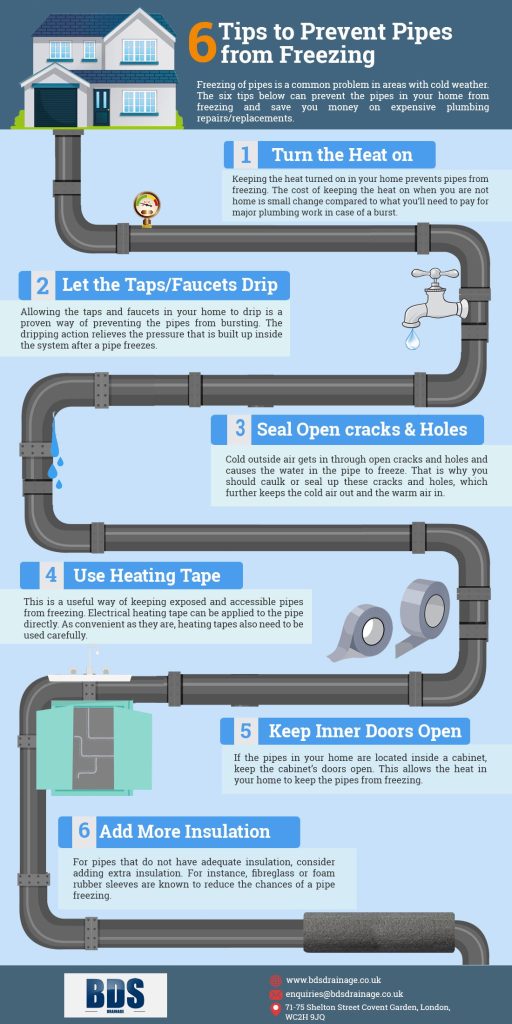
Wrap pipes with foam or fiberglass sleeves. Focus on pipes in cold areas like basements and crawl spaces. Pipe insulation keeps warmth around the pipes and stops cold air from reaching the water inside. It is easy and affordable. Check insulation for damage and replace it each year.
Maintaining Proper Heating
Keep your home heated above freezing, especially near pipes. Use a thermostat and avoid lowering heat too much at night. Warm air helps stop water inside pipes from freezing. Open cabinet doors under sinks to let warm air reach pipes.
Allowing Water To Drip
Let water drip slowly from faucets during very cold nights. Moving water freezes less easily than still water. A small drip keeps water flowing and reduces the chance of frozen pipes. Use this method only when temperatures drop below freezing.
Sealing Drafts And Openings
Check walls, doors, and windows for drafts. Seal cracks and gaps with weatherstripping or caulk. Cold air entering your home makes pipes colder. Closing drafts keeps indoor air warmer and protects pipes. Pay special attention to areas near pipes.
Emergency Steps If Pipes Freeze
Pipes can freeze during cold weather and cause major problems. Acting quickly helps prevent pipe bursts and water damage. Knowing the right emergency steps is vital. This section covers safe ways to thaw pipes and when experts should be called.
Safe Thawing Methods
Start by opening the faucet nearest to the frozen pipe. This relieves pressure and allows water to flow as the ice melts. Use a hairdryer on low heat to warm the pipe gently. Keep the dryer moving to avoid overheating one spot. Wrapping the pipe with warm towels also helps. Avoid using open flames or high heat sources. These can damage pipes and cause fire hazards.
- Turn on faucets to let water drip slowly
- Apply heat evenly with a hairdryer or warm towels
- Keep the area ventilated
- Never use a blowtorch or open flame
When To Call A Professional
Call a plumber if the pipe remains frozen after 30 minutes of safe thawing. Contact experts if you see cracks or leaks in the pipe. Professional help is essential if you smell gas near the frozen pipes. Avoid trying risky repairs yourself, which may worsen damage. A licensed plumber can fix issues safely and prevent future freezes.

Credit: www.pmmag.com
Long-term Maintenance Tips
Keeping your drain pipes safe from freezing isn’t just about quick fixes during cold snaps. Long-term care can save you from costly repairs and unexpected water damage. Simple maintenance steps can keep your plumbing reliable through every winter.
Regular Pipe Inspections
Checking your pipes often helps you catch small problems before they become big ones. Look for cracks, leaks, or areas where insulation might be worn out. Even if your pipes seem fine, a quick inspection during fall can reveal spots at risk of freezing.
Have you noticed unusual sounds or slow drainage? These could be early signs of pipe issues. Making inspections part of your routine ensures you act early, avoiding frozen pipes when temperatures drop.
Upgrading Old Pipes
Older pipes are more likely to freeze because they may have thinner walls or poor insulation. Consider replacing pipes made from materials that don’t handle cold well, like metal pipes prone to corrosion. Switching to modern plastic pipes like PEX can reduce freeze risks.
Think about the age and condition of your plumbing. Upgrading might seem costly upfront, but it prevents expensive repairs later. Have you checked how old your pipes are lately?
Using Heat Tape
Heat tape is a thin, electric heating element you wrap around pipes to keep them warm during winter. It’s especially useful for pipes in unheated spaces like basements or crawl spaces. Installation is straightforward and can be a lifesaver on freezing nights.
Remember to follow the manufacturer’s instructions carefully to avoid fire risks. Would you consider heat tape as a simple, effective way to protect your pipes this winter?
Frequently Asked Questions
Can Drain Pipes Freeze In Winter?
Yes, drain pipes can freeze when temperatures drop below freezing. Frozen pipes block water flow and may cause bursts if pressure builds.
What Causes Drain Pipes To Freeze?
Drain pipes freeze due to exposure to cold air, poor insulation, or infrequent water use. Lack of heat increases freezing risk.
How To Prevent Drain Pipes From Freezing?
Insulate pipes, keep water dripping, and seal leaks near pipes. Maintain indoor heat to protect drain pipes from freezing.
What Are Signs Of Frozen Drain Pipes?
Slow drainage, strange noises, or no water flow indicate frozen pipes. Ice blockage causes these symptoms during cold weather.
Conclusion
Drain pipes can freeze in cold weather and cause problems. Frozen pipes may block water flow or even burst. Taking steps to keep pipes warm helps avoid damage. Insulating pipes and letting faucets drip can prevent freezing. Knowing how to spot frozen pipes early saves time and money.
Stay alert during winter to protect your home’s plumbing. Simple actions make a big difference in cold months. Keep pipes safe, and avoid costly repairs later.