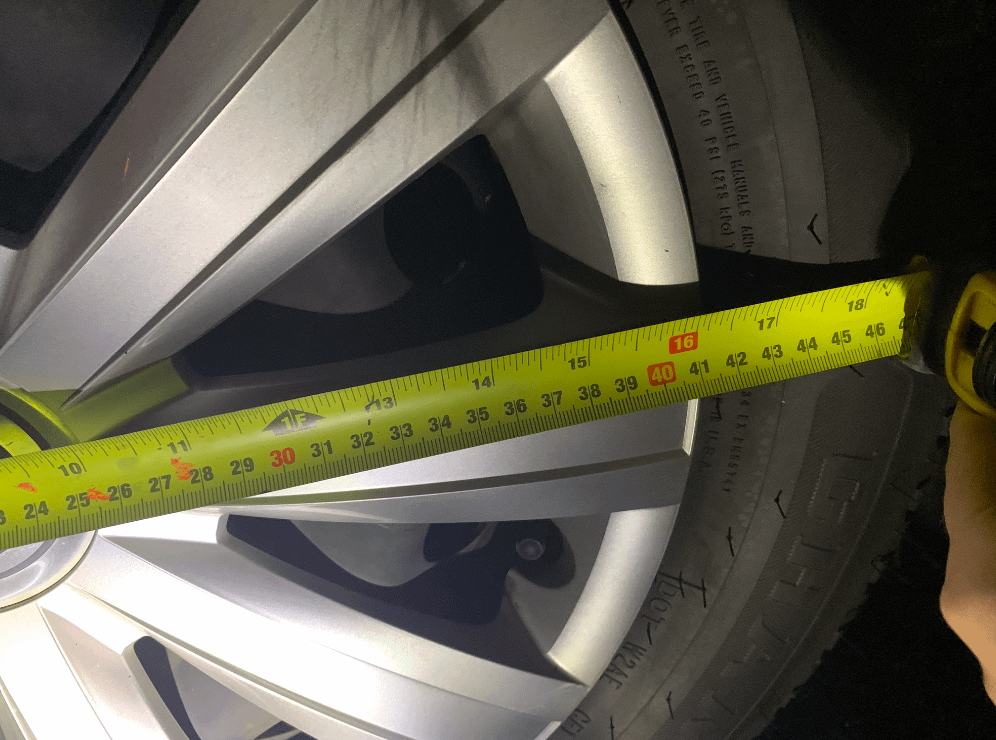
Have you ever wondered if you can put a different size tire on your car? Maybe you’re thinking about upgrading your look, saving money, or improving performance.
But before you make a change, it’s important to know how tire size affects your car’s safety and handling. This article will help you understand what happens when you use tires that don’t match the factory size. By the end, you’ll feel confident making the right choice for your vehicle and your drive.
Keep reading to find out what you need to know!

Credit: carfromjapan.com
Tire Size Basics
Tires come in many sizes. Each size affects how your car drives and handles. Understanding tire sizes helps you choose the right tires.
This guide explains how to read tire measurements and how size changes impact performance.
Decoding Tire Measurements
Tire size has numbers and letters. These show the width, height, and wheel size.
- Width:The first number shows the tire width in millimeters.
- Aspect Ratio:This number is the height of the sidewall as a percentage of the width.
- Construction:A letter like “R” means radial construction.
- Wheel Diameter:The last number is the wheel size in inches.
How Tire Size Affects Performance
Changing tire size changes how your car drives. Different sizes affect speed, handling, and comfort.
| Size Change | Effect on Performance |
| Wider Tires | Better grip but can reduce fuel economy. |
| Taller Tires | Higher speedometer reading and less acceleration. |
| Smaller Tires | Faster acceleration but lower top speed. |
| Narrower Tires | Less grip but improved fuel economy. |
Mixing Tire Sizes
Using different tire sizes on your car is a question many drivers ask. It is important to know if mixing tire sizes is safe and how it affects your vehicle.
Not all cars can handle different tire sizes. This guide explains common practices, exceptions, and safety concerns.
Common Practices And Exceptions
Most cars use the same tire size on all wheels. This keeps balance and control easy. Some cars, like sports cars, have different sizes front and back.
Mixing tire sizes is okay if the car maker allows it. Always check the owner’s manual. Some trucks and SUVs also use different sizes for better grip or load capacity.
- Sports cars often have wider rear tires for better traction
- Trucks may have larger tires on the rear for heavy loads
- Using sizes not recommended can cause damage or poor performance
Impact On Handling And Safety
Different tire sizes can change how your car handles. It may cause uneven braking or steering problems. This can make driving unsafe.
Mixing sizes can also affect systems like ABS and traction control. These systems rely on matching tire sizes to work correctly.
- Uneven tire sizes can cause poor handling on curves
- Mismatched tires may wear out faster
- ABS and traction control may not work properly
- Safety risks increase if tires do not match car specs
Manufacturer Recommendations
Car manufacturers design tires to fit specific models. They set tire size rules for safety and performance. Using the right size tire helps your car work as it should.
Changing tire size without checking the rules can cause problems. It is best to follow the manufacturer’s advice on tire size.
Why Following Specs Matters
Tire size affects your car’s handling, speed, and fuel use. The manufacturer picks sizes that keep these factors balanced.
Using the right tire size helps keep your brakes and suspension working well. It also makes sure your speedometer shows the correct speed.
- Correct tire size ensures good grip and control
- Helps maintain accurate speed and mileage readings
- Protects important car parts from damage
- Improves fuel efficiency and ride comfort
Risks Of Ignoring Guidelines
Ignoring tire size rules can cause serious problems. You may lose control of the car or damage its parts.
Wrong tire size can lead to faster tire wear and poor fuel economy. It might also cause your car to fail inspections or void warranties.
- Increased risk of accidents due to poor handling
- Damage to brakes, suspension, or wheel parts
- Speedometer and odometer show wrong readings
- Higher fuel costs and uneven tire wear
- Possible insurance and warranty issues

Credit: www.ml-vehicle.com
Legal And Warranty Considerations
Changing your car’s tire size can affect safety and compliance. It is important to know the legal rules and warranty impacts.
Before installing different size tires, learn about regulations and how this change might affect your vehicle’s warranty.
Regulations On Tire Modifications
Laws about tire size changes differ by location. Many places require that tires meet specific standards.
- Tires must match the vehicle manufacturer’s specifications or be approved alternatives.
- Using incorrect tire sizes can cause your car to fail safety inspections.
- Some states require tire size changes to be reported to the DMV or similar agency.
- Incorrect tire sizes may affect your vehicle’s speedometer and odometer accuracy.
Effect On Vehicle Warranty
Changing tire size can impact your car’s warranty. Manufacturers expect you to follow their guidelines.
| Warranty Aspect | Impact of Different Tire Size |
| Coverage on Suspension | May be voided if tires cause damage |
| Brakes and Safety Systems | Warranty might not cover failures linked to tire size |
| Engine and Transmission | Altered tire size can affect performance, risking warranty claims |
| Manufacturer Support | Some brands require original tire sizes for full coverage |
When Different Sizes Make Sense
Using different size tires on your car can be helpful in some cases. It is not always best to have the same size tires on all wheels. Some situations need different sizes for better results.
Knowing when to use different tire sizes helps you improve your car’s performance or safety. It also helps you adapt to weather or road conditions.
Performance And Off-road Scenarios
Different tire sizes can improve how your car drives on rough roads or in sports driving. Larger tires in the back give better traction for fast cars. Smaller tires in front help with steering and control.
For off-road driving, bigger tires help your car climb rocks and go through mud. Using a mix of sizes lets you balance grip, speed, and comfort for tough conditions.
- Wider rear tires give better grip during fast starts
- Smaller front tires improve steering response
- Larger tires help clear obstacles off-road
- Different sizes can reduce tire wear in rough terrain
Seasonal Tire Strategies
People often use different tire sizes for winter and summer seasons. Winter tires may be narrower to cut through snow better. Summer tires are often wider for more road contact and grip.
Using different sizes for each season can improve safety and tire life. It helps your car handle well in snow or rain without losing control on dry roads.
- Narrower tires help with snow and ice traction
- Wider tires give better grip on dry and wet roads
- Changing sizes can fit special winter wheels
- Seasonal tire swaps improve vehicle handling all year
Installation And Maintenance Tips
Using different size tires on your car needs careful work. Proper installation and regular care keep your car safe.
This guide explains how to install and maintain tires of different sizes on your vehicle.
Balancing And Alignment Importance
When you install tires of different sizes, balancing is very important. It helps the wheels spin smoothly and stops vibrations.
Wheel alignment adjusts the angles of tires. Proper alignment stops uneven tire wear and improves handling.
- Get tires balanced after installation
- Check alignment if the car pulls to one side
- Misalignment can cause steering problems
- Regular alignment keeps tires lasting longer
Monitoring Tire Wear
Tires of different sizes may wear unevenly. Watch the tread depth regularly to spot problems early.
Look for signs like cracks, bald spots, or uneven wear. These can affect your car’s safety and performance.
- Check tread depth every 1,000 miles
- Rotate tires to balance wear
- Replace tires if tread is too low
- Keep tires inflated to correct pressure

Credit: carfromjapan.com
Frequently Asked Questions
Can Different Tire Sizes Affect Car Performance?
Yes, using different tire sizes can impact your car’s performance. It can alter handling, fuel efficiency, and speedometer accuracy. Larger tires may enhance grip but can reduce fuel efficiency. Smaller tires can improve acceleration but may compromise grip. Always consult your vehicle’s manual or a professional before changing tire sizes.
Is It Safe To Use Different Size Tires?
Using different size tires can be safe if done properly. Ensure compatibility with your vehicle’s specifications. Mismatched tires can affect handling and safety. Always seek professional advice before changing tire sizes to ensure safety and optimal performance.
How Do Tire Sizes Impact Fuel Efficiency?
Tire sizes significantly affect fuel efficiency. Larger tires increase rolling resistance, reducing fuel efficiency. Smaller tires may improve fuel efficiency but can compromise handling. Choose tires that align with your vehicle’s specifications for optimal fuel performance.
Will Different Tires Affect My Speedometer?
Yes, different tire sizes can affect your speedometer reading. Larger tires can cause the speedometer to under-read your speed. Smaller tires might result in over-reading. It’s crucial to recalibrate the speedometer when changing tire sizes for accurate readings.
Conclusion
Choosing a different tire size can affect your car’s safety and performance. Small changes might work, but big differences can cause problems. Always check your vehicle’s manual or ask a tire expert first. Proper tire size keeps your car balanced and your drive smooth.
Remember, the right tires help you stay safe on the road. Think carefully before making any changes. Your car deserves the best fit for tires.