Have you ever found yourself staring at your dishwasher, wondering why it’s not draining properly? You’re not alone.
Many people face this frustrating issue and often wonder if a quick fix like Drano could be the solution. Before you pour that bottle down your dishwasher, it’s crucial to know whether this common drain cleaner is safe and effective for such a task.
We’ll delve into the do’s and don’ts of using Drano in your dishwasher. We aim to clear up any confusion and offer practical advice, ensuring you make an informed decision. Stick around to discover the best practices for maintaining a smoothly running dishwasher, and keep your kitchen free from unexpected plumbing disasters.
Drano And Its Common Uses
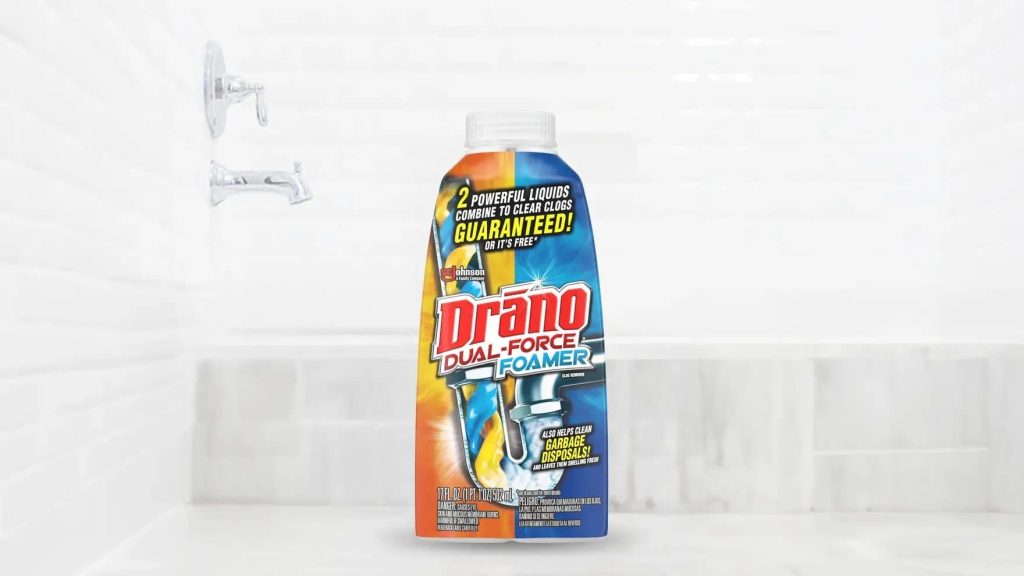
Drano is a popular household product known for tackling clogged drains quickly and effectively. Many people wonder if its powerful formula can be used beyond sinks and tubs—such as in dishwashers. To understand whether Drano fits your dishwasher maintenance, it helps to know what it is made of and how it’s commonly used in plumbing.
What Is Drano Made Of
Drano’s main ingredients include chemicals like sodium hydroxide (lye), sodium hypochlorite, and aluminum shards. These components work together to break down organic matter like hair, grease, and food particles. The chemical reaction generates heat, which helps dissolve blockages faster.
Because of this strong formula, Drano is highly effective at clearing tough clogs. But it also means it can be corrosive and harsh on certain materials. This raises the question: is it safe for the more delicate parts of a dishwasher?
Typical Applications In Plumbing
Drano is designed primarily for household drains such as sinks, bathtubs, and showers. It’s used to clear slow or clogged drains by dissolving hair, soap scum, and grease buildup. Plumbers often recommend it as a quick fix before resorting to mechanical methods like snaking.
- Kitchen sinks clogged with food scraps
- Bathroom drains blocked by hair and soap
- Floor drains that accumulate grease or debris
However, Drano is not suitable for all pipes or appliances. Using it in toilets or on plastic pipes can cause damage. This is why understanding its intended use is key before applying it in less common areas like dishwashers.
Dishwasher Drain Issues
Dishwasher drain issues can disrupt your kitchen routine more than you expect. A clogged or slow-draining dishwasher not only affects cleaning performance but might also cause water to back up or leak. Understanding the root of these problems helps you decide the safest way to fix them—and whether products like Drano are a good idea for your appliance.
Common Causes Of Clogs
Food particles, grease, and soap scum often build up inside your dishwasher’s drain hose or filter. Over time, these materials create blockages that slow down or stop water flow. Small objects like broken glass or bits of plastic can also get trapped and cause clogs.
Another cause is a kinked or improperly installed drain hose. This restricts water movement and can make it seem like the dishwasher is clogged when the hose itself is the issue. Sometimes, the problem lies in the garbage disposal if your dishwasher drains into it—clogs there can back up into the dishwasher.
Signs Of Drain Problems
Is your dishwasher water pooling at the bottom after a cycle? That’s a clear sign of a drain problem. You might also notice your dishes coming out dirty or spotted because dirty water isn’t draining away properly.
Another sign is unusual noises during draining, like gurgling or sputtering sounds. Foul odors coming from the dishwasher can indicate trapped food debris causing a clog. Have you ever opened your dishwasher to find water leaking onto the floor? That often points to drainage issues needing immediate attention.
Risks Of Using Drano In Dishwashers
Using Drano in your dishwasher might seem like a quick fix for a clogged drain, but it carries significant risks that you need to consider. The harsh chemicals in Drano are not designed for the delicate parts inside dishwashers. Understanding these risks can save you from costly repairs and health issues.
Chemical Damage To Dishwasher Parts
Drano contains strong chemicals like sodium hydroxide that can erode the rubber seals and plastic components inside your dishwasher. Once these parts are damaged, leaks and malfunctions become common. Have you ever noticed a strange smell or leaking water after using a harsh cleaner? That could be a sign of chemical damage.
Moreover, the intense reaction of Drano can corrode metal parts, including the heating element and spray arms. This corrosion shortens the lifespan of your appliance. Is it worth risking your dishwasher’s durability for a quick unclog?
Potential Health Hazards
Drano’s chemicals are highly toxic and can linger inside your dishwasher after use. This residue might contaminate your dishes, posing a risk to your health every time you eat from them. Imagine unknowingly ingesting these harmful substances during your meal—that’s a risk you don’t want to take.
Additionally, mixing Drano with dishwasher detergent or other cleaning agents can create dangerous chemical reactions. These reactions can release toxic fumes, which are harmful to breathe in, especially in enclosed kitchen spaces. How safe do you feel using your dishwasher if toxic fumes could be present?

Credit: www.drano.com
Safe Alternatives For Dishwasher Cleaning
Using harsh chemicals like Drano in your dishwasher can damage the machine and affect your dishes. Safe alternatives clean effectively without risk. They help maintain your dishwasher’s performance and keep it fresh.
Natural Cleaning Solutions
Natural ingredients work well for cleaning dishwashers. White vinegar removes grease and odors. Baking soda helps scrub away stains and buildup.
- Pour one cup of white vinegar into the bottom of the dishwasher.
- Run a hot water cycle without dishes inside.
- Sprinkle a cup of baking soda on the dishwasher floor.
- Run a short hot water cycle to freshen and deodorize.
Lemon juice can also help with fresh scents and mild cleaning power. These options are safe for both your machine and the environment.
Commercial Dishwasher Cleaners
Many brands make cleaners specifically for dishwashers. These products target grease, limescale, and food residue.
- Choose a cleaner made for dishwashers only.
- Follow the instructions on the package carefully.
- Run the cleaner during an empty cycle for best results.
These cleaners protect your dishwasher’s parts and keep it running smoothly. They are tested to be safe and effective.
Preventing Dishwasher Clogs
Dishwasher clogs cause poor cleaning and slow drainage. Preventing these blockages saves time and money. Simple habits keep your dishwasher running smoothly. Small efforts stop food, grease, and debris buildup.
Regular Maintenance Tips
Clean the filter every few weeks. Remove leftover food particles to avoid clogs. Check the spray arms for blockages. Clear any debris from the drain area.
Run a cleaning cycle with dishwasher cleaner monthly. Avoid harsh chemicals that can damage parts. Wipe door seals to prevent mold and grime. Inspect hoses for cracks or leaks regularly.
Proper Use And Loading
Scrape dishes before loading to reduce food waste inside. Avoid overloading; water must reach all surfaces. Place large items at the sides to allow water flow. Use the right detergent amount to prevent residue buildup.
Do not put grease or oil down the drain. Use a garbage disposal for heavy food scraps first. Choose shorter wash cycles for lightly soiled dishes. These habits help keep pipes and filters clear.

Credit: drano.com

Credit: drano.com
Frequently Asked Questions
Can Drano Safely Clean A Dishwasher Drain?
No, Drano is not safe for dishwasher drains. It contains harsh chemicals that can damage dishwasher parts and seals, leading to costly repairs. Use dishwasher-safe cleaners designed specifically for this appliance to avoid damage and ensure effective cleaning.
What Happens If Drano Is Used In A Dishwasher?
Using Drano in a dishwasher can cause chemical damage to hoses and seals. It may also leave harmful residues on dishes. Drano is intended for household drains, not appliances. Avoid using it to prevent appliance malfunction and health risks.
Are There Dishwasher-safe Alternatives To Drano?
Yes, several dishwasher-safe drain cleaners exist. Look for enzyme-based or mild solutions designed for dishwashers. These products safely break down food residue without damaging the appliance or leaving harmful chemicals behind.
How To Unclog A Dishwasher Drain Without Drano?
To unclog a dishwasher drain, remove and clean the filter regularly. Use baking soda and vinegar to break down minor clogs safely. Consult your dishwasher’s manual for proper maintenance tips and avoid harsh chemicals like Drano.
Conclusion
Drano is not safe for dishwasher use. It can damage parts and leave harmful residue. Instead, use products made for dishwashers. Regular cleaning keeps your dishwasher working well. Clogs should be cleared with gentle methods. Protect your appliance and avoid risks.
Choose safe options to keep dishes clean. Your dishwasher will last longer that way. Simple care prevents bigger problems later. Always read labels before using any cleaner. Safety first for your kitchen and family.