Have you ever wondered if Freon can actually freeze? If you’ve noticed your air conditioner acting up or your refrigerator not cooling properly, this question might be on your mind.
Understanding whether Freon can freeze is key to spotting problems early and keeping your cooling systems running smoothly. You’ll discover how Freon behaves under different conditions and what it means for your appliances. Keep reading—you might find the answer that saves you from costly repairs.

Credit: www.reddit.com
What Is Freon?
Freon is a common name for a group of chemicals called refrigerants. These chemicals help cool air and liquids in machines like air conditioners and refrigerators. Freon works by changing from liquid to gas and back, moving heat away from the space that needs cooling.
Common Types Of Freon
- R-22: Used in older air conditioning units.
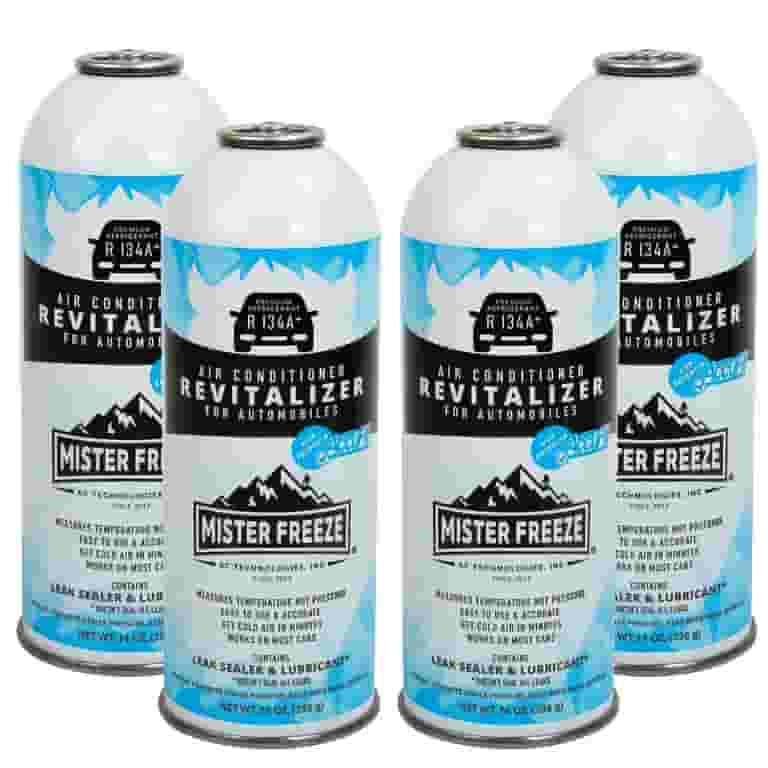
- R-134a: Found in car air conditioners and refrigerators.
- R-410A: A newer, eco-friendlier refrigerant for home cooling systems.
- R-12: An older type, mostly replaced due to environmental concerns.
Uses In Cooling Systems
Freon circulates inside cooling systems to absorb heat. It changes from liquid to gas inside the evaporator coil. This process removes heat from the air, making the space cooler.
After absorbing heat, Freon moves to the condenser coil. It releases heat outside and turns back into liquid. This cycle repeats to keep spaces cool and comfortable.

Credit: www.youtube.com
Freon’s Physical Properties
Freon’s physical properties define its behavior in cooling systems. Understanding these traits helps explain if Freon can freeze or not. These properties include its chemical makeup and temperature thresholds for boiling and freezing.
Chemical Composition
Freon is a trade name for a group of chemicals called chlorofluorocarbons (CFCs) or hydrofluorocarbons (HFCs). They contain chlorine, fluorine, and carbon atoms. This mix makes Freon stable and non-flammable. Its chemical structure allows it to change states easily, which is key for refrigeration.
Boiling And Freezing Points
Freon has low boiling and freezing points. These points vary depending on the Freon type. For example:
- R-22 boils at -40.8°C (-41.4°F) and freezes at -160°C (-256°F).
- R-134a boils at -26.3°C (-15.3°F) and freezes at -103.3°C (-153.9°F).
These low points mean Freon stays liquid under normal refrigeration conditions. It only freezes at very low temperatures, far below typical operating ranges. This property ensures Freon works efficiently without freezing inside the system.
Can Freon Actually Freeze?
Can Freon actually freeze? This question might catch you off guard, especially if you’re familiar with Freon as a refrigerant. Freon is essential in air conditioning and refrigeration systems, and its primary role is to absorb heat and cool the environment. However, is it possible for this cooling agent to freeze under certain conditions?
Freezing Point Of Different Freon Types
Freon is a brand name for a class of chemicals known as chlorofluorocarbons (CFCs) and hydrochlorofluorocarbons (HCFCs). These chemicals vary in composition, leading to different freezing points. For example, R-12, a common type of Freon, has a freezing point of approximately -158°F (-105°C). R-22, another popular variant, freezes around -256°F (-160°C). So, unless you’re living in extreme conditions, the chances of Freon freezing in your system are quite slim.
Conditions Required For Freezing
For Freon to freeze, you’d need conditions that are rarely encountered in everyday scenarios. The temperatures would need to drop far below what typical household or commercial systems can produce. However, unusual circumstances, such as a malfunctioning cooling system, could potentially create localized areas of extremely low temperatures. So, if your system isn’t functioning correctly, it’s crucial to check if there might be an issue causing such extreme conditions.
Have you ever experienced a situation where your cooling system wasn’t working as expected? It might not have been due to Freon freezing, but understanding these principles can help you troubleshoot issues more effectively. Keep an eye on your system’s performance and consult a professional if you suspect any anomalies.
Effects Of Freon Freezing In Systems
Freon freezing inside refrigeration or air conditioning systems can cause serious disruptions. When Freon freezes, it changes from a gas or liquid into a solid, which blocks the flow of refrigerant. This interruption affects the whole cooling process and can lead to bigger problems within your system.
Impact On Refrigeration Efficiency
When Freon freezes, it creates a blockage that stops the refrigerant from circulating properly. This means your system struggles to absorb and release heat effectively, reducing its cooling power. You might notice your fridge or AC running longer but not reaching the desired temperature.
Have you ever wondered why your system suddenly seems less efficient? A frozen Freon line could be the culprit. It forces the compressor to work harder, which increases energy use and raises your electricity bills.
Potential Damage To Equipment
Frozen Freon can cause pressure imbalances that put stress on key components like compressors and valves. These parts may wear out faster or even break down completely. Repairing or replacing equipment can be costly and time-consuming.
Ignoring early signs of Freon freezing might lead to a sudden system failure. Small ice buildups can quickly escalate, causing leaks or cracks in pipes and coils. Would you rather catch the issue early or face expensive repairs later?
Preventing Freon From Freezing
Preventing Freon from freezing is key to keeping cooling systems running smoothly. Frozen Freon can cause damage and reduce efficiency. Taking simple steps helps avoid costly repairs and system downtime.
Proper System Maintenance
Regular maintenance keeps the Freon flowing correctly. Clean filters and coils improve airflow, preventing frost build-up. Check for leaks to maintain the right refrigerant level. A well-maintained system stops pressure drops that cause freezing.
- Replace air filters every 1-3 months
- Clean evaporator and condenser coils yearly
- Inspect refrigerant lines for leaks
- Schedule professional system check-ups twice a year
Temperature Controls And Monitoring
Setting the right temperature controls avoids Freon freezing. Avoid very low thermostat settings that strain the system. Use a thermostat with a built-in defrost cycle if possible. Monitor system pressure and temperature regularly to catch issues early.
- Keep thermostat settings within manufacturer’s range
- Use temperature sensors to track system status
- Install pressure gauges to monitor refrigerant levels
- Act quickly on abnormal temperature or pressure readings
Myths And Facts About Freon Freezing
Freon is a common refrigerant used in cooling systems. Many people wonder if it can freeze inside these systems. Several myths surround this topic, creating confusion. Understanding the truth about Freon freezing helps maintain and troubleshoot air conditioners effectively.
Common Misconceptions
- Freon freezes like water in cold temperatures.
- Low temperatures in air conditioners mean Freon is frozen.
- Frozen Freon causes the cooling system to stop working.
- Only Freon can freeze inside AC units.
These ideas are widespread but mostly incorrect. Freon is a gas or liquid under pressure and does not freeze under normal AC conditions.
Scientific Evidence
Freon has a very low freezing point, much lower than water. It remains liquid or gas at temperatures inside most air conditioners. Freezing would require temperatures far below what typical systems reach.
What often looks like frozen Freon is actually ice forming on coils. This ice happens due to moisture or low airflow, not because of Freon freezing. Proper system maintenance prevents ice buildup and ensures good cooling performance.
Alternatives To Freon With Lower Freezing Risks
Freon is a common refrigerant but it has a risk of freezing in some systems. Many alternatives exist with lower chances of freezing. These options also offer environmental benefits and efficient cooling. Choosing the right refrigerant helps avoid system issues and improves safety.
Eco-friendly Refrigerants
Many eco-friendly refrigerants have lower freezing points than Freon. These include hydrofluoroolefins (HFOs) and natural refrigerants like propane and carbon dioxide. They reduce environmental impact and lower the risk of freezing in cooling systems.
- HFOs have low global warming potential (GWP).
- Propane is biodegradable and non-toxic.
- Carbon dioxide works well under high pressure.
These refrigerants are gaining popularity in new HVAC designs. They offer safer options for homes and businesses.
Performance Comparisons
| Refrigerant | Freezing Risk | Environmental Impact | Cooling Efficiency |
|---|---|---|---|
| Freon (R-22) | Moderate | High GWP, ozone depletion | Good |
| HFO-1234yf | Low | Very low GWP | Excellent |
| Propane (R-290) | Low | Minimal environmental harm | High |
| CO2(R-744) | Very Low | Non-toxic, no ozone impact | Variable |
These alternatives balance safety and performance well. They help reduce freezing problems and environmental damage.

Credit: www.youtube.com
Frequently Asked Questions
Can Freon Freeze Inside An Air Conditioner?
Yes, Freon can freeze inside an AC unit if the pressure drops too low. This causes ice buildup on coils, reducing efficiency and airflow.
What Causes Freon To Freeze In Hvac Systems?
Low refrigerant levels, dirty filters, or blocked airflow often cause Freon to freeze. These issues lower pressure and temperature, leading to ice formation.
How To Prevent Freon From Freezing In Ac Units?
Regular maintenance, cleaning filters, and checking refrigerant levels help prevent Freon freezing. Proper airflow and timely repairs keep the system running smoothly.
Is Frozen Freon Harmful To Air Conditioner Components?
Yes, frozen Freon can damage compressor and coils. It causes strain, reduces performance, and may lead to costly repairs if not addressed promptly.
Conclusion
Freon can freeze under very low temperatures and high pressure. This freezing affects cooling systems and causes them to stop working. Knowing this helps in maintaining air conditioners and refrigerators. Regular checks can prevent Freon from freezing and damaging the system.
Understanding this problem saves money and avoids repairs. Always keep your cooling units clean and well-serviced. A small issue with Freon can lead to bigger problems. Stay aware and act quickly to keep systems running smoothly.