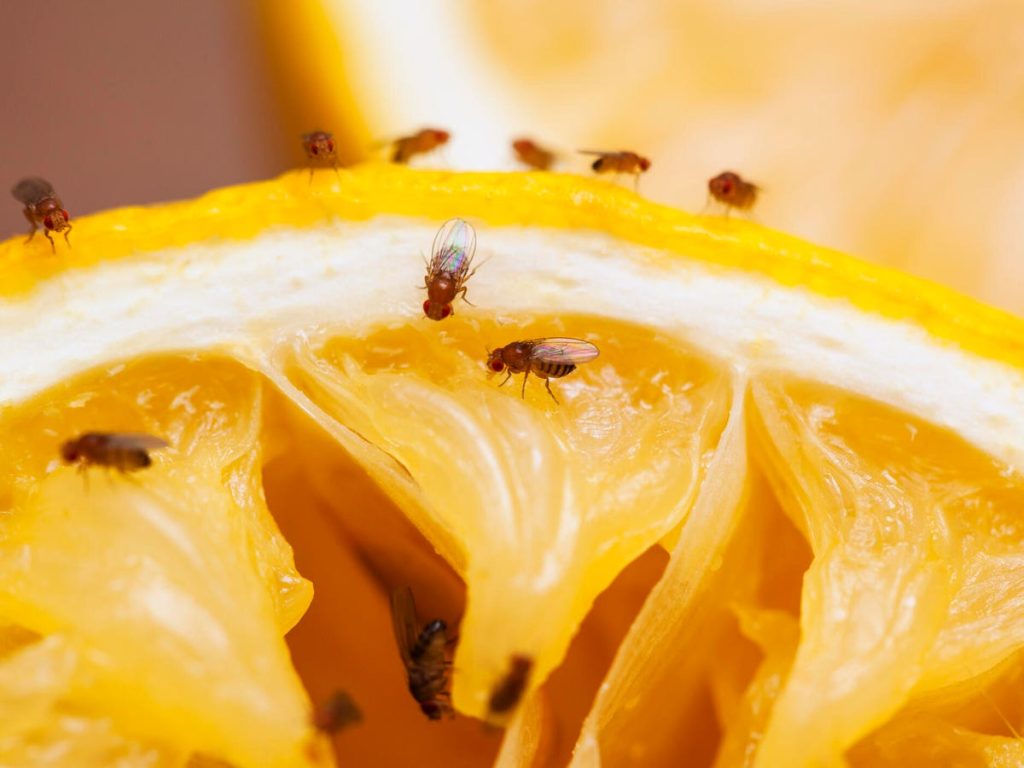
Have you ever opened your fridge and spotted tiny fruit flies buzzing around? It’s frustrating and a bit unsettling, right?
You might wonder if these pests can actually live inside your refrigerator or if they’re just passing through. Understanding how fruit flies behave in cold environments can help you keep your kitchen clean and your food safe. You’ll discover the truth about fruit flies in the fridge and learn simple steps to keep them away for good.
Keep reading—you won’t want to miss these easy tips!

Credit: www.wbal.com
Fruit Fly Behavior
Fruit flies are tiny insects often found around ripe or decaying fruits. Their behavior is closely linked to their need for food and breeding spots. Understanding how fruit flies behave helps explain whether they can survive in cool places like refrigerators.
Life Cycle Basics
Fruit flies go through four stages: egg, larva, pupa, and adult. The entire cycle can take just one to two weeks. Females lay eggs on moist, fermenting fruit or organic matter. Larvae feed on the food before turning into pupae. Adults emerge ready to find food and mates quickly. This fast life cycle causes fruit fly populations to grow rapidly.
Preferred Habitats
Fruit flies like warm, moist places with fermenting or rotting fruits and vegetables. They also live near garbage bins, drains, or spilled liquids. These environments provide food and breeding spots. Dry and cold places are less attractive to fruit flies. They rarely thrive where food is scarce or conditions are harsh.
Temperature Effects
Fruit flies prefer temperatures between 70°F and 80°F (21°C to 27°C). Cooler temperatures slow their metabolism and development. In refrigerators, temperatures are usually below 40°F (4°C). Such cold conditions make fruit flies inactive and unable to reproduce. They may survive briefly but cannot live or breed long in the fridge.
Refrigerator Environment
Understanding the refrigerator environment is crucial when figuring out if fruit flies can survive there. Your fridge isn’t just a cold box; it has specific conditions that affect how insects behave. Let’s break down what makes this environment unique and how it influences the presence of fruit flies.
Temperature Range Inside
Most refrigerators keep temperatures between 35°F and 38°F (1.6°C to 3.3°C). This range is great for preserving food but too cold for fruit flies to thrive.
Fruit flies prefer warmer spots, usually above 70°F (21°C). At refrigerator temperatures, their development slows down drastically, and they struggle to survive.
However, if you have a warmer section in your fridge, like the door shelves, it might provide a slightly better environment for them. Have you noticed fruit flies lingering near your fridge door?
Humidity Levels
Refrigerators maintain moderate to high humidity to keep fruits and vegetables fresh. This moisture level can be a double-edged sword.
While fruit flies need humidity to survive, the cold temperature inside the fridge usually offsets this benefit. Moisture alone won’t support their life cycle if it’s too cold.
Still, standing water or spills inside the fridge can create tiny pockets of favorable conditions for fruit flies. Have you ever found a damp spot hidden behind containers?
Food Availability
Fruit flies are attracted to fermenting and decaying organic matter. Your refrigerator contains fresh fruits and leftovers, which might seem like a perfect food source.
But cold temperatures slow down the fermentation process, making the food less attractive to fruit flies. They prefer rotting fruit at room temperature, not chilled items.
If you leave food uncovered or store overripe fruit in the fridge, it might still attract some flies. Are you careful about sealing your food tightly to block their access?
Fruit Flies In Cold Conditions
Fruit flies face tough challenges in cold environments like refrigerators. These tiny insects prefer warm, moist places for living and breeding. Cold temperatures slow down their body functions and can affect their survival. Understanding how fruit flies behave in cold conditions helps explain if they can live in your fridge.
Survival Chances
Fruit flies can survive short times in cold but not long. The cold slows their metabolism and weakens them. If the temperature is very low, many fruit flies die. Some might enter a state of dormancy to wait for warmth. However, extended cold exposure usually kills most fruit flies.
Activity Levels
Cold temperatures reduce fruit flies’ activity. They move very slowly or stay still. Their ability to find food or fly decreases. In the fridge, fruit flies often become inactive. They wait for warmer conditions to become active again. Low activity helps them conserve energy but stops feeding and flying.
Reproduction Possibility
Fruit flies need warmth to reproduce. Cold conditions stop egg laying and larva growth. In refrigerators, reproduction is almost impossible. Eggs and larvae do not develop well in cold. Warm temperatures above 60°F are best for breeding. Cold storage prevents fruit flies from multiplying effectively.
Common Myths About Fruit Flies And Refrigerators
Fruit flies and refrigerators often spark a lot of confusion. You might wonder if these tiny pests can survive the cold or even multiply inside your fridge. Let’s clear up some common myths that might be causing unnecessary worry.
Can They Breed Inside?
Many people believe fruit flies can lay eggs and breed inside the fridge. Actually, the cold temperature makes it very unlikely for fruit flies to reproduce there. They prefer warm, moist environments with fermenting fruits or vegetables, which your refrigerator rarely offers.
Still, if you leave spoiled fruit uncovered inside the fridge, it could attract fruit flies. But breeding inside the fridge itself? That’s not something you need to stress about.
Do They Die Quickly?
You might assume that fruit flies die instantly when placed in the fridge. In reality, cold temperatures slow down their activity and metabolism but don’t kill them right away. They can survive for a while, waiting for warmer conditions.
This means you could find fruit flies lingering near the fridge door or in warmer spots inside. So, just because the fridge is cold doesn’t guarantee an immediate end for these pests.
How Do They Enter?
Fruit flies don’t magically appear inside your refrigerator. They usually hitch a ride on fresh produce, especially if it’s overripe or damaged. Once you bring those fruits or vegetables home, the flies can find their way inside the fridge.
Sometimes, they slip in when you open the fridge door. It’s easy to overlook how small and sneaky they are. Keeping your produce sealed and checking for signs of spoilage can help keep fruit flies out.
Preventing Fruit Flies In The Kitchen
Fruit flies can be a persistent nuisance in any kitchen. Preventing them requires attention to small details that often go unnoticed. You might be surprised how simple changes in your daily routine can keep these pests away.
Proper Food Storage
Fruit flies are drawn to ripened or fermenting fruits and vegetables. Store produce in the fridge or sealed containers to cut off their food source. Even a single overripe banana left on the counter can invite a swarm.
Think about how you handle leftovers and opened packages. Using airtight containers not only preserves freshness but also keeps fruit flies from gaining access. Have you checked if your produce bags have tiny holes? Switching to resealable bags can make a big difference.
Cleaning Tips
Fruit flies thrive in places where food residue is left behind. Regularly wipe down countertops, sinks, and trash cans to remove any sticky spots or crumbs. Don’t forget to clean under appliances where spills can go unnoticed.
Empty garbage bins often and rinse recyclables before storing them. A quick clean of your drains with hot water and vinegar can also prevent larvae from developing. Have you noticed how a neglected drain can become a breeding ground?
Sealing Entry Points
Fruit flies can slip in through tiny cracks and gaps around windows, doors, and vents. Check these areas carefully and use weather stripping or caulk to seal them. This simple step can dramatically reduce their chances of entering your kitchen.
Keep screens on windows and doors in good condition to block flies while letting fresh air in. Are you leaving doors open for long periods? Closing them promptly helps maintain a fly-free environment.

Credit: www.cbc.ca
Effective Fruit Fly Removal Methods
Fruit flies can be a persistent nuisance in kitchens and refrigerators. Removing them quickly helps keep your home clean and your food safe. Several effective methods exist to control and eliminate these tiny pests.
These methods include simple homemade traps, natural repellents, and chemical solutions. Each approach targets fruit flies differently, making it easier to find one that fits your needs.
Diy Traps
DIY traps use common household items to catch fruit flies. They attract flies and trap them in a simple container.
- Fill a small bowl with apple cider vinegar or wine.
- Add a few drops of dish soap to break surface tension.
- Cover the bowl with plastic wrap and poke small holes.
- Place traps near fruit bowls or fridge openings.
Fruit flies enter through holes but cannot escape. These traps reduce fly numbers quickly and safely.
Natural Repellents
Natural repellents discourage fruit flies from coming near. They use scents flies dislike without harsh chemicals.
- Basil, mint, and lavender plants repel fruit flies effectively.
- Essential oils like eucalyptus or peppermint can be sprayed around.
- Wipe surfaces with lemon or lime juice regularly.
- Keep kitchen areas dry to limit fly attraction.
Natural repellents provide a gentle way to keep fruit flies away from food and storage areas.
Chemical Solutions
Chemical solutions kill fruit flies on contact and prevent infestations. Use these with caution and follow label instructions.
- Insect sprays designed for indoor use target adult fruit flies.
- Foggers or aerosols can treat larger areas quickly.
- Sticky fly strips capture flies without chemicals.
- Clean treated areas thoroughly after use to avoid residue.
Chemical options offer fast results but should be balanced with safety and ventilation.

Credit: uk.news.yahoo.com
Frequently Asked Questions
Can Fruit Flies Survive In A Refrigerator?
Fruit flies can survive in a refrigerator but not for long. Cold temperatures slow their metabolism, reducing activity. They prefer warmer environments to thrive. Keeping your fridge clean and well-sealed helps prevent infestations. Ensure fruits and vegetables are stored properly to avoid attracting these pests.
How Do Fruit Flies Enter A Refrigerator?
Fruit flies enter a refrigerator through small gaps or when the door is opened. They are attracted to ripe or decaying produce. Ensure your fridge is properly sealed and regularly cleaned to deter them. Store fruits and vegetables in airtight containers to minimize the risk of infestation.
What Attracts Fruit Flies To Refrigerators?
Fruit flies are attracted to ripening and fermenting produce. They seek out the ethylene gas emitted by fruits and vegetables. Keeping your refrigerator clean and storing produce in airtight containers helps prevent attraction. Dispose of any overripe or damaged produce promptly to avoid attracting fruit flies.
Can Fruit Flies Breed In A Cold Fridge?
Fruit flies cannot breed effectively in cold conditions. Low temperatures slow their life cycle and reduce reproductive activity. However, they can lay eggs on produce before entering the fridge. Regularly inspect and clean your refrigerator to prevent breeding and infestation.
Conclusion
Fruit flies can survive in the fridge, but they do not like cold. They slow down and become less active. Keeping your fridge clean helps stop fruit flies from staying. Store fruits and vegetables in sealed containers. Throw away overripe or rotting food quickly.
This stops fruit flies from finding food and laying eggs. A clean fridge means fewer pests and fresher food. Simple steps make a big difference in keeping fruit flies away. Stay mindful and protect your kitchen from these tiny pests.