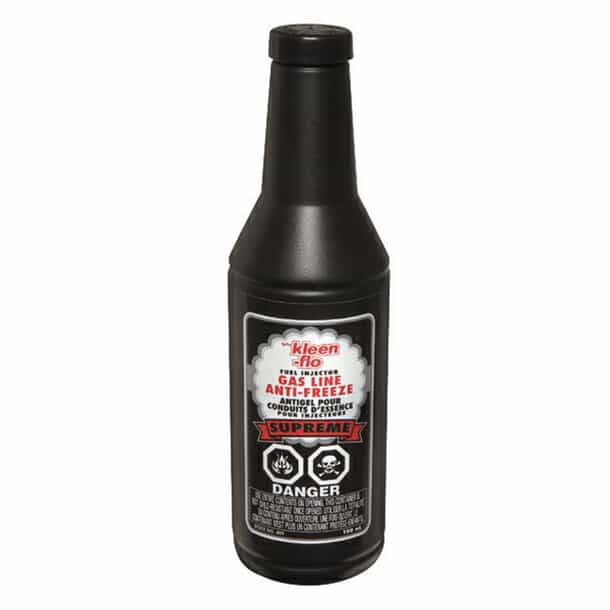
Ever been caught off guard by a car that refuses to start on a freezing morning? Or felt the frustration of a heating system that suddenly gives up just when you need it the most?
You might be wondering if gas lines can actually freeze, and what that means for your daily routine. Gas line freezing is more common than you think, especially during those harsh winter months, and it can cause significant inconveniences. But don’t worry—understanding how and why it happens can help you prevent it from disrupting your life.
Dive into this article to uncover the truths behind gas line freezing and discover how you can keep your home and vehicles running smoothly, no matter how low the temperature drops. Your peace of mind on those cold winter mornings is just a read away.

Credit: www.canadiantire.ca
How Gas Lines Work
Gas lines play a crucial role in delivering fuel to homes and businesses. They carry natural gas safely from the main supply to appliances like heaters, stoves, and water heaters. Understanding how gas lines work helps explain why freezing is rare but possible under certain conditions.
Types Of Gas Lines
Gas lines come in different types based on materials and usage. The most common include:
- Steel Pipes:Durable and strong, often used in commercial buildings.
- Flexible Corrugated Stainless Steel Tubing (CSST):Easy to install in homes, bends around corners.
- Plastic Pipes (Polyethylene):Used underground for main gas supply lines, resistant to corrosion.
- Black Iron Pipes:Traditional choice for indoor gas lines in many homes.
Each type has advantages depending on location, pressure, and installation needs.
Gas Flow Mechanics
Gas moves through pipes due to pressure differences. The gas supplier maintains high pressure in main lines. This pressure pushes gas through smaller pipes into homes.
Inside pipes, gas flows as a natural gas mixture, which stays in a gaseous state. The constant pressure and flow prevent freezing in most cases. Gas lines stay warm enough because gas moves continuously, and the pressure prevents moisture buildup.
When gas reaches appliances, regulators reduce pressure for safe use. Proper installation and maintenance ensure smooth gas flow and prevent blockages or leaks.
Conditions That Cause Freezing
Gas lines can freeze under certain conditions that involve cold temperatures and moisture. Understanding these factors helps prevent blockages and safety risks. Freezing happens when water inside or around the gas line turns to ice. Ice can block the flow of gas, causing problems with heating and appliances.
Temperature And Moisture Factors
Freezing is more likely when temperatures drop below 32°F (0°C). Moisture inside the gas line or in the soil around it plays a key role. Water can enter gas lines through small leaks or condensation. When temperatures fall, this water freezes and expands, causing blockages.
Low temperatures combined with high humidity increase the risk. Moisture trapped in the pipe cannot escape, so it freezes faster. Insufficient insulation around gas lines worsens the problem. Pipes exposed to cold winds or ground frost face higher freezing chances.
Common Scenarios For Freezing
- Outdoor gas lines exposed to winter weather without insulation
- Gas lines running through unheated basements or crawl spaces
- Pipes near water sources with high humidity levels
- Older gas lines with small leaks allowing moisture inside
- Areas with sudden temperature drops after rain or snow
Knowing these conditions helps protect gas lines from freezing. Proper insulation and maintenance reduce moisture buildup and cold exposure. This keeps gas flowing safely and appliances working well.
Signs Of Frozen Gas Lines
Frozen gas lines can cause serious problems, but you might not notice the issue right away. Recognizing the signs early can save you from costly repairs and potential safety hazards. Keep an eye out for subtle changes in how your gas system behaves—it might be trying to tell you something important.
Reduced Gas Flow
If your stove flame suddenly looks weaker or your heater isn’t warming up like before, your gas line might be frozen. Gas flow slows down or stops entirely when ice blocks the pipes. You might feel frustrated trying to cook or heat your home, only to realize the problem isn’t with your appliances but with the supply itself.
Have you ever noticed your gas appliances struggling on a cold morning? This could be a clear sign that your gas line needs attention. Don’t ignore these symptoms, as reduced gas flow can lead to bigger issues if left unchecked.
Unusual Odors And Noises
Detecting a strange smell of gas or hearing odd hissing and popping sounds near your gas lines could indicate a frozen or damaged pipe. These noises happen because pressure builds up behind the ice blockage, causing the gas to escape or the pipe to strain.
Your nose and ears can be your first alert system. If you smell gas, open windows immediately and get professional help—never try to fix it yourself. Odd noises might seem minor, but they often signal a problem that needs quick action.

Credit: www.canadiantire.ca
Risks Of Frozen Gas Lines
Frozen gas lines might seem like a rare problem, but they pose serious risks that you shouldn’t ignore. Understanding these risks helps you protect your home and loved ones from unexpected dangers. Let’s look at the main concerns you should be aware of.
Safety Hazards
Frozen gas lines can cause gas leaks when the ice inside cracks the pipe or forces gas to escape through weakened joints.
Gas leaks are extremely dangerous and can lead to fires or explosions. Imagine the risk if a small spark ignites leaked gas in your home.
Have you ever thought about how quickly a frozen pipe could turn into an emergency? Paying attention to warning signs like a faint gas smell or hissing sounds can save lives.
Potential Damage To Equipment
When gas flow is blocked by ice, appliances like heaters and stoves can malfunction or stop working altogether.
This blockage can cause pressure to build up in the pipes, damaging valves and regulators. Repairing these can be costly and time-consuming.
You might feel frustrated when your heating system fails on a cold night. Preventing frozen gas lines can save you from these unexpected repairs and keep your equipment running smoothly.
Preventing Gas Line Freezing
Preventing gas line freezing protects your home’s heating and safety. Cold weather can cause gas lines to freeze, blocking gas flow. Taking simple steps helps avoid costly repairs and hazards. Proper care ensures gas lines stay clear and functional during winter.
Insulation Techniques
Insulating gas lines keeps cold air from causing freezes. Use foam pipe sleeves or heat tape around exposed pipes. Wrap insulation tightly to cover every inch. Focus on outdoor lines and areas prone to drafts. Insulation maintains warmth and prevents ice buildup.
- Use foam pipe insulation sleeves for exposed pipes.
- Apply heat tape to vulnerable sections.
- Seal gaps around pipes to block cold air.
- Check insulation regularly for damage or wear.
Proper Maintenance Tips
Regular maintenance helps detect and prevent freezing risks. Check for leaks or cracks in gas lines frequently. Keep surrounding areas clear of debris and snow. Ensure gas meters and valves are accessible and free from ice. Schedule professional inspections before winter arrives to catch issues early.
- Inspect gas lines for damage every season.
- Clear snow and ice near gas meters and valves.
- Test appliances for proper gas flow.
- Hire professionals for annual gas system checks.
Thawing Frozen Gas Lines
Thawing frozen gas lines requires careful attention to safety and technique. The cold can cause gas lines to freeze, disrupting your home’s heating and cooking. Acting quickly but cautiously can prevent damage and restore normal function.
Safe Methods To Thaw
Never use open flames or high-heat sources like blowtorches to thaw frozen gas lines. Instead, try these safer options:
- Wrap the affected pipe with warm towels soaked in hot water. Replace towels regularly to maintain heat.
- Use a hairdryer on a low heat setting, moving it slowly along the frozen section.
- Apply heating pads designed for pipes, ensuring they are rated for plumbing use.
These methods gently warm the pipe, reducing the risk of damage or gas leaks. Have you checked your home for easy access to frozen pipe sections? Identifying these early can make thawing easier and safer.
When To Call Professionals
If you smell gas, hear hissing sounds, or see frost on the pipe that won’t thaw, stop immediately and call a professional. Gas leaks are dangerous and require expert handling.
Also, if your attempts to thaw the line don’t work within a short time, it’s best to seek professional help. Trained technicians have specialized tools and knowledge to safely fix frozen or damaged gas lines.
Remember, your safety is the top priority. Would you risk a gas leak to save a little time?
Myths About Gas Line Freezing
Gas line freezing is a topic surrounded by plenty of confusion. Many homeowners worry about their gas lines freezing in cold weather, but not all concerns are based on fact. Sorting out the myths from the reality can save you unnecessary stress and help you focus on what really matters for your safety and comfort.
Common Misconceptions
One popular myth is that natural gas itself can freeze inside the pipes. This is false because natural gas remains in a gaseous state even at very low temperatures. What might actually cause issues is moisture in the gas line freezing and blocking the flow.
Another misconception is that gas line freezing happens frequently in all cold climates. In reality, it’s quite rare, especially with properly installed and maintained gas lines. Most gas companies design their systems to prevent such problems, and your home’s gas lines are usually underground or insulated to protect against cold.
Some people also believe that you can prevent freezing by simply running the gas constantly. This idea isn’t practical and can waste energy. Instead, ensuring your gas line is dry and well-maintained is a smarter approach.
Fact Vs Fiction
It’s true that ice can form in gas lines, but only when water vapor contaminates the gas and freezes inside the pipe. This blockage can restrict gas flow, leading to appliance issues or even safety hazards. The real risk is not the gas freezing but the ice buildup from moisture.
Have you ever noticed your pilot light going out during a cold snap? This might be a sign of a frozen gas line or other related issues. If so, it’s crucial to call a professional rather than trying to fix it yourself.
Understanding the difference between fact and fiction helps you take the right steps. Instead of worrying about the gas freezing, focus on checking for leaks, maintaining your appliances, and ensuring your gas company keeps the lines in good condition.

Credit: blueskynewenergy.com
Frequently Asked Questions
Can Gas Lines Freeze In Cold Weather?
Gas lines rarely freeze because natural gas is delivered as a vapor. However, moisture inside the pipe can freeze, causing blockages. Proper insulation and maintenance reduce this risk significantly, ensuring a steady gas flow even in freezing temperatures.
What Causes Gas Line Freezing Issues?
Gas line freezing is mainly caused by moisture in the pipes. When temperatures drop, this moisture can freeze and block the gas flow. Poor insulation or leaks can increase the chances of freezing problems in gas lines.
How To Prevent Gas Lines From Freezing?
To prevent freezing, insulate exposed gas pipes properly. Keep the area warm and dry, and check for leaks regularly. Using heat tape or heating cables can also help maintain gas line temperature during extreme cold.
Does Frozen Gas Line Affect Appliance Performance?
Yes, a frozen gas line can restrict gas flow, causing appliances to malfunction. This may result in incomplete combustion or failure to ignite. Promptly addressing freezing issues ensures safe and efficient appliance operation.
Conclusion
Gas lines rarely freeze because natural gas stays warm underground. Cold weather can cause problems in pipes above ground. Insulating exposed pipes helps prevent freezing. Keeping the area around pipes dry also reduces risk. Knowing how gas lines work keeps your home safe.
Check pipes regularly during winter for any damage. Call a professional if you notice strange smells or low gas flow. Taking simple steps protects your home and family from gas issues. Stay prepared and stay safe this winter season.