Have you ever wondered what happens to your gas pipes when the temperature drops? As winter approaches, you might be concerned about the risks that freezing temperatures pose to your home.
You probably already take steps to protect your water pipes from freezing, but what about your gas pipes? Can gas pipes freeze, and what does that mean for you? Understanding this could save you from unexpected problems and costly repairs.
You’ll discover the facts about gas pipes and freezing temperatures, learn how to safeguard your home, and ensure your peace of mind throughout the cold months. Stay with us, and you’ll be prepared to keep your home safe and warm all winter long.

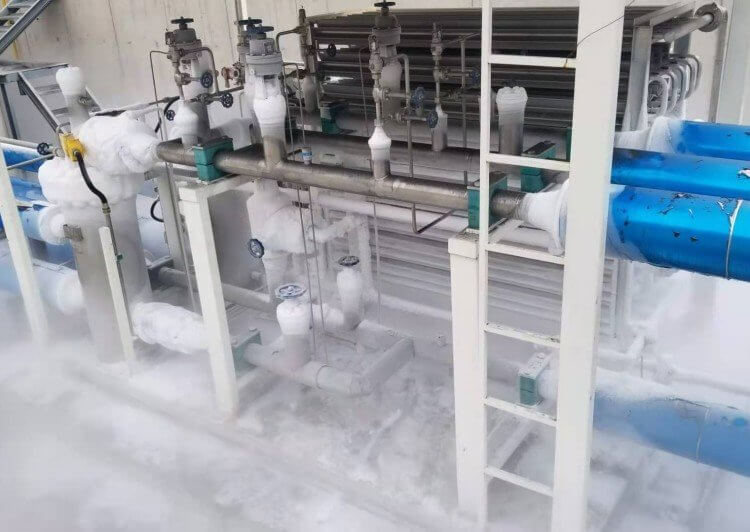
Credit: www.pmmag.com
How Gas Pipes Freeze
Understanding how gas pipes freeze can help you prevent costly damage and dangerous situations. Gas pipes, unlike water pipes, don’t carry liquids that freeze, but they can still be affected by extreme cold that impacts the moisture around or inside the pipes. Knowing the conditions and signs of freezing will help you act quickly before the problem worsens.
Conditions Leading To Freezing
Gas pipes usually freeze when temperatures drop below freezing for extended periods. Pipes located in unheated or poorly insulated areas are most at risk. Moisture in the air or condensation can settle on or inside the pipe, and when it freezes, it creates blockages or weak spots.
Think about your basement or crawl space during a cold snap. If these areas aren’t well insulated, the cold air can chill the pipes enough to cause freezing. Have you checked your home’s cold spots lately?
Common Vulnerable Areas
- Outdoor gas lines exposed to wind and cold
- Pipes in unheated garages or basements
- Gas meters located outside the home
- Sections of pipe running through exterior walls
These areas often lack proper insulation or protection. If you’ve ever felt a chilly draft near these spots, it’s a warning sign. Protecting these vulnerable points can save you from unexpected gas service interruptions.
Signs Of Frozen Gas Pipes
You might notice an unusual drop in gas pressure or appliances not working correctly. Sometimes, you’ll smell gas if the pipe cracks from freezing damage, which needs immediate attention. Another sign is visible frost or ice forming on the pipe surface.
Have you experienced a sudden loss of gas flow during cold weather? That could be a sign your pipes are frozen. Early detection makes it easier to thaw pipes safely and prevent permanent damage.
Risks Of Frozen Gas Pipes
Frozen gas pipes pose serious risks that affect safety and property. These pipes can crack or burst under pressure. The dangers extend beyond simple inconvenience. Understanding these risks helps prevent costly damage and hazards.
Safety Hazards
Frozen gas pipes increase the chance of gas leaks. Leaking gas can cause fires or explosions. It also leads to harmful fumes indoors. People inside the home may suffer breathing problems. Immediate attention is critical for safety.
Potential Property Damage
Ice inside pipes causes them to expand and crack. Cracked pipes can flood walls and floors with water. This damages the structure and belongings. Repairing burst pipes can be costly and time-consuming. Early detection prevents large-scale damage.
Impact On Gas Supply
Frozen pipes block the flow of gas. This interruption stops heating and cooking appliances. Lack of gas supply creates discomfort and inconvenience. It may also affect emergency systems in the home. Restoring gas flow can take time and effort.
Preventing Gas Pipe Freezing
Preventing gas pipe freezing is crucial to avoid disruptions and potential hazards in your home. Frozen pipes can block the gas flow, leading to inefficient heating or even dangerous leaks. Taking proactive steps to keep your gas pipes warm ensures safety and reliable service throughout cold weather.
Insulation Techniques
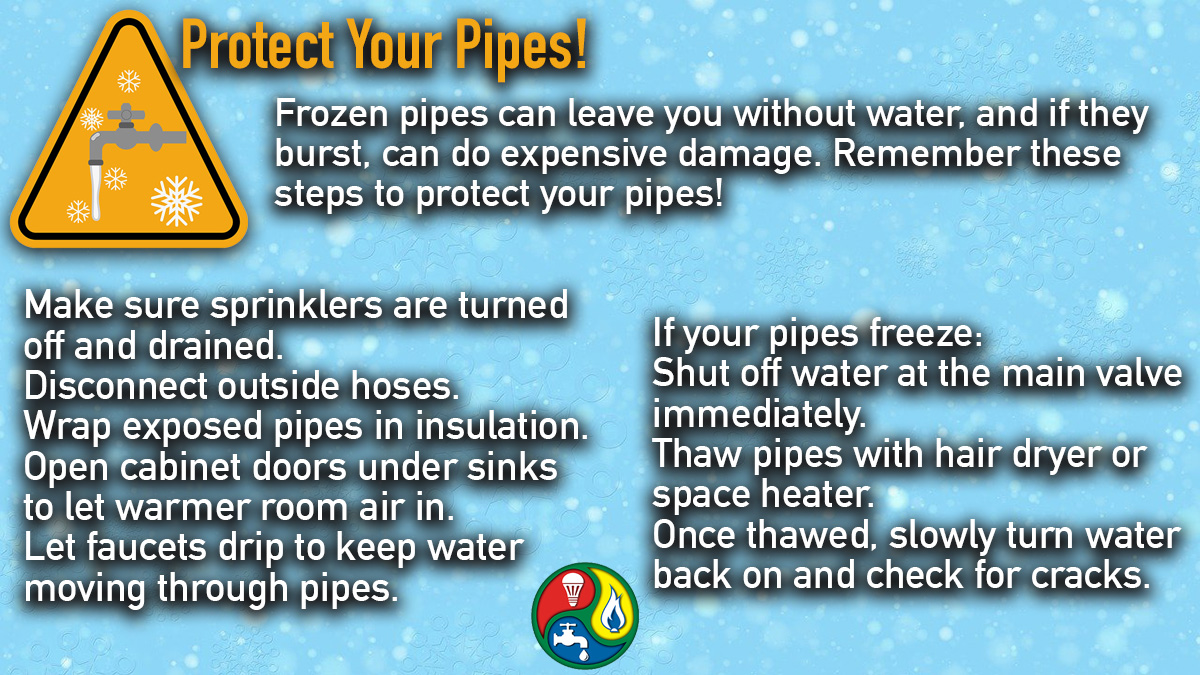
Wrapping your gas pipes with proper insulation is one of the simplest and most effective ways to prevent freezing. Use foam pipe sleeves or fiberglass wrap specifically designed for pipe protection. These materials trap heat and reduce exposure to cold air, especially in unheated areas like basements or crawl spaces.
Make sure to cover all exposed pipes, paying special attention to bends and joints where heat loss is more likely. You might also add extra insulation around the pipes in exterior walls or attics. Have you checked recently if your pipe insulation is still intact or has gaps?
Heat Tape And Cables
Heat tape or heat cables provide active warmth to gas pipes, making them ideal for extremely cold climates. These electric devices wrap around the pipe and generate consistent heat to prevent freezing. Many come with built-in thermostats that turn on only when temperatures drop near freezing, saving energy.
Installation is straightforward but follow manufacturer instructions carefully to avoid damage or fire risk. Always choose heat tape rated for gas pipes and outdoor use if applicable. Have you considered this as a backup if insulation alone isn’t enough?
Maintaining Proper Temperature
Keeping your home or utility spaces at a consistent temperature can reduce the risk of frozen gas pipes. Avoid letting the temperature drop below 55°F (13°C) in areas where gas lines run. Even a small heater or a heated vent near these pipes can make a big difference.
During extremely cold nights, opening cabinet doors under sinks can allow warm air to circulate around the pipes. Also, sealing drafts and gaps around doors and windows helps maintain steady indoor temperatures. Could small adjustments like these prevent a costly emergency this winter?
Credit: 256today.com
Emergency Measures For Frozen Pipes
Frozen gas pipes create serious risks. Acting fast can prevent damage and danger. Knowing how to handle frozen pipes is crucial during cold spells. Emergency measures help restore safety and function quickly.
Safe Thawing Methods
Use gentle heat sources to thaw frozen pipes. A hairdryer works well. Warm towels wrapped around pipes also help. Avoid open flames or high heat devices. These can damage pipes or cause fires.
Keep the area well ventilated. Slowly warming pipes reduces the risk of bursting. Check pipes regularly during thawing for leaks or cracks.
When To Call Professionals
Contact a licensed plumber if you suspect a gas leak. Signs include smell of gas, hissing sounds, or dead plants near pipes. Do not attempt to fix leaks yourself.
Call experts if pipes are severely frozen or damaged. Professionals have tools and knowledge to handle risks safely. Early help prevents costly repairs or accidents.
Avoiding Common Mistakes
- Do not use open flames like torches or lighters.
- Avoid applying too much heat quickly to pipes.
- Never ignore the smell of gas or other warning signs.
- Do not try to thaw pipes with water or ice.
- Avoid delaying repairs if you notice pipe damage.
Following safe practices protects your home and family. Stay calm and act carefully during emergencies.
Long-term Protection Strategies
Protecting your gas pipes from freezing is not just about quick fixes during cold snaps; it requires thoughtful, long-term strategies. Taking consistent, preventive actions can save you from costly repairs and safety hazards. Let’s look at some practical ways to keep your gas pipes safe year-round.
Regular Maintenance
Regularly checking your gas pipes helps catch small issues before they become big problems. Look for signs of wear, corrosion, or leaks every few months. You can schedule professional inspections to ensure everything is in good shape and functioning properly.
Have you noticed any unusual smells or sounds near your gas lines? These could be early warnings. Don’t wait—early detection can prevent serious trouble.
Upgrading Pipe Materials
Old pipes are more prone to freezing and damage. Switching to modern materials like polyethylene or coated steel pipes provides better insulation and durability. These materials resist cold temperatures and reduce the risk of cracks or leaks.
Think about your home’s age—are your pipes outdated? Upgrading might seem like an upfront cost, but it pays off in safety and fewer repairs later.
Winterizing Your Home
Preparing your home for winter can protect gas pipes from freezing temperatures. Insulate exposed pipes, especially in unheated areas like basements or crawl spaces. Use pipe sleeves or heat tape to keep them warm during freezing weather.
Don’t forget to seal cracks and openings where cold air can enter. A well-sealed home helps maintain steady indoor temperatures, reducing the risk of frozen pipes.

Credit: prosnearby.co.uk
Frequently Asked Questions
Can Gas Pipes Freeze In Cold Weather?
Yes, gas pipes can freeze if exposed to extreme cold without insulation. Frozen pipes may block gas flow and cause safety risks.
How To Prevent Gas Pipes From Freezing?
Insulate gas pipes with foam sleeves and keep the area warm. Regularly check for leaks and maintain proper ventilation.
What Happens If A Gas Pipe Freezes?
Frozen gas pipes can restrict gas flow, leading to appliance failure or dangerous leaks. Immediate inspection and repair are crucial.
Can Frozen Gas Pipes Cause Gas Leaks?
Yes, freezing can cause pipe damage or cracks, increasing the risk of leaks. Always inspect pipes after extreme cold conditions.
Conclusion
Gas pipes can freeze, especially in very cold weather. Frozen pipes may cause blockages and damage. Protect pipes by insulating them and keeping heat around. Check pipes regularly during cold months to avoid problems. Acting early saves money and trouble later.
Stay aware and prepare your home for winter. Safe gas pipes mean warm, comfortable living. Remember, prevention is easier than repair.