Have you ever stood in your kitchen, staring at your dishwasher and wondering if it’s safe to put your delicate glassware inside? You’re not alone.
Many people find themselves puzzled by this question. You want to keep your glasses sparkling clean, but you also want to avoid the dreaded cracks and cloudiness. So, can glass go in the dishwasher? Before you load up that top rack, there are a few things you should know to protect your cherished glassware.
We’ll unravel the mystery and provide you with practical tips so you can make the best decision for your kitchen routine. Keep reading to discover how to maintain your glassware’s brilliance without the worry!
Dishwasher And Glass Compatibility
Understanding whether your glassware can safely go in the dishwasher depends heavily on the type of glass and its durability. Not all glasses are created equal when it comes to handling high heat, water pressure, and harsh detergents. Knowing which glasses are dishwasher-friendly can save you money and prevent frustrating breakage.
Types Of Glassware Safe For Dishwashers
Most everyday glassware is designed to handle dishwasher cycles. Tempered glass, such as Pyrex or many drinking glasses, usually withstands the heat and pressure without issue. These glasses are toughened to resist thermal shock and mechanical stress.
- Tempered drinking glasses:Often marked as dishwasher safe, these can handle repeated washing.
- Thick glass mugs and tumblers:Their sturdy build typically protects them from cracking.
- Dishwasher-safe crystal:Some modern crystal glasses are crafted to tolerate machine washing—check the manufacturer’s label.
Have you noticed your everyday glassware lasting longer after dishwasher use? That’s because many are made with dishwasher compatibility in mind.
Glassware To Avoid In Dishwashers
Not all glass items should face the dishwasher’s intense environment. Thin, delicate, or hand-painted glassware can easily chip, crack, or lose decoration after a wash cycle. These are best washed by hand to maintain their look and lifespan.
- Fine crystal and antique glass:High heat and detergents can cause etching or cloudiness.
- Hand-painted or decorated glass:Designs may fade or peel off over time.
- Thin wine glasses and champagne flutes:Their fragile stems and bowls can break under dishwasher spray pressure.
Think about the last time you lost a favorite glass in the dishwasher. Could careful sorting before loading save you that frustration?
Preparing Glassware For The Dishwasher
Preparing glassware for the dishwasher helps keep it clean and safe. Proper preparation prevents damage and ensures sparkling results. Simple steps can protect your glasses during the wash cycle.
Rinsing And Scraping Residue
Remove leftover food or drink from glassware before placing it in the dishwasher. Rinse glasses under running water to clear away loose particles. Use a soft cloth or sponge to scrape off stuck-on residue gently. Avoid harsh scrubbing to prevent scratches.
Proper Placement In The Dishwasher
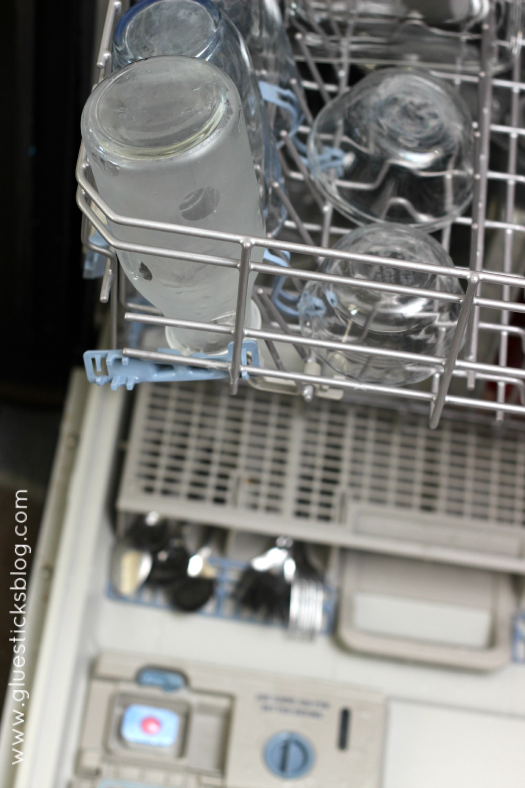
Place glassware carefully to avoid knocks and chips. Set glasses upright on the top rack where water pressure is gentler. Keep glasses apart to stop them from touching each other. Use the dishwasher’s designated glass holders when available for extra support.
Choosing The Right Dishwasher Settings
Choosing the right dishwasher settings is key to keeping your glassware sparkling and intact after every wash. Not all dishwasher cycles are created equal, especially when it comes to delicate items like glass. Adjusting settings thoughtfully can prevent damage and extend the life of your favorite glasses.
Selecting Gentle Cycles
Gentle or delicate cycles use lower water pressure and shorter washing times. This reduces the risk of glassware banging against other items or the dishwasher walls. Have you ever noticed chips or cracks after a cycle? Switching to a gentle setting can often prevent this damage.
These cycles are especially useful for thin or hand-blown glass. They help maintain clarity and avoid cloudiness that harsh cycles sometimes cause. Look for dishwasher models that label cycles as “glass,” “delicate,” or “china” to protect your glassware better.
Temperature Considerations
Heat can be tough on glass, causing it to weaken or develop stress cracks over time. Setting your dishwasher to use lower temperatures during the wash and rinse phases helps avoid thermal shock.
Most dishwashers allow you to adjust the temperature settings manually. Aim for a wash temperature around 120°F (49°C) rather than the high 140°F (60°C) or above. Have you ever felt your glassware was hotter than expected after a cycle? Lower temps prevent this and keep your glasses safer.
Additionally, skip the heated drying option or use air-dry settings. The sudden heat spike from drying can also contribute to damage. Taking these small steps in temperature control can make a big difference in preserving your glass items.
Credit: www.rd.com
Common Risks Of Dishwasher Cleaning For Glass
Cleaning glassware in the dishwasher might seem like a convenient choice, but it comes with some risks that can affect the look and lifespan of your glasses. You might notice changes that weren’t there before, and these issues can be frustrating when you expect your glass to come out sparkling clean. Understanding these risks can help you decide whether to put your glassware in the dishwasher or wash it by hand.
Etching And Cloudiness
Etching happens when the glass surface slowly wears away due to harsh dishwasher detergents and high temperatures. This creates a permanent cloudy or frosted appearance that dulls the shine of your glass. If you’ve ever wondered why your favorite wine glass looks foggy after several washes, this is often the cause.
Cloudiness can also form when minerals from hard water deposit on the glass during the wash cycle. These spots don’t come off easily and can ruin the clarity of your glassware. To prevent this, consider using a rinse aid or switching to a detergent designed for hard water conditions.
Chipping And Cracking
Glassware is fragile and can easily chip or crack in the dishwasher. Items bumping against each other or against the dishwasher racks during the cycle often cause these damages. You might think your glasses are secure, but the powerful water jets can create enough force to cause small chips that grow over time.
Thin or delicate glasses are especially vulnerable. Using the dishwasher for these types of glasses can lead to cracks that develop after just a few washes. If you notice tiny cracks or chips, it’s best to retire those glasses from dishwasher cleaning to avoid sudden breakage.
Tips To Prolong Glassware Lifespan
Keeping your glassware looking clear and pristine doesn’t have to be a chore. Small changes in how you handle your glasses during dishwashing can make a big difference in their lifespan. These tips focus on practical ways to protect your glassware from chips, cloudiness, and breakage while using your dishwasher.
Using Dishwasher-safe Detergents
Not all detergents are created equal, especially when it comes to glassware. Choose detergents labeled as “dishwasher-safe” or “gentle on glass” to avoid harsh chemicals that can etch or dull the surface.
Powder detergents can sometimes leave residues, so you might want to try gel or liquid options for a gentler clean. Have you noticed your glasses looking cloudy after washing? Switching detergents might be the simple fix you need.
Avoiding Overcrowding
Loading your dishwasher too full can lead to glasses bumping into each other and causing chips or cracks. Give each glass enough space to avoid contact during the wash cycle.
Think about how you load your rack—placing glasses upright and not too close together helps water reach every surface without causing damage. How often do you find chips on your glasses after a wash? Spacing them out could save you from those frustrating breaks.
Credit: gluesticksblog.com
Alternatives To Dishwasher Cleaning
Some glass items may not be safe for dishwasher cleaning. Scratches, cloudiness, or breakage can occur. Choosing an alternative cleaning method helps keep glass clear and intact. These methods also allow careful cleaning of delicate glassware.
Handwashing Techniques
Handwashing glassware is gentle and effective. Use warm water and mild dish soap. Avoid very hot water, which can cause cracking.
- Use a soft sponge or cloth to clean.
- Focus on rims and bottoms where dirt builds up.
- Rinse thoroughly to remove soap residue.
- Dry with a soft, lint-free towel to prevent water spots.
Handle glass carefully to avoid drops. Handwashing helps maintain shine and clarity over time.
Using Specialized Cleaning Tools
Special tools make glass cleaning easier. Bottle brushes reach deep inside narrow containers. Microfiber cloths polish glass without scratching.
- Silicone brushes gently clean delicate surfaces.
- Cleaning beads can scrub hard-to-reach spots inside bottles.
- Use squeegees to remove water and prevent streaks.
These tools improve cleaning quality and protect fragile glass. They are great for unique shapes and vintage pieces.
Credit: potterycrafters.com
Frequently Asked Questions
Can All Types Of Glass Go In The Dishwasher?
Not all glass is dishwasher safe. Tempered and dishwasher-safe glass can go in. Delicate or antique glass should be hand-washed to avoid damage or clouding.
Will Dishwasher Damage Glassware Over Time?
Repeated dishwasher cycles can cause etching or cloudiness on glass. Using gentle cycles and avoiding high heat minimizes damage, preserving glass clarity longer.
How To Prevent Glass From Breaking In Dishwasher?
Place glass items securely to avoid movement. Use a gentle cycle and avoid overloading the dishwasher to reduce the risk of breakage.
Is It Safe To Wash Crystal Glass In Dishwasher?
Crystal glass is often fragile and may etch or chip in the dishwasher. Hand-washing with mild detergent is recommended to maintain its sparkle.
Conclusion
Glass can usually go in the dishwasher safely. Check the label first to be sure. Use the top rack to avoid damage. Avoid sudden temperature changes to prevent cracking. Hand washing fragile glass is sometimes better. Clean glass stays clear and looks nice longer.
Take small steps to keep your glassware safe. Simple care means your glasses last many years. Dishwasher use saves time but use caution. Your glass will thank you with proper care.