Have you ever wondered if your home heating oil could freeze during those chilly winter months? As temperatures drop, this question becomes more pressing.
If you rely on heating oil to keep your home warm, understanding its behavior in cold weather is crucial. Imagine waking up to a freezing house because your heating oil has turned into a solid block. Scary, right? But don’t worry, we’ve got you covered.
You’ll discover the science behind heating oil’s reaction to cold, and learn practical tips to ensure your home stays cozy all winter long. By the end, you’ll not only be informed but also empowered to take action. Curious to know more? Let’s dive in!
Home Heating Oil Basics
Understanding the basics of home heating oil is essential if you rely on it to keep your home warm during cold months. Knowing what heating oil is and how it works helps you maintain your system better and avoid common issues like freezing. Let’s break down the essentials to give you a clearer picture of your heating setup.
What Is Heating Oil
Heating oil is a liquid petroleum product used primarily to heat homes. It looks similar to diesel fuel but is specially refined for home heating. This oil stores a lot of energy in a small volume, making it efficient for warming your living space.
It’s delivered to your home and stored in a tank, usually located outside or in the basement. The oil remains liquid at normal temperatures but can thicken in extreme cold, which sometimes leads to concerns about freezing. Have you ever wondered why your heating oil doesn’t freeze as easily as water?
How Heating Oil Works
Your heating system burns the oil to create heat. The oil is pumped from the tank to the burner, where it mixes with air and ignites. This combustion produces heat, which is then distributed through your home via radiators or forced-air systems.
The process is controlled by a thermostat that turns the burner on and off to maintain your desired temperature. Because heating oil has a relatively low freezing point, it stays fluid enough to flow through pipes and burners even in cold weather. Still, it’s important to keep your tank full to prevent condensation, which can cause problems in freezing temperatures.

Credit: www.rmax.com
Freezing Point Of Heating Oil
Heating oil is vital for many homes during cold months. Understanding its freezing point helps prevent heating issues. Knowing when heating oil might freeze protects your home’s warmth. This section explains the freezing point and what affects it.
Temperature At Which Oil Freezes
Heating oil does not freeze like water. Instead, it thickens and gels at low temperatures. The typical freezing point is around -40°F (-40°C). This point varies depending on the oil type. Standard heating oil starts to gel near 17°F (-8°C). Diesel fuel, similar to heating oil, can gel between 10°F and 20°F (-12°C to -7°C). Once gelled, oil cannot flow well in pipes or pumps.
Factors Affecting Freezing Point
Several factors change heating oil’s freezing point. Oil composition plays a big role. Different blends have different gel points. Additives can lower the freezing temperature. Wax content increases the chance of gelling. Temperature changes can cause wax crystals to form. These crystals block fuel filters and lines.
- Oil blend type
- Wax content
- Additives used
- Storage conditions
Cold weather also affects how quickly oil gels. Proper storage and additives help keep oil flowing. Regular tank maintenance prevents freezing problems.
Common Myths About Heating Oil Freezing
Many people worry about heating oil freezing in cold weather. Several myths spread about this issue. These myths can cause unnecessary concern. Understanding the truth helps homeowners protect their heating systems. The facts about heating oil and freezing are clearer than you think.
Can Heating Oil Freeze Completely
Heating oil does not freeze like water. It becomes thicker and more gel-like at very low temperatures. This change can slow down the flow of oil. However, heating oil rarely freezes solid in normal home conditions. Most heating oils have additives to prevent freezing. These additives help keep the oil flowing even in freezing weather.
Confusion With Water Contamination
Water in the heating oil tank can cause freezing problems. Water freezes at 32°F (0°C) and forms ice. Ice can block fuel lines and filters. This issue is often mistaken for heating oil freezing. Water contamination happens from condensation or leaks in the tank. Regular tank maintenance can prevent water buildup. Removing water from the tank keeps the system running smoothly in winter.
Risks Of Cold Weather On Heating Oil Systems
Cold weather poses serious challenges to your home heating oil system. Temperatures dropping below freezing can cause unexpected problems that interrupt your heat supply just when you need it most. Understanding these risks helps you take steps to protect your system and keep your home warm.
Fuel Line Freezing
Heating oil itself doesn’t freeze easily, but the water that collects in your fuel lines can. Water can enter your system through condensation or contamination, and when temperatures fall, this water freezes. Ice blocks in the fuel line stop the flow of oil to your burner, causing your heating system to fail.
Have you ever noticed your heater suddenly stop working on a cold night? This could be due to a frozen fuel line. To avoid this, you should regularly check for water in your tank and consider installing a fuel line antifreeze product. These steps can prevent costly emergency repairs and keep your home comfortable.
Filter Clogging Issues
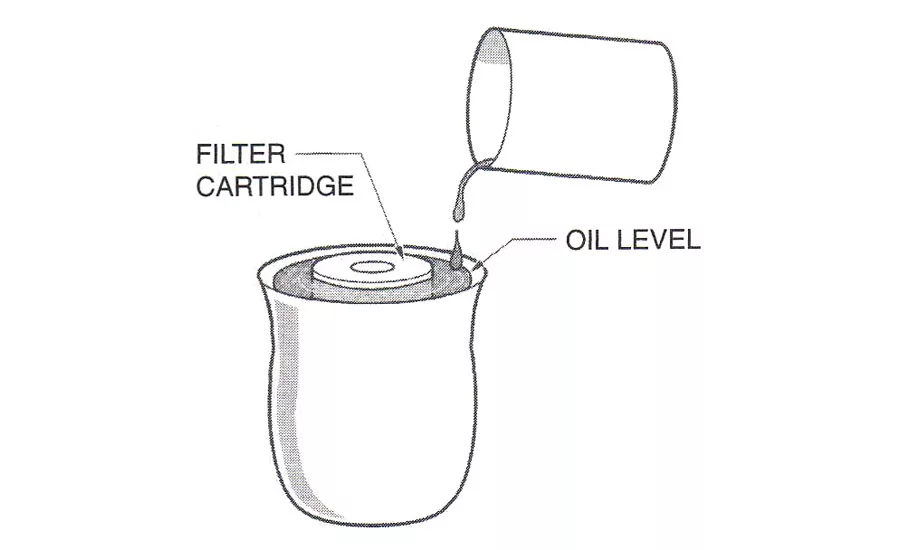
Cold weather also thickens heating oil, causing wax and impurities to settle and clog your fuel filter. A clogged filter restricts oil flow, making your burner work harder or even shut down. This reduces efficiency and can lead to higher heating bills or system damage.
Regular filter maintenance becomes crucial as temperatures drop. Replacing your filter before winter hits helps maintain smooth oil flow. Have you scheduled a filter check this season? Staying ahead of clogging issues ensures your heating system runs reliably when you need it most.
Preventing Heating Oil Freezing
Heating oil can thicken or gel in very cold weather, causing fuel flow problems. Preventing heating oil from freezing is essential for a reliable home heating system. Several easy steps help keep your oil flowing smoothly during winter.
Using Additives
Additives lower the oil’s gel point and keep it flowing in cold temperatures. Pour additives into the tank before winter starts. Choose products designed to prevent wax crystals from forming. Follow package instructions for the right amount. Additives improve oil performance and reduce the risk of blockages.
Proper Tank Maintenance
Regular tank maintenance ensures heating oil stays clean and flows well. Check tanks for water buildup or sludge that can freeze. Schedule annual inspections and cleanings by professionals. Keep tanks full to reduce condensation inside. A well-maintained tank helps prevent freezing and system damage.
Insulating Pipes And Tanks
Insulation protects oil tanks and pipes from extreme cold. Wrap pipes with foam sleeves or heat tape to keep warmth inside. Cover tanks with insulation blankets or panels made for outdoor use. Proper insulation reduces the chance of frozen pipes and blocked fuel lines. This simple step improves system reliability in cold weather.
Credit: www.northernoil.co.uk
What To Do If Heating Oil Freezes
Discovering that your home heating oil has frozen can feel frustrating, especially during a cold snap when you need warmth the most. Knowing what to do in this situation can save you time, money, and discomfort. Let’s look at how to recognize frozen oil and the best ways to safely thaw your heating system.
Signs Of Frozen Oil
Frozen heating oil doesn’t always announce itself loudly. You might notice your furnace won’t start or runs briefly before shutting off. Another sign is unusually low pressure on your oil gauge despite a full tank.
Pay attention if your burner sputters or if there’s a delay in heat production. These symptoms often point to oil flow issues caused by freezing. Have you ever experienced a sudden lack of heat and wondered why your system wasn’t responding?
Steps To Thaw The System
Start by turning off your heating system to prevent damage. Never try to force the system to run when oil flow is blocked. Instead, gently warm the oil line using a hairdryer or heat lamp, keeping the heat source moving to avoid damage.
If the frozen section is accessible, wrap it with warm towels soaked in hot water, replacing them as they cool. Avoid open flames or high heat sources—safety first. You can also check your oil filter and replace it if clogged, as frozen oil often damages filters.
If these steps don’t work or you feel unsure, call a professional technician. Heating systems are complex, and improper handling can cause costly repairs. Have you considered regular maintenance to prevent freezing before it happens?
Tips For Winterizing Your Heating Oil System
Winter can be harsh on your heating oil system. Proper preparation helps avoid freezing and keeps your home warm. Use these tips to winterize your system effectively.
Regular Inspections
Check your heating oil system regularly before winter. Look for leaks, rust, or damage on the tank and pipes. Clear any debris around the unit. Early detection prevents costly repairs and ensures smooth operation.
Scheduling Oil Deliveries
Plan your oil deliveries ahead of the cold season. Avoid running low on fuel during freezing weather. Set reminders to order oil before your tank gets too empty. Reliable delivery keeps the system running without interruption.
Maintaining Adequate Fuel Levels
Keep your fuel tank at least half full during winter months. A fuller tank reduces condensation and the risk of freezing. Regularly check the fuel gauge to avoid unexpected shortages. This simple step protects your heating system all season long.

Credit: www.youtube.com
Frequently Asked Questions
Can Home Heating Oil Freeze In Cold Weather?
Home heating oil has a very low freezing point, so it rarely freezes. However, extremely cold temperatures can cause it to thicken, affecting flow and efficiency.
What Temperature Causes Heating Oil To Gel Or Freeze?
Heating oil begins to gel around 20°F (-6°C). Below this, it thickens and can clog filters, but it doesn’t freeze solid like water.
How Can I Prevent My Heating Oil From Freezing?
Use additives like anti-gel treatments and keep your tank full. Insulating pipes and tanks also helps maintain proper oil flow in cold weather.
Does Freezing Heating Oil Damage The Heating System?
Thickened or gelled oil can clog filters and lines, causing system inefficiency or damage. Regular maintenance and additives prevent freezing-related issues.
Conclusion
Home heating oil rarely freezes, but it can gel in cold weather. Gelling can clog pipes and stop your heating system. Keep your oil tank full to reduce risks. Using additives helps prevent gelling and keeps oil flowing. Regular maintenance ensures your system works well in winter.
Stay prepared to keep your home warm and safe. Small steps make a big difference during cold months. Don’t ignore signs of trouble; act quickly to avoid problems. Safe heating depends on simple care and attention.