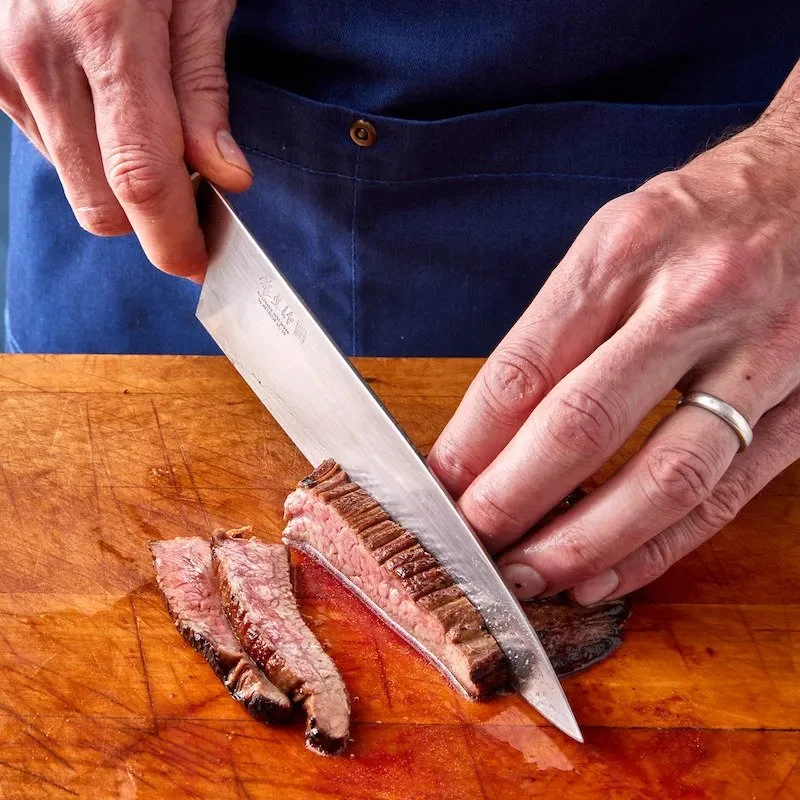
Are you wondering if it’s safe to cut meat on your wooden cutting board? You’re not alone.
Many people love the look and feel of wooden boards but worry about hygiene and maintenance when it comes to raw meat. What if cutting meat on wood could actually be safe and even better for your kitchen? Keep reading to find out the truth about wooden cutting boards, why they might be a great choice for your cooking, and how to keep them clean and bacteria-free every time you use them.
Your kitchen routine could change for the better!
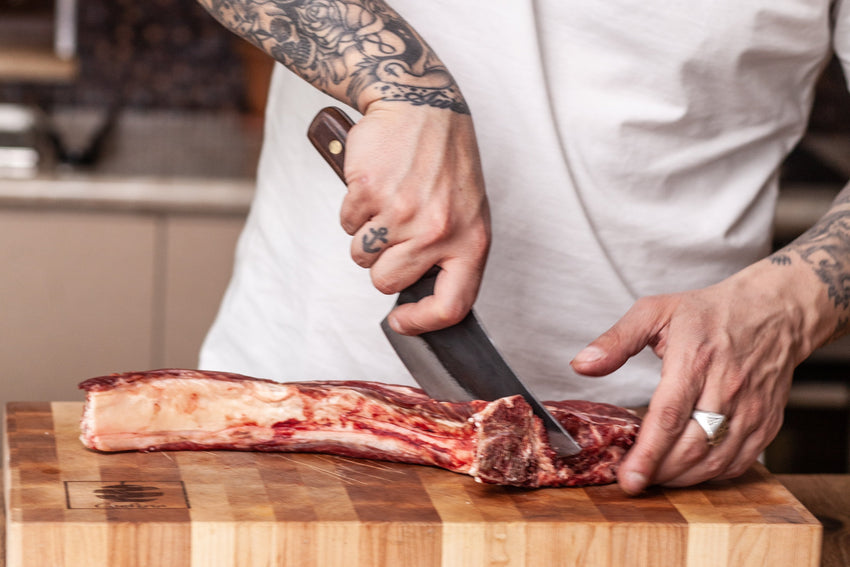
Credit: www.coolinastore.com
Wooden Cutting Boards And Meat Safety
Wooden cutting boards are popular in many kitchens. They look nice and feel strong. But many people ask if it is safe to cut meat on them.
Meat can carry germs that cause sickness. It is important to know how to keep wooden boards clean and safe for meat.
Can You Cut Meat On Wooden Boards?
Yes, you can cut meat on wooden boards if you clean them well. Wood has natural properties that can help reduce bacteria. But you must take care to avoid cross-contamination.
Cleaning wooden boards is important to keep them safe for meat. Use hot water and soap right after cutting meat. Dry the board well to stop bacteria growth.
- Wash with hot, soapy water after use
- Rinse and dry completely
- Disinfect with vinegar or diluted bleach sometimes
- Avoid soaking boards in water
- Oil boards regularly to keep wood healthy
Avoiding Cross-contamination
Cross-contamination happens when germs spread from meat to other foods. Use separate boards for raw meat and vegetables. Mark your boards or use color codes to keep them separate.
| Board Type | Use For |
| Wooden Board | Vegetables, cooked foods, or raw meat if cleaned properly |
| Plastic Board | Raw meat for easier sanitizing |
| Separate Boards | Best way to avoid germs mixing |
Signs You Should Replace Your Wooden Board
Wooden boards can get deep cuts that trap germs. Replace your board if it is cracked, heavily grooved, or has a bad smell.
- Deep grooves or cracks
- Persistent stains or odors
- Splitting wood or loose pieces
- Board is old and worn out
Risks Of Cutting Meat On Wood
Using a wooden cutting board for raw meat can cause some health risks. Wood can hold bacteria that may not wash away easily.
Understanding these risks helps you keep your kitchen safe and clean. Let’s look at the main concerns.
Bacterial Contamination Concerns
Wood is porous and can trap bacteria from raw meat in tiny cracks. These bacteria can grow and spread if the board is not cleaned well.
- Bacteria can hide deep inside the wood grain.
- Some bacteria may survive normal washing.
- Cross-contamination can happen if the board is used for other foods.
- Improper cleaning raises risk of food poisoning.
Porosity And Absorption Issues
Wood absorbs juices from meat because it is porous. This makes it hard to fully clean and dry the board.
| Issue | Effect |
| Porous surface | Absorbs liquids and bacteria |
| Cracks and cuts | Trap food particles and germs |
| Moisture retention | Creates environment for bacteria growth |
| Hard to sanitize | Increases risk of contamination |
Choosing The Right Wooden Board
Cutting meat on a wooden board needs care and the right choice. Not all wooden boards work well for meat.
Picking the right wood and size helps keep your kitchen safe and your board lasting longer.
Types Of Wood Suitable For Cutting Boards
Some woods are better for cutting boards. These woods resist cuts and do not absorb juices easily. This keeps your board cleaner and safer for meat.
- Maple: Hard and dense, good for cutting meat.
- Walnut: Strong with a smooth surface.
- Cherry: Durable and has natural oils.
- Beech: Tight grain, easy to clean.
Board Size And Thickness
Choose the right size and thickness to handle meat well. A bigger board gives more space to work. Thickness adds strength and stops warping.
| Size | Use | Recommended Thickness |
| Small (12″x8″) | Light tasks, small cuts | 0.75 to 1 inch |
| Medium (18″x12″) | Most kitchen meat cutting | 1 to 1.5 inches |
| Large (24″x18″) | Big cuts, heavy use | 1.5 to 2 inches |

Credit: www.wikihow.com
Cleaning Wooden Cutting Boards
Wooden cutting boards are popular for their durability and knife-friendly surface. Keeping them clean is key to safe food preparation. Proper cleaning stops bacteria growth and keeps your board in good shape.
This guide covers how to wash, sanitize, and dry wooden boards. Follow these tips to keep your cutting board safe and long-lasting.
Proper Washing Techniques
After cutting meat, wash your wooden board right away. Use hot water and mild soap to remove food particles. Avoid soaking the board in water because it can crack or warp the wood.
- Rinse the board with hot water.
- Apply mild dish soap and scrub with a sponge or brush.
- Rinse well to remove all soap residue.
- Dry the surface with a clean towel immediately.
Sanitizing Methods
Sanitizing kills germs left after washing. You can use natural or store-bought solutions. Vinegar is a simple sanitizer that is safe for wood.
| Sanitizing Method | Instructions |
|---|---|
| White Vinegar | Spray or wipe vinegar on the board. Let sit 5 minutes, then rinse. |
| Hydrogen Peroxide | Pour 3% solution on the board. Let it bubble for 5 minutes, then rinse. |
| Commercial Sanitizer | Follow product instructions carefully to avoid damage. |
Drying And Maintenance
Dry your board fully after washing and sanitizing. Moisture left inside wood causes cracks and mold. Keep your board in a dry, well-ventilated area.
- Use a clean towel to remove surface water.
- Stand the board upright to air dry completely.
- Oil your board monthly with food-safe mineral oil to prevent drying.
- Avoid storing the board near heat or direct sunlight.
Preventing Cross-contamination
Cutting meat on a wooden cutting board can spread bacteria if not done safely. Cross-contamination happens when germs from raw meat touch other foods.
It is important to follow rules that keep meat and other foods separate. This stops harmful bacteria from spreading in your kitchen.
Separate Boards For Meat And Other Foods
Use different cutting boards for meat and other foods like vegetables or bread. This prevents juices from raw meat from touching foods you eat raw.
- Have one board just for raw meat and poultry.
- Use another board for fruits, vegetables, and cooked food.
- Clean and dry boards well after each use.
Color-coding Systems
Color coding helps everyone know which board to use for each food type. This lowers the risk of mixing meat with other foods.
| Color | Food Type |
| Red | Raw meat |
| Green | Vegetables |
| Yellow | Raw poultry |
| Blue | Fish and seafood |
| White | Cooked foods and bakery |
When To Replace Your Wooden Board
Wooden cutting boards are popular for cutting meat. They last long with care. But over time, they can get damaged. Knowing when to replace your board keeps food safe.
Watch for signs of wear and damage. These signs show your board may no longer be safe to use. Replacing it on time prevents health risks.
Signs Of Wear And Damage
Look closely at your wooden board for these issues. Deep cracks and big grooves can trap bacteria. Stains and warping also mean the board is aging.
- Deep knife marks or cracks
- Large grooves or splits
- Warped or bent wood
- Persistent stains or discoloration
- Rough texture that is hard to clean
Impact On Food Safety
Damaged boards can hold harmful germs. These germs may pass to meat and cause illness. Clean boards help avoid cross-contamination.
| Damage Type | Food Safety Risk |
| Cracks and Grooves | Bacteria hide and grow |
| Warping | Uneven cutting surface risks slips |
| Stains | Signs of old contamination |
| Rough Texture | Hard to clean properly |
Alternatives To Wooden Boards For Meat
Cutting meat on wooden boards can be risky due to bacteria buildup. Many people choose other materials for better hygiene. These alternatives can be easy to clean and safe for handling raw meat.
Below are some common options besides wood. Each has its own benefits and drawbacks. Knowing these can help you pick the best board for your kitchen.
Plastic And Composite Options
Plastic cutting boards are popular for meat because they are non-porous. This means they do not absorb liquids or bacteria easily. Composite boards mix wood fibers with resin to make a durable surface.
Both types are usually dishwasher safe. This helps kill germs and makes cleaning simple. They come in different sizes and colors to suit your needs.
Pros And Cons Compared To Wood
Plastic and composite boards have clear advantages over wood for meat cutting. They reduce the chance of contamination and are easier to sanitize. On the downside, they may show knife marks faster and can wear out quicker.
- Pros:Easy to clean, dishwasher safe, non-porous, less bacteria risk
- Cons:Can get scratched, may dull knives faster, less natural look
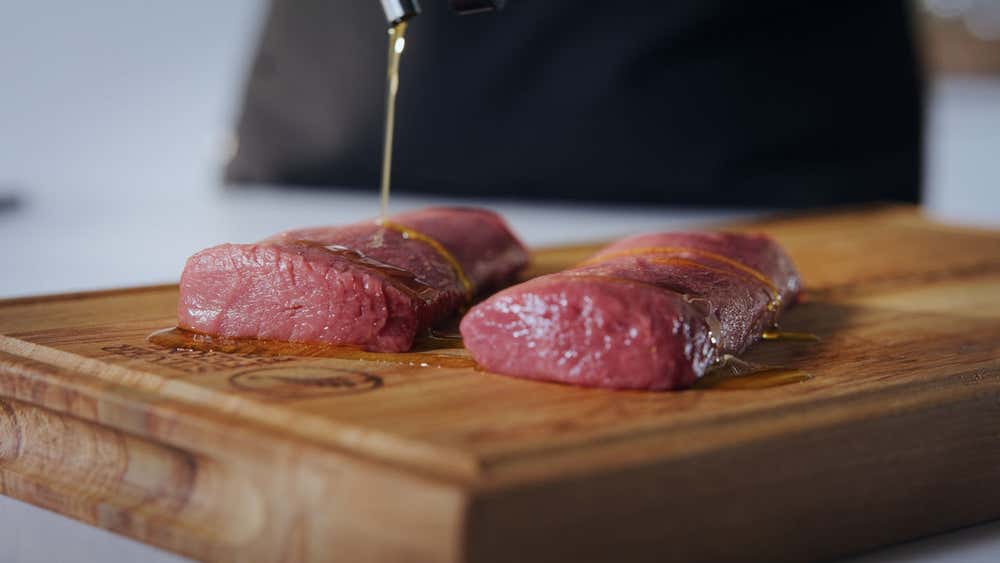
Credit: silverfernfarms.com
Frequently Asked Questions
Is It Safe To Cut Meat On Wood?
Yes, it’s safe to cut meat on a wooden board if properly maintained. Clean the board thoroughly after each use to prevent bacteria. Regularly oil the board to maintain its condition and prevent cracks. Wood has natural antibacterial properties, making it a popular choice for many chefs.
How Do I Clean A Wooden Cutting Board?
Clean a wooden cutting board with hot, soapy water after each use. Scrub thoroughly and rinse well. Avoid soaking it in water to prevent warping. Dry immediately with a towel. For deep cleaning, use a mixture of vinegar and water.
Regularly oil the board to maintain its quality.
Can Wood Cutting Boards Harbor Bacteria?
Wood cutting boards can harbor bacteria if not cleaned properly. However, wood has natural antibacterial properties that help. Clean the board immediately after cutting meat. Use hot, soapy water and dry thoroughly. Regularly oil the board to prevent cracks where bacteria can hide.
Do Wooden Boards Dull Knives?
Wooden cutting boards are gentle on knives and help prevent dulling. Their soft surface protects knife edges. Avoid using glass or stone boards, as they can quickly dull knives. Regularly maintain your wooden board to ensure its longevity and effectiveness in protecting your knives.
Conclusion
Wooden cutting boards can be safe for cutting meat with care. Clean them well after every use to stop germs. Use separate boards for meat and vegetables to avoid cross-contamination. Dry the board completely to keep it in good shape.
Regular oiling helps wood last longer and stay strong. Wooden boards can be a good choice if you keep them clean and maintained. Choose the right board and follow simple steps for safe food preparation. Cutting meat on wood is fine when done properly and carefully.