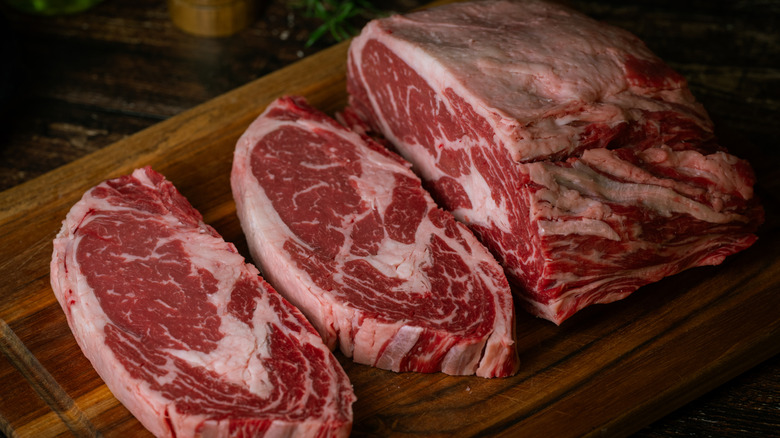
Are you wondering if it’s safe to cut raw meat on a wood cutting board? You’re not alone.
Many home cooks face this exact question when preparing meals. Using the wrong cutting board can lead to bacteria lingering on your board and eventually on your food. But wood boards have their own unique qualities that might surprise you.
You’ll discover the truth about wood cutting boards and raw meat, so you can keep your kitchen safe and your meals delicious. Keep reading—you’ll learn simple tips that could protect your health and make your cooking easier.
Wood Cutting Boards And Raw Meat
Cutting raw meat on wood boards is a common kitchen practice. Many wonder if it is safe and hygienic. Wood boards differ in types and properties.
This guide looks at popular wood types and their natural features for handling raw meat.
Types Of Wood Used
Wood cutting boards come in many types. Each wood has unique traits that affect safety and durability.
- Maple: Dense and hard, common for cutting boards
- Walnut: Dark, strong wood with fine grain
- Cherry: Smooth texture and moderate hardness
- Bamboo: Technically grass but often used like wood
- Teak: Contains natural oils resisting moisture
Wood’s Natural Properties
Wood has properties that help protect against bacteria. Some woods absorb less moisture. This limits germs from growing.
| Property | Effect on Raw Meat Safety |
| Porosity | Lower porosity means less liquid absorption |
| Natural Oils | Oils help repel water and bacteria |
| Grain Tightness | Tighter grain reduces deep cuts where bacteria hide |
| Hardness | Hard woods resist knife marks and damage |
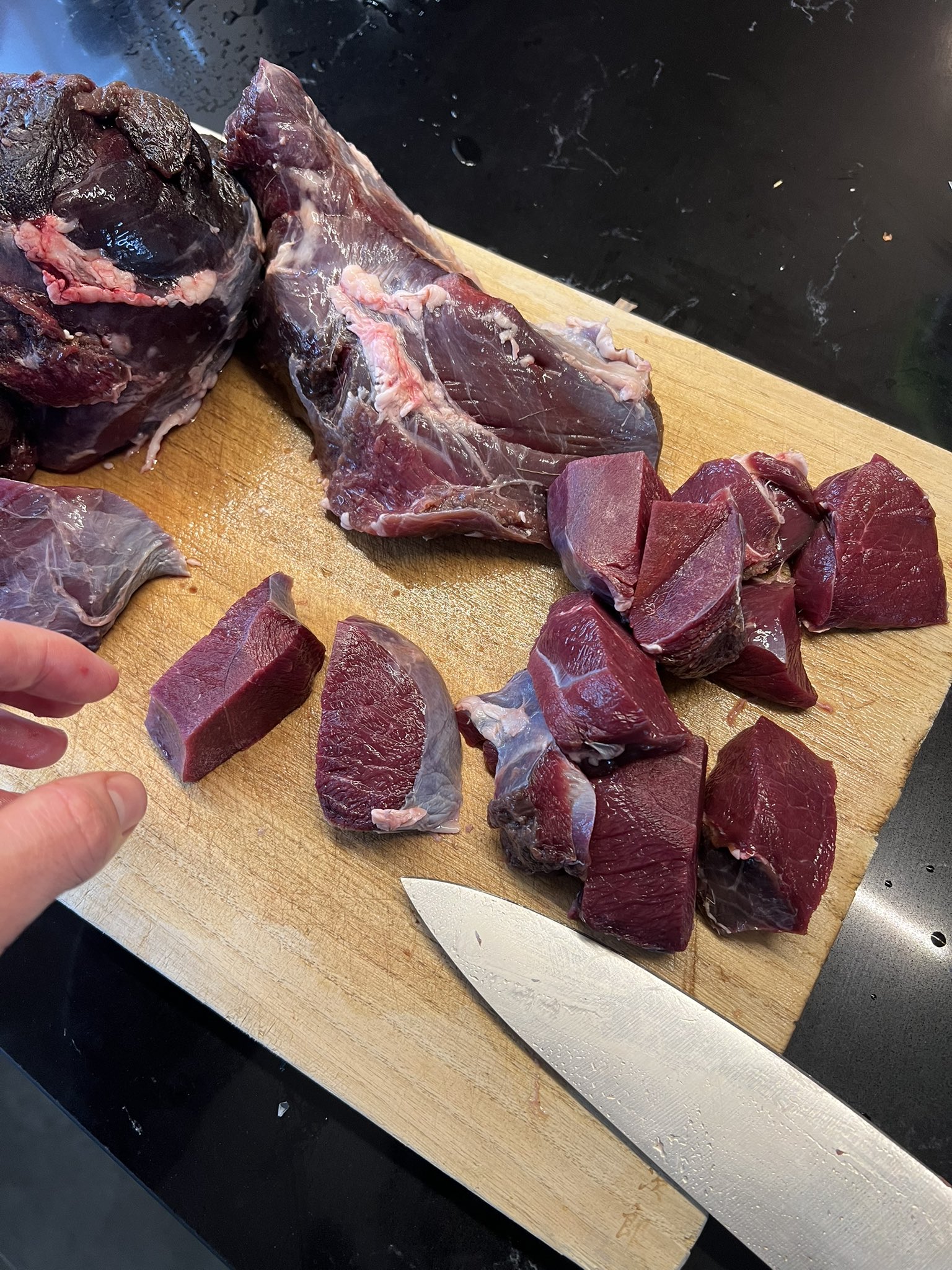
Credit: x.com
Risks Of Using Wood Boards For Raw Meat
Wood cutting boards are popular in kitchens. Many wonder if they are safe for raw meat.
Raw meat can carry germs that cause illness. Using the wrong board may increase health risks.
Bacterial Contamination
Wood is porous and can absorb juices from raw meat. These juices may contain harmful bacteria.
Bacteria can stay inside the wood, even after washing. This can cause food poisoning if not cleaned well.
- Wood absorbs liquids, trapping bacteria inside.
- Cleaning wood boards is harder than plastic ones.
- Some bacteria survive in small cracks and cuts on wood.
Cross-contamination Concerns
Using the same wood board for raw meat and other foods can spread bacteria. This spreads germs to ready-to-eat items.
Cross-contamination happens when bacteria move from one food to another. It can cause serious health problems.
- Cutting raw meat then vegetables on the same board spreads bacteria.
- Wood boards can trap bacteria, increasing cross-contamination risk.
- Separate boards reduce the chance of foodborne illness.
Safe Practices For Using Wood Boards
Cutting raw meat on wood boards can be safe if you follow the right steps. Wood is durable but needs proper care to avoid germs.
Knowing how to clean and sanitize wood boards helps keep your kitchen safe. Let’s look at best ways to keep wood boards clean.
Cleaning Techniques
Cleaning wood cutting boards removes dirt and food scraps. Use warm water and soap right after use. Avoid soaking the board.
- Rinse the board with hot water
- Use a scrub brush or sponge with mild soap
- Rinse thoroughly to remove all soap
- Dry the board with a clean towel
- Let it air dry standing up or on a rack
Sanitizing Methods
Sanitizing kills bacteria that cleaning may miss. You can use natural or chemical sanitizers safely on wood boards.
| Sanitizing Method | Instructions |
| Vinegar Spray | Spray white vinegar on the board, let sit 5 minutes, then rinse. |
| Hydrogen Peroxide | Apply 3% hydrogen peroxide, wait 10 minutes, then rinse well. |
| Bleach Solution | Mix 1 tablespoon bleach in 1 gallon water, apply for 2 minutes, rinse thoroughly. |
| Salt and Lemon | Rub coarse salt and half a lemon over the board, rinse and dry. |

Credit: www.wikihow.com
Alternatives To Wood Cutting Boards
Cutting raw meat on wood boards can raise hygiene concerns. Some people look for other board types. These alternatives can be easier to clean and maintain.
This guide covers two popular alternatives: plastic and composite cutting boards. Both have benefits worth knowing.
Plastic Boards Benefits
Plastic cutting boards are common in many kitchens. They offer good hygiene because they are non-porous. This means bacteria do not soak in easily.
- Easy to clean with hot water and soap
- Dishwasher safe for deep cleaning
- Less likely to dull knives
- Usually lighter and less expensive
- Available in different colors for food safety
Composite Boards Options
Composite boards mix materials like wood fibers and resin. They look like wood but handle moisture better. These boards are durable and resistant to cracks.
| Feature | Composite Boards | Wood Boards |
|---|---|---|
| Water Resistance | High | Moderate |
| Knife Friendliness | Good | Excellent |
| Maintenance | Low | High |
| Hygiene | Better | Needs Care |
| Appearance | Wood-like | Natural Wood |
Maintaining Wood Boards For Safety
Wood cutting boards add charm to your kitchen. They need care to stay safe and last long.
Proper cleaning and maintenance stop bacteria from growing. This keeps your food safe.
Regular Oil Treatment
Oiling your wood board keeps it from drying out. It also helps prevent cracks and warping.
- Use food-grade mineral oil for best results
- Apply oil evenly with a clean cloth
- Let the oil soak in for several hours
- Wipe off any extra oil before use
- Repeat this treatment once a month or as needed
Avoiding Cracks And Damage
Cracks in wood boards can trap bacteria and cause injury. Avoid damage by following some simple rules.
| Action | Reason |
| Do not soak board in water | Prevents wood from swelling and cracking |
| Do not put board in dishwasher | Heat and water cause damage |
| Clean with warm soapy water after use | Removes bacteria and food residue |
| Dry board immediately with cloth | Stops moisture absorption |
| Sand rough spots gently | Removes splinters and smooths surface |
Expert Opinions And Studies
Cutting raw meat on a wood cutting board raises questions about safety and hygiene.
Experts and studies have examined the risks and best practices for using wood boards with raw meat.
Research Findings
Research shows wood has natural properties that can help reduce bacteria growth.
- Wood fibers absorb moisture, trapping bacteria below the surface.
- Some woods release antimicrobial substances that kill bacteria.
- Studies find wood boards can be as safe as plastic if cleaned properly.
- Cross-contamination risk increases if the board is not sanitized well.
Proper cleaning is essential to keep wood boards safe after cutting raw meat.
Chef Recommendations
Many chefs prefer wood cutting boards for raw meat due to durability and knife protection.
| Tip | Description |
| Separate Boards | Use different boards for raw meat and other foods. |
| Clean Immediately | Wash boards with hot water and soap right after use. |
| Dry Thoroughly | Air-dry boards completely to prevent bacteria growth. |
| Regular Oil | Apply mineral oil to maintain wood and reduce cracking. |

Credit: www.yahoo.com
Frequently Asked Questions
Is It Safe To Cut Raw Meat On Wood?
Yes, it’s safe to cut raw meat on a wood cutting board. Wood has natural antimicrobial properties that help kill bacteria. However, it’s important to clean the board thoroughly after each use. Use hot, soapy water and dry it completely to maintain hygiene and prevent contamination.
How Do I Clean A Wooden Cutting Board?
To clean a wooden cutting board, wash it with hot, soapy water. Rinse thoroughly and dry with a towel. Avoid soaking it in water to prevent warping. Occasionally, sanitize using a diluted vinegar solution. Regularly apply mineral oil to maintain the wood’s condition and prevent cracks.
Why Choose Wood Over Plastic For Meat?
Wood is often preferred over plastic because it’s more durable and self-healing. Knife marks on wood close over time, reducing bacteria hiding spots. Its natural antimicrobial properties provide added protection. Although plastic boards are dishwasher safe, they can retain deep grooves where bacteria can thrive.
Can Wood Cutting Boards Harbor Bacteria?
Wood cutting boards are less likely to harbor bacteria compared to plastic. Wood’s natural antimicrobial properties help kill bacteria. However, improper cleaning can lead to contamination. Always clean and dry the board thoroughly after use. Regular oiling helps maintain the board’s surface and prevents bacteria buildup.
Conclusion
Wood cutting boards can be safe for raw meat with proper care. Clean the board well after every use. Use hot water and soap to kill germs. Avoid deep cuts where bacteria can hide. Consider using separate boards for meat and vegetables.
This helps stop cross-contamination. Keep your kitchen safe and healthy. Simple steps make a big difference. Choose the right board and clean it often. Your food stays safer, and your cooking more enjoyable.