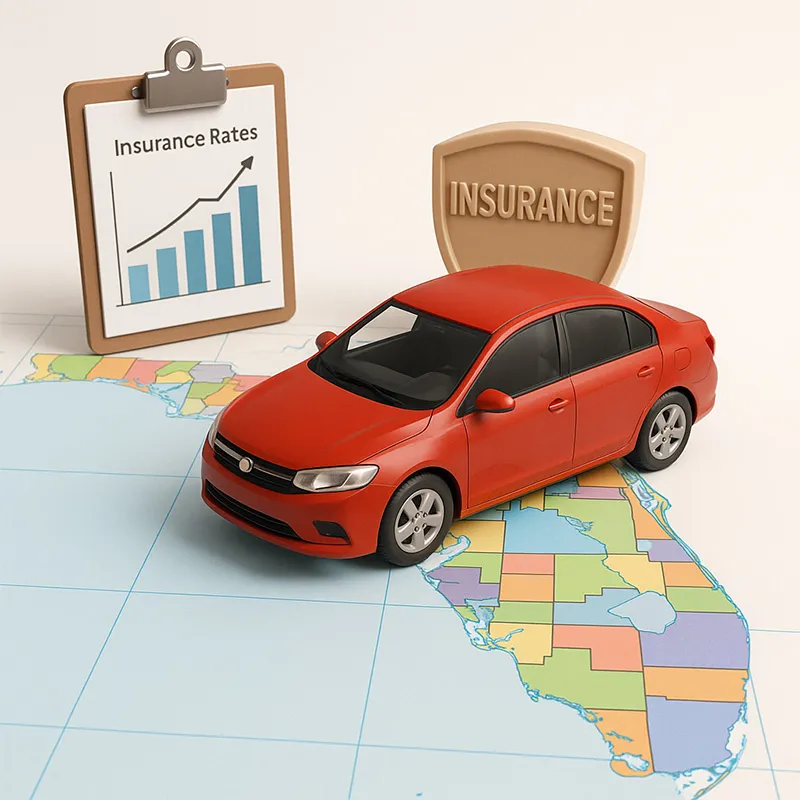
Have you ever wondered if you can drive your parents’ car without insurance? It might seem simple—after all, it’s their car, not yours.
But the rules around insurance can be tricky and getting it wrong could cost you a lot more than just a fine. Before you get behind the wheel, you need to know exactly what’s allowed and what’s not. Keep reading to find out the real answers and avoid any surprises on the road.
Credit: loanscanada.ca
Legal Requirements For Driving
Understanding the legal requirements for driving your parents’ car without insurance is crucial. Laws vary, and missing a key rule could lead to serious trouble. Let’s break down what you must know to stay safe and legal on the road.
Mandatory Insurance Laws
Driving any vehicle without insurance is illegal in most places. Insurance protects you and others from financial loss after an accident. Even if the car belongs to your parents, you must be covered by their policy or have your own.
Some insurance policies automatically cover occasional drivers, like family members. However, this isn’t guaranteed. Have you checked if you’re listed on your parents’ insurance? If not, you could face fines or even license suspension.
Keep in mind, uninsured driving can lead to hefty penalties. It might include paying out-of-pocket for damages or legal fees. Would you want to risk thousands of dollars just to avoid adding your name to a policy?
License And Permission Rules
You must have a valid driver’s license to operate any vehicle. The type of license required depends on your location and the car class. Driving without a proper license can result in fines and legal trouble.
Besides the license, permission from the car owner is essential. Even if it’s your parents’ car, explicit consent matters. Imagine getting stopped by the police and not being able to prove you had permission—this can escalate the situation quickly.
Have you ever asked your parents if they checked the insurance coverage before you drove? Being clear on these points avoids misunderstandings and keeps you protected. Always keep a copy of your license and proof of permission handy when driving.
Insurance Coverage Basics
Understanding insurance coverage basics is key before driving your parents’ car. Insurance protects against financial loss from accidents. It is important to know who is covered and how the policy works.
How Car Insurance Works
Car insurance pays for damages from crashes or theft. The policy includes different types of coverage like liability, collision, and comprehensive. Each type covers specific risks. Insurance companies assess risk to set the price. The driver must pay a deductible before insurance helps. Coverage limits show the maximum amount insurance will pay.
Policyholder And Driver Roles
The policyholder is the person who owns the insurance policy. This is usually the car owner. Drivers covered under the policy can legally drive the car. Not all drivers are automatically covered. The policy may list permitted drivers or include anyone with permission. Insurance companies often require the driver to have a valid license. Driving without coverage can lead to serious legal trouble and financial loss.
Driving Parents’ Car Without Insurance
Driving your parents’ car without insurance might seem straightforward, especially if it’s just a quick trip or an emergency. However, this choice carries risks that many overlook. Before you get behind the wheel, it’s crucial to understand the legal and financial consequences that can arise from driving uninsured.
Risks And Consequences
Driving without insurance, even in a parent’s car, can lead to serious troubles. If you get into an accident, you could be held personally responsible for all damages and medical costs. This can quickly become a financial burden that affects your future.
Legal consequences vary by state but often include fines, license suspension, or even jail time. Insurance companies may refuse to cover damages if you weren’t listed as an insured driver. This leaves you exposed to paying out-of-pocket for repairs and medical bills.
Think about this: is a short drive really worth the risk of losing your driving privileges or facing a hefty fine? Many people assume their parents’ insurance covers them automatically, but that’s not always true.
When You Might Be Covered
Sometimes, you are covered under your parents’ insurance policy as a permissive driver. This means if your parents gave you permission to drive their car, their insurance might extend to you. However, this depends on the insurance provider and the specific policy terms.
Check if you’re listed as an occasional driver or if the policy includes permissive use. Some policies cover family members living in the same household automatically, while others require explicit permission or addition to the policy.
It’s smart to ask your parents to call their insurance company and confirm your coverage before you drive. Don’t assume—getting clear answers can save you from unexpected trouble later.
Credit: www.worthinsurance.com
Alternatives To Personal Insurance
Driving a car without your own insurance may seem risky. Yet, there are ways to stay protected without buying a full policy. These alternatives can help you legally drive your parents’ car without personal insurance. Understanding these options keeps you safe and avoids legal trouble.
Using Parents’ Insurance Policy
Most car insurance policies cover occasional drivers. If your parents’ policy includes you, you can drive their car legally. Their insurance acts as primary coverage while you drive. Always check with your parents’ insurer to confirm this. Some policies require you to be listed as a driver. Others provide coverage automatically for family members. Driving under their policy usually means no extra cost for you.
Temporary Or Non-owner Insurance
Temporary insurance offers short-term coverage. Ideal for occasional drivers who don’t own a car. This policy covers you when driving someone else’s vehicle. It usually lasts from a few days to a month. Non-owner insurance is another option. It covers drivers who frequently borrow cars but don’t own one. Both options protect against liability and accidents. They cost less than full personal insurance and provide peace of mind.
What To Do After An Accident
After an accident, your actions can greatly affect the outcome of any insurance claims or legal matters. Staying calm and knowing exactly what to do helps you protect yourself and your parents’ interests. Here’s what you need to focus on immediately after the accident.
Reporting And Claims Process
First, make sure everyone involved is safe. Call emergency services if there are any injuries. Safety is your top priority.
Next, exchange information with the other party. This includes names, contact details, and insurance information. Take photos of the damage and the accident scene to support your claim later.
Report the accident to your parents’ insurance company as soon as possible. Be honest and provide all necessary details. Delaying this step can complicate the claim process.
Have you ever wondered how detailed your accident report should be? The more accurate and clear your description, the smoother the claim process will be.
Potential Legal Implications
Driving your parents’ car without insurance can lead to serious legal trouble if you’re involved in an accident. You might face fines, license suspension, or even lawsuits if the damages are significant.
In some states, the car’s insurance might cover you as a permitted driver, but this varies widely. It’s crucial to understand your local laws before getting behind the wheel.
Think about this: what happens if the insurance company finds out you weren’t listed on the policy? They could deny the claim, leaving you responsible for all costs.
After an accident, consider consulting a legal expert to understand your rights and obligations. This can save you from unexpected consequences down the road.
Tips To Stay Protected
Driving your parents’ car without insurance can lead to serious trouble. Staying protected is crucial to avoid financial and legal problems. Simple steps help you confirm if coverage exists and communicate with insurance providers. These tips help keep you safe and responsible on the road.
Confirming Coverage Before Driving
Always check if the car’s insurance covers other drivers. Some policies allow occasional drivers without extra fees. Others require adding your name to the policy first. Ask your parents to review their insurance documents. Look for terms like “permitted drivers” or “named drivers.”
Verify the insurance limits and what damages it covers. Confirm if the policy includes liability, collision, and comprehensive coverage. Without proper coverage, you risk paying for accidents yourself. Checking first avoids costly surprises later.
Communicating With Insurance Providers
Contact the insurance company to clarify your driving status. Provide your details and ask if you can drive under their policy. Insurance agents can explain the rules clearly. They may advise adding you temporarily or permanently.
Keep records of all communication with the insurance provider. Save emails, notes, and confirmation numbers. This documentation helps if disputes arise after an incident. Clear communication avoids misunderstandings and protects your rights.
Credit: www.worthinsurance.com
Frequently Asked Questions
Do I Need Insurance To Drive My Parent’s Car?
Yes, insurance is typically required to drive any vehicle, even if it’s your parent’s car. If you’re not listed on their policy, you might not be covered. It’s best to check with the insurance provider to understand the coverage specifics.
What Happens If I Drive Without Insurance?
Driving without insurance can lead to legal and financial issues. If you get into an accident, you could face fines, legal penalties, and financial liability for damages. It’s crucial to ensure you’re covered by some form of insurance before driving.
Can I Be Added To My Parent’s Insurance?
Yes, you can usually be added to your parent’s insurance policy. This is often the simplest way to ensure coverage while driving their car. Contact their insurance provider to discuss the process and any potential impact on premiums.
Is It Cheaper To Be On My Parent’s Policy?
Being on a parent’s policy can often be more affordable than getting your own. It usually results in lower premiums due to shared coverage. However, this can vary based on factors like driving history and the insurance provider.
Conclusion
Driving your parents’ car without insurance carries real risks. Insurance protects you from costly damages and legal trouble. Always check if the car’s insurance covers other drivers. Some policies do, but not all. Getting your own insurance is safer and smarter.
Avoid driving uninsured to stay safe and legal. Protect yourself and others on the road. Remember, being responsible helps everyone drive with peace of mind. Stay informed and always drive with proper coverage.