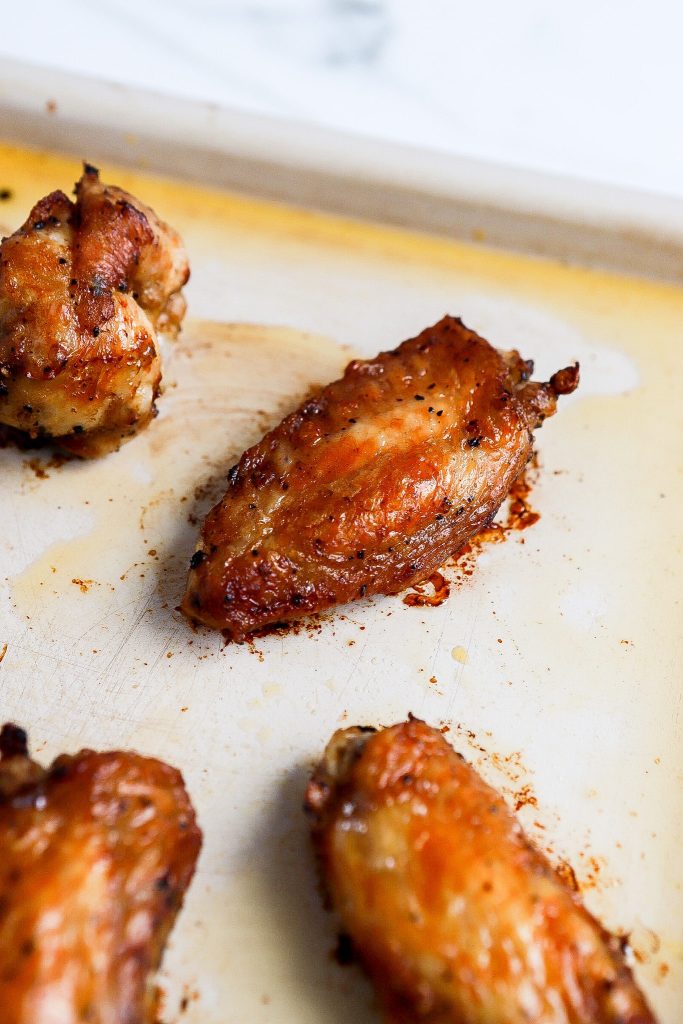
Have you ever found yourself with a plate full of delicious cooked chicken wings and wondered, “Can I freeze these for later?” You’re not alone!
Many of us love to savor the taste of perfectly cooked wings, but sometimes, our eyes are bigger than our stomachs. The good news is, freezing cooked chicken wings can be a game-changer for your meal planning and food storage.
Imagine having a stash of your favorite wings ready to heat up whenever the craving hits. Intrigued? Keep reading to discover the best methods for freezing cooked chicken wings, ensuring they retain their flavor and texture. You’ll also learn some insider tips that could save you time and money. Don’t let your wings go to waste—unlock the secrets to preserving your culinary delights today!
Freezing Cooked Chicken Wings
Freezing cooked chicken wings saves time and reduces food waste. It keeps the wings tasty and ready to eat later. Proper freezing maintains texture and flavor. Follow simple steps to freeze wings safely and enjoy them anytime.
Best Practices For Freezing
Cool cooked wings completely before freezing. Warm food causes ice crystals and soggy texture. Remove excess sauce if very wet. Wrap wings tightly to avoid freezer burn. Label packages with date and contents. Freeze wings within two hours of cooking.
Choosing The Right Containers
Select airtight containers or heavy-duty freezer bags. Containers prevent air exposure and moisture loss. Use flat containers to save freezer space. Freezer bags are flexible and easy to seal. Avoid thin plastic wrap alone; it doesn’t seal well.
Portioning Before Freezing
Divide wings into single or family-size portions. Portioning helps thaw only what is needed. Use small containers or bags for each portion. This reduces waste and keeps wings fresh longer. Label each portion with size and date.
Preparing Wings For Storage
Cooked chicken wings should cool completely before freezing to keep their texture and taste. Store wings in airtight bags or containers to prevent freezer burn and maintain freshness.
Cooling Wings Properly
Cool the cooked wings before freezing to keep quality. Place them on a wire rack or paper towels. Let air circulate around each wing. This stops sogginess and helps them freeze evenly. Avoid stacking wings while warm. Warmth traps steam and causes freezer burn.
Removing Excess Sauce
Remove extra sauce before freezing wings. Thick sauce freezes harder and may change texture. Use a paper towel to blot off excess sauce gently. Keep some sauce on to maintain flavor. Too much sauce can make wings sticky after thawing.
Wrapping Techniques
Wrap wings tightly to protect from freezer air. Use plastic wrap or aluminum foil first. Make sure no air pockets remain. Then place wrapped wings in a freezer-safe bag or container. Label with date and type of wings. Proper wrapping prevents freezer burn and preserves taste.
Thawing Frozen Wings
Thawing frozen chicken wings properly is key to keeping them tasty and safe to eat. If you rush the process or leave wings out on the counter, you risk uneven thawing and bacterial growth. Let’s look at how you can thaw your wings the right way and get them ready for a delicious meal.
Safe Thawing Methods
Thaw your wings in the refrigerator for 24 hours for the best results. This slow thaw keeps the temperature steady, preventing bacteria from multiplying.
If you’re short on time, place the wings in a sealed plastic bag and submerge them in cold water. Change the water every 30 minutes to keep it cold. This method usually takes about one to two hours depending on the amount.
Microwave thawing works but be careful. Use the defrost setting and cook wings immediately after, as parts may start to cook during thawing.
Avoiding Bacterial Growth
Never thaw wings by leaving them on the kitchen counter. Temperatures above 40°F (4°C) allow harmful bacteria to multiply quickly.
Keep thawed wings in a container or on a plate to catch any drips. This prevents cross-contamination with other foods in your fridge.
Have you ever noticed a strange smell or slimy texture after thawing? That’s a sign the wings have spoiled. Always trust your senses before cooking.
Reheating Tips
Reheat thawed wings to an internal temperature of 165°F (74°C) to kill any bacteria. Use a food thermometer for accuracy.
For crispy wings, finish reheating in the oven or on a grill instead of the microwave. This brings back the texture and flavor better.
If you want to keep wings juicy, cover them loosely with foil while reheating. This traps moisture but still allows heat to circulate evenly.

Credit: www.youtube.com
Shelf Life And Quality
Freezing cooked chicken wings is a smart way to keep them fresh longer. Understanding shelf life and quality helps keep wings safe and tasty. Proper storage preserves flavor and texture well. Let’s explore how long wings stay good, signs of spoilage, and tips for keeping texture and flavor intact.
How Long Wings Stay Good
Cooked chicken wings stay fresh in the freezer for up to 4 months. Beyond this, they may lose taste and texture. In the refrigerator, wings last 3 to 4 days. Always store wings in airtight containers or freezer bags. Label with the date to track freshness easily.
Signs Of Spoilage
Check wings carefully before eating. Spoiled wings often smell sour or off. Look for slimy or sticky texture on the surface. Color changes like gray or green spots show spoilage. If unsure, it is safer to discard the wings.
Maintaining Texture And Flavor
Freeze wings quickly after cooking to lock in flavor. Use airtight packaging to prevent freezer burn. Thaw wings slowly in the fridge to keep texture firm. Reheat gently to avoid drying out the meat. Adding a little sauce during reheating can help restore moisture.
Common Mistakes To Avoid
Freezing cooked chicken wings saves time and reduces waste. Avoiding common freezing mistakes keeps wings tasty and safe. Small errors can cause freezer burn, sogginess, or bad smells. Learn the key mistakes to avoid for best results.
Freezing While Hot
Putting hot wings directly in the freezer is a bad idea. Hot food raises the freezer temperature, affecting other foods. It also creates condensation, leading to ice crystals on wings. Let wings cool to room temperature before freezing. This keeps texture and flavor intact.
Using Improper Packaging
Using weak or loose packaging invites freezer burn and loss of flavor. Avoid simple plastic wrap or thin bags alone. Use airtight containers or heavy-duty freezer bags. Remove as much air as possible before sealing. Proper packaging locks in moisture and taste.
Refreezing Thawed Wings
Refreezing wings after thawing lowers quality and safety. Each freeze-thaw cycle dries out the meat and makes it tough. Bacteria can grow if wings stay too long at room temperature. Freeze wings only once after cooking for best results.

Credit: www.chickdishes.com
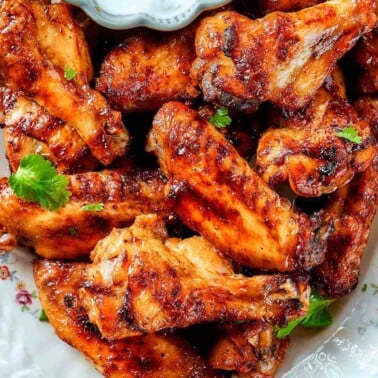
Credit: thebigmansworld.com
Frequently Asked Questions
Can I Freeze Cooked Chicken Wings Safely?
Yes, you can safely freeze cooked chicken wings. Wrap them tightly in foil or airtight containers. Proper freezing keeps wings fresh for up to 4 months.
How Do I Thaw Frozen Cooked Chicken Wings?
Thaw wings overnight in the refrigerator. For quicker thawing, use the microwave’s defrost setting. Avoid leaving wings at room temperature to prevent bacteria growth.
Will Freezing Affect Chicken Wings’ Texture?
Freezing may slightly change texture, making wings less crispy. Reheating in an oven or air fryer restores some crispiness. Proper storage minimizes texture changes.
How Long Can Cooked Chicken Wings Stay Frozen?
Cooked chicken wings can be frozen for up to 4 months. Beyond that, quality and flavor may decline. Always check for freezer burn before eating.
Conclusion
Cooked chicken wings freeze well and keep their taste. Wrap them tightly to avoid freezer burn. Use airtight containers or freezer bags. Freeze wings within two hours after cooking. Thaw wings in the fridge for best results. Reheat thoroughly before eating for safety.
Frozen wings last up to four months. Keep track of freezing dates to avoid spoilage. This method saves time and reduces food waste. Enjoy your wings anytime with simple freezing steps.