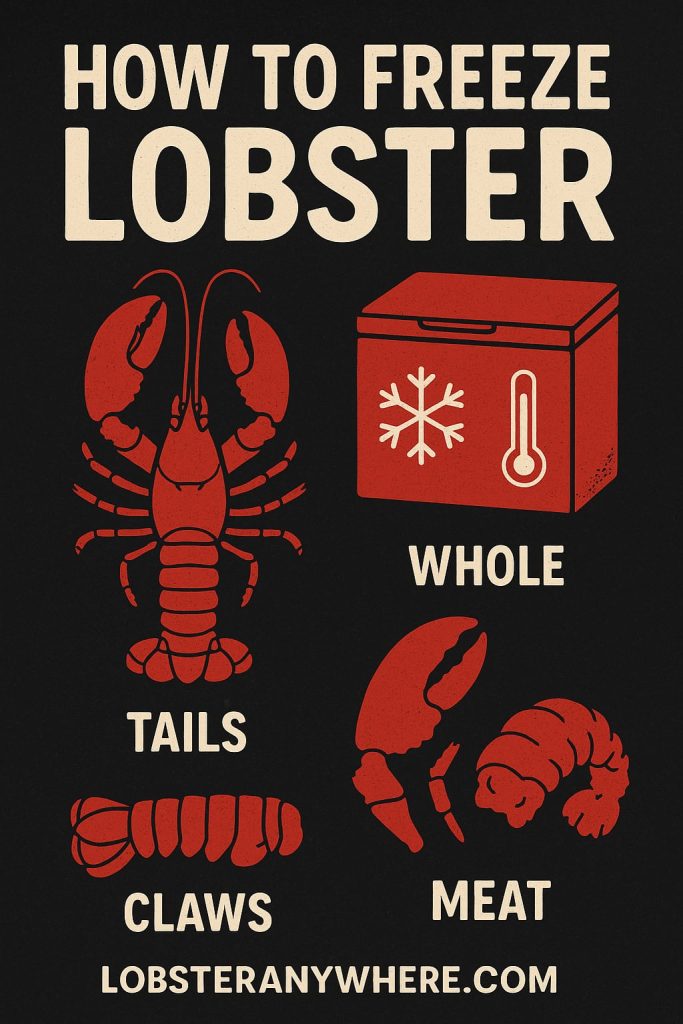
Imagine you’re savoring a delicious lobster meal, and you’ve got some leftover. You’re wondering, “Can I freeze cooked lobster?”
The idea of preserving that rich, oceanic flavor for later enjoyment is tempting. But is it possible without compromising taste and texture? Your curiosity is not only natural but smart, as understanding how to properly store seafood can save you time and money, while also ensuring you enjoy your meals to the fullest.
This article will reveal everything you need to know about freezing cooked lobster. Stick around and find out how you can keep that gourmet experience alive, ready to indulge whenever you please.

Credit: lobsteranywhere.com
Why Freeze Cooked Lobster
Freezing cooked lobster is a smart move that can save you both time and money. It allows you to enjoy this luxurious seafood whenever you want, without rushing to finish it right away. But why exactly should you freeze cooked lobster? Let’s take a closer look.
Benefits Of Freezing
Freezing cooked lobster locks in its freshness and flavor, preventing waste. If you’ve ever found yourself with leftover lobster after a special meal, freezing gives you the chance to savor it later without losing quality.
It also makes meal planning easier. You can prepare lobster in advance and freeze portions for quick, impressive dishes on busy days. This way, you avoid last-minute trips to the store or expensive takeout orders.
Another benefit is cost savings. Buying lobster in bulk when it’s on sale and freezing it can stretch your budget further. You get premium seafood at a lower price and control over when to enjoy it.
When To Freeze Lobster
You want to freeze cooked lobster as soon as it cools down to maintain its texture and taste. Delaying the freezing process can cause the meat to dry out or develop off-flavors.
If you’re cooking lobster for a gathering, freeze any leftovers within two hours after cooking. Use airtight containers or vacuum-sealed bags to keep freezer burn at bay.
Consider freezing lobster if you don’t plan to eat it within 2-3 days after cooking. This helps avoid spoilage and ensures your lobster stays safe and delicious for future meals.
Preparing Lobster For Freezing
Preparing cooked lobster for freezing ensures it stays fresh and tasty. Proper steps keep the texture and flavor intact. Follow careful cleaning and portioning for best results.
Cleaning And Cooling
Remove all shells and cartilage from the cooked lobster meat. Check for any bits of shell to avoid a crunchy surprise later. Rinse the meat gently under cold water to remove any residue.
Cool the lobster quickly after cooking. Place it in the refrigerator for at least an hour before freezing. This prevents bacteria growth and keeps the meat firm.
Portioning For Storage
Divide the lobster meat into small, usable portions. This helps thaw only what you need. Use airtight containers or heavy-duty freezer bags to avoid freezer burn.
- Label each package with the date of freezing.
- Remove as much air as possible from freezer bags.
- Lay bags flat to freeze for easy stacking and quick thawing.
Best Freezing Methods
Freezing cooked lobster is a smart way to keep its flavor and texture fresh. Choosing the right freezing method helps avoid freezer burn and preserves taste. Using proper containers and sealing techniques is key. These methods ensure your lobster stays delicious for later meals.
Using Airtight Containers
Airtight containers block air and moisture from reaching the lobster. Use containers made of glass or BPA-free plastic. Make sure the container fits the lobster without much extra space. This reduces air pockets that cause freezer burn. Always cool the lobster before placing it inside. Seal the container tightly to keep freshness locked in.
Vacuum Sealing Tips
Vacuum sealing removes air completely around the lobster. This method extends freezer life and keeps flavor strong. Use a good quality vacuum sealer and bags made for freezing. Place the lobster flat inside the bag before sealing. Avoid overfilling the bag to ensure a proper seal. Label the bag with the date for easy tracking.
Freezer Bags Vs Containers
| Storage Type | Pros | Cons |
|---|---|---|
| Freezer Bags | Take less space, easy to seal, good for vacuum sealing | Can tear, may let air in if not sealed well |
| Airtight Containers | Durable, reusable, prevents crushing, good for stacking | Take more space, can be heavy, may not seal perfectly |
Choose based on your freezer space and how long you plan to store lobster. Both keep lobster safe, but sealing quality matters most.
Freezing Duration And Storage
Knowing how long you can freeze cooked lobster and the best way to store it can save you from wasting this delicious seafood. Proper freezing preserves the lobster’s flavor and texture, so you can enjoy it later just as much as when it was freshly cooked. Let’s look at the ideal freezing times and how to protect your lobster from freezer burn.
Ideal Freezing Time
Cooked lobster keeps best in the freezer for up to 3 months. Beyond this, its taste and texture start to decline noticeably. If you freeze it longer, you risk losing that fresh, sweet lobster flavor you love.
To get the best results, freeze your cooked lobster as soon as it cools down after cooking. This locks in freshness and prevents bacteria growth. Have you ever noticed a freezer stash that tastes off after a while? That’s usually because it stayed too long.
Avoiding Freezer Burn
Freezer burn happens when air reaches the lobster’s surface, drying it out and causing tough, flavorless spots. To avoid this, wrap the lobster tightly in plastic wrap or aluminum foil before placing it in an airtight container or heavy-duty freezer bag.
Remove as much air as possible from the packaging. Using a vacuum sealer is even better if you have one. Label the package with the freezing date to keep track of how long it’s been stored.
- Wrap lobster tightly in plastic wrap or foil
- Place wrapped lobster in a freezer-safe airtight container or bag
- Squeeze out excess air before sealing
- Label with date for easy tracking
Have you tried freezing lobster without proper wrapping? You might have noticed dry, rubbery spots. Taking a few extra minutes to seal it well makes all the difference in taste and texture when you thaw it later.
Thawing Cooked Lobster
Thawing cooked lobster correctly keeps its texture and flavor intact. Improper thawing can make the lobster rubbery or bland. It is important to use safe and gentle methods. This protects the quality and safety of the seafood. Proper thawing also helps maintain the lobster’s fresh taste. Below are tips to thaw cooked lobster with care.
Safe Thawing Techniques
Place the cooked lobster in the refrigerator. Let it thaw slowly for 8 to 12 hours. This keeps the lobster at a safe temperature. Avoid leaving lobster at room temperature. Bacteria can grow quickly and cause food poisoning.
Use cold water for faster thawing. Seal the lobster in a watertight plastic bag. Submerge the bag in cold water. Change the water every 30 minutes. The lobster will thaw in about 1 to 2 hours.
Never use warm or hot water. It can start cooking the lobster again. Microwaving is not recommended. It heats unevenly and can ruin the texture.
Avoiding Flavor Loss
Keep the lobster wrapped tightly. Exposure to air causes flavor loss. Use plastic wrap or airtight containers. Thaw lobster in its shell when possible. The shell helps retain moisture and flavor.
After thawing, cook or eat lobster soon. Avoid refreezing thawed lobster. Each freeze-thaw cycle weakens flavor and texture.
Serve lobster with simple seasonings. Light butter or lemon enhances natural taste. Strong spices can mask delicate lobster flavor.
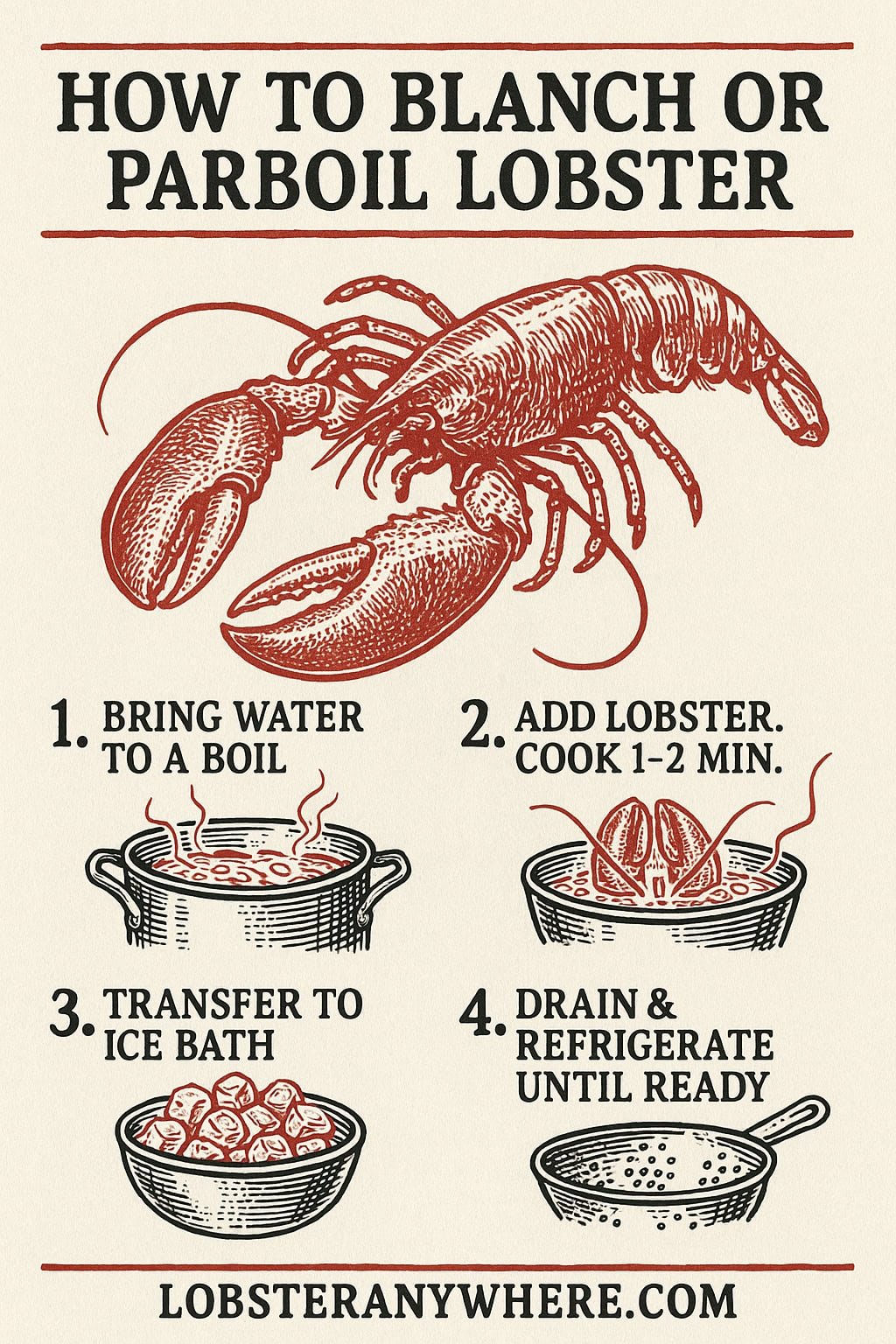
Credit: lobsteranywhere.com
Reheating Frozen Lobster
Reheating frozen lobster might seem tricky, but it doesn’t have to be. The key is to warm it gently to keep that fresh-from-the-sea taste and tender texture you love. Rushing the process can make the lobster tough and rubbery, so patience really pays off here.
Gentle Reheating Methods
Steaming is one of the best ways to reheat frozen lobster. Add a small amount of water to a pot, bring it to a simmer, and place the lobster in a steamer basket. Cover and heat for about 5-7 minutes, checking frequently to avoid overcooking.
Another option is reheating in a skillet with a bit of butter over low heat. This method not only warms the lobster evenly but also adds a rich flavor. Make sure to flip the lobster occasionally and keep the heat low to prevent drying out.
If you prefer the microwave, use the lowest power setting and heat in short bursts of 20-30 seconds. Cover the lobster with a damp paper towel to keep moisture in. This method requires constant monitoring to avoid overheating.
Preserving Texture And Taste
To maintain the lobster’s delicate texture, avoid reheating it directly from frozen. Thaw it overnight in the refrigerator for a more even heat distribution. This simple step can make a noticeable difference in taste and mouthfeel.
Adding a splash of broth, butter, or lemon juice during reheating helps keep the lobster moist and flavorful. Think about how you enjoyed the lobster when fresh—try to replicate those conditions during reheating.
Have you ever noticed how reheated lobster can sometimes taste bland? That’s usually because it’s lost moisture. Keeping it covered and reheating slowly ensures you savor every bite just like the first time.
Common Mistakes To Avoid
Freezing cooked lobster can save you money and reduce waste. Yet, many make mistakes that spoil its taste and texture. Avoiding common errors helps keep lobster delicious after freezing.
Freezing Lobster Whole
Freezing lobster whole often leads to uneven freezing. The shell can trap moisture and cause freezer burn. It also takes longer to thaw, risking bacterial growth. Remove the meat from the shell before freezing. Pack it tightly in airtight containers or freezer bags for best results.
Refreezing Lobster
Refreezing lobster after thawing damages its texture. The meat becomes tough and watery. Each freeze-thaw cycle reduces quality and flavor. Thaw only the amount you plan to use. Store leftovers in the fridge and eat them quickly.
Ignoring Storage Guidelines
Ignoring storage guidelines causes freezer burn and spoilage. Cooked lobster should be frozen within two hours of cooking. Label packages with the date to track freshness. Keep the freezer at 0°F (-18°C) or lower. Use lobster within two to three months for best taste.

Credit: overnightmainelobster.com
Frequently Asked Questions
Can Cooked Lobster Be Frozen Safely?
Yes, cooked lobster can be safely frozen. Wrap it tightly in plastic wrap or foil, then place it in an airtight container. Proper freezing preserves flavor and texture for up to 3 months.
How Long Does Cooked Lobster Last In The Freezer?
Cooked lobster lasts about 2 to 3 months in the freezer. Beyond this, quality and taste may decline. For best flavor, consume it within this timeframe.
What Is The Best Way To Freeze Cooked Lobster?
Freeze cooked lobster by cooling it first. Remove meat from shells, wrap tightly in plastic wrap, then seal in an airtight bag. Label with date for easy tracking.
Will Freezing Affect Cooked Lobster’s Texture?
Freezing may slightly alter cooked lobster’s texture, making it a bit softer. Proper wrapping minimizes moisture loss and maintains quality for a better eating experience.
Conclusion
Freezing cooked lobster keeps it fresh for weeks. Wrap it tight to avoid freezer burn. Thaw slowly in the fridge for best taste. Avoid refreezing once thawed to keep quality. Enjoy your lobster later without losing flavor. Simple steps make freezing lobster easy and safe.
Now you can save leftovers without waste. Cooking and freezing lobster works well together. Try it and savor delicious lobster anytime.