Are you wondering if you can freeze lard to keep it fresh longer? If you’ve ever bought lard in bulk or have some left over from cooking, you might be asking yourself how to store it without wasting any.
Freezing lard could be a simple solution—but is it safe? Does freezing change its taste or texture? You’ll discover everything you need to know about freezing lard, so you can make the most of your cooking fat without any guesswork.
Keep reading to find out the best methods and tips that will save your lard—and your meals!
Why Freeze Lard
Freezing lard might not be the first thing you think of, but it’s a smart way to keep this cooking staple fresh and ready. If you buy lard in bulk or render your own, you might wonder how to store it without losing its quality. Freezing preserves lard’s flavor and texture, so you can always have it on hand when you need it.
Benefits Of Freezing Lard
Freezing lard extends its shelf life significantly. Unlike storing it at room temperature, freezing prevents the fats from going rancid. This means you save money by reducing waste and avoid frequent trips to the store.
Freezing also locks in the freshness and flavor. Your recipes will taste just as good whether you use fresh or frozen lard. Plus, it keeps the lard’s texture smooth, so it’s easy to scoop and measure when cooking or baking.
When To Freeze Lard
Freeze lard as soon as you have more than you can use within a few weeks. If you’ve rendered your own, cool it down before freezing to avoid condensation and ice crystals. Store it in airtight containers or freezer bags to protect it from absorbing other odors.
Think about freezing lard after opening a large commercial tub. This prevents spoilage and keeps the unused portion fresh. Do you have leftover lard from a recipe? Pop it in the freezer right away instead of leaving it on the counter.
Choosing The Right Container
Choosing the right container is key to freezing lard properly. The container protects the lard from freezer burn and keeps it fresh. It also helps maintain the lard’s flavor and texture over time. Picking a suitable container ensures easy storage and use later.
Types Of Containers
Use containers that seal tightly to keep air out. Glass jars with airtight lids work well. Plastic containers with secure snap lids are also good. Freezer bags can save space but choose thick, heavy-duty ones. Avoid containers that let air in or leak.
- Glass jars with tight lids
- Plastic containers with snap lids
- Heavy-duty freezer bags
Preventing Odor Absorption
Lard can absorb odors from other foods in the freezer. Use containers with airtight seals to stop this. Wrap the lard in plastic wrap before placing it inside the container. Label the container to avoid opening it often. Keep lard away from strong-smelling foods.
Freezing Process
Freezing lard is a practical way to extend its shelf life without losing quality. The process is straightforward but requires attention to detail to maintain the lard’s texture and flavor. Understanding the right steps can help you keep your lard fresh and ready for cooking whenever you need it.
Preparing Lard For Freezing
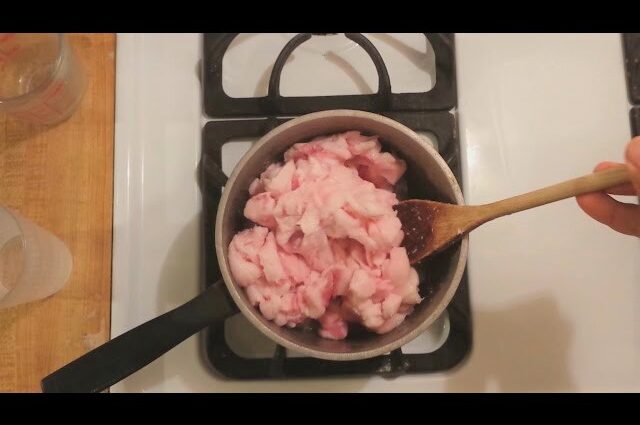
Start by ensuring your lard is clean and free from any food particles. If you’ve rendered it yourself, strain it through a fine mesh to remove solid bits. This step prevents any impurities from affecting the lard’s taste during storage.
Next, let the lard cool to room temperature before freezing. Placing hot or warm lard directly into the freezer can cause condensation, leading to ice crystals that change the texture. Have you noticed how a change in texture can affect your cooking? Avoiding this starts with proper cooling.
Proper Sealing Techniques
Use airtight containers or heavy-duty freezer bags to seal your lard. Press out as much air as possible to prevent freezer burn and off-flavors. Vacuum sealing works best if you have the equipment, but tightly sealed bags work well too.
Label your container with the date of freezing. This helps you keep track of freshness so you use the oldest lard first. A simple tip: freeze lard in small portions to thaw only what you need, avoiding waste and repeated refreezing.

Credit: www.numberanalytics.com
Storage Duration
Proper storage duration is key to keeping lard fresh and safe. Freezing lard helps extend its shelf life significantly. Knowing how long lard lasts frozen prevents waste and preserves flavor. It is important to recognize signs of spoilage to avoid using bad lard. Below are details on frozen storage times and spoilage indicators.
How Long Lard Lasts Frozen
Lard can last in the freezer for 6 to 12 months. Keep it in an airtight container or freezer bag. This protects lard from moisture and freezer odors. Label the package with the freezing date for easy tracking. Use frozen lard within a year for best quality and taste.
Signs Of Spoilage
Check lard carefully before use. Spoiled lard may show these signs:
- Off or rancid smell
- Discoloration or dark spots
- Unusual texture, such as clumps or sliminess
- Sour or strange taste
Discard lard if any signs of spoilage appear. Using fresh lard ensures better cooking results and safety.
Thawing Lard Safely
Thawing lard safely is important to keep its flavor and texture intact. Proper thawing stops bacteria growth and keeps the lard fresh. It also helps you use it easily in cooking or baking after freezing.
Best Thawing Methods
- Thaw lard in the refrigerator. This takes time but is safest.
- Place frozen lard in a sealed bag before refrigeration.
- Use cold water to thaw lard faster. Keep it in a sealed bag and change water every 30 minutes.
- Avoid thawing lard at room temperature to prevent bacteria growth.
- Microwave thawing is possible but can melt unevenly. Use low power and check often.
Maintaining Quality After Thawing
Keep thawed lard in the fridge and use within a week. Do not refreeze thawed lard. Store lard in airtight containers to avoid absorbing other smells. Use clean utensils to scoop lard to prevent contamination.
Credit: parnellthechef.com
Tips To Preserve Flavor
Preserving the rich flavor of lard when freezing it can be a bit tricky, but with the right approach, you’ll keep its quality intact for months. Flavor loss often happens because of contamination or using old lard, which can introduce off-tastes. Paying attention to how you prepare and store lard before freezing can make all the difference.
Avoiding Contamination
Contamination is the biggest enemy of flavor preservation in frozen lard. Always use clean utensils and containers to handle the lard. Even a small bit of leftover food particles can spoil the taste and shorten shelf life.
Make sure your hands are clean and dry before touching the lard. Moisture can cause freezer burn, which dulls the flavor and changes the texture. Sealing the lard tightly in an airtight container or vacuum-sealed bag blocks out air and prevents freezer odors from seeping in.
Using Fresh Lard For Freezing
Freezing fresh lard is essential to maintaining its original taste. If you freeze lard that’s already been sitting around, you risk locking in any rancid or stale flavors. Freshly rendered lard has a clean, mild flavor that holds up well in the freezer.
Try to freeze lard within a day or two of rendering it. Label your containers with the date so you use the oldest batch first. This simple habit ensures you enjoy the best flavor and avoid wasting lard that has gone off in storage.
Common Mistakes To Avoid
Freezing lard might seem straightforward, but many people stumble over avoidable mistakes that affect its quality and safety. Knowing what to watch out for helps keep your lard fresh and ready for use. Let’s look at some common pitfalls you should steer clear of.
Refreezing Lard
Refreezing lard after it has thawed can ruin its texture and flavor. Once thawed, moisture can accumulate, leading to a grainy or off taste. Have you ever noticed your lard turning crumbly or smelling odd after refreezing? That’s why it’s best to freeze lard in small portions to avoid thawing more than you need.
If you must refreeze, make sure the lard has stayed cold and hasn’t been left out too long. But generally, refreezing lowers the quality and can even encourage spoilage. Plan ahead and freeze wisely to keep your lard at its best.
Improper Storage Conditions
Lard needs the right environment in the freezer to stay fresh. Storing it in containers that aren’t airtight lets air and moisture in, causing freezer burn and off flavors. Have you ever found your frozen lard covered in ice crystals or smelling strange? That’s a sign of poor storage.
Use airtight containers or heavy-duty freezer bags with as much air squeezed out as possible. Label your containers with dates to keep track of how long it’s been frozen. Also, avoid placing lard near strong-smelling foods to prevent it from absorbing unwanted odors.

Credit: www.numberanalytics.com
Frequently Asked Questions
Can I Freeze Lard For Long-term Storage?
Yes, you can freeze lard to extend its shelf life. Properly wrapped, it stays fresh for up to one year in the freezer.
How Should I Package Lard Before Freezing?
Use airtight containers or heavy-duty freezer bags to prevent freezer burn. Label with the date for easy tracking.
Will Freezing Change The Texture Of Lard?
Freezing lard may slightly alter its texture, but it remains usable for cooking and baking after thawing.
How Do I Thaw Frozen Lard Safely?
Thaw lard in the refrigerator overnight for best results. Avoid room temperature thawing to prevent spoilage.
Conclusion
Freezing lard is a smart way to keep it fresh longer. It helps preserve flavor and texture. Simply store it in airtight containers or freezer bags. Label them with the date for easy tracking. Thaw it in the fridge before using.
This method keeps lard useful for months. Perfect for baking, cooking, or frying whenever needed. Enjoy your meals without worry. Freezing lard is easy and efficient. Just remember to check its quality before use. This way, you can ensure the best results in your dishes.
Happy cooking!