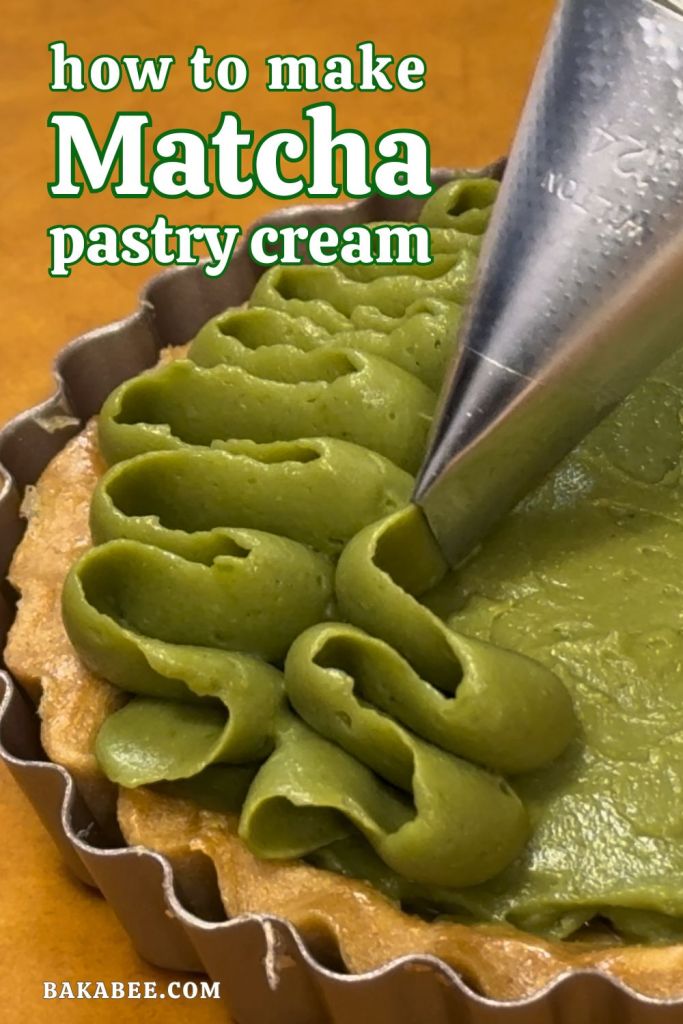
Have you ever found yourself with leftover pastry cream after a baking session and wondered, “Can I freeze pastry cream?” You’re not alone!
This creamy delight, often used to fill éclairs, tarts, and other delectable desserts, can sometimes leave you with more than you need. But what to do with the extras? The idea of freezing might have crossed your mind, but is it really possible?
And if it is, will it still taste as heavenly once thawed? Understanding the ins and outs of freezing pastry cream can not only save you time but also ensure that none of your delicious creations go to waste. Stick around to discover the secrets of preserving your pastry cream and making the most of every batch. You won’t want to miss these valuable insights that could transform your baking routine!
Credit: pastryliving.com
Freezing Pastry Cream Basics
Freezing pastry cream can help extend its shelf life and reduce waste. Knowing the basics of freezing pastry cream ensures you keep its quality as high as possible. It is important to understand what pastry cream is and how freezing changes its texture. This knowledge helps you decide whether freezing pastry cream suits your needs.
What Pastry Cream Is
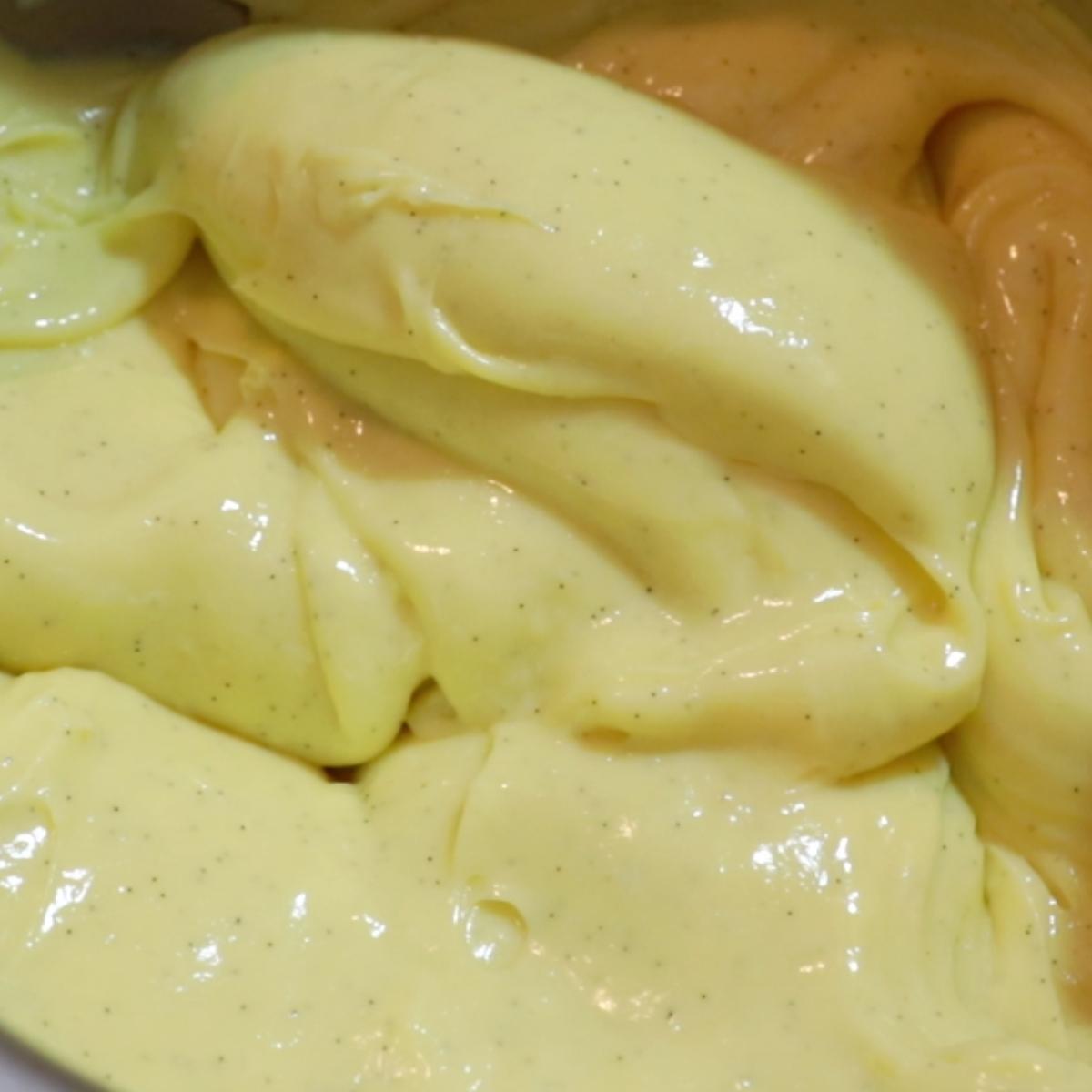
Pastry cream is a thick, creamy filling used in many desserts. It is made from milk, sugar, eggs, and starch. The mixture is cooked until it thickens into a smooth custard. Pastry cream adds flavor and moisture to pastries, tarts, and cakes. It is delicate and needs careful handling to maintain its texture.
How Freezing Affects Texture
Freezing pastry cream changes its texture in some ways. The water inside forms ice crystals during freezing. These crystals can break the smooth structure of the cream. After thawing, the cream may feel grainy or watery. It might separate or lose some thickness. Stirring or whisking can help restore its consistency somewhat. Still, the texture may never be exactly the same as fresh pastry cream.
Preparing Pastry Cream For Freezing
Freezing pastry cream helps save time and reduce waste. Proper preparation ensures it keeps its smooth texture and rich flavor. Follow key steps before freezing to maintain quality and taste.
Cooling Pastry Cream Properly
Let the pastry cream cool at room temperature first. Stir gently to release steam and avoid a skin forming on top. After cooling slightly, transfer it to the refrigerator. Chill until completely cold before freezing. Cooling this way prevents ice crystals and preserves texture.
Choosing Containers And Wrapping
Select airtight containers or freezer-safe bags for storing pastry cream. Use small portions to freeze, making thawing easier. Press plastic wrap directly on the cream surface inside the container. This stops freezer burn and keeps moisture in. Label containers with date and contents for easy tracking. Proper wrapping and container choice keep pastry cream fresh longer.
Freezing Process
Freezing pastry cream can be a game-changer for your baking routine. It allows you to prepare in advance and save time on busy days. However, freezing requires some care to keep the texture smooth and creamy once thawed.
Ideal Freezing Time
Pastry cream freezes best if you use it within 1 to 2 months. Beyond that, the quality might start to decline, with changes in texture and flavor. Label your container with the freezing date to keep track easily.
Freeze the cream in small portions to avoid thawing more than you need. Using airtight containers or freezer bags helps maintain freshness and prevents freezer burn.
Avoiding Ice Crystals
Ice crystals can ruin the smooth texture of pastry cream. To prevent this, cool the cream completely before freezing. Warm cream traps moisture and forms crystals during freezing.
Another tip is to press a piece of plastic wrap directly onto the surface of the cream before sealing the container. This reduces air exposure and keeps the cream creamy.
Have you noticed how just a tiny ice crystal can turn a silky cream into a grainy mess? Taking these simple steps keeps your pastry cream ready to impress every time.
Credit: pastryliving.com
Thawing Frozen Pastry Cream
Thawing frozen pastry cream properly is key to preserving its smooth texture and rich flavor. Rushing the process can lead to a watery or grainy consistency, which ruins the experience you’re aiming for. Taking your time and using the right methods will bring your pastry cream back to life, just like fresh.
Best Thawing Methods
The safest way to thaw pastry cream is in the refrigerator. Place the container in the fridge and let it thaw slowly over 6 to 8 hours or overnight. This gentle thawing keeps the cream stable and prevents separation.
If you’re short on time, you can thaw it in a bowl of cold water. Make sure the container is sealed tightly, then submerge it, changing the water every 30 minutes. This speeds up thawing without shocking the cream with heat.
Avoid using the microwave to thaw pastry cream. It heats unevenly and can cause the cream to curdle or develop hot spots, which ruins the texture. Patience with cold methods pays off in the end.
Signs Pastry Cream Is Ready
You’ll know pastry cream is ready when it feels smooth and creamy after stirring gently. It should spread easily without lumps or watery separation. If it looks too thick, whisk in a small splash of milk to bring back a silky texture.
Does the cream hold its shape when you spoon it out but still feel soft? That’s a good sign. It means the starch and eggs have set properly during cooking and stayed stable through freezing and thawing.
On the other hand, if you see liquid pooling at the surface or the cream is gritty, it needs more gentle whisking or might not have frozen well. This can happen if it wasn’t cooled fully before freezing or was frozen too long.
Restoring Texture After Thawing
Freezing pastry cream can alter its smooth texture, making it grainy or watery after thawing. Restoring the original creaminess requires a bit of care and the right techniques. You might be surprised how simple tweaks can bring your pastry cream back to life, almost as good as fresh.
Whisking Techniques
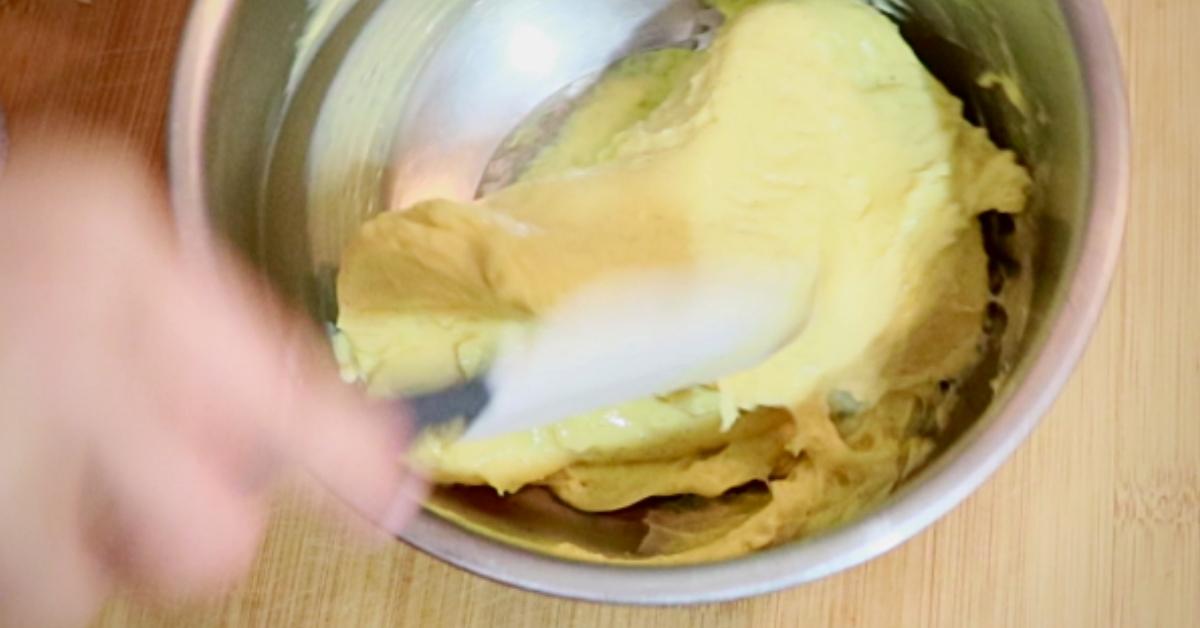
After thawing, your pastry cream may separate or look lumpy. Grab a whisk and start beating it gently but firmly. Use quick back-and-forth motions to break up any lumps and blend the liquid back into the cream.
If the cream feels too thick or stiff, adding a splash of milk while whisking helps loosen it. Think of whisking like waking up the cream—too slow won’t do much, and too aggressive might make it frothy. Finding that sweet spot in speed and pressure is key.
Adding Fresh Ingredients
Sometimes whisking alone won’t fully fix the texture. Adding a small amount of fresh pastry cream or a bit of softened butter can improve richness and smoothness. This also boosts flavor and helps mask any slight changes from freezing.
Try mixing in a teaspoon of vanilla extract or a pinch of powdered sugar to brighten the taste. Have you ever noticed how a small tweak like this can make your desserts taste homemade instead of store-bought? Experiment with these fresh touches to find what your palate loves most.
Common Mistakes To Avoid
Freezing pastry cream can be a real time-saver, but it’s easy to slip up and end up with a disappointing texture or flavor. Avoiding common mistakes will help you keep that creamy, smooth consistency you love. Let’s look at what often goes wrong and how you can prevent it.
Freezing Too Long
Have you ever found that your pastry cream turns grainy or watery after thawing? One major culprit is freezing it for too long. While pastry cream can technically last in the freezer for up to 2 months, going beyond that often damages its delicate texture.
Think about it this way: the longer pastry cream sits frozen, the more ice crystals form and break down the smoothness. This can turn your luscious cream into something less appetizing. Try to plan your freezing so you use the pastry cream within 4 to 6 weeks for best results.
Improper Storage
Storage mistakes can also ruin your pastry cream before you get a chance to enjoy it. Simply tossing it in any container and freezing it won’t protect its flavor or texture. Air exposure causes freezer burn, which dries out the cream and affects taste.
Use airtight containers or heavy-duty freezer bags, and press out as much air as possible before sealing. Label your container with the date to keep track of freshness. Have you ever tasted freezer burn? It’s a subtle but frustrating change that’s easy to avoid with proper storage.
Tips For Using Thawed Pastry Cream
Thawed pastry cream can be just as useful as fresh cream with the right care. It needs gentle handling to keep its smooth texture and flavor. Use these tips to get the best results from your thawed pastry cream.
In Pastries And Desserts
Stir the pastry cream well before use to restore its smooth texture. If it feels slightly grainy, whisk it gently until creamy. Use it quickly in fillings like éclairs, tarts, or cream puffs. Avoid reheating thawed cream too much, as this can change the texture. Always keep it chilled until ready to fill your pastries or desserts.
Shelf Life After Thawing
Use thawed pastry cream within two days for best freshness. Store it in an airtight container in the refrigerator. Discard if it smells sour or looks curdled. Do not refreeze thawed pastry cream to avoid texture loss and spoilage. Keep track of thawing time to ensure food safety and quality.

Credit: www.tasteofhome.com
Frequently Asked Questions
Can Pastry Cream Be Frozen Safely?
Yes, pastry cream can be frozen safely. Use an airtight container and freeze for up to 1 month. Thaw in the refrigerator overnight before use.
Does Freezing Affect Pastry Cream Texture?
Freezing may slightly alter the texture, making pastry cream grainy. Whisk well after thawing to restore smoothness. It’s best for cooked cream-based desserts.
How To Thaw Frozen Pastry Cream Properly?
Thaw frozen pastry cream in the refrigerator overnight. Avoid microwaving to prevent curdling. Stir gently before using to regain creamy consistency.
Can Frozen Pastry Cream Be Refrozen?
It’s not recommended to refreeze pastry cream. Repeated freezing damages texture and quality. Use thawed cream within 2 days for best results.
Conclusion
Freezing pastry cream can save your leftovers well. It keeps the cream fresh for about one month. Thaw it slowly in the fridge to keep texture. Stir gently before using to smooth any lumps. Avoid refreezing to keep the best quality.
Use frozen pastry cream in cakes and tarts easily. This simple step helps reduce waste in your kitchen. Enjoy your desserts without rushing to finish the cream. Try freezing next time to see how it works for you.