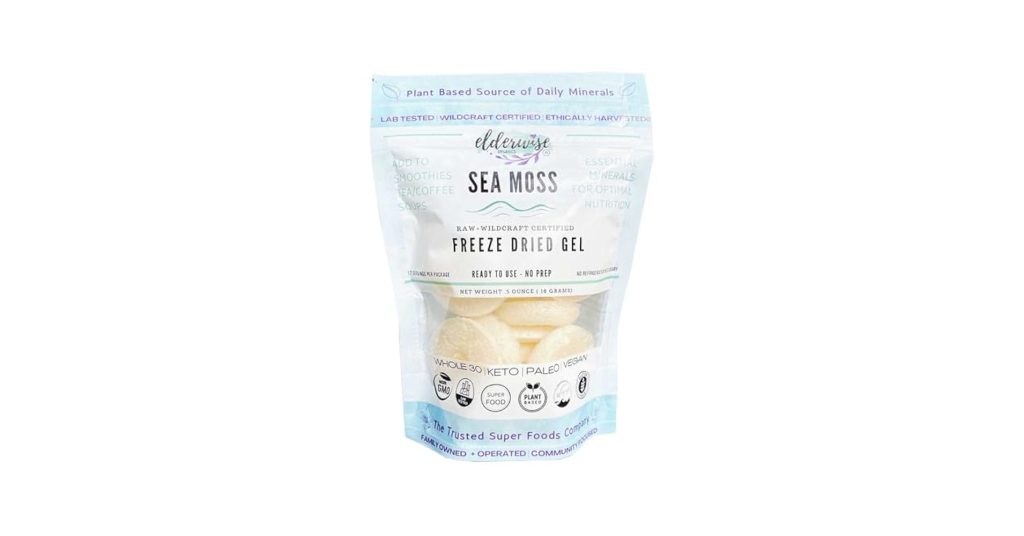
Have you ever wondered if you can freeze sea moss gel? Maybe you’ve heard about its incredible health benefits and decided to stock up, but now you’re unsure about the best way to preserve it.
You’re not alone. Many health enthusiasts face the same dilemma. Imagine the convenience of having your sea moss gel ready whenever you need it, without worrying about it losing its potency. This article will guide you through the process, address common concerns, and reveal the secrets to maintaining its nutritional value even after freezing.
Stick around, because by the end of this read, you’ll have all the answers you need to keep your sea moss gel fresh and effective.

Credit: www.amazon.com
Benefits Of Freezing Sea Moss Gel
Freezing sea moss gel offers several key benefits. It helps keep the gel fresh and ready for use. This method preserves the gel’s quality and makes storage easier. Below are the main advantages of freezing sea moss gel.
Extended Shelf Life
Freezing sea moss gel greatly increases its shelf life. Fresh gel usually lasts only a few weeks in the fridge. Frozen gel can stay good for several months. This reduces waste and saves money. You can prepare a large batch and use it over time.
Maintaining Nutrient Quality
Freezing helps keep the nutrients intact in sea moss gel. The cold stops bacteria and enzymes from breaking down vitamins. Nutrients like iodine, calcium, and vitamins remain strong. This ensures you get the full health benefits each time.
Convenience For Storage
Frozen sea moss gel takes up less space in the fridge. You can freeze the gel in small portions. This makes it easy to thaw just what you need. It also prevents the gel from spoiling quickly. Freezing offers a simple way to store sea moss gel safely.
Preparing Sea Moss Gel For Freezing
Preparing sea moss gel for freezing ensures it keeps fresh and maintains its quality. Proper preparation helps avoid spoilage and preserves the gel’s natural benefits. Follow these key steps to prepare your sea moss gel before freezing.
Proper Cleaning And Soaking
Start by rinsing the dried sea moss under cold water. Remove any sand, dirt, or debris carefully. Soak the cleaned sea moss in fresh water for 12 to 24 hours. This process softens the moss and expands its size. Change the water at least once during soaking to keep it fresh. Proper soaking is crucial for smooth blending later.
Blending Techniques
Drain the soaked sea moss and add it to a blender. Pour fresh water to cover the moss completely. Blend on high speed until the mixture is smooth and gel-like. Avoid leaving large chunks or lumps in the gel. A smooth texture freezes better and thaws evenly. Use clean utensils to avoid contamination.
Choosing Suitable Containers
Select containers that are airtight and freezer-safe. Glass jars with tight lids or BPA-free plastic containers work well. Silicone molds or ice cube trays are good for portion control. Leave some space in the containers for gel expansion. Label each container with the freezing date. Proper containers keep the gel fresh and easy to use.
Freezing Methods For Sea Moss Gel
Freezing sea moss gel is a smart way to keep it fresh and ready for use whenever you need it. You want to preserve its texture and nutrients without making it hard to handle later. There are several freezing methods you can try, each with its own benefits depending on how you plan to use the gel.
Using Ice Cube Trays
Ice cube trays are a simple and effective way to freeze sea moss gel in small, manageable portions. Just spoon the gel into the trays and freeze until solid. Once frozen, pop the cubes out and store them in a freezer bag for easy access.
This method lets you thaw only what you need, reducing waste. Have you ever struggled with thawing too much sea moss at once? This approach solves that problem neatly.
Freezing In Airtight Containers
If you prefer storing larger amounts of sea moss gel, airtight containers work well. Use containers that seal tightly to prevent freezer burn and moisture loss. Leave some space at the top since the gel may expand slightly as it freezes.
This method is perfect if you use sea moss gel regularly and want to keep a big batch on hand. Make sure to label the containers with the date to keep track of freshness.
Vacuum Sealing Options
Vacuum sealing your sea moss gel is the best choice for long-term storage. Removing air preserves the gel’s texture and nutrients better than other methods. You can freeze the sealed bags flat, saving space in your freezer.
Do you have a vacuum sealer at home? If not, consider trying this method for an extended shelf life and less freezer odor absorption.
Thawing And Using Frozen Sea Moss Gel
Thawing and using frozen sea moss gel properly keeps its benefits and texture intact. Handling it with care ensures you enjoy its full nutritional value. Follow simple steps to thaw safely and use it effectively in your dishes.
Safe Thawing Practices
Thaw sea moss gel slowly to keep it fresh and safe. Place the frozen gel in the refrigerator overnight. Avoid thawing at room temperature to prevent bacteria growth. For quicker thawing, use a sealed bag under cold running water. Never use hot water or microwave, as this can damage the gel.
Maintaining Texture And Quality
Frozen sea moss gel may change texture slightly after thawing. Stir the gel gently to restore smoothness. If it seems watery, mix it well before use. Store thawed gel in an airtight container in the fridge. Use within one week for the best quality and freshness.
Incorporating Into Recipes
Thawed sea moss gel blends well in many recipes. Add it to smoothies, juices, or teas for extra nutrition. Use it as a thickener in soups, stews, or sauces. Mix into desserts like puddings or vegan ice creams. Its mild flavor works well without overpowering dishes.
Common Mistakes To Avoid
Freezing sea moss gel is a great way to extend its shelf life, but many people stumble over avoidable mistakes. These errors can affect the gel’s texture, taste, and nutritional value. Understanding what to watch out for helps you keep your sea moss gel fresh and effective.
Refreezing Issues
Refreezing sea moss gel after it has thawed can ruin its consistency. Each freeze-thaw cycle breaks down the gel’s structure, making it watery and less smooth. Have you noticed your gel separating or becoming grainy after refreezing? That’s a clear sign it lost quality.
To avoid this, freeze the gel in small portions. This way, you only thaw what you need, preventing the need to refreeze.
Using Improper Containers
The container you choose for freezing matters more than you might think. Airtight, freezer-safe containers prevent ice crystals from forming and protect the gel from absorbing odors. Avoid using thin plastic bags or containers that aren’t sealed tightly.
Glass jars with lids or high-quality silicone containers work well. They keep the sea moss gel fresh and preserve its texture better.
Ignoring Expiry Time
Frozen sea moss gel isn’t good forever. Even in the freezer, it can lose potency after a certain time. Ignoring how long your gel has been frozen can lead to using a product that’s less effective or off in taste.
Label your containers with the freezing date and aim to use the gel within 3 months. This habit helps you track freshness and ensures you always enjoy the best quality.

Credit: www.amazon.com
Alternatives To Freezing Sea Moss Gel
Freezing sea moss gel is a common way to extend its shelf life, but it’s not the only option. If you want to keep your gel fresh and retain its natural benefits without freezing, there are practical alternatives you can try. These methods help maintain texture and potency while fitting into your daily routine.
Refrigeration Tips
Storing sea moss gel in the refrigerator can keep it fresh for up to 3 weeks. Use an airtight container to prevent exposure to air and moisture, which cause spoilage. Try adding a small layer of water on top of the gel to create a seal, reducing oxidation and drying out.
Have you noticed your gel getting watery or slimy after a few days? Stirring it occasionally can help maintain consistency. Keep the fridge temperature steady, ideally between 34°F and 40°F, to avoid rapid changes that affect quality.
Dehydrating Sea Moss
Dehydrating sea moss is another way to preserve it without freezing. Spread cleaned sea moss in a thin layer on a dehydrator tray or baking sheet and dry at a low temperature (around 110°F). This process removes moisture, making it shelf-stable for months.
Once dry, store the sea moss in a sealed jar in a cool, dark place. When you want to use it, soak it in water to rehydrate, then blend into gel. This method keeps nutrients intact and avoids the texture changes freezing sometimes causes.
Using Preservatives Safely
Adding natural preservatives can extend the gel’s freshness without freezing. Lemon juice is a popular choice because its acidity slows bacterial growth. Mix in a teaspoon or two per cup of sea moss gel before storing it in the fridge.
Alternatively, you can use vitamin C powder as a preservative. It’s gentle and helps maintain color and texture. Be cautious with preservatives—too much can alter flavor, so start small and adjust based on your taste.

Credit: www.amazon.com
Frequently Asked Questions
Can I Freeze Sea Moss Gel For Later Use?
Yes, you can freeze sea moss gel to extend its shelf life. Freezing preserves nutrients and freshness for up to 3 months. Store the gel in an airtight container or freezer-safe bag to prevent freezer burn. Thaw it in the fridge before use.
How Do I Thaw Frozen Sea Moss Gel Properly?
Thaw frozen sea moss gel in the refrigerator overnight. Avoid microwaving or heating directly to maintain its texture and nutrients. Once thawed, stir well before use. Use thawed gel within a few days for the best quality and potency.
Does Freezing Affect Sea Moss Gel’s Nutritional Value?
Freezing sea moss gel minimally affects its nutritional content. Most vitamins and minerals remain intact during freezing. However, prolonged freezing or improper storage can slightly reduce potency. Proper packaging and quick freezing help preserve maximum nutrients.
How Long Can Sea Moss Gel Stay Frozen?
Sea moss gel can stay frozen for up to 3 months without significant quality loss. Beyond this period, texture and nutrients may degrade. For best results, label containers with the freezing date and consume within three months.
Conclusion
Freezing sea moss gel keeps it fresh for a long time. It stops bacteria and mold from growing. Use airtight containers to avoid freezer burn. Thaw the gel slowly in the fridge for best results. Keep in mind that texture might change a little after freezing.
Still, the nutrients stay mostly intact. This method saves time and reduces waste. So, freezing sea moss gel is a smart way to store it safely. Try it and enjoy your gel whenever you want.