Have you ever found yourself with a flat car tire but no air compressor nearby? You might wonder, “Can I pump a car tire with a bike pump?”
It’s a question many people ask when they’re in a pinch. The idea sounds simple, but is it really possible? You’ll discover the truth behind using your bike pump for car tires. You’ll learn the pros, the cons, and some handy tips to get the job done right.
Keep reading—this could save you time and stress the next time you’re stuck on the road.
Bike Pump Basics
Pumping a car tire with a bike pump can work in some cases. To understand this, you need to know how bike pumps function.
This guide covers the main types of bike pumps and explains how they operate.
Types Of Bike Pumps
There are several types of bike pumps. Each has a different design and method of pumping air.
- Floor Pumps:Large and stable, used for quick inflation.
- Hand Pumps:Small and portable, good for emergencies.
- CO2 Inflators:Use cartridges to fill tires fast.
- Mini Pumps:Compact and light, but slower to use.
How Bike Pumps Work
Bike pumps work by pushing air into the tire through a valve. They use a piston inside a cylinder to create pressure.
| Part | Function |
| Piston | Moves inside the cylinder to push air |
| Cylinder | Holds the air that will be pushed into the tire |
| Valve Head | Connects the pump to the tire valve |
| Handle | Used to move the piston up and down |

Credit: www.amazon.ca
Car Tire Requirements
Car tires need the right air pressure to work safely. Using the correct pump helps keep tires in good shape.
Some people ask if a bike pump can fill a car tire. To answer, you must know about car tire needs first.
Standard Car Tire Pressure
Car tires usually require air pressure between 30 and 35 PSI (pounds per square inch). This range keeps the tire firm and safe on the road.
- Check the tire sidewall or car manual for the exact pressure.
- Use a tire gauge to measure current pressure.
- Inflate the tire to the recommended PSI.
- Do not overinflate or underinflate the tire.
Valve Types On Car Tires
Car tires have valves to add or release air. Knowing the valve type helps you choose the right pump or adapter.
| Valve Type | Description |
| Schrader Valve | Common valve, wide and sturdy, used on most cars. |
| Presta Valve | Thin valve, mainly on bikes, rare on cars. |
| Dunlop Valve | Used in some countries, similar to Schrader but less common. |
Using A Bike Pump On Car Tires
Many people wonder if they can use a bike pump to inflate their car tires. Bike pumps are common and easy to carry. Car tires need more air pressure than bike tires.
Using a bike pump on car tires is possible but has some limits. It requires the right tools and patience. This guide explains what you need to know.
Compatibility Of Valves
Bike pumps work with certain valve types. Car tires and bike tires often use different valves. Knowing the valve type helps you use the pump correctly.
- Presta Valves:Thin and found on road bikes. Usually not on cars.
- Schrader Valves:Thick valves used on most car tires and mountain bikes.
- Valve Adapter:Needed if the pump only fits Presta valves but the car tire has Schrader valves.
Steps To Pump A Car Tire
Follow these steps to safely use a bike pump on your car tire.
- Check the valve type on your car tire.
- Attach a valve adapter if needed.
- Remove the valve cap from the tire.
- Connect the bike pump nozzle to the valve tightly.
- Start pumping air slowly and steadily.
- Check the tire pressure with a gauge often.
- Stop pumping when the tire reaches the recommended pressure.
- Remove the pump and replace the valve cap.
Challenges You Might Face
Pumping car tires with a bike pump can be hard. Car tires need more air pressure than bike tires. This makes pumping by hand take a long time.
| Challenge | Description | Tip |
|---|---|---|
| Valve Fit | The bike pump may not fit the car tire valve. | Use a valve adapter to connect. |
| High Pressure | Car tires need about 30-35 PSI, more than bike tires. | Pump slowly and check pressure often. |
| Time Consuming | Pumping car tires by hand takes longer. | Be patient and take breaks if needed. |
| Pump Durability | Not all bike pumps handle high pressure well. | Use a sturdy pump designed for high pressure. |
Tips For Efficient Pumping
You can use a bike pump to fill a car tire in some cases. It takes more effort than a car pump. Knowing how to pump well saves time and energy.
These tips help you pump a car tire with a bike pump safely and quickly. Follow them for better results.
Choosing The Right Pump
Not all bike pumps work well for car tires. Use a pump with a high-pressure rating. A floor pump is better than a small hand pump. Check the pump head fits your car valve type.
- Use a floor pump for easier pumping
- Check the pump fits Schrader valves (common on cars)
- Choose pumps that can reach higher pressure
- A pump with a pressure gauge helps accuracy
Maintaining Proper Pressure
Car tires need more pressure than bike tires. Keep an eye on the pressure gauge while pumping. Stop pumping when you reach the recommended tire pressure. Over or under-inflation can cause problems.
- Check the car’s recommended tire pressure first
- Pump slowly and evenly to avoid overheating
- Use a pressure gauge to track progress
- Stop once you reach the right pressure
Safety Precautions
Safety matters when pumping a car tire with a bike pump. Do not rush the process. Watch for signs of tire damage or leaks. Avoid pumping near traffic or on uneven ground.
- Wear gloves to protect your hands
- Check tire condition before pumping
- Keep the car on flat, stable ground
- Do not overinflate to avoid tire bursts
Alternatives To Bike Pumps
Sometimes a bike pump is not the best choice to fill a car tire. Car tires need more air and pressure than bike tires.
There are other tools and places to help you pump a car tire quickly and easily.
Portable Air Compressors
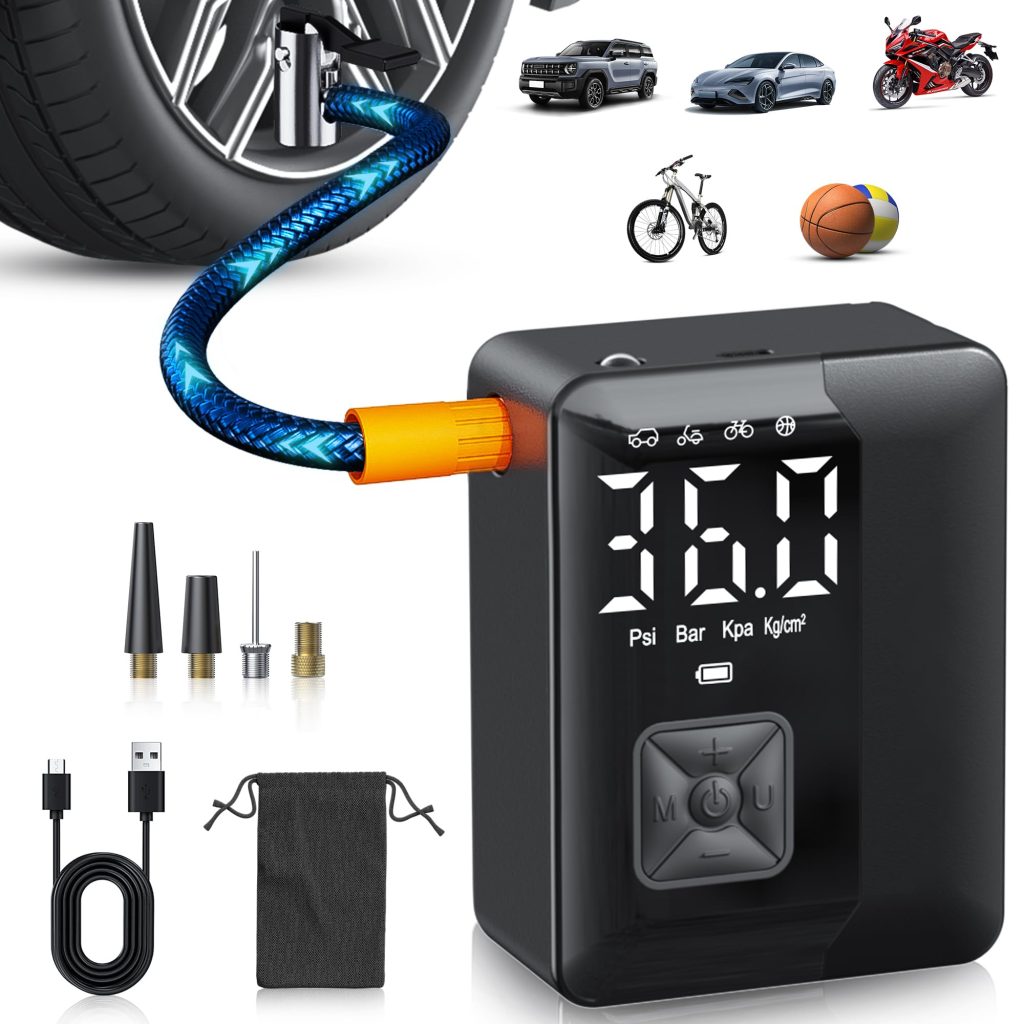
Portable air compressors are small machines that run on batteries or car power. They can fill car tires fast and with the right pressure.
These compressors are easy to carry and use anywhere you need air for your tires.
- Works with 12V car outlets or batteries
- Has a pressure gauge to avoid overfilling
- Compact and light for travel
Gas Station Air Pumps
Most gas stations have air pumps for tires. These pumps are powerful and can fill tires quickly.
They often cost a small fee or are free to use. You just park your car close and connect the hose.
- Easy to find at many gas stations
- Usually has a pressure meter
- Good for quick tire inflation
Manual Air Pumps For Cars
Manual air pumps made for cars are larger than bike pumps. They use hand or foot power to push air into the tire.
These pumps take more effort but work well without electricity or batteries.
- Designed for higher pressure than bike pumps
- Can be used anywhere without power
- Often include a pressure gauge

Credit: www.amazon.com

Credit: www.amazon.ca
Frequently Asked Questions
Can I Use A Bike Pump For Car Tires?
Yes, you can use a bike pump for car tires. However, it takes more time and effort due to larger tire volume. A bike pump is best for emergency or small pressure adjustments.
Is A Bike Pump Effective For Car Tire Inflation?
A bike pump is effective but slow for car tires. It can reach the required pressure but expect longer pumping sessions. For regular use, a car tire pump is recommended.
Will A Bike Pump Damage My Car Tire Valve?
No, a bike pump won’t damage your car tire valve if it fits properly. Use the correct valve adapter (Schrader valve) to avoid leaks or damage.
How Long Does It Take To Pump A Car Tire With A Bike Pump?
Pumping a car tire with a bike pump usually takes 10-20 minutes. The exact time depends on tire size, current pressure, and pump efficiency.
Conclusion
Pumping a car tire with a bike pump is possible but takes time. Bike pumps work best for smaller tires. Car tires need more air and pressure. Be patient and pump steadily. Check the tire pressure often to avoid overinflation.
Keep a proper gauge handy for accuracy. This method works well in emergencies or when no car pump is available. Always remember safety first. Keep your tires properly inflated for a smooth and safe ride. Simple tools can help in tough moments.