
Have you ever opened your dishwasher expecting sparkling clean dishes, only to find stubborn stains and a lingering odor instead? It’s frustrating, isn’t it?
You might be tempted to reach for that bottle of bleach sitting under your sink, hoping it will work its magic. But wait—before you do, it’s crucial to know whether bleach is a friend or foe to your trusty kitchen appliance.
We’ll delve into the dos and don’ts of using bleach in your dishwasher. You’ll discover safe and effective ways to keep your dishes and your machine gleaming, without causing any damage. Stick around to find out how to achieve that spotless shine and fresh scent you crave!

Credit: www.youtube.com
Bleach And Dishwashers
Bleach is a powerful cleaner known for its disinfecting properties, but using it in your dishwasher isn’t straightforward. Many wonder if adding bleach can boost the dishwasher’s cleaning power or sanitize their dishes better. However, understanding how dishwashers and their detergents work is key before you decide to pour bleach into the mix.
How Dishwashers Work
Your dishwasher cleans by spraying hot water mixed with detergent onto your dishes. This water is usually heated to around 130°F–160°F, which helps break down food and grease. The machine then rinses and drains the dirty water, leaving your dishes clean.
Dishwashers also rely on specific cycles tailored for different cleaning needs, such as heavy, normal, or eco-friendly washes. Each cycle controls the water temperature, spray intensity, and duration to optimize cleaning. Adding bleach can interfere with these carefully designed processes, sometimes causing damage to the dishwasher’s components or your dishes.
Common Dishwasher Detergents
Dishwasher detergents come in powders, gels, and pods, each formulated to work with your dishwasher’s mechanics and water chemistry. They contain enzymes and surfactants that target food residues, grease, and stains effectively.
Unlike bleach, these detergents are designed to be safe for use in dishwashers and won’t harm the machine or your dishes. Many also include ingredients to prevent hard water buildup or glass corrosion, protecting your dishwasher long-term.
Have you ever considered how adding bleach might react with these detergent chemicals? Mixing bleach with certain detergents can produce harmful fumes or reduce cleaning efficiency. It’s safer to stick with products made specifically for dishwashers to keep your kitchen safe and your dishes spotless.
Credit: www.housework.com
Risks Of Using Bleach
Using bleach in your dishwasher might seem like a quick fix for tough stains or odors. But before you pour that bottle in, it’s important to understand the risks involved. Bleach can cause more harm than good, affecting your appliance, your health, and even the condition of your dishes.
Damage To Dishwasher Components
Bleach is highly corrosive. It can eat away at the rubber seals and gaskets inside your dishwasher, leading to leaks and costly repairs. Over time, the metal parts might also corrode, shortening the lifespan of your machine.
Have you ever noticed a strange smell or rust spots inside your dishwasher? That could be a sign of bleach damage. Protect your investment by avoiding harsh chemicals that aren’t designed for dishwashers.
Health Hazards
Mixing bleach with dishwasher detergent can create harmful fumes. These toxic gases can irritate your eyes, skin, and lungs. If you have asthma or allergies, even brief exposure can trigger serious reactions.
Think about the last time you ran your dishwasher with bleach inside. Did you notice any lingering chemical smell when you opened the door? That smell is a warning sign that bleach residues might still be present on your dishes.
Effect On Dishes And Utensils
Bleach can discolor or damage certain materials, especially plastics, metals, and delicate dishware. It may cause cloudy spots or etching on glass and dull the finish on silverware.
Using bleach might seem like a shortcut for sparkling clean dishes, but it can leave your utensils looking worn and faded. Would you want to serve guests with dishes that show signs of harsh chemical damage?
Safe Cleaning Tips
Keeping your dishwasher clean and efficient is key to getting spotless dishes every time. However, using harsh chemicals like bleach can be risky if not done correctly. Knowing safe cleaning tips helps you maintain your appliance without damaging it or risking your health.
Proper Dishwasher Maintenance
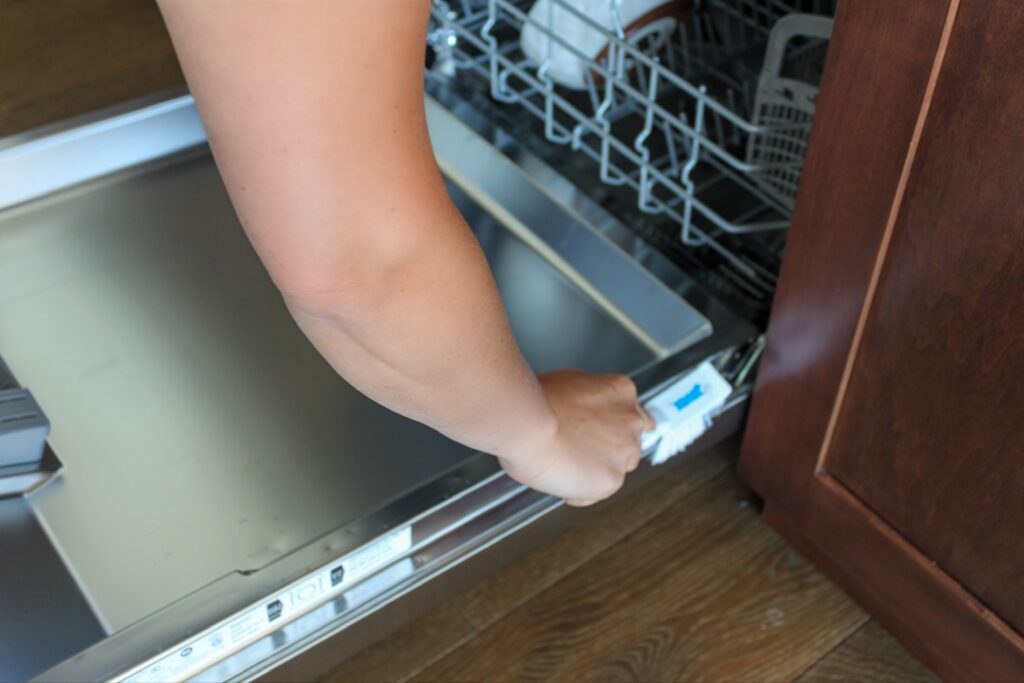
Regularly check and clean the dishwasher’s filter to prevent food buildup that can cause odors and poor performance. Wipe down the door seals and spray arms to keep everything moving smoothly.
Run a cleaning cycle with a dishwasher-safe cleaner once a month to remove grease and mineral deposits. This simple habit can extend the life of your appliance and improve washing results.
Alternative Cleaning Agents
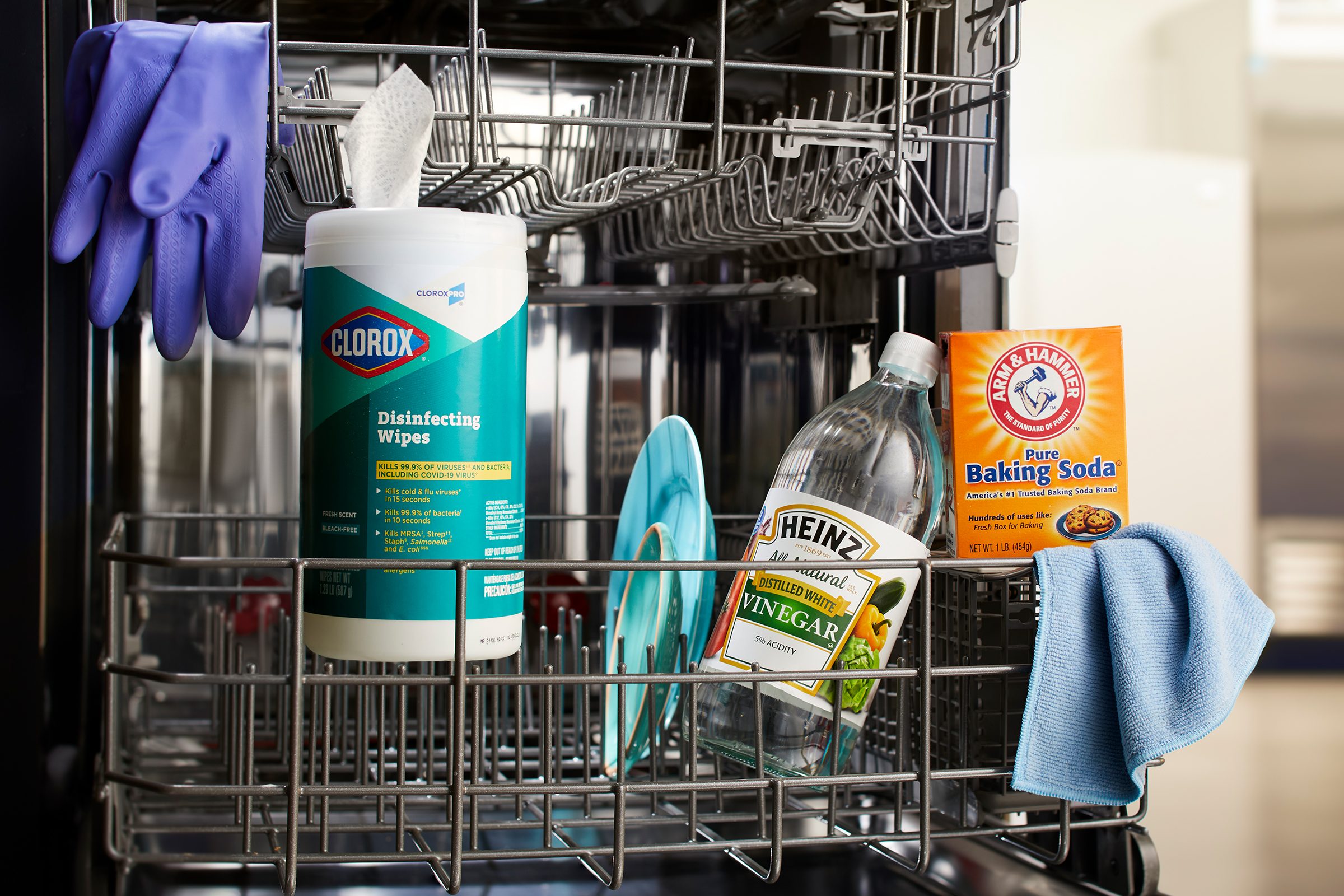
If you want to avoid bleach, try white vinegar or baking soda for a natural clean. Adding a cup of white vinegar to the bottom of the dishwasher and running a hot cycle can break down grime effectively.
Baking soda sprinkled on the bottom before a rinse cycle freshens up the machine and neutralizes odors. These options are gentle on your dishwasher and safe for your dishes.
When To Use Bleach Safely
Bleach should never be mixed directly with dishwasher detergent, as it can create harmful fumes. Use bleach only in an empty dishwasher to sanitize the interior, and avoid using it on stainless steel parts to prevent corrosion.
Always run a full rinse cycle after a bleach wash to clear out any residue before adding dishes. Ask yourself if bleach is truly necessary or if a gentler cleaner could do the job—sometimes less is more.
Eco-friendly Dishwasher Options
Choosing eco-friendly dishwasher options helps protect the environment and your health. Many traditional dishwasher detergents contain harsh chemicals. These can harm water systems and affect your skin. Switching to greener alternatives reduces pollution and keeps your dishes clean.
Natural Cleaning Solutions
Natural cleaning solutions use simple ingredients found at home. Baking soda and white vinegar are common examples. They break down grease and remove odors effectively. Lemon juice can add a fresh scent and cut through stains. These solutions are safe for septic systems and reduce chemical waste. You can mix small amounts to create gentle, effective dishwasher cleaners.
Commercial Eco-friendly Detergents
Several brands offer commercial eco-friendly detergents. These products avoid phosphates, chlorine, and artificial fragrances. They use plant-based ingredients and biodegradable formulas. Many come in recyclable packaging to reduce plastic waste. Look for labels like “biodegradable” or “certified eco-friendly.” These detergents clean dishes well without harming the environment or your health.
Credit: www.rd.com
Frequently Asked Questions
Can I Safely Use Bleach In My Dishwasher?
No, bleach is not safe for dishwashers. It can damage rubber seals and metal parts. Use dishwasher-specific cleaners instead for effective and safe cleaning.
What Happens If I Put Bleach In The Dishwasher?
Bleach can corrode dishwasher components and cause leaks. It may also leave harmful residues on dishes, posing health risks. Avoid using bleach in dishwashers.
Are There Alternatives To Bleach For Dishwasher Cleaning?
Yes, use white vinegar or dishwasher-safe cleaners. These alternatives effectively remove stains and odors without damaging your appliance or dishes.
Can Bleach Harm My Dishwasher’s Rubber Seals?
Yes, bleach can degrade rubber seals and gaskets over time. This damage may lead to leaks and costly repairs. Avoid bleach to protect your dishwasher.
Conclusion
Bleach can harm your dishwasher’s parts and seals. It may cause leaks or bad smells. Use dishwasher-safe cleaners instead. These products clean well without damage. Always read your dishwasher’s manual first. Proper care keeps your machine working longer. Clean dishes come from safe cleaning methods.
Choose safe products to protect your dishwasher. Keep your kitchen healthy and fresh. Simple steps make a big difference.