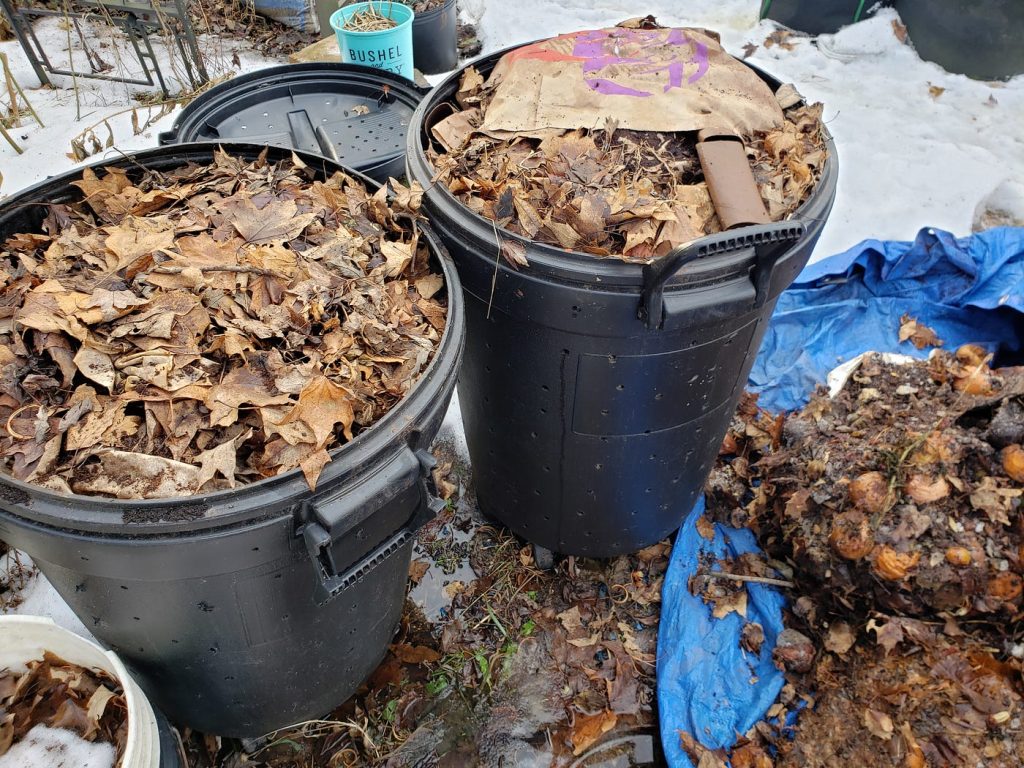
Are you wondering if you should cover your compost bin? It’s a simple question, but the answer can make a big difference in how well your compost breaks down.
Covering your bin can help control moisture, keep pests away, and speed up the process—but is it always necessary? You’ll discover the pros and cons of covering your compost, plus tips to keep it working efficiently all year round. Keep reading to learn how a small change could turn your compost pile into a nutrient-rich treasure for your garden.

Credit: www.reddit.com
Benefits Of Covering Compost Bins
Covering your compost bin helps keep the composting process smooth. It protects the materials inside and supports faster breakdown.
A cover can control moisture, keep pests away, and keep the temperature steady. These benefits help make better compost.
Moisture Control
Compost needs the right amount of moisture to break down properly. Too much water can make it soggy and slow the process.
A cover stops rain from adding too much water. It also keeps the compost from drying out in hot weather.
Pest Prevention
Open compost bins can attract pests like rats, raccoons, and flies. These pests can spread germs and make a mess.
Covers block pests from getting in. This keeps your compost cleaner and your yard safer.
Temperature Regulation
Compost works best when it stays warm enough to help break down materials. A cover helps keep heat inside the bin.
It also protects the compost from cold winds that can cool it down too much. This helps speed up composting.
When To Keep Compost Bins Uncovered
Compost bins help turn waste into valuable fertilizer. Sometimes, it’s best to leave them uncovered.
Uncovering your compost bin can aid in the composting process. Let’s explore when to keep them open.
Aeration Needs
Compost needs air to break down materials efficiently. Aeration is key to a healthy compost pile.
- Air helps speed up decomposition
- Prevents foul odors
- Reduces the risk of pests
Weather Considerations
Weather impacts how your compost breaks down. Certain conditions make it better to leave the bin open.
| Weather Condition | Action |
| Rainy | Cover the bin |
| Sunny | Uncover the bin |
| Windy | Secure the bin |
Types Of Covers For Compost Bins
Covering your compost bin helps control moisture and pests. It also speeds up the composting process.
There are different types of covers you can use. Each has its own benefits and uses.
Lids And Tarps
Lids and tarps are common covers for compost bins. They protect the compost from rain and keep animals out.
Lids are usually made of plastic or metal. Tarps can be plastic sheets or heavy fabric.
- Plastic lids are lightweight and easy to clean
- Metal lids are durable and long-lasting
- Tarps are flexible and cover large bins
- Both lids and tarps prevent too much water from entering
Natural Materials
Natural materials make good covers for compost bins. They blend well with gardens and add insulation.
Materials like straw, leaves, or old branches work well. They keep heat in and help compost break down.
- Straw helps keep moisture balanced
- Leaves add extra carbon to the pile
- Branches allow air to circulate
- Natural covers are eco-friendly and cheap
Diy Cover Ideas
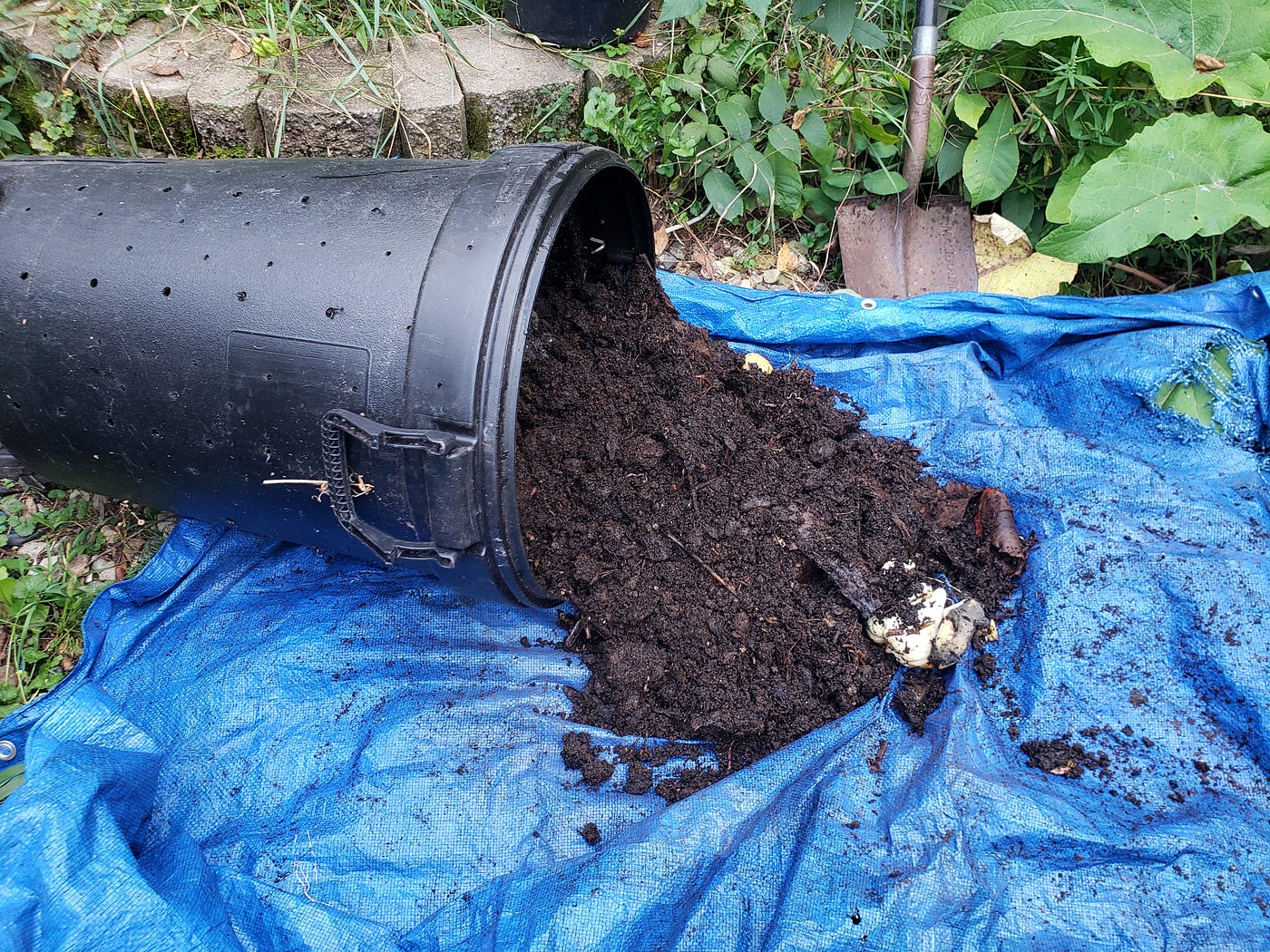
You can make your own compost bin covers with simple items. DIY covers save money and fit your bin size.
Use wood pallets, old shutters, or repurpose containers. These covers protect compost and look nice in your yard.
- Wood pallets provide sturdy lids
- Old shutters allow air flow
- Plastic containers can be cut to size
- DIY covers are customizable and reusable
Credit: medium.com
Maintaining The Right Balance
Deciding whether to cover your compost bin depends on keeping the right balance inside. This balance helps your compost break down well and stay healthy.
Covering your compost bin can protect it from rain and pests. At the same time, it affects moisture and air flow. Understanding this helps you decide the best choice.
Moisture Levels
Moisture is very important for compost to work well. Too much water makes it soggy, and too little stops the process.
Covering your bin keeps rain out, which helps stop extra water. It also keeps moisture from drying out too fast during hot weather.
- Keep compost damp like a wrung-out sponge
- Cover helps control water from rain or sun
- Check moisture often and adjust by adding water or dry material
Turning And Aerating
Air is needed for good composting. Turning the compost lets air reach all parts. This stops bad smells and speeds up decomposition.
If you cover your bin, open it often to turn the pile. This keeps air moving inside and helps the compost stay healthy.
- Turn compost at least once a week
- Mixing helps add air and break up clumps
- Cover should be easy to remove for turning
Adding Green And Brown Materials
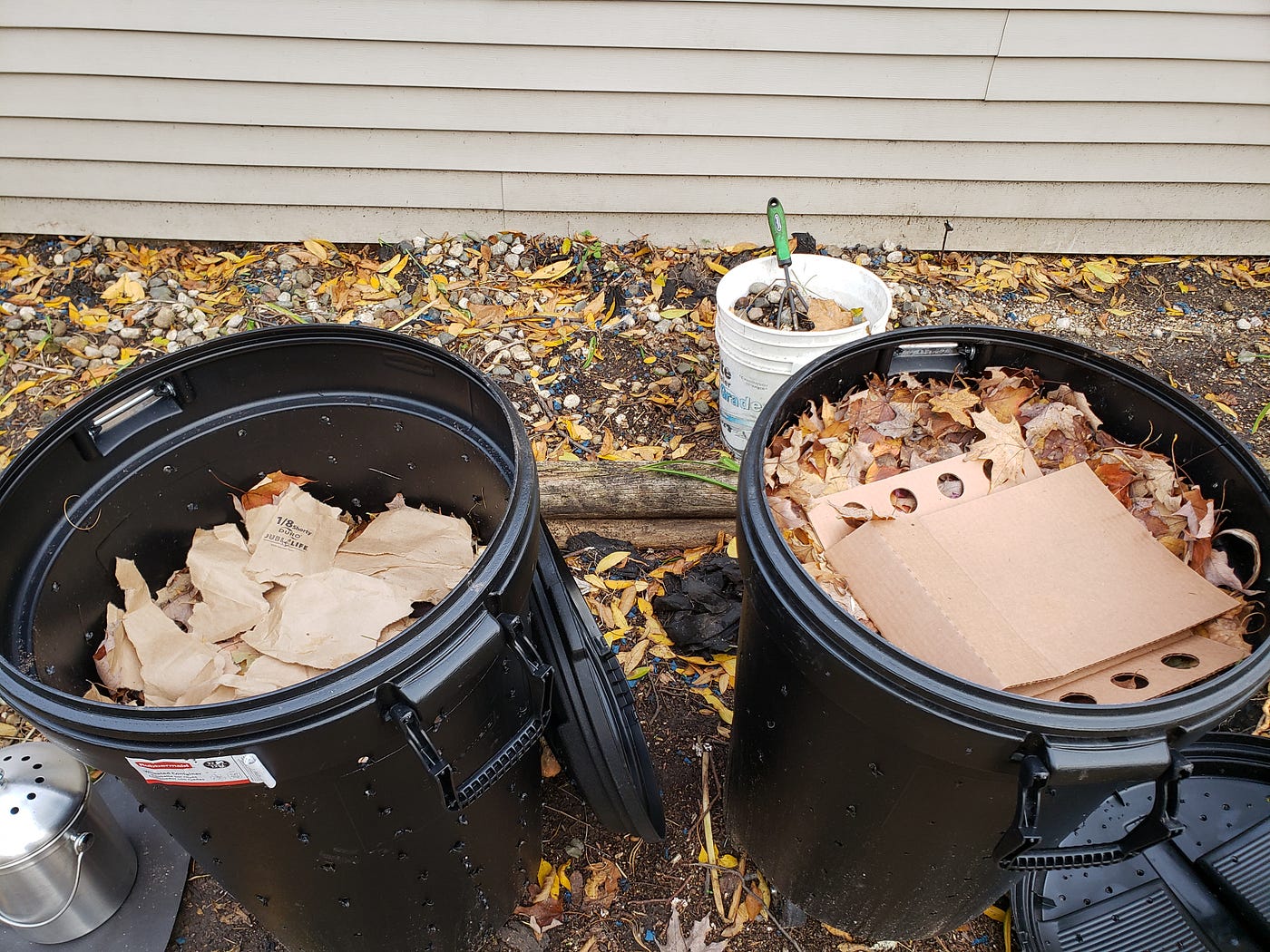
Compost needs a mix of green and brown materials. Greens add nitrogen, and browns add carbon. Both are needed to keep balance.
Covering your bin can help keep materials from drying out. It also stops the pile from getting too wet and smelly if rain falls on it.
- Green materials: vegetable scraps, grass clippings, coffee grounds
- Brown materials: dry leaves, straw, paper, small branches
- Balance about 2 parts brown to 1 part green for best results
Common Mistakes To Avoid
Covering your compost bin helps control moisture and temperature. But some mistakes can harm the process.
Knowing what not to do keeps your compost healthy and working well. Avoid these common errors for best results.
Overwatering
Too much water makes the compost soggy. This slows down decomposition and causes bad smells.
- Do not pour water directly on the bin.
- Check moisture by squeezing compost; it should feel like a damp sponge.
- If water pools on top, remove the cover until it dries.
- Use a cover that lets some air and water vapor escape.
Sealing Too Tightly
Sealing the bin tightly stops air flow. Compost needs oxygen to break down materials.
Signs your bin is sealed too tightly:
| Problem | Cause | Solution |
|---|---|---|
| Foul odor | Low oxygen | Leave lid slightly open |
| Slow composting | Bad airflow | Add holes or vents |
| Wet, compacted material | Trapped moisture | Turn compost regularly |
Ignoring Pest Signs
Leaving pests unchecked can ruin your compost and spread bugs in your yard.
- Watch for rodents, flies, and ants around the bin.
- Do not add meat or oily foods that attract pests.
- Keep the bin covered but allow airflow.
- Use pest-proof covers or fencing if needed.
Signs Your Compost Needs Adjustments
Composting is a simple way to turn food scraps and yard waste into rich soil. Sometimes your compost bin may need changes to work better. Watch for signs that show your compost needs help.
Fixing problems early keeps your compost healthy and fast. Check your bin often for these common signs.
Bad Odors
A healthy compost bin should smell earthy and fresh. Bad odors mean something is wrong inside the bin.
Foul smells usually come from too much moisture or not enough air. These conditions cause bad bacteria to grow.
- Rotten egg smell means your compost is too wet and lacks air.
- Ammonia smell shows too many green materials like food scraps.
- Musty odors can mean the bin is too dry and not breaking down well.
Slow Decomposition
Compost should break down quickly in a few weeks or months. Slow decomposition means your bin needs changes.
Slow breakdown can happen if your compost is too dry, too wet, or does not have enough air. It may also lack the right mix of materials.
- Mix green and brown materials evenly.
- Turn the compost to add oxygen.
- Check moisture and add water or dry materials as needed.
Excessive Dryness Or Wetness
Compost needs the right moisture level to work well. Too dry or too wet compost slows down the process.
If compost is dry, microbes cannot break down materials. If it is too wet, the bin can smell bad and become slimy.
- Dry compost looks dusty and feels crumbly.
- Wet compost feels soggy and may leak liquid.
- Ideal moisture is like a damp sponge that does not drip.
Credit: medium.com
Frequently Asked Questions
Should I Cover My Compost Bin For Faster Decomposition?
Covering your compost bin helps retain moisture and heat, speeding up decomposition. It also prevents excess rainwater from soaking the pile and reduces odor and pests.
What Are The Benefits Of Covering A Compost Bin?
Covering your compost bin keeps it moist, warm, and balanced. This promotes faster breakdown of materials, minimizes pests, controls odors, and prevents nutrient loss from rain exposure.
Can Uncovered Compost Bins Attract Pests And Rodents?
Yes, uncovered bins expose food scraps and odors, attracting pests like rodents and insects. A cover helps secure the compost, reducing unwanted visitors and protecting your pile.
How Does Covering Affect Compost Moisture Levels?
A cover helps maintain optimal moisture by preventing excess rain and reducing evaporation. Balanced moisture is crucial for microbes to break down organic matter efficiently.
Conclusion
Covering your compost bin helps keep pests away and controls moisture. It stops rain from making the pile too wet. A cover also keeps heat in, which speeds up composting. But some airflow is needed, so don’t seal it tight.
Choose a simple lid or cloth that fits your needs. Keep an eye on your compost to adjust as needed. Covering is a small step that makes composting easier and cleaner. Try it and see how it works for your garden.