Imagine this: You open your dishwasher, and instead of sparkling clean dishes, you’re greeted by a stubborn clog. Frustrating, right?
You might be tempted to grab the nearest bottle of Draino and pour it in, hoping it will work its magic. But hold on! Before you make a move that could potentially harm your appliance, let’s explore whether Draino is really the solution you need.
This article will guide you through the dos and don’ts, ensuring your dishwasher stays in tip-top shape. Your time and money are precious, and we want to help you avoid costly mistakes. So, are you ready to discover the safest way to tackle that pesky clog? Let’s dive in!

Credit: drano.com
Why Draino Is Not For Dishwashers
Drano is a strong chemical cleaner designed to clear clogged drains. Many wonder if it can be used in dishwashers to fix blockages. Using Drano in a dishwasher is unsafe and can damage the appliance. The chemical makeup of Drano, how dishwashers work, and their incompatibility explain why Drano is not for dishwashers.
Chemical Composition Of Draino
Drano contains powerful chemicals like sodium hydroxide and bleach. These substances break down hair, grease, and food clogs quickly. They create heat and strong reactions to dissolve blockages fast. The chemicals are very harsh and can harm surfaces they touch.
How Dishwashers Work
Dishwashers use water jets and detergent to clean dishes gently. They cycle water through filters and drain pipes to remove waste. The machine parts are made to handle mild soaps, not harsh chemicals. The dishwasher’s pumps and seals are delicate and can break easily.
Incompatibility Issues
- Drano can damage dishwasher parts like rubber seals and hoses.
- The strong chemicals may corrode metal parts inside the dishwasher.
- Drano’s heat reaction can cause leaks or cracks in the appliance.
- Residue from Drano can contaminate dishes and water supply.
- Using Drano voids most dishwasher warranties.
Potential Damage To Dishwasher Components
Using Draino or similar chemical drain cleaners in a dishwasher can cause serious damage. These products contain harsh chemicals designed for tougher drains, not delicate dishwasher parts. The strong formula may harm several components inside your machine. Understanding the risks helps protect your dishwasher from costly repairs.
Corrosion Risks
Draino’s chemicals can corrode metal parts inside the dishwasher. Pipes, racks, and spray arms often use metal that is vulnerable to corrosion. This damage weakens the structure and can cause leaks. Corrosion also reduces the dishwasher’s lifespan significantly.
Damage To Seals And Hoses
Seals and hoses in dishwashers are usually made from rubber or plastic. These materials can break down quickly when exposed to harsh chemicals. Cracked seals cause water leaks and poor cleaning performance. Damaged hoses might burst, leading to water damage in your kitchen.
Effect On Dishwasher Electronics
Dishwashers have sensitive electronic parts to control cycles and water flow. Chemical cleaners like Draino can cause short circuits or corrosion on electrical boards. This can result in malfunction or complete failure of the dishwasher’s control system. Repairing electronics often costs more than replacing the whole dishwasher.
Health And Safety Concerns
Using Draino in a dishwasher raises serious health and safety concerns. This chemical is designed for drains, not kitchen appliances. It contains harsh ingredients that can pose risks during use. Understanding these dangers helps prevent accidents and protects your health.
Toxic Fumes And Chemical Reactions
Draino releases strong fumes that can irritate eyes, throat, and lungs. The dishwasher’s heat may trigger dangerous chemical reactions. These reactions can create toxic gases harmful to breathe. Poor ventilation increases the risk of inhaling these fumes.
Risk Of Harmful Residue On Dishes
Draino is not food-safe. It can leave toxic residues on plates and glasses. Even after rinsing, chemicals may remain on dish surfaces. Consuming food from contaminated dishes can cause poisoning or stomach issues. This risk is high if the dishwasher cycle does not remove all chemicals.
Emergency Measures If Misused
Stop using the dishwasher immediately if Draino was added. Open windows and doors to air out the area. Avoid touching dishes or the dishwasher interior until cleaned. Call poison control or emergency services if anyone feels sick. Thoroughly clean the dishwasher before using it again.

Credit: drano.com
Safer Alternatives For Dishwasher Clogs
Dealing with dishwasher clogs needs care and the right approach. Harsh chemicals like Drano can harm your appliance and pipes. Safer alternatives keep your dishwasher running smoothly without risks. These options protect your machine and your home’s plumbing.
Using Dishwasher-safe Cleaners
Choose cleaners made for dishwashers. They are gentle but effective. These products break down food buildup and grease safely. Follow the instructions on the label for best results. Regular use can prevent clogs from forming.
Natural Remedies For Blockages
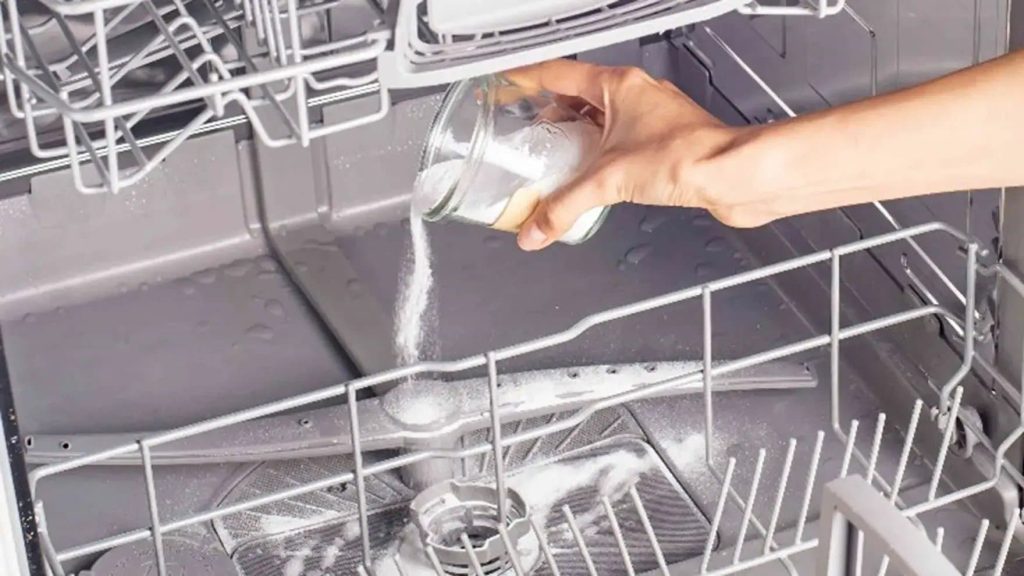
Simple kitchen ingredients can clear minor blockages. Try mixing baking soda and vinegar. Pour the mixture into the drain and wait 15 minutes. Then rinse with hot water to flush debris. Lemon juice also helps freshen and clean drains naturally.
When To Call A Professional
Persistent clogs or strange noises need expert help. Professionals use tools to clear tough blockages safely. Calling a plumber prevents damage and saves time. Don’t wait until the problem gets worse. Early action keeps your dishwasher in good shape.
Preventing Dishwasher Clogs
Dishwasher clogs can turn a simple chore into a frustrating mess. Preventing these blockages saves time, money, and keeps your dishwasher running smoothly. Understanding how to care for your dishwasher and what habits cause clogs is key to avoiding costly repairs.
Regular Maintenance Tips
Cleaning your dishwasher regularly helps prevent food and grease buildup that leads to clogs. Remove and rinse the filter every week to clear trapped debris. Run a cycle with vinegar or a dishwasher cleaner once a month to dissolve residue inside the pipes.
Have you noticed your dishwasher draining slowly? That’s often a sign it needs attention. Don’t wait for a clog to stop the machine completely—small steps now protect your appliance later.
Proper Loading Techniques
How you load your dishwasher affects water flow and drainage. Place larger items on the sides and back, leaving space for water to circulate freely. Avoid overcrowding; too many dishes block spray arms and trap food particles.
Think about how water reaches each plate or cup. If items are stacked improperly, food scraps can get stuck in crevices, increasing the chance of buildup. Taking a few extra seconds to load correctly can prevent clogs.
Avoiding Problematic Foods
Certain foods are notorious for causing dishwasher clogs. Greasy sauces, coffee grounds, and fibrous vegetables like celery or corn husks don’t break down easily. Scrape off large food scraps before loading dishes to keep the drain clear.
Have you ever seen bits of eggshell or bones clog your drain? These hard particles can accumulate and block pipes. Being mindful about what goes into your dishwasher helps maintain smooth drainage and reduces the risk of unpleasant odors.

Credit: www.drano.com
Frequently Asked Questions
Can I Use Drano To Unclog My Dishwasher?
No, Drano is not safe for dishwashers. It can damage pipes and the appliance. Use dishwasher-safe cleaners instead.
What Happens If I Pour Drano In My Dishwasher?
Pouring Drano can harm dishwasher parts and void warranties. It can also cause leaks and corrosion in plumbing.
Are There Safer Alternatives To Drano For Dishwashers?
Yes, use baking soda and vinegar or enzyme-based drain cleaners. These are gentle and dishwasher-safe options for clogs.
How Do I Properly Clean A Clogged Dishwasher Drain?
Remove debris manually, then use hot water and mild detergent. For persistent clogs, consult a professional plumber.
Conclusion
Pouring Drano into a dishwasher can cause serious damage. It may harm pipes and the dishwasher’s parts. Using products made for dishwashers is safer. Regular cleaning helps avoid clogs and keeps your machine working well. Always read the dishwasher manual before trying new cleaners.
Protect your appliance and plumbing by choosing the right products. Stay safe and keep your dishwasher running smoothly. Avoid risky chemicals like Drano in your kitchen appliances. Clean wisely and enjoy a trouble-free dishwasher.