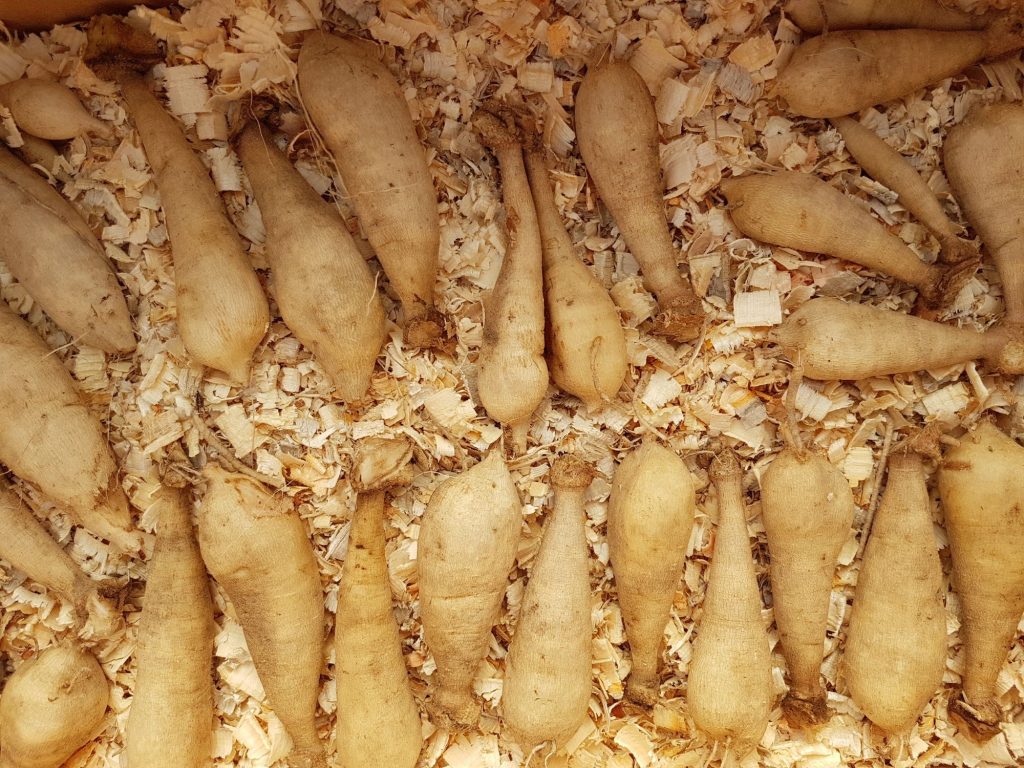
Storing dahlia tubers can be a bit of a puzzle, can’t it? You might be wondering if your refrigerator is the right place for these colorful garden favorites.
After all, you want to ensure they remain vibrant and ready to bloom come springtime. You’re not alone in this curiosity, and many gardeners like you are eager to find the best methods to keep their dahlias in top shape during the off-season.
Imagine the satisfaction of seeing your dahlias burst into life, all because you made the right storage choice. Curious to know if your fridge could be the secret weapon? Read on to discover the answer and unlock the potential for a breathtaking garden next year.

Credit: www.lynseytaulbee.com
Why Store Dahlia Tubers
Storing dahlia tubers properly preserves them for future planting seasons. Without storage, tubers may dry out or rot. Proper care ensures healthy blooms next year. Gardeners save money by reusing tubers instead of buying new plants. Storage also protects tubers from pests and harsh weather.
Benefits Of Proper Storage
- Extends tuber lifespan through winter months
- Maintains tuber moisture without causing rot
- Prevents damage from cold or frost
- Ensures strong, healthy plants next season
- Reduces the need to purchase new tubers
Common Storage Challenges
- Excess moisture can cause tubers to rot
- Too dry conditions lead to shriveled tubers
- Temperature fluctuations may damage tubers
- Pest infestations during storage can destroy tubers
- Improper ventilation causes mold growth
Ideal Conditions For Dahlia Tubers
Storing dahlia tubers properly is key to keeping them healthy through the winter. Tubers need specific conditions to avoid rotting or drying out. Understanding these ideal conditions helps ensure strong plants in spring.
Temperature Requirements
Dahlia tubers store best at cool temperatures, but not freezing. The ideal range is between 40°F and 50°F (4°C to 10°C). Temperatures below 40°F can damage tubers. Warmer than 50°F may cause early sprouting or decay.
Humidity Levels
Moderate humidity is crucial to prevent tubers from drying out or rotting. Aim for around 70% humidity. Too much moisture can lead to mold. Too little causes tubers to shrivel. Using slightly damp peat moss or sawdust helps maintain balance.
Light Exposure
Dahlia tubers should be kept in darkness during storage. Light can trigger sprouting and weaken tubers. Store them in a dark box or covered container. This keeps tubers dormant and ready for planting later.
Refrigerator Storage Basics
Storing dahlia tubers in the refrigerator requires some care to keep them healthy. The cold environment slows down their growth, helping them last through winter. Knowing where and how to store these tubers in the fridge makes a big difference in their survival. Proper storage prevents rotting and damage caused by cold or moisture.
Suitable Refrigerator Sections
Choose the vegetable crisper or a middle shelf for dahlia tubers. These areas maintain a steady temperature between 35°F and 40°F (1.5°C to 4.5°C). Avoid the freezer section, which is too cold and can freeze the tubers. Also, do not place tubers near the fridge door, where temperature changes often.
Packaging Tips
Wrap the tubers in dry newspaper or paper towels to absorb moisture. Place them inside a paper bag or a cardboard box for breathability. Avoid plastic bags, as they trap moisture and cause mold. Check tubers regularly for soft spots or signs of rot during storage.
Avoiding Frost Damage
Keep tubers away from any frost or ice buildup in the fridge. Frost can kill the tubers or cause decay quickly. Use a thermometer to monitor the fridge temperature. If frost forms, remove the tubers and dry them before returning to storage.

Credit: petalpickers.com
Step-by-step Tubers Preparation
Preparing your dahlia tubers correctly before storage is crucial to keep them healthy through the winter months. Proper preparation reduces the risk of rot and disease while making it easier to plant next season. Let’s walk through the essential steps to get your tubers ready for the fridge.
Cleaning And Drying
Start by gently brushing off excess soil from the tubers. Avoid washing them with water as moisture can encourage mold during storage.
After cleaning, let the tubers dry completely in a warm, shaded area. This drying phase can take a few days but is key to preventing rot later.
Trimming And Inspecting
Once dry, trim away any damaged or soft spots with a clean, sharp knife. Removing these areas prevents decay from spreading to healthy parts.
Inspect each tuber carefully for signs of pests or disease. Only store tubers that look firm and healthy to avoid contamination.
Labeling For Identification
Label each tuber or group of tubers clearly with their variety name. Use waterproof tags or write on small sticks placed near the tubers.
Good labeling saves you time and confusion next spring. Have you ever forgotten which variety was which after months of storage?
Alternatives To Refrigerator Storage
Storing dahlia tubers in a refrigerator isn’t the only option available, especially if you don’t have the right setup or prefer a more natural approach. You can protect your tubers effectively by choosing storage environments that maintain cool temperatures and stable humidity without the chill of a fridge.
These alternatives can be just as reliable and might even suit your space better. Here are some practical ways to keep your dahlias safe through the colder months.
Cool Basement Or Cellar
A cool basement or cellar often provides the perfect conditions for dahlia tuber storage. These spaces usually stay between 40°F and 50°F (4°C to 10°C), which is ideal for preventing tubers from freezing or drying out.
Make sure the area is dry and well-ventilated to avoid mold growth. You might want to place the tubers on shelves or in crates off the cold floor to maintain airflow around them.
Using Storage Boxes
Using storage boxes can help you organize and protect your tubers efficiently. Fill boxes with dry peat moss, sawdust, or vermiculite to keep tubers slightly moist and cushioned.
Label each box with the dahlia variety to keep track easily. This method also allows you to stack and store them safely in your chosen cool spot, reducing the risk of damage or drying.
Other Climate-controlled Methods
If a basement or cellar isn’t available, consider other climate-controlled options like an unheated garage or a shed that stays cool and dry. You can also create a simple storage environment using insulated containers with moisture control.
Some gardeners use cool closets or enclosed porches that don’t experience temperature spikes. Have you checked your home for hidden cool spots that might work as a tuber storage space?

Credit: www.stonemeadowgardens.ca
Signs Of Tubers Spoilage
Recognizing signs of dahlia tuber spoilage is key for proper storage. Spoiled tubers lose their strength and won’t grow well next season. Watch for clear symptoms to separate healthy tubers from bad ones. Early detection helps save your plants and avoid wasting effort.
Mold And Rot Indicators
Mold appears as fuzzy patches, often white, gray, or green. Rot makes tubers soft and dark, with a bad smell. Avoid tubers with these signs to stop spread. Mold and rot usually start at cuts or bruises. Store tubers in dry, cool places to prevent mold growth.
Wrinkling And Shriveling
Healthy tubers look firm and plump. Wrinkled or shriveled tubers show dehydration. These tubers lose water and become weak. Wrinkling means they may not sprout well. Keep tubers slightly moist but not wet to avoid shriveling.
Loss Of Viability
Loss of viability means tubers can no longer grow. Signs include no sprouting after weeks in warm conditions. Some tubers look healthy but fail to grow roots or shoots. Check tubers regularly and discard those that stay dormant too long. Use fresh tubers for best garden results.
Preparing Tubers For Planting
Preparing dahlia tubers for planting is key to a strong start. Healthy tubers lead to vibrant flowers and a lush garden. Proper preparation helps tubers wake up from dormancy and grow well.
Follow simple steps to ensure your tubers are ready for the soil. Careful handling and timing make all the difference in growth success.
Waking Up Tubers
Start by gently inspecting each tuber. Look for firm, plump sections without soft spots or mold. Place tubers in a warm, bright spot indoors. Keep them away from direct sunlight but in a room temperature area. This encourages sprouts to form slowly. Wait until small green shoots appear before planting.
Pre-planting Care
- Trim damaged or dry parts carefully with clean scissors.
- Use a mild fungicide or cinnamon powder to prevent rot.
- Keep tubers dry but not completely dehydrated.
- Do not water tubers before planting; soil will provide moisture.
- Handle tubers gently to avoid breaking sprouts.
Timing For Best Growth
Plant tubers after the last frost date in your area. Soil temperature should be at least 60°F (16°C) for best results. Early planting risks frost damage to young shoots. Late planting delays blooming and weakens plants. Plan your garden schedule around local climate and weather patterns.
Frequently Asked Questions
Can I Store Dahlia Tubers In The Refrigerator?
Yes, you can store dahlia tubers in the refrigerator. Keep them dry and wrapped in paper or peat moss. Store at 40-50°F (4-10°C) to prevent rotting. Avoid freezing temperatures as they can damage the tubers.
How Long Can Dahlia Tubers Stay In The Fridge?
Dahlia tubers can be stored in the fridge for 3 to 5 months. Check periodically for mold or softness. Proper storage conditions prolong their viability for the next growing season.
Should Dahlia Tubers Be Cleaned Before Refrigeration?
Clean dahlia tubers gently by brushing off soil. Avoid washing them with water to prevent moisture buildup. Dry tubers help reduce rot during refrigeration.
Can Refrigeration Damage Dahlia Tubers?
Improper refrigeration, like freezing or excess moisture, can damage tubers. Store tubers dry and at consistent cool temperatures to keep them healthy.
Conclusion
Storing dahlia tubers in the refrigerator can help keep them safe during winter. Keep them dry and cool, but not too cold. Check tubers often for signs of rot or damage. Use paper bags or cardboard boxes for storage. Avoid plastic bags that trap moisture.
This method keeps tubers fresh until spring planting. Try it to protect your dahlias and enjoy their blooms next season. Simple care makes a big difference in tuber health. Give your dahlias the best chance to grow strong again.