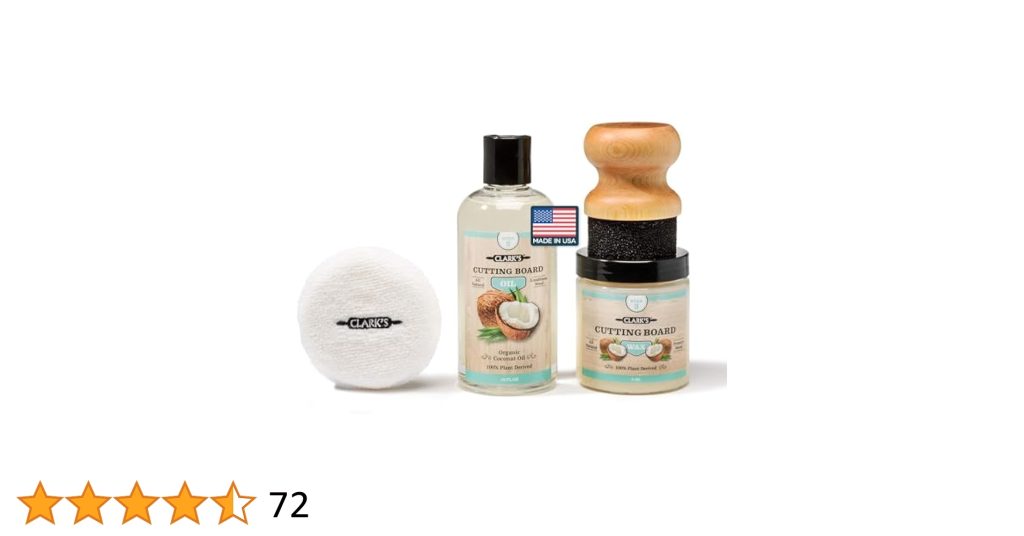
Are you wondering if coconut oil is a safe and effective way to care for your cutting board? You’ve probably seen all kinds of advice online, and it’s easy to feel unsure about what really works.
Using the right oil can keep your cutting board looking fresh, prevent cracks, and even stop bacteria from building up. But is coconut oil the best choice for this? Keep reading, because we’re about to reveal everything you need to know to protect your cutting board and keep your kitchen safe.

Credit: www.thebambooguy.com
Benefits Of Coconut Oil For Cutting Boards
Coconut oil is a natural choice for caring for wooden cutting boards. It helps keep the wood healthy and strong.
Using coconut oil on your cutting board can protect it from damage and make it last longer.
Natural Moisturizing Properties
Coconut oil deeply penetrates wood fibers. It keeps the cutting board from drying out and cracking. This oil locks in moisture and helps maintain the wood’s natural texture.
Antibacterial Effects
Coconut oil contains natural compounds that fight bacteria. Applying it to your cutting board reduces the chance of germs growing. This helps keep your kitchen cleaner and safer.
- Lauric acid in coconut oil kills bacteria.
- It creates a protective barrier on the wood.
- Reduces odors caused by bacteria buildup.
Enhancing Wood Longevity
| Benefit | How Coconut Oil Helps |
| Prevents Cracking | Keeps wood fibers flexible and moisturized |
| Protects from Water Damage | Forms a water-resistant layer on the surface |
| Maintains Appearance | Enhances the wood’s natural color and shine |
Choosing The Right Coconut Oil
Coconut oil is a popular choice for treating wooden cutting boards. Picking the correct type matters for safety and durability. Let’s explore how to choose the best coconut oil for your cutting board care.
Knowing the differences between oils helps protect your board and keep it food safe. This guide covers key points to consider before use.
Virgin Vs Refined Coconut Oil
Virgin coconut oil is made by cold-pressing fresh coconut meat. It keeps a strong coconut smell and flavor. Refined coconut oil comes from dried coconut and is processed to remove odor and taste.
- Virgin oil is less processed and keeps more natural compounds.
- Refined oil has a neutral smell and is more stable at higher heat.
- Virgin oil may leave a coconut scent on your board.
- Refined oil is less likely to change the flavor of your food.
Food-grade Safety
Choose only food-grade coconut oil for your cutting board. Non-food-grade oils might contain harmful additives. Food-grade oils are safe for contact with food.
| Type | Safe for Food Contact | Common Uses |
| Virgin Coconut Oil | Yes | Cooking, skin care, cutting boards |
| Refined Coconut Oil | Yes | Cooking, baking, cutting boards |
| Industrial Coconut Oil | No | Cosmetics, lubricants |
Storage Tips
Proper storage keeps coconut oil fresh and effective for treating your cutting board. Follow these tips to maintain quality.
- Store oil in a cool, dark place away from sunlight.
- Keep the container tightly closed to prevent contamination.
- Avoid moisture getting into the oil to prevent spoilage.
- If solid, gently warm the oil to liquefy before use.
How To Apply Coconut Oil Safely
Coconut oil can help protect and maintain your wooden cutting board. It keeps the wood from drying out and cracking. To use it safely, you need to follow some simple steps.
Applying coconut oil the right way can make your cutting board last longer. It also keeps it clean and food-safe.
Cleaning The Cutting Board First
Always clean your cutting board before applying coconut oil. Remove all food particles and stains to avoid trapping bacteria.
- Wash the board with warm water and mild soap.
- Scrub gently with a sponge or brush.
- Rinse well to remove soap residue.
- Dry completely with a clean towel or air dry.
Application Techniques
Use these methods to apply coconut oil evenly and safely on your cutting board.
- Pour a small amount of coconut oil on the board.
- Use a clean cloth or paper towel to spread the oil.
- Rub the oil into the wood in circular motions.
- Cover all surfaces, including edges and sides.
- Let the oil soak in for several hours or overnight.
- Wipe off any extra oil before use.
Frequency Of Use
The frequency of applying coconut oil depends on how often you use your cutting board. Regular oiling keeps the wood healthy and strong.
| Usage Level | Oiling Frequency |
|---|---|
| Daily use | Once a week |
| Weekly use | Every two weeks |
| Occasional use | Once a month |

Credit: www.amazon.com
Comparing Coconut Oil With Other Oils
Coconut oil is popular for many uses, including on cutting boards. It helps keep wood from drying out. People often ask if it is better than other oils.
Different oils have different effects on wood. Some oils protect better, last longer, or are safer for food contact. Let’s compare coconut oil with others.
Mineral Oil Benefits
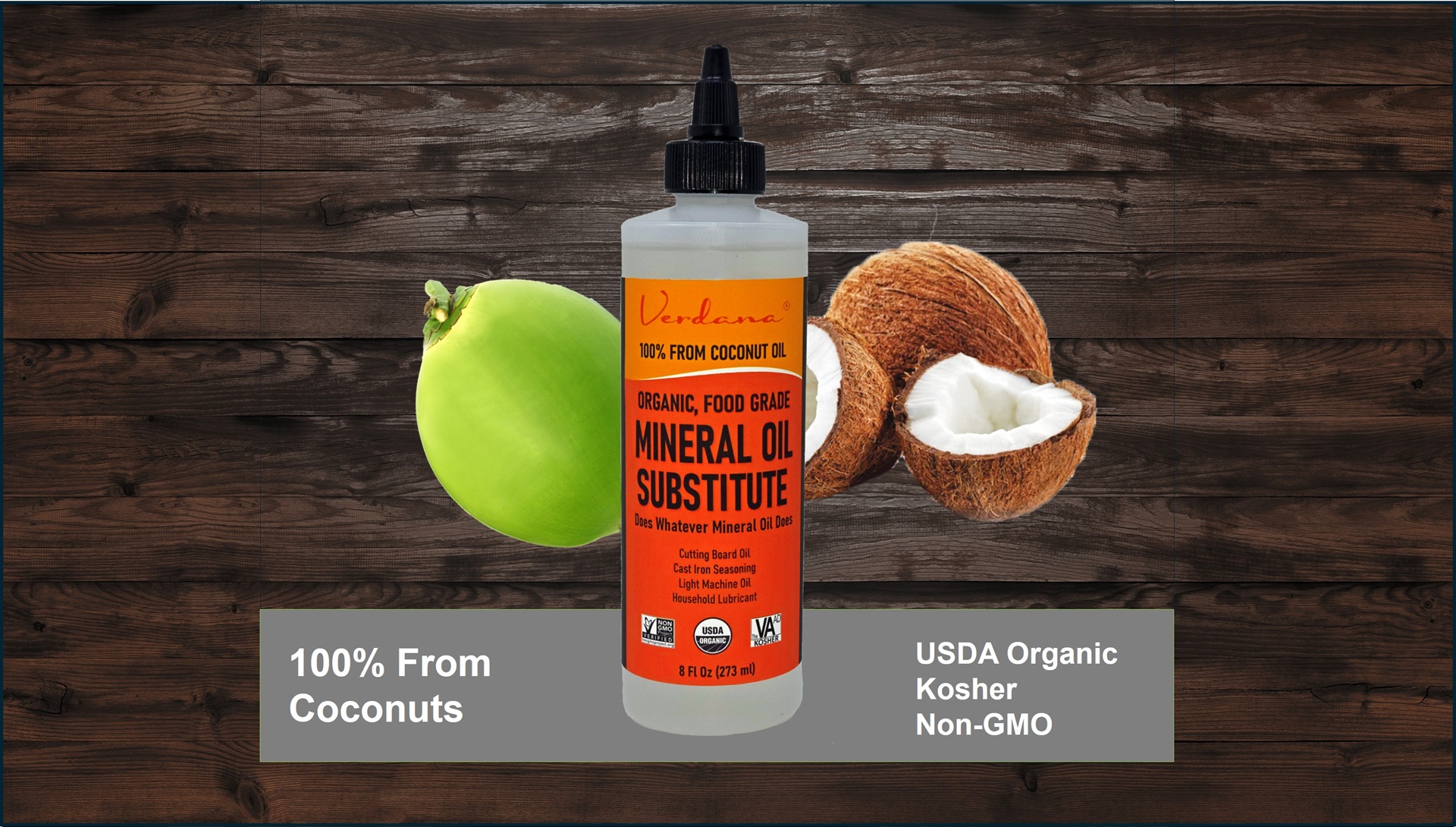
Mineral oil is a common choice for cutting boards. It is odorless and tasteless. This means it will not change food flavor.
It soaks into wood well and protects it from water damage. Mineral oil also does not go rancid, so it lasts a long time on boards.
- Food safe and non-toxic
- Does not spoil or smell bad
- Protects wood from cracking and drying
- Easy to apply and reapply
Beeswax Mixtures
Beeswax is often mixed with oils like mineral oil. This mix creates a thicker coating on wood. It seals the surface better than oil alone.
The wax helps water bead up and keeps the wood shiny. It also adds a layer that lasts longer before reapplication is needed.
- Provides a water-resistant surface
- Improves wood’s shine and smoothness
- Lasts longer than oil alone
- May require more effort to apply
Potential Drawbacks
Coconut oil can go rancid over time. This means it may develop a bad smell. Rancid oil can affect food taste and board condition.
Some other oils, like olive oil, also spoil and should not be used on cutting boards. Mineral oil avoids this problem. Beeswax mixtures may be harder to clean.
- Coconut oil can spoil and smell bad
- Rancid oil affects food flavor
- Beeswax mixtures can be sticky or harder to clean
- Some oils do not soak in well and may leave residue
Common Mistakes To Avoid
Using coconut oil on a cutting board can help keep it in good shape. But some mistakes can cause problems. Knowing what to avoid makes your board last longer.
Here are common mistakes people make when caring for cutting boards with coconut oil. Avoid these to protect your kitchen tool.
Using Non-food Grade Oils
Not all oils are safe for cutting boards. Some oils can spoil or harm your food. Always use food-grade oils like pure coconut oil.
Oils that are not meant for cooking may have chemicals. These can get into your food and cause health issues. Avoid using motor oils or mineral oils not made for food.
- Choose only food-grade coconut oil
- Check labels for safety on kitchen items
- Avoid scented or flavored oils
Over-oiling
Applying too much coconut oil can make the board sticky. It may attract dust and bacteria. A thin layer is enough to protect the wood.
Over-oiling can also cause the surface to stay wet. This slows drying and can damage the wood over time. Use small amounts and wipe off excess oil.
- Use 1 to 2 teaspoons per application
- Spread oil evenly with a cloth
- Wipe off any extra oil after 20 minutes
Ignoring Board Condition
Applying coconut oil without checking the board can cause issues. Cracks or deep cuts need special care before oiling. Dirt and moisture should be cleaned first.
If the board is too dry or damaged, oil alone won’t fix it. Sanding rough areas helps oil soak better. Clean boards absorb oil well and stay in good shape.
- Clean the board before oiling
- Sand rough or cracked areas gently
- Check for mold or stains and remove them
Signs Your Cutting Board Needs Re-oiling
Wooden cutting boards need regular care to last long. One key care step is re-oiling. This helps keep the wood strong and safe for food.
Knowing when to re-oil your cutting board can save it from damage. Look for some clear signs before problems get worse.
Dryness And Cracks
Dry wood loses its natural oils and moisture. This causes the surface to become rough and cracked. Small cracks can grow bigger and make the board unsafe.
- Wood feels dry or rough to touch
- Visible cracks or splits in the surface
- Edges start to chip or flake
Water Absorption Issues
A well-oiled board repels water. If water soaks in fast, it means the oil layer is gone. This can cause stains and warping.
| Water Test Result | What It Means |
|---|---|
| Water beads on surface | Board is well-oiled |
| Water soaks in quickly | Board needs re-oiling |
| Water leaves dark spots | Wood is absorbing moisture |
Surface Dullness
Oiled wood has a slight shine and smooth feel. A dull, matte surface shows the oil has worn off. This makes the board less protected.
- Surface looks faded or chalky
- Wood feels dry and rough
- Knife cuts leave deeper marks
Credit: www.amazon.com
Frequently Asked Questions
Can Coconut Oil Safely Condition A Cutting Board?
Yes, coconut oil can safely condition wooden cutting boards. It moisturizes and protects the wood, preventing cracks and drying out. Choose refined coconut oil to avoid rancidity and maintain board hygiene.
How Often Should I Apply Coconut Oil On Cutting Board?
Apply coconut oil to your cutting board once a month for best results. Regular treatment keeps the wood hydrated and extends its lifespan. More frequent application may be needed for heavily used boards.
Is Coconut Oil Better Than Mineral Oil For Cutting Boards?
Coconut oil is a natural alternative but can go rancid faster than mineral oil. Mineral oil is odorless, tasteless, and more stable, making it a preferred choice for many. Choose coconut oil if you prefer a natural option.
Can Coconut Oil Prevent Bacteria Growth On Cutting Boards?
Coconut oil has antimicrobial properties that can reduce bacteria on cutting boards. However, it should not replace proper cleaning and sanitizing practices. Always wash your cutting board thoroughly after use.
Conclusion
Coconut oil can help keep your cutting board healthy and shiny. It soaks into the wood and stops it from drying out. Use it in small amounts to avoid sticky surfaces. Always clean the board before applying the oil. This natural oil is safe and easy to find.
Regular care with coconut oil makes your board last longer. Try it and see the difference yourself. Simple steps bring good results. Your cutting board will thank you.