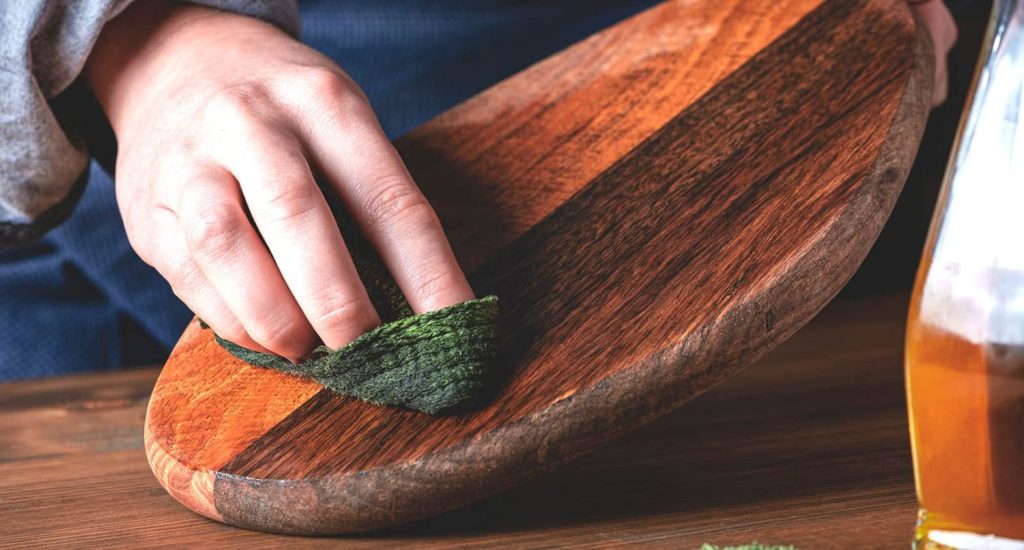
Are you wondering if coconut oil is the right choice for your cutting board care? You probably want a simple, natural way to keep your board looking fresh and lasting longer.
But is coconut oil safe and effective, or could it cause problems you didn’t expect? Keep reading to discover the surprising truth about using coconut oil on your cutting board—and learn the best tips to protect your kitchen tool every time you slice and chop.
Why Condition Cutting Boards
Conditioning cutting boards helps keep them in good shape. It protects the wood from damage and makes the board last longer.
Using oil on your cutting board prevents problems like cracks and dryness. It also keeps the board clean and looking nice.
Preventing Cracks And Warping
Wood can dry out and crack if not cared for properly. Oiling the board keeps the wood moist and flexible.
This stops the wood from warping or splitting. Regular conditioning fills tiny gaps and protects the surface.
- Keeps wood fibers strong
- Prevents drying and shrinking
- Reduces risk of cracks and splits
Maintaining Hygiene
Oiling your board helps seal the wood’s pores. This stops bacteria and food particles from getting inside.
A well-conditioned board is easier to clean and less likely to hold smells or stains. This keeps your kitchen safe.
- Seals wood to block bacteria
- Prevents food stains and odors
- Makes cleaning easier and more effective
Enhancing Appearance
Conditioning brings out the natural grain and color of the wood. It gives your cutting board a fresh, polished look.
Regular oiling keeps the board smooth and shiny. This makes your kitchen tools look well cared for and inviting.
- Restores wood color and shine
- Prevents dull, dry surface
- Keeps board looking new longer

Credit: www.thebambooguy.com
Types Of Oils For Cutting Boards
Choosing the right oil for your cutting board is important. It helps in maintaining the board’s condition and extending its life.
There are different oils available, each with its own benefits and drawbacks. Let’s explore them.
Mineral Oil Benefits
Mineral oil is a popular choice for cutting boards. It is safe and easy to apply.
This oil does not spoil or turn rancid. It helps protect the board from moisture.
- Affordable and widely available
- Odorless and tasteless
- Prevents wood from drying out
Plant-based Oils Overview
Plant-based oils like coconut and walnut oil are natural options. They offer a pleasant smell and are eco-friendly.
These oils can provide a natural shine to your board. However, they may not last as long as mineral oil.
- Environmentally friendly choice
- Can enhance wood grain appearance
- May require frequent reapplication
Risks Of Using Cooking Oils
Some people consider using cooking oils like olive or vegetable oil. These oils can spoil and leave a sticky surface.
Using cooking oils can lead to a rancid smell over time. It is best to avoid them for cutting board maintenance.
- Can spoil and turn rancid
- May create a sticky residue
- Not recommended for long-term use
Coconut Oil Characteristics
Coconut oil is popular for many uses, including caring for cutting boards. It comes from the meat of coconuts and has unique features. Knowing its characteristics helps decide if it is good for your cutting board.
This oil is natural, solid at room temperature, and melts when warm. It has traits that affect its use in kitchen items like cutting boards.
Composition And Stability
Coconut oil mainly contains fats called saturated fatty acids. These fats make it stable and slow to spoil. It stays solid in cool places and liquid when warm.
| Type of Fat | Percentage in Coconut Oil |
| Saturated Fat | 82-92% |
| Monounsaturated Fat | 6-8% |
| Polyunsaturated Fat | 1-2% |
Antimicrobial Properties
Coconut oil can fight bacteria and fungi. This happens because of a substance called lauric acid. It may help keep your cutting board cleaner and safer to use.
- Lauric acid reduces harmful microbes
- May prevent mold growth on wood
- Helps maintain board hygiene naturally
Potential For Rancidity
Rancidity means oil goes bad and smells or tastes off. Coconut oil is less likely to become rancid than many other oils. Still, it can spoil if not stored well.
Keep these tips to avoid rancidity:
- Store coconut oil in a cool, dark place.
- Seal the container tightly after use.
- Use within the expiration date.
Using Coconut Oil On Cutting Boards
Coconut oil can protect your wooden cutting board. It keeps the wood from drying out and cracking.
Using coconut oil is a natural way to maintain your cutting board’s surface. It helps keep it smooth and clean.
Application Tips
Apply coconut oil to a clean, dry cutting board. Use a soft cloth or paper towel to spread the oil evenly.
Rub the oil gently into the wood in circular motions. Make sure to cover all surfaces, including edges and sides.
- Use solid or liquid coconut oil.
- Warm the oil slightly for easier application.
- Wipe off excess oil after 15 minutes.
Frequency Of Treatment
Oil your cutting board regularly to keep it in good shape. The frequency depends on how often you use it.
For daily use, oil it once a week. For less use, oil it once a month to prevent drying.
- Heavy use: apply oil weekly
- Moderate use: apply oil every two weeks
- Light use: apply oil once a month
Signs It’s Working
You will see the wood looks richer and feels smoother after oiling. The surface should not feel dry or rough.
Small cracks or splits in the wood will reduce or disappear. Water will bead up instead of soaking in.
- Wood looks darker and more vibrant
- Surface feels smooth and soft
- Water forms droplets on the surface
- Wood cracks become less visible
Expert Recommendations
Coconut oil is often used to treat wooden cutting boards. It can help keep the wood from drying out and cracking. But it is important to know when coconut oil works well and when other options are better.
Experts suggest using oils that do not go bad quickly. This advice helps protect your board and keeps it safe for food use. Below are some tips on using coconut oil and alternatives.
When To Choose Coconut Oil
Use coconut oil if your cutting board is not exposed to water often. Virgin coconut oil can help keep the wood moist. It also has natural antibacterial properties. This oil works best on boards used for light cutting or serving.
Choose coconut oil if you want a natural product. Make sure to use refined coconut oil to avoid strong smells. Avoid using coconut oil on boards that get wet a lot or are washed in dishwashers.
Alternatives To Consider
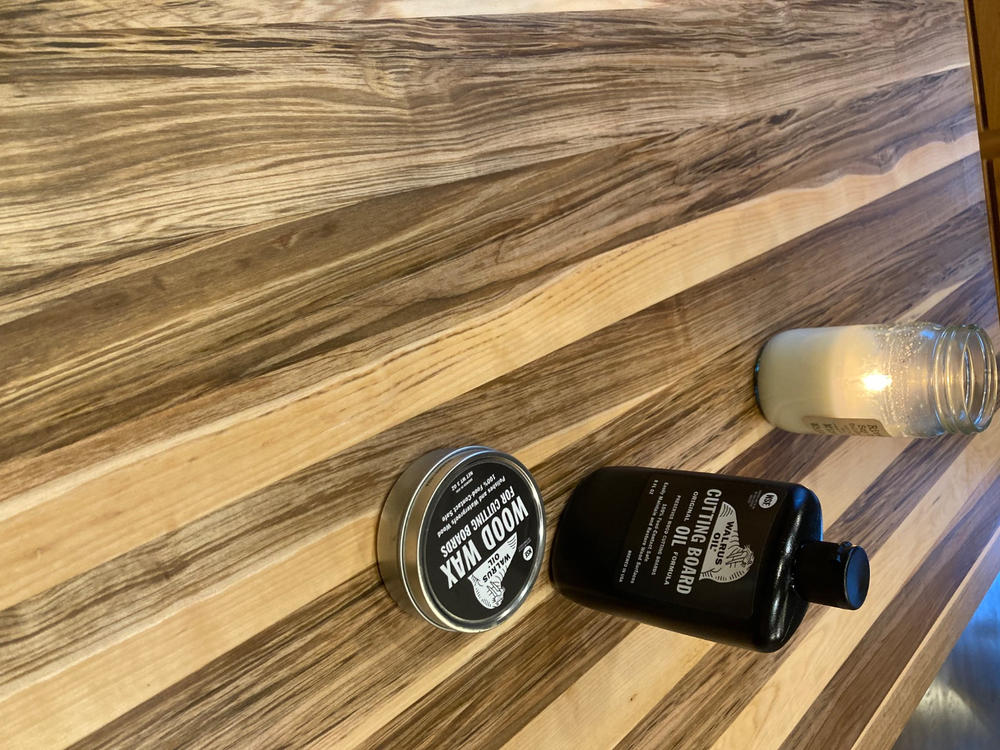
Many experts recommend mineral oil as the best choice for cutting boards. It is food safe and does not go rancid. Other good options include beeswax or special cutting board oils. These products protect wood better over time.
- Food-grade mineral oil
- Beeswax mixed with oil
- Commercial cutting board oil blends
- Walnut oil (for non-nut allergies)
These alternatives keep your board safe from moisture and bacteria. They also last longer than most natural oils like coconut oil.
Maintenance Best Practices
Clean your cutting board with mild soap and warm water after use. Dry it completely before applying any oil. Regular oiling keeps the wood from cracking and warping.
- Apply oil with a soft cloth in a thin layer
- Let the oil soak in for several hours or overnight
- Wipe off excess oil before use
- Oil your board once a month or when it looks dry
Do not soak your cutting board or put it in the dishwasher. This can damage the wood and reduce the oil’s effectiveness.

Credit: www.thebambooguy.com
Common Mistakes To Avoid
Using coconut oil on your cutting board can be helpful. Still, some mistakes can cause problems. Avoid these errors to keep your board in good shape.
Learn what to watch out for when caring for your cutting board with coconut oil. This guide covers key points you should not miss.
Over-oiling
Putting too much coconut oil on your board can make it sticky and soft. This can damage the wood over time. Use only a small amount and wipe off the extra.
- Apply oil sparingly to avoid buildup
- Let the oil soak in before adding more
- Wipe off any pools of oil left on the surface
- Oil your board only when it feels dry
Using Flavored Or Refined Oils
Flavored coconut oils can leave a scent or taste on your cutting board. Refined oils may not protect the wood well. Choose pure, unrefined coconut oil for best results.
| Type of Coconut Oil | Effect on Board |
| Flavored Coconut Oil | Leaves scent and taste |
| Refined Coconut Oil | Less protective, may dry out wood |
| Pure Unrefined Coconut Oil | Best for conditioning and protection |
Ignoring Board Type
Different boards need different care. Some woods absorb oil better than others. Ignoring your board type can cause damage or poor results.
Here are some tips based on board type:
- Softwood boards:Use oil lightly and less often to prevent damage.
- Hardwood boards:Oil regularly to keep them sealed and strong.
- Bamboo boards:Avoid too much oil, as they absorb less.
Credit: walrusoil.com
Frequently Asked Questions
Can I Use Coconut Oil To Condition My Cutting Board?
Yes, coconut oil is safe and effective for conditioning wooden cutting boards. It helps prevent cracking and maintains moisture. Use virgin, food-grade coconut oil and apply a thin layer regularly for best results.
Is Coconut Oil Better Than Mineral Oil For Cutting Boards?
Coconut oil is natural and has antimicrobial properties. However, mineral oil is odorless and less likely to go rancid. Both work well, but mineral oil is preferred for long-lasting cutting board care.
How Often Should I Apply Coconut Oil To My Cutting Board?
Apply coconut oil once a month or whenever the board looks dry. Regular oiling keeps the wood hydrated and extends the cutting board’s lifespan, preventing cracks and warping.
Can Coconut Oil Cause My Cutting Board To Become Sticky?
If applied excessively or not absorbed properly, coconut oil can leave a sticky residue. Use a small amount and wipe off excess oil to avoid stickiness and maintain a smooth surface.
Conclusion
Coconut oil can help keep your cutting board healthy and shiny. It soaks into the wood and stops it from drying out. Use it in small amounts and rub it well. Avoid using coconut oil if you want a long-lasting, strong finish.
Mineral oil often works better for this. Still, coconut oil is a natural and easy option for quick care. Regular oiling keeps boards clean and smooth. Try it and see how your cutting board feels and looks. Simple care makes a big difference.