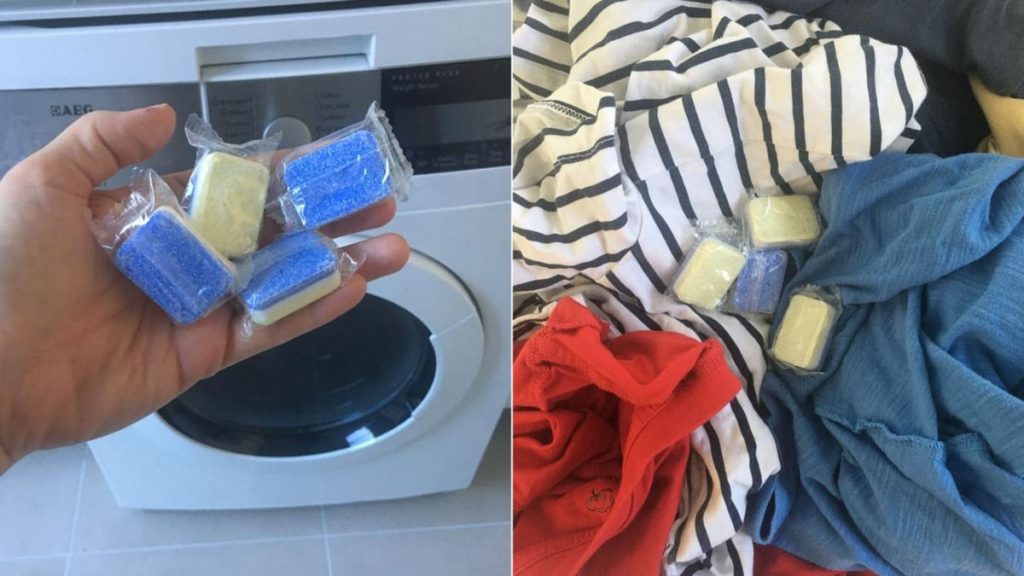
Have you ever found yourself staring at an empty laundry detergent bottle and wondered if you could use dishwasher detergent instead? You’re not alone.
This seemingly simple dilemma can spark curiosity and concern, especially when you’re in a pinch. Before you head to your kitchen cabinet for a quick fix, it’s important to understand the potential consequences and benefits of using dishwasher detergent to wash your clothes.
Will it save the day or cause a laundry disaster? You’ll discover the truth behind this common household question and learn the best practices for keeping your clothes clean and fresh without compromising their quality. Keep reading to uncover the surprising facts that could change the way you tackle laundry emergencies.

Credit: www.reddit.com
Dishwasher Detergent Basics
Understanding the basics of dishwasher detergent is important before using it for other purposes. These detergents are specially made to clean dishes, not clothes. Knowing what’s inside and how they work helps explain why they differ from laundry detergents.
Ingredients In Dishwasher Detergents
Dishwasher detergents contain strong cleaning agents. These include:
- Surfactants to remove grease and food particles
- Enzymes to break down proteins and starches
- Bleaching agents to remove stains and whiten
- Builders to soften water and improve cleaning
- Anti-corrosion agents to protect the dishwasher parts
- Fragrances to leave a fresh scent
These ingredients focus on hard food stains and grease. They can be harsher than laundry detergents, which are gentler on fabrics.
How Dishwasher Detergents Work
Dishwasher detergents work by breaking down food residue on dishes. Surfactants reduce surface tension, helping water spread and lift dirt away.
Enzymes target and digest proteins and starches stuck on plates. Builders soften hard water to prevent spots on dishes.
The detergent formula is designed to rinse off quickly during the dishwasher cycle. This rapid rinse is not suitable for clothes, which need a gentler wash process.
:max_bytes(150000):strip_icc()/SPR-mildewy-towel-solution-11771144-hero-01f65787037d47bca43099c707d6ebe0.jpg)
Credit: www.thespruce.com
Laundry Detergent Vs. Dishwasher Detergent
Wondering if dishwasher detergent can double as laundry detergent? It’s a common question, especially when you find yourself out of laundry soap. Understanding the key differences between these two types of detergents helps you make safer and smarter choices for your clothes and appliances.
Formulation Differences
Dishwasher detergent is designed with stronger chemicals to break down tough food residues and grease on dishes. It often contains bleaching agents and enzymes that work well on hard surfaces but can be harsh on fabrics.
Laundry detergent, on the other hand, is formulated to gently clean fabrics without damaging fibers or causing excessive fading. It includes ingredients that help protect colors and soften clothes while removing dirt and stains.
Have you ever noticed how your clothes feel stiff or look faded after using a product not meant for laundry? That’s the impact of these formulation differences in action.
Intended Uses
Dishwasher detergent is meant strictly for dishwashers. Its ingredients are optimized to work in high-temperature water cycles and hard water conditions to clean plates, glasses, and utensils effectively.
Laundry detergent is designed for washing machines and hand-washing clothes. It works in various water temperatures and fabric types to clean without leaving residues that can irritate skin.
Using dishwasher detergent on clothes can cause excessive suds, residue buildup, or even damage your washing machine. Would you risk ruining your favorite shirt just to save a few minutes?
Risks Of Using Dishwasher Detergent On Clothes
Using dishwasher detergent to wash clothes may seem like a quick fix, but it carries several risks. These detergents have strong chemicals designed for dishes, not fabrics. This difference can lead to problems with your clothes, skin, and washing machine. Understanding these risks helps avoid costly damage and discomfort.
Potential Fabric Damage
Dishwasher detergents contain harsh ingredients that can weaken fabric fibers. They may cause colors to fade or bleed quickly. Clothes can become rough and lose their softness. Some fabrics may even develop holes or tears after repeated washes. These detergents are not formulated to protect clothing materials.
Skin Irritation Concerns
Dishwasher detergent residues can remain on clothes after washing. These residues may cause skin irritation or allergic reactions. People with sensitive skin or allergies face a higher risk. Rashes, itching, and redness can occur from contact with treated clothes. Laundry detergents are milder to avoid such skin problems.
Washing Machine Issues
Dishwasher detergent creates excessive suds that washing machines cannot handle. This can lead to mechanical problems or leaks. Suds buildup may cause the machine to malfunction or stop working. Over time, these detergents can damage internal parts of the washer. Using proper laundry detergent protects both clothes and your machine.

Credit: www.youtube.com
When Dishwasher Detergent Might Be Used On Clothes
Using dishwasher detergent to wash clothes is generally not recommended, but there are rare moments when it might seem like your only option. Understanding when it could be appropriate helps you avoid damaging your garments or washing machine. Let’s explore situations where you might consider this unconventional approach and what you should expect.
Emergency Situations
Imagine you’re traveling, and your luggage with laundry detergent is lost. You have a few dirty clothes but no laundry soap. In such emergencies, a small amount of dishwasher detergent can be used to clean your clothes.
However, only use it if your detergent is mild and free of bleach or harsh chemicals. Avoid powdered dishwasher detergents, as they can be too abrasive. Liquid dishwasher soap might be gentler but still use it sparingly to prevent fabric damage.
Keep in mind, this should be a one-time fix, not a regular practice. Always try to get proper laundry detergent as soon as possible.
What To Expect
When you use dishwasher detergent on clothes, expect a different washing experience. The detergent might produce excessive suds, which can be hard to rinse out completely.
Your clothes may feel stiffer or rougher after washing. There’s also a risk of colors fading or fabrics weakening due to the stronger chemicals in dishwasher soap.
Another concern is your washing machine’s health. Dishwasher detergents are not formulated for fabric washing and could cause buildup or damage parts over time.
Ask yourself: is the risk worth the temporary solution? If you decide to proceed, use only a small amount and rinse thoroughly.
Safe Alternatives For Laundry Cleaning
Using dishwasher detergent for laundry might seem like a quick fix, but it’s not the best choice for your clothes or washing machine. Instead, there are safer and effective alternatives that protect your fabrics and keep your laundry fresh. Let’s look at some options you can try at home and the benefits of eco-friendly choices.
Homemade Laundry Solutions
Making your own laundry detergent is easier than you might think. Simple ingredients like baking soda, washing soda, and castile soap can clean your clothes without harsh chemicals.
- Baking soda:Helps remove odors and softens water, making your detergent work better.
- Washing soda:Boosts cleaning power by breaking down grease and stains.
- Castile soap:A gentle, vegetable-based soap that cleans without damaging fabrics.
You can mix these ingredients in small batches and store them for regular use. Have you tried homemade detergent before? Many find it saves money and reduces skin irritation.
Eco-friendly Detergents
If DIY isn’t your thing, eco-friendly detergents offer a safe and convenient alternative. These detergents avoid harsh chemicals and are biodegradable, making them better for the environment.
Look for products labeled:
- Phosphate-free
- Free of synthetic fragrances and dyes
- Certified by reputable organizations like EPA’s Safer Choice or ECOCERT
Switching to eco-friendly detergents can protect your clothes and reduce allergens. Have you noticed a difference in your laundry after switching to greener products? Many people report softer clothes and fewer skin reactions.
Tips For Proper Laundry Care
Taking care of your laundry properly ensures your clothes last longer and look better after every wash. Understanding the right products and settings can prevent damage and improve cleaning results. Let’s focus on practical tips that will help you handle your laundry with confidence.
Choosing The Right Detergent
Not all detergents are created equal. Using dishwasher detergent on clothes can cause excessive suds and residue, potentially damaging your fabrics and washing machine. Instead, opt for detergents designed specifically for laundry—they’re formulated to clean effectively without harming your clothes.
Consider the type of fabric and the level of dirt when picking a detergent. For delicate fabrics, choose a gentle detergent. For heavily soiled items, a stronger detergent or one with enzymes might be necessary. Have you ever tried mixing detergents? It’s best to avoid that—it can cause unpredictable results.
Washing Machine Settings
Adjusting your washing machine’s settings makes a big difference. Use the right water temperature—cold water works well for most clothes and saves energy, but hot water is better for sanitizing and removing tough stains. Think about the fabric type; delicate cycles are gentler and prevent wear and tear.
Don’t overload your machine. Clothes need room to move for proper cleaning. Overloading can leave detergent residue and cause uneven washing. Next time you start a load, ask yourself: is there enough space for my clothes to rinse thoroughly?
Frequently Asked Questions
Can Dishwasher Detergent Clean Clothes Effectively?
No, dishwasher detergent is not formulated for fabrics. It can leave residues and damage clothes. Use laundry detergent for safe and effective cleaning.
Is Dishwasher Detergent Safe For Washing Machines?
Dishwasher detergent can cause excessive suds and harm washing machines. It is best to use detergents designed specifically for laundry machines.
What Happens If I Use Dishwasher Detergent On Clothes?
Using dishwasher detergent on clothes may cause fabric damage, discoloration, and skin irritation. It is not recommended for laundry purposes.
Can Dishwasher Detergent Remove Tough Stains On Clothes?
Dishwasher detergent is not designed to treat fabric stains. Laundry detergents contain enzymes and agents better suited for removing stains safely.
Conclusion
Dishwasher detergent is not made for clothes. It can harm fabrics and cause skin irritation. Clothes need gentle soap made for washing machines. Using the right detergent keeps clothes clean and fresh. Save your clothes and your skin. Stick to laundry detergent for best results.
Your washing machine will also work better. Keep your laundry simple and safe. Clean clothes, no trouble.