
Have you ever wondered if the flower food you use for cut bouquets can help your potted plants grow better? You’re not alone.
Many plant lovers ask this question because they want the best for their green friends. Using flower food for plants might sound like a quick fix, but is it really safe and effective? Keep reading to find out how flower food works, whether it’s right for your plants, and what you should do to keep your garden thriving.
This simple insight could change how you care for your plants forever.
Purpose Of Flower Food
Flower food helps cut flowers last longer. It keeps them fresh and healthy.
Using flower food gives flowers the nutrients they need to stay vibrant.
Ingredients In Flower Food
Flower food contains several key ingredients. Each helps flowers survive after being cut.
- Sugar:Provides energy for the flowers.
- Biocide:Stops bacteria and fungi from growing in the water.
- Acidifier:Lowers the water’s pH to help flowers absorb water better.
Benefits For Cut Flowers
Flower food gives many benefits to cut flowers. It helps keep them fresh and colorful.
| Benefit | How It Helps |
| Longer Life | Supplies energy and stops bacteria |
| Better Hydration | Improves water absorption |
| Vibrant Colors | Keeps petals healthy and bright |
| Less Odor | Reduces decaying smells |

Credit: www.calloways.com
Flower Food Vs. Plant Fertilizer
Flower food and plant fertilizer both help plants grow. They are not the same and work differently. Knowing the difference helps you use them right.
Flower food is made for cut flowers. Plant fertilizer is for growing plants in soil. Each has special nutrients for its job.
Nutrient Differences
Flower food has nutrients that keep cut flowers fresh. It mainly has sugar and some minerals. Sugar feeds the flowers’ cells. Minerals stop bacteria growth in water.
Plant fertilizer has nutrients that help plants grow roots and leaves. It has nitrogen, phosphorus, and potassium. These help plants make food and grow strong.
- Flower food: sugar, small minerals, bacteria control
- Plant fertilizer: nitrogen (N), phosphorus (P), potassium (K)
- Flower food supports cut flowers only
- Fertilizer supports root and leaf growth
Usage Scenarios
Use flower food in water when you keep flowers in a vase. It helps flowers last longer. Do not use plant fertilizer in vases. It can hurt the flowers.
Use plant fertilizer in soil for growing plants, flowers, or vegetables. It helps roots and leaves grow well. Do not use flower food on soil plants. It does not provide needed nutrients.
- Flower food: add to vase water for cut flowers
- Plant fertilizer: apply to soil for growing plants
- Do not mix flower food with soil or roots
- Do not put fertilizer in flower vases
Using Flower Food On Potted Plants
Flower food is often used to keep cut flowers fresh. Some gardeners wonder if it helps potted plants too. Using flower food on potted plants needs care and knowledge.
This guide explains the risks and best ways to use flower food with potted plants safely.
Potential Risks
Flower food contains ingredients made for cut flowers, not all potted plants. Using it wrongly can harm your plants.
- Too much fertilizer can burn plant roots.
- Some chemicals in flower food may not suit all plant types.
- Salt build-up from flower food can damage soil quality.
- Repeated use might change soil pH, affecting plant health.
- Flower food may attract pests or fungi if overused.
Recommended Practices
Follow these tips to use flower food on potted plants safely and effectively.
| Practice | Details |
| Use diluted solution | Mix flower food at half or quarter strength to avoid root burn. |
| Apply sparingly | Feed plants once every two to four weeks, not more often. |
| Check plant type | Confirm the plant can tolerate the ingredients in flower food. |
| Observe plant response | Stop use if leaves yellow or roots look damaged. |
| Flush soil regularly | Water with plain water to wash out excess salts from soil. |
Safe Alternatives For Plant Nutrition
Using flower food for plants is not always the best choice. Some flower foods contain ingredients made for cut flowers, not for growing plants. It is safer to use plant food made for soil or roots.
There are many safe options to give your plants the nutrients they need. You can use homemade fertilizers or commercial products made specifically for plant health.
Homemade Fertilizer Options
Homemade fertilizers use natural ingredients that are easy to find. They provide important nutrients without harmful chemicals. These options are gentle and good for many types of plants.
- Compost: Rich in nutrients and improves soil health
- Banana Peel Tea: Adds potassium and phosphorus
- Eggshell Powder: Supplies calcium to plants
- Used Coffee Grounds: Adds nitrogen and improves soil texture
- Water from Boiled Vegetables: Contains minerals plants need
Mix these ingredients with water or soil for best results. They help plants grow strong and healthy without risk of burning roots.
Commercial Fertilizers
Commercial fertilizers come in many forms like liquids, granules, or spikes. They are made to give plants balanced nutrients for growth. Always choose products labeled safe for your plant type.
Look for fertilizers with nitrogen, phosphorus, and potassium in the right amounts. These elements help leaves, roots, and flowers develop well.
- Liquid fertilizers: Fast absorption through leaves and roots
- Granular fertilizers: Slow release and long-lasting nutrients
- Organic fertilizers: Made from natural materials, gentle on plants
- Specialty fertilizers: Formulated for specific plants like orchids or succulents
Tips For Healthy Plant Growth
Using flower food can help your plants stay healthy. It gives them extra nutrients. But good care involves more than just food.
Water, light, and soil also play a big role in how well plants grow. Let’s look at some tips for these areas.
Watering Best Practices
Water your plants regularly, but do not overwater. The soil should be moist, not soggy. Too much water can harm roots.
- Check soil moisture before watering
- Water early in the morning or late in the evening
- Use room temperature water
- Water the base of the plant, not the leaves
Light And Soil Requirements
Plants need the right light and soil to grow strong. Some plants like full sun, while others prefer shade.
| Plant Type | Light Needs | Soil Type |
| Succulents | Bright, indirect light | Well-draining, sandy |
| Ferns | Shade to partial sun | Moist, rich in organic matter |
| Herbs | Full sun | Loamy, well-draining |
| Indoor flowering plants | Bright, indirect light | Light, well-draining |

Credit: koolbreezefarms.com
Common Mistakes To Avoid
Using flower food for plants can help them grow better. But some mistakes can harm your plants instead of helping.
Knowing what to avoid will keep your plants healthy and strong. Here are two common mistakes to watch out for.
Overfeeding Plants
Giving plants too much flower food can cause damage. Overfeeding can burn the roots and leaves.
Plants need a balanced amount of nutrients. Too much fertilizer makes the soil salty and hard for roots to absorb water.
- Use the recommended amount on the package.
- Feed plants only during their growing period.
- Flush soil with water if you think you overfed.
Using Incorrect Products
Not all flower foods work well for every plant. Using the wrong product can harm your plants.
Some flower foods have chemicals that may not be safe for certain plants. Always check if the product suits your plant type.
- Read the label to see which plants it is for.
- Avoid using flower food meant for cut flowers on potted plants.
- Choose organic or natural options if unsure.
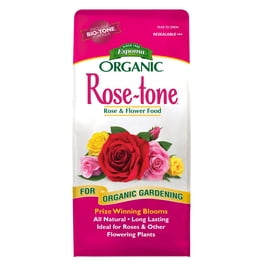
Credit: www.walmart.com
Frequently Asked Questions
Is Flower Food Suitable For All Plants?
Flower food is generally designed for cut flowers, not all plants. It may contain nutrients beneficial for some houseplants, but it’s not a complete fertilizer. Using it on all plants isn’t recommended. Always check the specific needs of your plant species before using any fertilizer.
Can Flower Food Replace Regular Plant Fertilizer?
Flower food cannot replace regular plant fertilizer. It is formulated for cut flowers, providing short-term nutrients. Regular plant fertilizers are designed for long-term plant health. They contain a balanced mix of nutrients necessary for plant growth. It’s best to use products specifically made for your plant type.
How Often Should I Use Flower Food On Plants?
Using flower food on potted plants isn’t ideal for regular use. If you choose to use it, apply sparingly and infrequently. Most plants require balanced fertilizers tailored to their needs. Overusing flower food can harm plant roots due to its specific nutrient ratios.
Are There Any Risks Of Using Flower Food?
Yes, there are risks in using flower food on plants not suited for it. It can lead to nutrient imbalances and root damage. Flower food often lacks the necessary nutrients for long-term plant health. Always research your plant’s specific requirements before applying any fertilizer.
Conclusion
Flower food helps cut flowers last longer in water. It contains nutrients that flowers need. But using flower food for potted plants is not ideal. Plants in soil need different nutrients and care. Too much flower food can harm them.
Stick to plant-specific fertilizers for healthy growth. Always read labels before using any plant food. Healthy plants grow stronger and look better. Simple care and the right food make a big difference. Choose what fits your plant’s needs best. Keep your plants happy and thriving every day.