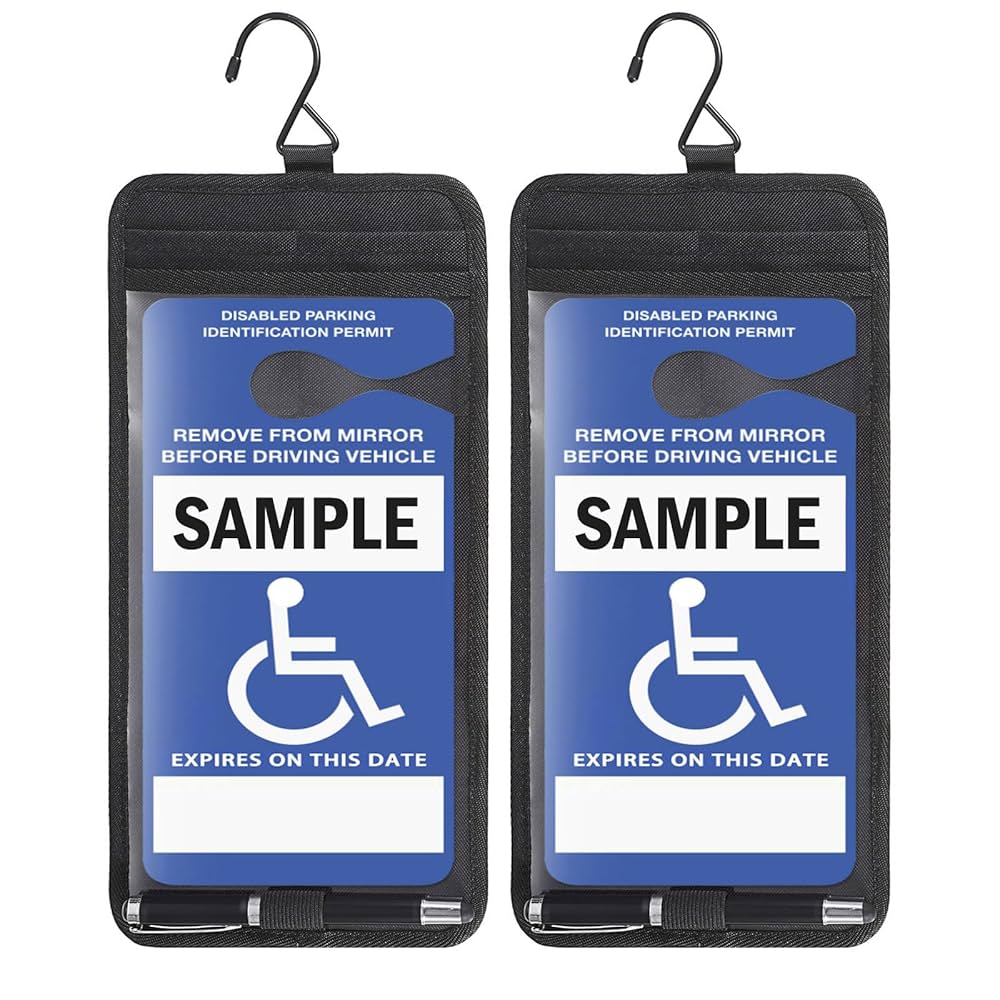
Do you ever wonder if you can use your handicap placard in a different car? Maybe you’re borrowing a friend’s vehicle or renting one for a trip.
Knowing the rules can save you from unexpected fines and hassle. You’ll discover exactly when and how you can use your placard in another car, so you can stay confident and stress-free wherever you go. Keep reading to find out what you need to know to protect your rights and avoid common mistakes.
Credit: www.theolympian.com
Handicap Placard Basics
Understanding the basics of a handicap placard is essential before you decide to use it in another vehicle. These placards are issued to provide easier parking access for individuals with mobility challenges. Knowing the rules and types of placards helps you avoid penalties and ensures you respect the purpose behind their use.
Types Of Placards
Handicap placards come in various forms depending on the user’s needs and the duration of their condition. The most common types include:
- Permanent Placard:Issued for long-term or permanent disabilities. It usually lasts for several years before renewal is needed.
- Temporary Placard:Designed for short-term disabilities or recovery periods. These placards often have an expiration date set within months.
- Disabled Veteran Placard:Available for veterans with qualifying disabilities, sometimes offering special benefits.
Each type has specific rules about where and how it can be used. Have you checked which type you currently hold?
Eligibility Criteria
To qualify for a handicap placard, you must meet certain medical conditions outlined by your state. These usually involve mobility impairments that make walking difficult or impossible without assistance.
- Severe lung disease or heart conditions
- Use of portable oxygen
- Permanent or temporary mobility impairments
- Loss of limb or similar disabilities
Your doctor typically certifies your eligibility, so accurate medical documentation is key. Have you ever wondered if your condition qualifies you for easier parking access?
Placard Use Across Different Vehicles
Using a handicap placard in different vehicles can raise many questions. The rules depend on the type of placard and local regulations. Understanding how placards work across cars helps avoid fines and misuse. Some placards stay with the person, others link to a specific vehicle. Knowing these differences ensures proper and legal usage.
Rules For Temporary Use
Temporary handicap placards often allow use in any vehicle. They are issued for short-term disabilities or recovery periods. The person with the placard must be present in the vehicle. The placard can be moved from one car to another easily. Always display the placard visibly on the dashboard or rearview mirror.
Keep in mind these key points:
- Placard holder must be inside the vehicle.
- Placard must be properly displayed at all times.
- Temporary placards have an expiration date.
- Misuse can result in fines or revocation.
Permanent Placard And Vehicle Association
Permanent placards are usually linked to the person, not the car. They allow the holder to use the placard in any vehicle they ride in. The placard cannot be given to others for their use. It must be removed and carried by the holder if changing cars.
Important rules to remember:
- Placard is issued to a specific person, not a vehicle.
- Must be visible when parked in handicap spaces.
- Sharing the placard with others is illegal.
- Report lost or stolen placards to authorities immediately.
State-specific Regulations
Handicap placard rules differ from state to state. Each state has unique laws about using a placard in a different car. Understanding these rules helps avoid fines and confusion. It also ensures you use your placard correctly wherever you travel.
Variations In State Laws
Some states allow using your handicap placard in any vehicle you drive. Others restrict use to the vehicle registered with the placard holder. A few states require special permission to transfer the placard between cars.
Rules may also differ on parking benefits. Some states offer more parking privileges than others. The type of placard—permanent or temporary—can affect where and how you use it. Always check the specific conditions that apply in each state.
How To Check Local Rules
Visit your state’s official transportation or motor vehicle website. These sites usually provide clear guidance on handicap placard use. Look for sections on disability parking permits or placard rules.
Contact your local DMV office by phone or email for direct answers. Some states publish PDF guides or FAQs online that explain placard use in detail. Keep a copy of your state’s rules handy when traveling across state lines.

Credit: www.amazon.com
Proper Display And Placement
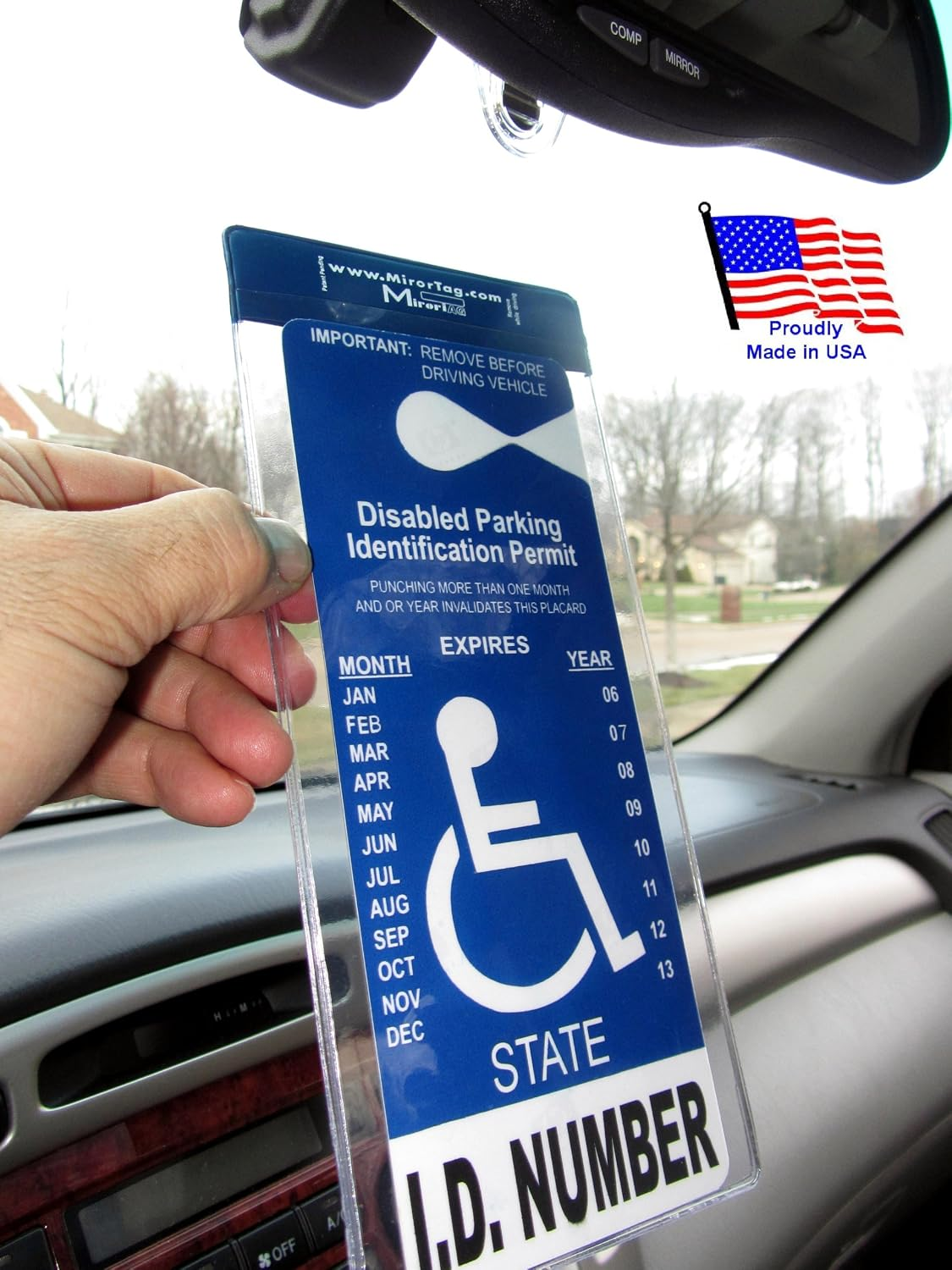
Proper display of a handicap placard is essential for it to be valid. Hang it from the rearview mirror or place it on the dashboard where it’s clearly visible. Always ensure the placard is easily seen by parking enforcement officers.
Proper display and placement of your handicap placard are crucial for ensuring that you can utilize accessible parking spaces without any hassle. Misplacing or improperly hanging your placard might lead to fines or being unable to park in designated spots. To avoid these issues, it’s important to know exactly how and where to display your placard.Where To Hang The Placard
When using your handicap placard, make sure to hang it on the rearview mirror inside the car. This is the most common and recognized spot for visibility by parking enforcement officers. If your vehicle doesn’t have a rearview mirror, place it on the dashboard where it can be clearly seen from outside the car. Ensure the placard number and expiration date face outward. This helps enforcement officers verify its validity quickly. A family member once learned this the hard way, receiving a fine because the placard was flipped the wrong way, obscuring essential details.Visibility Requirements
Your placard must be visible at all times when parked in a handicap space. The placard’s details should be readable from a reasonable distance, ensuring officers can validate its authenticity without entering your vehicle. Keep the placard free of obstructions like sunshades or personal items. Consider what you would do if you saw a parking officer approaching your car. Would they be able to see your placard without any confusion or difficulty? Ensuring visibility not only helps avoid fines but also supports the integrity of accessible parking by discouraging misuse.Common Violations And Penalties
Using a handicap placard correctly is crucial to avoid legal trouble. Many people assume that as long as the placard is visible, it can be used in any vehicle. However, common violations often arise from misunderstandings about how and when to display the placard, leading to penalties that can be costly and frustrating.
Misuse Consequences
Misusing a handicap placard can result in more than just a fine. Authorities may impose penalties such as:
- Monetary fines, which vary by state but can reach several hundred dollars
- Suspension or revocation of the placard
- Possible towing of the vehicle if parked illegally
- Criminal charges in cases of deliberate fraud or repeated offenses
Imagine parking with a placard that doesn’t belong to the vehicle you’re using—this could be seen as fraud. It puts your ability to use the placard in the future at risk. Have you thought about how easy it is to accidentally misuse the placard if you switch cars without proper care?
How To Avoid Violations
To stay within the rules, always ensure the placard is hung from the rearview mirror or placed where it is clearly visible inside the vehicle you’re using. If you’re driving a different car, move the placard to that vehicle before parking.
Never lend your placard to someone who is not authorized to use it. Keep track of your placard and check local laws regularly, as regulations can differ widely by state or city.
- Verify state-specific rules regarding transfer between vehicles
- Use reminders, like a note in your wallet or phone, to take your placard with you
- Report lost or stolen placards immediately to avoid misuse by others
Have you set up a routine that helps you remember your placard? Small habits can make a big difference in avoiding penalties and ensuring you always park legally.
Credit: www.ebay.com
Tips For Sharing Placards
Sharing a handicap placard requires care and respect. Knowing the rules helps protect your rights and avoid fines. Use these tips to share your placard safely and legally.
Who Can Use Your Placard
Your handicap placard is for your personal use. It can be used by someone driving you if they carry you in the vehicle. Family members or friends may borrow it only when you are a passenger. Misuse can lead to penalties and loss of the placard.
Check your local laws to see who is allowed to use the placard. Some places require the person with the disability to be in the car at all times. Keep the placard secure and do not lend it to strangers.
Best Practices For Borrowing
- Always carry the placard with proper ID.
- Use the placard only when transporting the person with the disability.
- Return the placard immediately after use.
- Do not leave the placard hanging in the car when not in use.
- Respect parking rules and time limits.
Borrowers should ask permission before using the placard. They must understand the responsibility it carries. Proper use helps keep parking accessible for those who need it most.
Renewal And Replacement Rules
Understanding the renewal and replacement rules for your handicap placard is essential to avoid fines and ensure continued access to accessible parking. These rules vary by state but generally involve clear timelines and specific procedures. Knowing when to act can save you time and frustration.
When To Renew
Your handicap placard usually has an expiration date printed on it. It’s important to check this date regularly so you don’t accidentally use an expired placard. Many states send a renewal notice, but relying on that alone can be risky.
Renewal periods often range from one to five years depending on your medical condition and state regulations. Some placards require updated medical certification during renewal. If you wait too long, you may lose access to accessible parking privileges.
Have you ever found yourself scrambling last minute to renew? Avoid that hassle by setting a reminder a month before expiration. This gives you enough time to gather any necessary documents and complete the process smoothly.
How To Replace Lost Or Stolen Placards
Losing your handicap placard can be stressful, but replacing it is usually straightforward. Most states allow you to apply for a replacement through their Department of Motor Vehicles (DMV) or equivalent agency.
You typically need to fill out a replacement form and provide proof of identity. Some places may require a small fee or a doctor’s note if the original placard was permanent. Reporting the loss or theft to the authorities can also be a good precaution.
Don’t let a lost placard stop you from parking where you need to. Keep a digital or photocopy of your placard and renewal paperwork handy. This can speed up the replacement process and prove your eligibility in the meantime.
Frequently Asked Questions
Can I Legally Use My Handicap Placard In Another Car?
Yes, you can use your handicap placard in any vehicle you are driving or riding in. The placard is linked to the individual, not the car.
Are There Restrictions On Using A Handicap Placard In Other Vehicles?
You must ensure the placard is visible and used only when the disabled person is present. Misuse can lead to fines or penalties.
Do I Need To Notify Authorities When Using My Placard In A Different Car?
Generally, no notification is required. However, keep the placard with you and display it properly whenever parked in handicap spaces.
Can Family Members Use My Handicap Placard In Their Cars?
Yes, family members can use your placard when transporting you. The placard must be displayed correctly during the trip.
Conclusion
Using your handicap placard in another car is usually allowed. The placard belongs to you, not the vehicle. Always keep it visible and follow local rules. Check specific state laws to avoid fines or issues. Sharing the placard with others may have restrictions.
Stay informed to use your placard correctly and safely. This helps you park in designated spots without trouble. Simple steps keep you compliant and stress-free. Remember, the placard makes parking easier, but rules matter most.