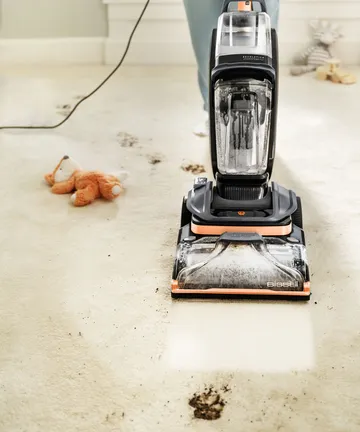
Have you ever found yourself staring at a soggy carpet, wondering if you can just vacuum up the mess? It’s a common dilemma, and you’re not alone in asking, “Can I vacuum a wet carpet?”
The answer isn’t as straightforward as you might think, and making the wrong decision could lead to costly mistakes. Your carpet is a significant investment, and you want to treat it with care. But what’s the best approach when it’s soaked?
We’ll dive into what happens when you vacuum a wet carpet and provide you with the insights you need to keep your home clean and your carpet in top shape. Stick around, and you might just find the simple solution you’ve been searching for!
Credit: www.portotheme.com
Risks Of Vacuuming Wet Carpets
Vacuuming a wet carpet might seem like a quick fix to remove moisture, but it comes with several risks you need to consider. Ignoring these risks can lead to damage not only to your vacuum cleaner but also to your carpet and even your health. Understanding these dangers helps you make smarter cleaning choices and protect your home investment.
Potential Damage To Vacuum Cleaner
Most vacuum cleaners are designed for dry surfaces only. Using them on wet carpets can cause water to enter the motor, leading to short circuits or complete failure.
Even wet/dry vacuums have limits. Overloading them with too much water can clog filters and reduce suction power. Have you ever felt your vacuum struggling and wondered why? It might be due to hidden moisture damage.
Carpet Material Concerns
Wet carpets are more delicate than dry ones. Vacuuming while wet can pull and stretch carpet fibers, causing wear and tear faster than usual.
Some carpet materials, like wool or delicate synthetics, are more vulnerable to water damage. Aggressive vacuuming can also push dirt deeper into the carpet backing, making stains harder to remove later.
Mold And Mildew Growth
One of the biggest risks of not drying wet carpets properly is mold and mildew growth. Vacuuming a damp carpet without drying it first can spread moisture evenly, creating a perfect environment for mold spores.
Have you noticed a musty smell after vacuuming a wet carpet? That’s a sign mold might be developing. Mold not only damages your carpet but can also cause allergic reactions and respiratory issues.
Types Of Vacuums Suitable For Wet Carpets
Choosing the right vacuum for a wet carpet is crucial. Not all vacuums are built to handle moisture, and using the wrong type can damage your machine or make the problem worse. Understanding which vacuums are designed for wet carpets helps you act quickly and effectively.
Wet-dry Vacuums
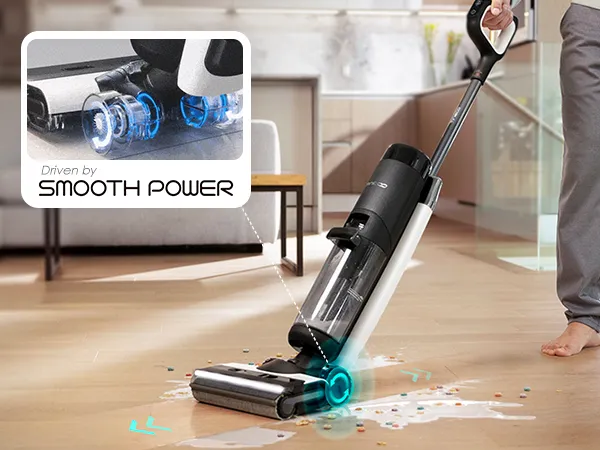
Wet-dry vacuums are versatile machines that can handle both wet spills and dry debris. They come with special seals and filters that protect the motor from water damage. If you’ve ever spilled a drink on your carpet, a wet-dry vacuum can be a lifesaver to suck up the liquid before it soaks in.
These vacuums often have powerful suction and large tanks, allowing you to clean up significant moisture without frequent emptying. Some models also come with attachments designed for carpets, making them even more efficient. Have you checked if your vacuum has a wet mode before trying to clean a spill?
Carpet Extractors
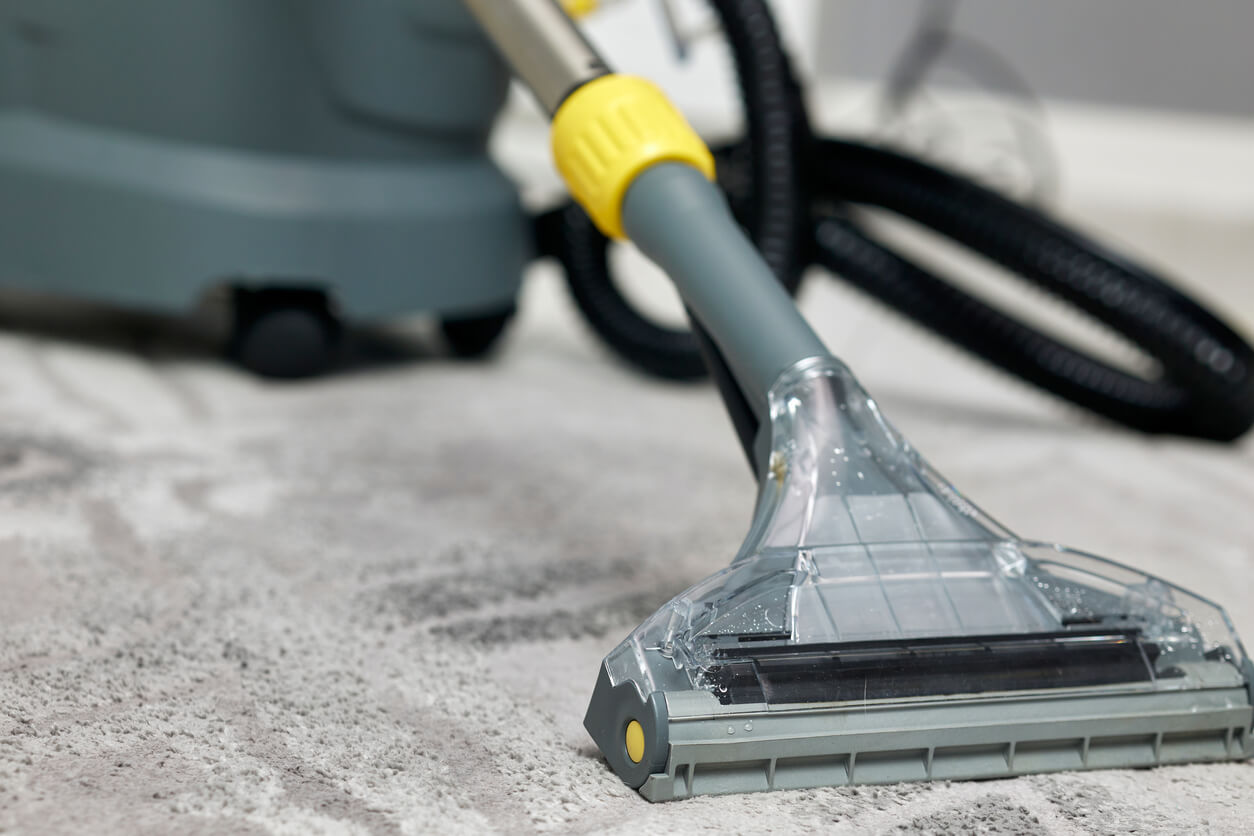
Carpet extractors are specifically made for deep cleaning carpets, especially when wet. They spray a cleaning solution onto the carpet and then vacuum it up along with dirt and water. This process removes not just surface moisture but also deep-seated grime.
Using a carpet extractor after a spill or flood can prevent mold and mildew by drying the carpet thoroughly. These machines are common in professional carpet cleaning but are also available for home use. Do you know that regular vacuuming won’t remove water trapped deep in carpet fibers like an extractor can?
Steps To Prepare A Wet Carpet For Vacuuming
Before you rush to vacuum a wet carpet, preparing it properly is crucial. Tackling the moisture first can save your vacuum from damage and prevent mold growth. Let’s break down the essential actions to get your carpet ready for vacuuming safely and effectively.
Remove Excess Water
Start by removing as much water as possible from the carpet’s surface. Use a wet/dry vacuum if you have one, or press clean towels onto the carpet to absorb moisture. Avoid rubbing, as it can push water deeper into the fibers.
Have you ever tried to vacuum a soaking carpet only to find the vacuum clogged or sputtering? That’s a clear sign excess water was still there. Getting rid of this water first protects both your carpet and your vacuum.
Check Carpet Condition
Once the carpet is less wet, inspect it closely. Look for any signs of damage like loose fibers, discoloration, or a musty smell that could indicate mold. These issues might require professional cleaning rather than vacuuming right away.
Remember, vacuuming a fragile or moldy carpet can worsen the problem. Taking a moment to assess your carpet’s condition helps you decide if vacuuming is safe or if a different cleaning method is needed.
Ensure Proper Drying Environment
After removing excess water and checking the carpet, create a drying-friendly environment. Increase air circulation with fans or open windows, and maintain low humidity if possible. Using a dehumidifier can speed up drying and reduce mold risks.
Think about how long it takes for your carpet to dry in different rooms. A well-ventilated space can make a huge difference. Your goal is a carpet that’s damp but not soaked before vacuuming, so it cleans well without causing harm.
Credit: www.bigclean.com.au
Safe Vacuuming Techniques For Wet Carpets
Vacuuming a wet carpet requires careful handling to avoid damage to your vacuum and to effectively remove moisture. Using the right techniques can make a big difference in drying your carpet faster and preventing mold growth. Let’s look at some safe vacuuming practices that help you tackle wet carpets without making things worse.
Use Appropriate Settings
Check if your vacuum has a setting for wet carpets or liquids. Many standard vacuums are not designed for wet use and can get damaged or cause electrical hazards. If you have a wet/dry vacuum, use the wet mode to safely extract moisture.
If your vacuum doesn’t have this feature, avoid using it on wet areas. Instead, try to remove as much water as possible with towels or a mop before vacuuming. This prevents motor damage and ensures safer cleaning.
Avoid Over-saturation
Vacuuming a carpet that’s too wet can push water deeper into the padding and floor beneath. This can cause long-term damage and promote mold growth. Make sure the carpet is only damp, not soaked.
To check, press your hand on the carpet—if water pools or your hand feels wet for a long time, wait before vacuuming. Using a dehumidifier or fans can help speed up drying before you vacuum. What’s the driest your carpet can be before you feel comfortable vacuuming it?
Move Slowly And Methodically
When vacuuming a damp carpet, move the vacuum slowly to allow it to suck up as much moisture as possible. Quick passes won’t remove water effectively and may leave wet spots behind.
Work in small sections and overlap each pass to ensure consistent drying. This method helps you track progress and prevents missing any damp areas. Have you noticed a difference in drying times when you take your time versus rushing through?
Alternatives To Vacuuming Wet Carpets
Vacuuming a wet carpet can damage your vacuum and may not remove moisture effectively. Using other methods helps dry the carpet safely. These alternatives reduce the risk of mold and keep your carpet fresh. Here are practical ways to handle wet carpets without vacuuming.
Using Towels And Mops
Start by blotting the wet carpet with clean, absorbent towels. Press down firmly to soak up as much water as possible. Avoid rubbing, which can push water deeper into the fibers. After towels, use a mop to absorb remaining moisture. A dry mop or sponge mop works best. Replace towels and rinse mops often for better results.
Employing Dehumidifiers
Place a dehumidifier near the wet carpet to pull moisture from the air and carpet fibers. This speeds up drying and reduces dampness in the room. Keep doors and windows closed to maintain a dry environment. Run the dehumidifier for several hours or until the carpet feels dry. This method prevents mold growth and odors.
Professional Cleaning Services
Sometimes, wet carpets need expert care. Professionals use specialized equipment to extract water and dry carpets thoroughly. They can treat stains and prevent mold with proper cleaning solutions. Hiring experts ensures deep cleaning and helps restore your carpet’s condition quickly. This option suits severe water damage or large wet areas.
Preventing Future Carpet Wetness
Preventing future carpet wetness is key to keeping your floors fresh and clean. Wet carpets can cause stains, odors, and even mold growth. Taking steps to avoid moisture helps protect your carpet investment and maintains a healthy home environment.
Follow simple habits and home improvements to reduce carpet wetness. These actions keep your carpets dry and extend their life.
Regular Maintenance Tips
- Vacuum carpets often to remove dirt and dust.
- Use a carpet cleaner for deep cleaning every few months.
- Check for leaks near windows, doors, and plumbing.
- Use doormats to reduce dirt and moisture from shoes.
- Keep gutters clean to prevent water from seeping inside.
Addressing Spills Immediately
Spills happen, but quick action prevents lasting damage. Blot liquids with a clean cloth to absorb moisture fast.
Use a fan or open windows to help dry the area. Avoid rubbing, which can push liquid deeper into fibers. Treat stains with gentle carpet cleaners designed for the spill type.
Improving Home Ventilation
- Open windows to increase airflow and reduce humidity.
- Use exhaust fans in bathrooms and kitchens to remove moisture.
- Consider a dehumidifier in damp rooms to lower moisture levels.
- Keep furniture slightly away from walls to allow air circulation.
- Seal cracks and gaps around windows and doors to prevent water entry.

Credit: www.amazon.com
Frequently Asked Questions
Can I Vacuum A Carpet When It Is Wet?
No, vacuuming a wet carpet can damage your vacuum cleaner. Wet carpets can clog the machine and cause electrical hazards. Instead, use a wet-dry vacuum designed for moisture or dry the carpet first.
What Happens If I Vacuum A Wet Carpet?
Vacuuming a wet carpet may cause motor damage and clog filters. It can also spread dirt deeper into the fibers. Avoid vacuuming until the carpet is dry to protect your vacuum and maintain carpet cleanliness.
How To Clean A Wet Carpet Safely?
First, blot excess water with towels or a wet-dry vacuum. Then, use fans or dehumidifiers to dry the carpet thoroughly. Only vacuum once the carpet is completely dry to avoid damage to your vacuum and carpet.
Can A Wet-dry Vacuum Clean Wet Carpets?
Yes, wet-dry vacuums are designed to handle wet carpets safely. They can extract moisture and dirt without harming the machine. Use this type of vacuum for effective wet carpet cleaning.
Conclusion
Vacuuming a wet carpet can cause damage to your vacuum and carpet. Always dry the carpet first to avoid problems. Use fans or open windows to help speed up drying. If the carpet stays wet too long, mold and mildew might grow.
Take care to keep your cleaning tools safe and effective. Dry carpets are easier and safer to vacuum. Remember, patience helps protect your home and your vacuum cleaner. Dry first, then vacuum for the best results. Simple steps keep your carpet clean and healthy.