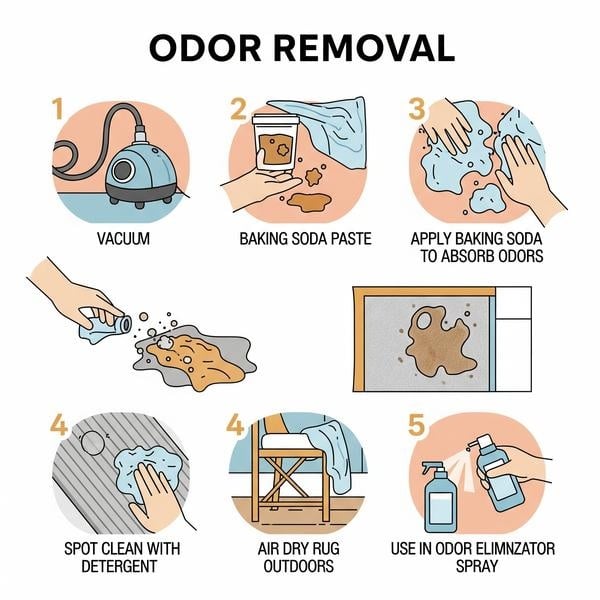
Have you ever sprinkled baking soda to freshen up your carpets or tackle an unexpected spill, only to wonder if you can vacuum it up safely? You’re not alone.
This common household query has many of us scratching our heads. The thought of baking soda particles playing hide-and-seek in your vacuum cleaner might be enough to make you think twice. But don’t worry! In this blog post, we’ll unravel the mystery behind vacuuming baking soda and reveal whether it’s a friend or foe to your trusty vacuum cleaner.
Stick around, because what you discover could save you time, effort, and possibly even your vacuum!
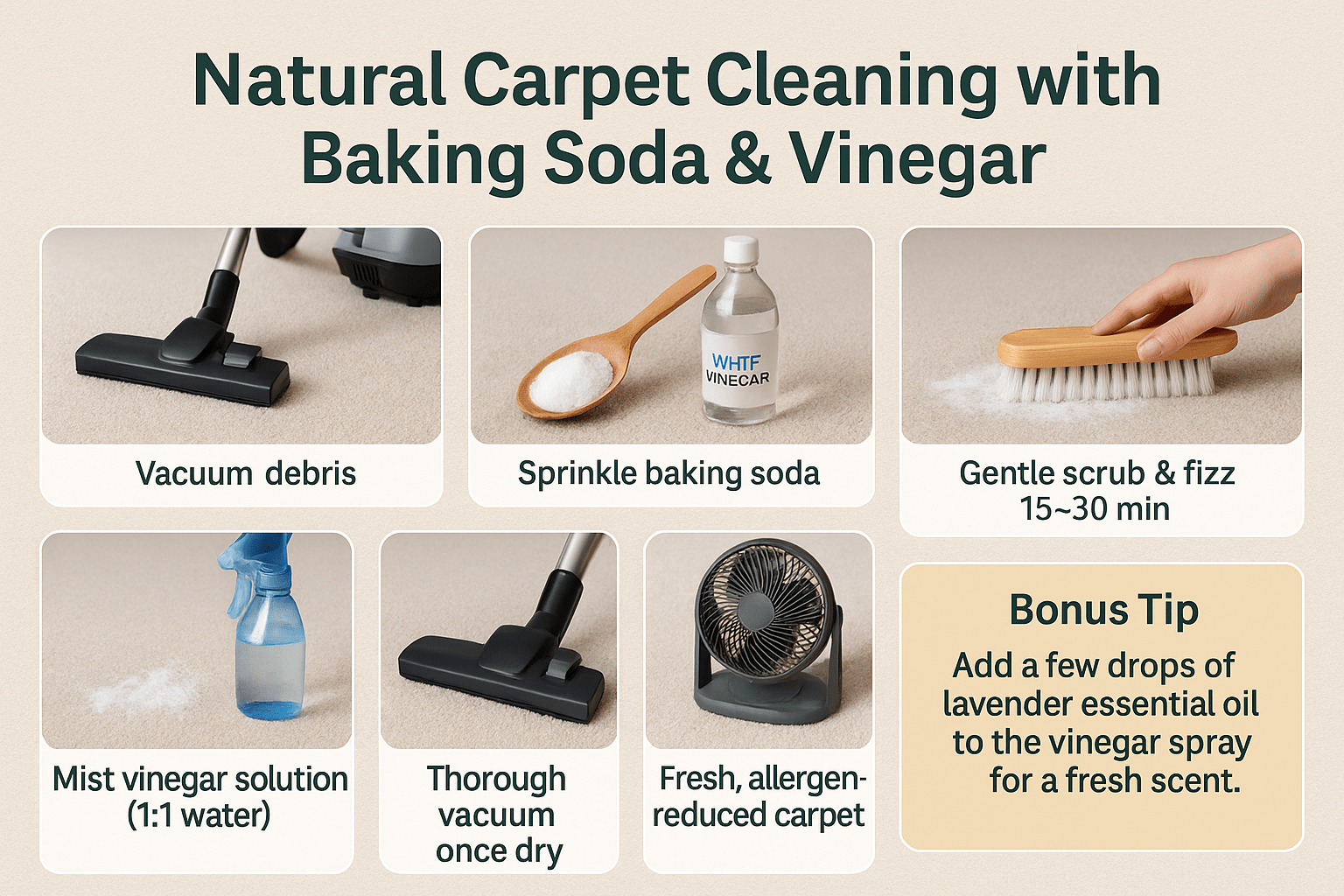
Credit: www.carpetcleaningforce.co.nz
Vacuuming Baking Soda Basics
Vacuuming baking soda is a common question for many households. People often use baking soda to freshen carpets and remove odors. Understanding the basics helps to decide if vacuuming it is safe and effective.
Baking soda has unique qualities that affect how it behaves when vacuumed. Knowing these helps protect your vacuum cleaner and improve cleaning results.
Properties Of Baking Soda
Baking soda is a fine, powdery substance. It is white and odorless on its own. It absorbs moisture and odors well. This makes it popular for deodorizing spaces.
Its particles are lightweight and can spread easily. Baking soda does not dissolve in water quickly. It can clump if it gets wet. This powder is mildly abrasive but safe for most surfaces.
Why Vacuum Baking Soda
People vacuum baking soda to remove it after deodorizing. It helps clean carpets and upholstery. Vacuuming lifts the powder and trapped dirt together.
Vacuuming baking soda also prevents it from becoming sticky. If left too long, moisture can make it hard to remove. Removing baking soda quickly keeps surfaces fresh and clean.
Vacuum Cleaner Types And Suitability
Vacuum cleaners vary in design and features. Each type handles substances like baking soda differently. Knowing the right vacuum cleaner helps prevent damage and maintain efficiency.
Bagged Vs. Bagless Vacuums
Bagged vacuums collect dirt in a sealed bag. This keeps baking soda contained and reduces dust escape. Changing the bag often is important to avoid clogging.
Bagless vacuums use a dustbin instead of a bag. Baking soda can clog filters and reduce suction here. Cleaning the dustbin and filters regularly is necessary for good performance.
Canister And Upright Models
Canister vacuums are versatile and often better for fine powders like baking soda. They have strong suction and multiple attachments for various surfaces.
Upright vacuums are easy to use on carpets. Some models struggle with fine powders and may clog quickly. Check the manufacturer’s advice before vacuuming baking soda.
Hepa Filters And Baking Soda
HEPA filters trap tiny particles and improve air quality. Baking soda can clog HEPA filters faster than normal dust. Frequent cleaning or replacement of filters is needed to keep the vacuum working well.
Using baking soda in a vacuum with HEPA filters requires extra care. Avoid overusing baking soda to protect the filter and vacuum motor.
Preparation Before Vacuuming
Preparing before vacuuming baking soda is essential for good results. It helps protect your vacuum and keeps your space clean. Taking a few simple steps can make vacuuming easier and safer.
Check Vacuum Specifications
Look at your vacuum’s manual or label. See if it can handle fine powders like baking soda. Some vacuums have filters or bags that clog easily. Avoid using models not designed for powders. This prevents damage and keeps suction strong.
Remove Excess Baking Soda
Use a broom or brush to sweep up large amounts first. Avoid letting baking soda pile up inside your vacuum. Too much powder can block the hose or filter. Cleaning excess helps your vacuum work better and last longer.
Test On Small Area
Try vacuuming a small spot with baking soda. Watch how your vacuum handles the powder. Check for any clogging or loss of suction. This test saves trouble before cleaning larger spaces. Adjust your method if needed.
Credit: queenvacuum.com
Vacuuming Techniques For Baking Soda
Vacuuming baking soda effectively requires a bit of care and the right technique. Since baking soda is a fine powder, it can easily clog your vacuum or spread around if not handled properly. Knowing how to adjust your vacuum settings and approach can save you time and keep your space clean without creating more mess.
Use Low Suction Settings
Using low suction helps prevent the vacuum from blowing baking soda dust back into the air. High suction can also push the powder deeper into carpet fibers, making it harder to remove. Try testing your vacuum’s settings on a small patch before going all in to avoid any damage or clogging.
Multiple Passes For Thorough Cleaning
One quick pass usually isn’t enough to pick up all the baking soda. Make multiple slow passes over the area to gradually lift the powder. This method gives your vacuum a better chance to collect the fine particles without overworking the motor or spreading dust.
Avoid Spreading Particles
Do you want to end up with baking soda dust all over your room instead of in your vacuum bag? To avoid this, vacuum in one direction first, then go over the area from a different angle. Also, keep your vacuum nozzle close to the surface to reduce airborne particles.
Potential Risks And Precautions
Vacuuming baking soda requires care. It is important to know the risks and take precautions. Baking soda is fine and powdery, which can affect your vacuum cleaner. Understanding these risks helps keep your vacuum safe and working well.
Vacuum Damage Possibilities
Baking soda’s fine particles can harm your vacuum. They may wear out the motor or damage internal parts. The powder can get stuck in moving components. Some vacuums are not designed to handle powders. Using the wrong vacuum may cause costly repairs.
Filter Clogging Concerns
Baking soda can clog vacuum filters quickly. This reduces suction power and cleaning efficiency. Clogged filters cause the vacuum to overheat. Regular cleaning or replacing filters is needed. Not all filters can trap fine powders well.
Health And Safety Tips
- Use a vacuum with a HEPA filter for powders.
- Wear a mask to avoid inhaling baking soda dust.
- Empty the vacuum bag or canister often.
- Clean filters regularly to maintain airflow.
- Test a small amount of baking soda first.
Alternative Cleaning Methods
Cleaning up baking soda can be tricky, especially if you want to avoid clogging your vacuum. There are simple and effective ways to clean baking soda without risking your vacuum cleaner. These alternative cleaning methods work well on hard floors and surfaces. They are easy to do and require only basic tools.
Sweeping And Dustpan
Sweeping is a classic and effective way to collect baking soda. Use a broom with soft bristles to gather the powder gently. Sweep it into a dustpan carefully to avoid scattering it further. This method works best on tile, wood, or laminate floors. It keeps baking soda contained and easy to dispose of.
Damp Cloth Or Mop
A damp cloth or mop can pick up fine baking soda particles easily. Slightly moisten the cloth or mop before wiping the area. The moisture helps the powder stick to the fabric instead of spreading. This method suits smooth surfaces and helps remove any residue left after sweeping. Remember not to soak the surface; just damp enough to trap the powder.
Using A Brush
A small brush can help clean baking soda from corners and tight spaces. Use a soft-bristled brush to loosen the powder gently. Brush the area toward a dustpan or a pile for easy collection. This method is great for baseboards, edges, and textured surfaces where sweeping or mopping is hard. It gives precise control over the cleaning process.
Maintaining Vacuum After Baking Soda Use
Using baking soda in your vacuum helps with odors and cleaning. After vacuuming baking soda, keeping your vacuum in good shape is key. Baking soda can sometimes clog filters or bags. Taking care of these parts keeps your vacuum running strong. Regular checks and cleaning prevent damage and maintain suction power.
Cleaning Filters And Bags
Filters trap fine baking soda particles. These particles can block airflow. Remove and wash filters often. Use water or gentle soap. Let filters dry completely before putting them back.
Vacuum bags can fill quickly with baking soda. Replace bags if full or dusty. A clean bag improves suction and stops dust leaks.
Inspecting Vacuum Parts
Check the vacuum hose for clogs. Baking soda can build up inside. Clear blockages with a long brush or stick.
Look at the brush roll and wheels. Baking soda dust can stick and slow them down. Clean these parts with a damp cloth.
Regular Maintenance Tips
- Empty bags or canisters after each use.
- Wash or replace filters every month.
- Check hoses for cracks or holes.
- Keep the brush roll free of debris.
- Store the vacuum in a dry place.
Following these tips keeps your vacuum working well. It extends the life of your machine after using baking soda.

Credit: www.bondcleaninginbrisbane.com.au
Frequently Asked Questions
Can I Vacuum Baking Soda From Carpets?
Yes, you can vacuum baking soda from carpets. Use a vacuum with strong suction and a brush attachment. Vacuum slowly to remove all powder without damaging fibers.
Will Vacuuming Baking Soda Harm My Vacuum Cleaner?
Vacuuming small amounts of baking soda is generally safe. Avoid excessive baking soda as it may clog filters or damage the motor over time.
How Do I Clean Baking Soda Residue After Vacuuming?
If residue remains, use a damp cloth to wipe surfaces. For carpets, run the vacuum multiple times to remove leftover baking soda completely.
Can Baking Soda Damage Vacuum Filters?
Baking soda can clog or dull filters if used in large quantities. Regularly check and clean your vacuum’s filters after vacuuming baking soda.
Conclusion
Vacuuming baking soda is safe with the right vacuum cleaner. Avoid using vacuums without good filters to prevent dust problems. Always check your vacuum’s manual before cleaning up baking soda. Baking soda can help freshen carpets but can clog some machines.
Cleaning up small amounts works best. Keep your vacuum clean after use to keep it working well. Simple care helps your vacuum last longer. Use baking soda carefully and enjoy a fresh home.