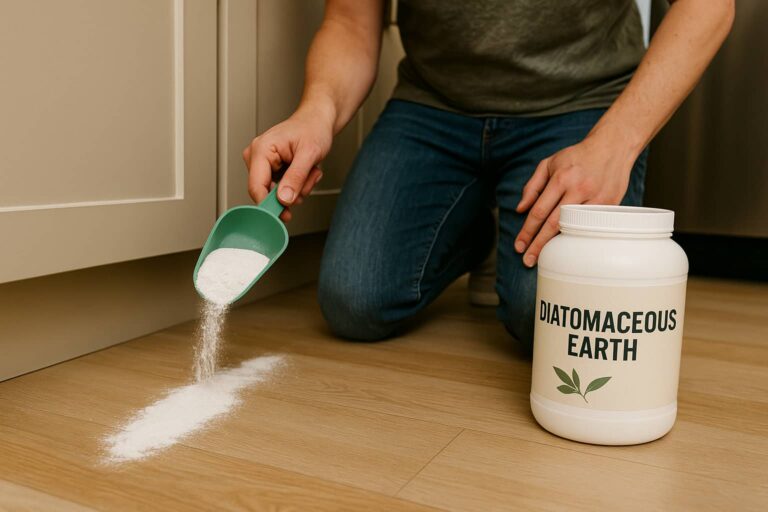
Have you ever looked at a fine white powder on your floor and wondered, “Can I vacuum diatomaceous earth?” You’re not alone. This seemingly simple task can be a bit more complex than you might think.
You might be using diatomaceous earth for pest control or other household purposes, but cleaning it up requires a special touch. Before you grab your vacuum cleaner, there are crucial things you need to know. The way you handle this natural substance can affect not just your home but also your health and your vacuum cleaner’s lifespan.
Dive in to discover the safest and most effective ways to tackle this tricky task, ensuring your home stays clean and your appliances intact. Are you ready to find out the best approach? Let’s explore together!

Credit: www.earthworkshealth.com
What Is Diatomaceous Earth
Diatomaceous Earth (DE) might sound like a scientific term, but it’s something you can easily find and use around your home. It’s a natural powder made from the fossilized remains of tiny aquatic organisms called diatoms. These microscopic creatures have hard, silica-based shells that create a unique, abrasive texture when ground into powder.
People use DE for many reasons, such as pest control, cleaning, and even skincare. But what exactly makes it so special? Understanding what DE is can help you decide how to handle it safely—like whether you can vacuum it up without issues.
What Is Diatomaceous Earth Made Of?
Diatomaceous Earth mainly consists of silica, a mineral found in sand and quartz. The powder has a fine, chalky texture with tiny, sharp edges that can pierce the outer layers of insects, drying them out.
This abrasive quality is why DE is popular for natural pest control. It’s important to know that there are different types of DE—some are food grade, and others are used for industrial purposes. Food-grade DE is safe for pets and humans, while industrial DE can be harmful if inhaled.
Where Does Diatomaceous Earth Come From?
DE forms over thousands of years from the accumulation of diatoms in freshwater and marine environments. When these tiny organisms die, their silica shells settle on the bottom and compact into layers of sediment.
Mining these deposits provides the raw material for DE products. The natural origin means it’s an eco-friendly option for many household uses, but it also means the texture and purity can vary depending on the source.
How Is Diatomaceous Earth Used?
People sprinkle DE in gardens to control pests like ants and slugs without chemicals. It’s also used to keep fleas off pets and to freshen up carpets and mattresses by absorbing moisture and odors.
Some even add food-grade DE to their diets for potential health benefits, although you should research this carefully. Handling DE requires caution—wear a mask during application to avoid inhaling the fine dust.
Why Should You Care About What De Is?
Knowing what DE is helps you understand its strengths and limitations. For example, can you vacuum it safely after use? The answer depends on the type and amount of DE, as well as your vacuum cleaner’s filters.
Have you ever wondered if vacuuming DE could damage your vacuum or cause dust clouds? Understanding its composition and uses gives you the power to make safer, smarter choices in your home care routine.

Credit: www.earthworkshealth.com
Risks Of Vacuuming Diatomaceous Earth
Vacuuming diatomaceous earth (DE) might seem like a quick cleanup solution, but it carries significant risks you need to consider. DE’s fine powder can easily become airborne, posing health hazards and damaging your vacuum. Understanding these risks will help you decide the safest way to handle DE in your home.
Health Hazards From Airborne Dust
Diatomaceous earth is made up of tiny silica particles that can irritate your lungs if inhaled. Vacuuming stirs up this fine dust, sending it into the air where you can breathe it in. Over time, repeated exposure may lead to respiratory problems, especially if you use a vacuum without a proper HEPA filter.
Damage To Vacuum Cleaners
DE’s abrasive texture can harm your vacuum’s motor and filters. The fine particles clog filters quickly, reducing suction and potentially causing the vacuum to overheat. Many standard vacuums are not designed to handle such fine powders, which can lead to costly repairs or replacements.
Effectiveness Of Cleanup
Vacuuming may not fully remove DE from carpets or cracks. The powder tends to embed itself deeply, making it difficult for your vacuum to capture all particles. This means you might need to clean multiple times or use alternative methods, increasing your effort and exposure risk.
Safe Alternatives To Vacuuming
- Use a damp cloth or mop to pick up DE without stirring dust.
- Consider sweeping gently with a broom to avoid airborne particles.
- If you must vacuum, use a vacuum equipped with a HEPA filter and wear a mask.
Are you ready to risk your health and vacuum by vacuuming DE, or is a safer cleanup method the better choice?
Choosing The Right Vacuum Cleaner
Choosing the right vacuum cleaner for diatomaceous earth is crucial. This fine powder can clog some machines or damage filters. Picking a vacuum that handles small particles well keeps your home clean and your vacuum working longer.
Consider the type of vacuum and its filtration system. The right vacuum can make cleaning easier and safer. Let’s explore important features to look for.
Hepa Filter Vacuums
HEPA filters trap tiny particles like diatomaceous earth effectively. They prevent dust from escaping back into the air. This makes the air cleaner and safer to breathe.
Vacuum cleaners with HEPA filters reduce allergy risks. These filters capture 99.97% of particles as small as 0.3 microns. This ensures even the finest dust stays inside the vacuum.
Wet Vs Dry Vacuums
Dry vacuums work well for fine, dry powders like diatomaceous earth. They use strong suction and fine filters to trap dust.
Wet vacuums handle liquids and wet messes better. They can sometimes be used for dry powder but may clog if the powder is very fine. Choose a dry vacuum for best results with diatomaceous earth.
Safety Gear For Handling Diatomaceous Earth
Handling diatomaceous earth requires proper safety gear to protect your lungs and skin. The fine powder can irritate your respiratory system and cause discomfort. Using the right equipment lowers health risks and makes cleanup safer.
Masks And Respirators
Wear a mask or respirator to avoid inhaling fine dust particles. N95 masks are effective at filtering out small particles. Make sure the mask fits snugly around your nose and mouth. Avoid simple cloth masks that do not seal well. Change masks if they become damp or dirty during use.
Protective Clothing
Cover your skin to prevent irritation from diatomaceous earth dust. Long sleeves, pants, and gloves provide a barrier against the powder. Use clothing made from tightly woven fabric to limit dust penetration. Consider disposable coveralls for large jobs. Wash clothes separately after handling diatomaceous earth to remove residue.
Step-by-step Vacuuming Process
Vacuuming diatomaceous earth requires care to avoid spreading fine dust. Follow these clear steps to clean it safely and effectively. This process helps protect your vacuum and keeps your indoor air clean.
Prepare Your Vacuum Cleaner
- Use a vacuum with a HEPA filter to trap fine particles.
- Check the vacuum bag or canister to ensure it is empty.
- Attach any recommended filters for dust control.
- Wear a mask to avoid inhaling dust during cleanup.
Vacuum The Area Gently
- Start vacuuming slowly to prevent dust clouds.
- Use a soft brush attachment to avoid scattering powder.
- Work in small sections to control dust better.
- Move the vacuum steadily without pressing too hard.
Dispose Of Vacuum Contents Safely
- Turn off and unplug the vacuum before emptying.
- Remove the vacuum bag or canister carefully.
- Seal the waste in a plastic bag to prevent dust escape.
- Dispose of the bag in an outdoor trash bin.
Clean And Maintain Your Vacuum
- Wipe down the vacuum exterior with a damp cloth.
- Check and clean or replace filters as needed.
- Inspect hoses and attachments for any blockages.
- Store the vacuum in a dry, dust-free place.
Alternatives To Vacuuming
Vacuuming diatomaceous earth can be tricky. The fine powder may clog or damage vacuum filters. Choosing other cleaning methods keeps your vacuum safe and your space clean. Explore these effective alternatives to remove diatomaceous earth easily.
Sweeping Techniques
Sweeping is a simple way to gather diatomaceous earth. Use a soft-bristle broom to avoid spreading dust into the air. Sweep gently to collect the powder without scattering it. Gather the powder into a dustpan carefully. Dispose of the collected material properly to prevent mess.
Damp Mopping
Damp mopping helps pick up fine diatomaceous earth particles. Use a slightly wet mop, not soaking wet. The moisture traps the powder instead of spreading it. Rinse the mop often to avoid spreading dirt around. This method leaves floors clean without dust clouds.
Cleaning And Maintenance After Vacuuming
Cleaning and maintaining your vacuum after using it to pick up diatomaceous earth (DE) is crucial. DE is a fine powder that can clog filters and reduce the efficiency of your vacuum cleaner. If you want your vacuum to last and work well, a thorough post-cleaning routine is necessary.
Emptying And Cleaning The Vacuum Canister Or Bag
Start by emptying the vacuum canister or replacing the bag immediately after vacuuming DE. This prevents the powder from settling and clogging the system.
Use a damp cloth to wipe the inside of the canister. Avoid using a dry cloth, as it can spread fine dust back into the air.
Checking And Cleaning Filters
DE particles can quickly clog your vacuum’s filters, reducing suction power. Remove filters and tap them gently to dislodge dust.
If your vacuum has washable filters, rinse them under cool water and let them dry completely before reinstalling. If the filters are too clogged or worn out, consider replacing them to maintain optimal performance.
Cleaning The Vacuum Hose And Attachments
DE can stick inside hoses and attachments, causing blockages. Detach all parts and run water through the hose if it’s washable.
For non-washable hoses, use a long brush or compressed air to clear out powder buildup.
Preventing Future Damage
To protect your vacuum in future cleanings, consider using a vacuum designed for fine powders or one with a HEPA filter.
Have you noticed your vacuum losing suction after cleaning dusty areas? Regular maintenance after vacuuming DE can prevent this common problem and keep your machine running smoothly.

Credit: www.diatomaceousearth.com
Frequently Asked Questions
Can I Use A Vacuum Cleaner For Diatomaceous Earth?
Yes, you can vacuum diatomaceous earth. Use a vacuum with a HEPA filter to avoid spreading fine dust. Regular vacuums may clog or release particles into the air, so a specialized vacuum is best for safe cleanup.
Is Vacuuming Diatomaceous Earth Safe For My Health?
Vacuuming diatomaceous earth is safe if you use a HEPA filter vacuum. It prevents inhaling fine particles, which can irritate lungs. Always wear a mask and ensure good ventilation to reduce any health risks during cleanup.
Will Vacuuming Remove All Diatomaceous Earth Effectively?
Vacuuming removes most diatomaceous earth but not all. Fine particles can stick to surfaces or settle deeply in carpets. Follow vacuuming with damp wiping to clean remaining residues for a thorough removal.
Can Regular Vacuums Handle Diatomaceous Earth Cleanup?
Regular vacuums are not ideal for diatomaceous earth. The fine powder can clog filters and spread dust. HEPA-filter vacuums are recommended for efficient and safe removal without damaging your vacuum cleaner.
Conclusion
Vacuuming diatomaceous earth needs care. Use a vacuum with a HEPA filter. This stops tiny dust from spreading in the air. Avoid regular vacuums; they may damage your machine. Clean the area gently to keep it safe and neat. Remember, safety first to protect your lungs and home.
Proper cleaning keeps diatomaceous earth effective and your space healthy. Take your time and follow these tips for best results.