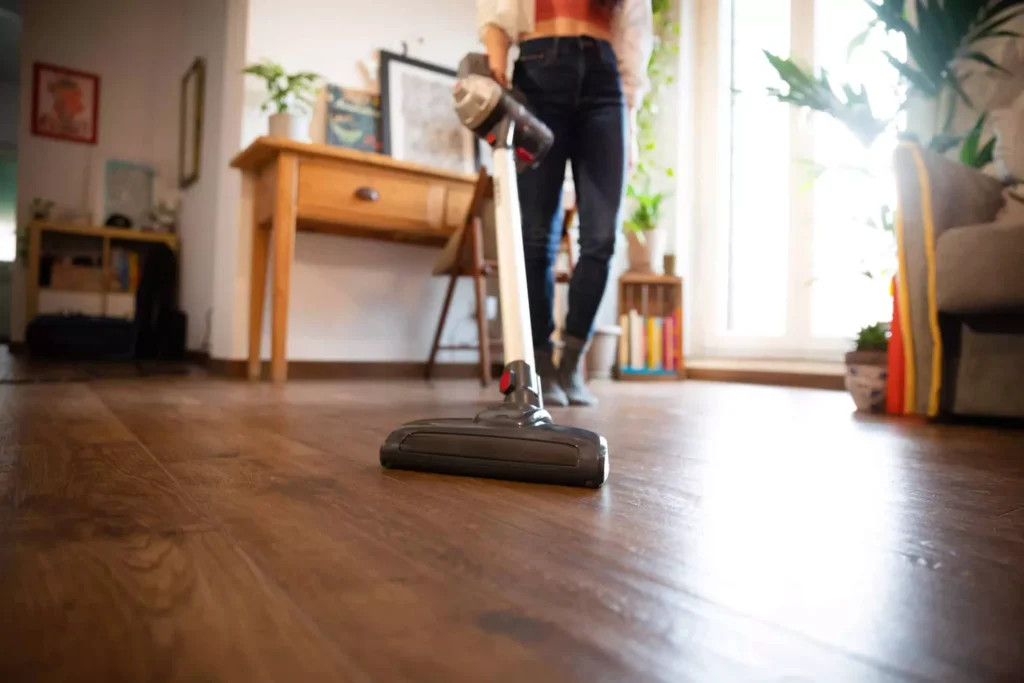
Are you unsure about whether vacuuming is safe for your beautiful hardwood floors? You’re not alone.
Many homeowners find themselves questioning the best way to keep their hardwood floors clean and pristine without causing any damage. The good news is, you can vacuum hardwood floors, but there are some important things you need to know first.
We’ll uncover the secrets to vacuuming your hardwood floors safely and efficiently. By the end, you’ll have the confidence to maintain your floors, keeping them looking as stunning as the day they were installed. Ready to discover how? Let’s dive in!
Credit: www.naturewoodfloors.com
Choosing The Right Vacuum
Choosing the right vacuum for your hardwood floors is crucial to keep them looking pristine. Not all vacuums are designed to handle the delicate surface of hardwood without causing scratches or damage. Selecting the right features can save your floors and make cleaning easier.
Types Suitable For Hardwood
Look for vacuums specifically designed for hardwood floors or those with adjustable settings. Canister vacuums and stick vacuums often work well because they are lightweight and easy to maneuver. Avoid vacuums with beater bars or rotating brushes unless they have a hardwood-safe mode.
I once tried a vacuum with a strong brush roll on my floors—it left tiny scratches that took weeks to buff out. Since then, I only use models clearly marked safe for hardwood.
Avoiding Damage With Soft Brushes
Soft brushes and felt pads can protect your floors from scratches during vacuuming. Many vacuums come with a soft brush attachment designed for hardwood. Using these tools reduces friction and keeps your floor’s finish intact.
If your vacuum lacks a soft brush, consider buying a separate attachment. It’s a small investment that prevents costly repairs.
Corded Vs Cordless Options
Corded vacuums provide consistent power, making them reliable for thorough cleaning sessions. However, their cords can limit your movement around the room. Cordless vacuums offer great flexibility and quick cleanup but may lose suction as the battery drains.
Ask yourself: do you need a vacuum for quick daily touch-ups or deep cleaning? Cordless models excel at speed, while corded ones handle longer sessions without losing power.
Preparing Floors For Vacuuming
Preparing hardwood floors for vacuuming ensures a smooth cleaning process and protects the wood. Taking time to ready the floor prevents scratches and damage. It also helps the vacuum work better and pick up more dirt.
Removing Large Debris
Large debris can block the vacuum or cause damage. Pick up items like paper, toys, or crumbs by hand before vacuuming. This keeps the vacuum running smoothly and prevents scratches on the floor.
Checking For Loose Boards
Loose boards can move and cause problems during vacuuming. Walk over the floor and listen for creaks or movement. Secure any loose boards with nails or screws to avoid damage and noise.
Dusting Edges And Corners
Dust collects in edges and corners where the vacuum may not reach well. Use a soft brush or microfiber cloth to clean these areas first. This step helps remove hidden dust and keeps floors cleaner longer.
Vacuuming Techniques For Hardwood
Vacuuming hardwood floors requires care to keep their shine and prevent scratches. Using the right techniques helps maintain the wood’s beauty and extends its life. Focus on gentle cleaning methods that protect the surface while removing dirt and dust effectively.
Using Low Suction Settings
Set your vacuum to low suction before cleaning hardwood floors. High suction can pull or damage the wood finish. Low suction picks up dirt without causing harm. Many vacuums have adjustable settings for this purpose. Use these settings to avoid scratching or dulling the floor.
Moving Vacuum Gently
Push the vacuum slowly and gently across the floor. Avoid pressing down hard or dragging the machine roughly. Quick, harsh movements can leave marks or scratches. A smooth, steady pace lets the vacuum clean well without damaging the wood. Lift the vacuum to change direction instead of dragging it sideways.
Cleaning In The Direction Of Grain
Always vacuum following the wood grain direction. Moving the vacuum with the grain reduces the risk of scratches. It helps remove dust trapped in wood grooves more effectively. This technique keeps the floor looking smooth and polished. Notice the grain pattern before starting to clean.
:max_bytes(150000):strip_icc()/spr-electrolux-ergorapido-cordless-vacuum-lisa-foustprater-08-b4fcc5f1cdf14a40a4a9b4bfaf1bfbfc.jpeg)
Credit: www.thespruce.com
Common Mistakes To Avoid
Vacuuming hardwood floors seems easy but many make common mistakes. These errors can scratch the wood or damage the finish. Avoiding them helps keep floors clean and beautiful for years.
Using Beater Bars
Beater bars are tough on carpets but harsh on hardwood floors. Their fast spinning brushes can cause scratches and dents. Turn off the beater bar or use a vacuum with a hardwood setting. This protects the wood while cleaning effectively.
Vacuuming Wet Floors
Never vacuum wet hardwood floors. Moisture can damage the vacuum and the floor finish. Wet floors may cause the vacuum to clog or short-circuit. Always wait until floors are completely dry before vacuuming.
Ignoring Vacuum Maintenance
Dirty filters and full dust bins reduce vacuum performance. Clogged vacuums can release dust back onto floors. Clean the filters and empty the dust container often. Regular maintenance keeps your vacuum working well and protects hardwood floors.
Alternative Cleaning Methods
Vacuuming hardwood floors can be effective, but there are other cleaning options that might suit your needs better. Alternative cleaning methods can help you maintain the beauty of your floors without risking scratches or damage. These options also give you control over how much moisture or friction you apply, which is crucial for hardwood surfaces.
Microfiber Mopping
Microfiber mops are excellent for hardwood floors because they trap dust and dirt without scratching the surface. Unlike traditional mops, they use less water, which helps prevent warping or swelling of the wood. You can easily dampen the mop with a gentle cleaner designed for hardwoods, giving your floor a fresh look without harsh chemicals.
Have you noticed how much dust collects in corners? Microfiber mops reach those spots effortlessly, making your cleaning routine quicker and more thorough.
Dry Dusting Tools
Dry dusting tools, such as electrostatic dusters or dry dust mops, offer a gentle way to lift dust and pet hair. They don’t require any water or cleaning solutions, which means zero risk of moisture damage. Using these tools regularly can reduce the need for deeper cleans, keeping your floors looking pristine with minimal effort.
Think about the last time you had to remove stubborn pet hair—dry dusting tools can make that task much easier and less time-consuming.
Spot Cleaning Solutions
Sometimes, all your floor needs is a little spot cleaning rather than a full sweep or mop. Using a soft cloth with a hardwood-safe cleaner lets you target spills or sticky spots immediately. This prevents stains from setting in and keeps your floor’s finish intact.
Have you ever walked into a room and noticed a small sticky patch? Addressing these areas quickly with spot cleaning saves you from bigger problems later.
Maintaining Hardwood Floor Shine
Maintaining the shine of your hardwood floors takes more than just occasional cleaning. It requires a consistent approach that protects the wood and keeps it looking fresh over time. Let’s look at practical ways you can preserve that beautiful glow every day.
Regular Cleaning Schedule
Creating a regular cleaning routine is key to maintaining your hardwood floors’ shine. You don’t need to clean every day, but sweeping or vacuuming a few times a week helps remove dirt and grit that can dull the surface. Using a vacuum with a hardwood floor setting or a soft brush attachment protects your floors from scratches.
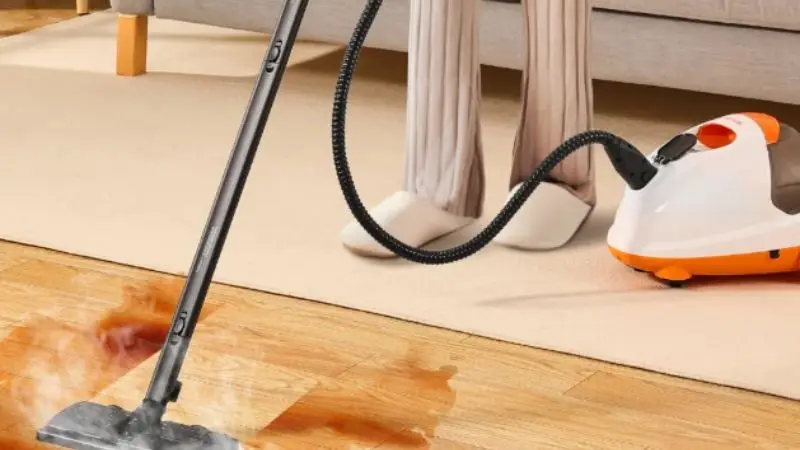
Try to avoid wet mopping too often, as excess water can damage the wood. Instead, use a damp mop with a cleaner designed specifically for hardwood. How often do you currently clean your floors? Adjusting your schedule might make a noticeable difference in their appearance.
Protective Floor Treatments
Applying protective treatments can extend the life of your hardwood floor’s shine. Products like wood polish or wax create a barrier that repels dirt and moisture. Choose treatments that match your floor’s finish to avoid buildup or discoloration.
Reapplying treatments every few months keeps the surface looking fresh. You might be surprised how a simple polish can transform dull floors back to their original brilliance. Have you tried any protective treatments recently?
Handling Scratches And Scuffs
Scratches and scuffs can steal the shine from hardwood floors quickly. Instead of ignoring them, tackle these imperfections right away. For minor marks, a touch-up marker or wood stain pen can blend scratches into the floor’s finish.
Deeper scratches may need sanding and refinishing, but small DIY fixes often work well. Keep a repair kit handy for quick touch-ups. What’s your biggest challenge when it comes to floor scratches?
Credit: www.vevor.com
Frequently Asked Questions
Can Vacuuming Damage Hardwood Floors?
Vacuuming hardwood floors is safe if you use the right vacuum. Avoid vacuums with beater bars or stiff brushes. These can scratch or dull the wood surface, causing damage over time.
What Is The Best Vacuum For Hardwood Floors?
Choose a vacuum with soft bristle brushes or a bare floor setting. Lightweight vacuums with adjustable suction work well. They protect the finish while effectively removing dust and debris from hardwood floors.
How Often Should I Vacuum Hardwood Floors?
Vacuum hardwood floors once or twice a week. Frequent vacuuming removes dirt that can scratch wood. Adjust frequency based on foot traffic and presence of pets or children.
Can I Use A Vacuum With A Beater Bar On Hardwood?
No, avoid vacuums with beater bars on hardwood. The rotating brushes can scratch and damage the floor finish. Use a vacuum designed specifically for hard surfaces instead.
Conclusion
Vacuuming hardwood floors keeps them clean and looking fresh. Choose a vacuum with a soft brush or hardwood setting. Avoid vacuums with beater bars that can scratch the wood. Regular cleaning helps prevent dust and dirt buildup. It also protects the floor’s finish over time.
Gentle care extends the life of your hardwood floors. A simple vacuum routine makes a big difference. Keep your floors shining and healthy with proper vacuuming. Your hardwood floors will thank you for the care.