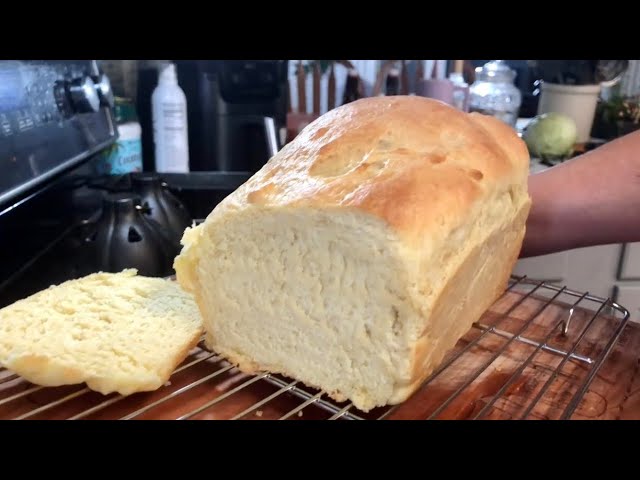
Ever find yourself wondering how to keep your bread fresh for longer? You’re not alone.
Bread is a staple in most households, but it can quickly become stale or moldy if not stored properly. This is where vacuum sealing comes into play. Imagine opening your pantry and finding your bread as fresh as the day you bought it.
Sounds appealing, right? You might be asking yourself, “Can I vacuum seal bread to make this dream a reality? ” We’ll dive into the benefits and potential pitfalls of vacuum sealing your bread. Get ready to discover how this method could revolutionize your kitchen and save you money in the long run. So, let’s cut through the crust and get to the heart of the matter.

Credit: www.youtube.com
Vacuum Sealing Basics
Vacuum sealing bread might sound unusual, but understanding the basics can change how you store your loaves. This method removes air from the packaging, which helps keep your bread fresh longer. Before you decide if vacuum sealing is right for your bread, it’s good to know how it actually works and what benefits it offers.
How Vacuum Sealing Works
Vacuum sealing uses a special machine to suck out the air from a plastic bag or container. This process removes oxygen, which slows down mold growth and staling. Without air, the bread’s moisture stays locked in, preventing it from drying out quickly.
Think about the last time you left bread exposed on the counter—it got hard and stale fast. Vacuum sealing stops this by creating a tight seal around the bread, keeping the environment inside controlled. It’s a simple but effective way to extend freshness.
Benefits For Bread Storage
Vacuum sealing bread offers several practical benefits you might not expect. It can keep your bread fresh for weeks, which means less waste and fewer trips to the store. You can also freeze vacuum-sealed bread without worrying about freezer burn.
- Longer shelf life:Bread stays soft and tasty longer than in regular plastic bags.
- Space-saving:Vacuum-sealed packages take up less room in your fridge or freezer.
- Preserved flavor and texture:The bread maintains its original quality much better.
Have you ever noticed how quickly bread loses its flavor after opening? Vacuum sealing can help you avoid that disappointment. It’s a smart choice if you buy bread in bulk or bake your own and want to keep it fresh for several days or even months.
Types Of Bread Suitable For Vacuum Sealing
Vacuum sealing bread helps keep it fresh longer by reducing air exposure. Not all bread types work equally well with vacuum sealing. Some breads maintain texture and flavor better after sealing. Choosing the right type of bread ensures the best storage results.
Sliced Vs Whole Loaves
Sliced bread is ideal for vacuum sealing. Each slice stays fresh, ready to use one at a time. Vacuum sealing sliced bread prevents freezer burn and moisture loss.
Whole loaves can also be sealed but may lose some texture. They take up more space and may require cutting before sealing. Vacuum sealing whole loaves works best for short-term storage.
Artisan And Homemade Bread
Artisan and homemade bread often have a crusty exterior and soft inside. Vacuum sealing can soften the crust over time. To preserve texture, wrap the bread in paper before sealing.
This type of bread stores well in vacuum bags for a few weeks. It keeps flavor and moisture better than regular plastic wrap or bags.
Preparing Bread For Vacuum Sealing
Preparing bread for vacuum sealing helps keep it fresh longer. Proper preparation stops moisture and air from spoiling the bread. It also prevents damage during sealing and storage. Follow simple steps to get your bread ready for vacuum sealing.
Cooling And Slicing Tips
Cool bread completely before vacuum sealing. Warm bread creates steam inside the bag. This causes sogginess and mold growth. Slice bread into even pieces for easy use later. Slices also fit better in vacuum bags. Keep slices uniform to avoid crushing during sealing.
Preventing Crushing And Damage
Use a rigid container or bread saver to protect bread shape. Soft bread can get crushed under vacuum pressure. Place parchment paper or paper towel between slices to absorb moisture. Avoid overfilling vacuum bags to reduce squishing. Seal bags gently, without too much suction. This keeps bread looking fresh and intact.
Vacuum Sealing Process For Bread
Vacuum sealing bread helps keep it fresh longer by removing air. This process slows down mold growth and staling. Proper sealing locks in moisture and flavor. The key is using the right vacuum sealer and sealing method.
Choosing The Right Vacuum Sealer
Select a vacuum sealer that suits bread’s soft texture. Models with adjustable suction work best to prevent crushing. Look for sealers with a gentle or pulse mode. These settings control air removal speed for delicate items.
Bread bags or rolls must fit the sealer’s size. Use bags made for vacuum sealing. They keep the bread safe and airtight. Avoid using thin plastic or regular storage bags.
Step-by-step Sealing Guide
- Place the bread in a vacuum sealing bag. Leave space above the bread for sealing.
- Remove large crumbs around the bread to avoid sealing issues.
- Position the open end of the bag in the sealer’s vacuum channel.
- Use gentle or pulse mode to slowly remove air from the bag.
- Once air is removed, the sealer will heat the bag to create a tight seal.
- Check the seal for holes or leaks. If needed, reseal for full airtight protection.
- Label the bag with the sealing date to track freshness.
Storage Tips After Vacuum Sealing
After vacuum sealing your bread, proper storage becomes key to keeping it fresh and tasty. The way you store it affects both texture and flavor over time. Let’s dig into what works best for your sealed bread.
Freezing Vs Room Temperature
Vacuum sealing cuts air exposure, but bread still needs the right environment. Storing vacuum-sealed bread at room temperature can keep it soft for a short while, typically a few days.
For longer storage, freezing is a smarter choice. Frozen vacuum-sealed bread can stay fresh for months without losing moisture or developing freezer burn.
Think about how often you eat bread. Do you finish a loaf quickly, or do you need it to last weeks? This helps decide if room temperature or freezing suits your needs better.
Shelf Life Expectations
Even vacuum sealed, bread won’t last forever. At room temperature, expect about 3 to 5 days before it starts to dry out or grow mold.
In the freezer, vacuum-sealed bread can last up to 3 months or more. Beyond that, quality may drop, with changes in taste and texture becoming noticeable.
Keep an eye on your bread’s appearance and smell. If you notice any off odors or mold spots, it’s time to toss it, no matter the storage method.

Credit: www.youtube.com
Common Mistakes To Avoid
Vacuum sealing bread can keep it fresh longer, but certain errors can spoil your efforts. Avoiding common mistakes helps maintain bread quality and prevents waste. Pay attention to the bread’s condition and how you pack it before sealing.
Sealing Warm Bread
Sealing bread while it is still warm traps moisture inside the bag. This moisture causes sogginess and can lead to mold growth quickly. Always let bread cool completely before vacuum sealing to keep it fresh and dry.
Overpacking The Bag
Overstuffing the vacuum bag makes it hard to remove all the air. Trapped air reduces the effectiveness of sealing and shortens shelf life. Leave some space around the bread to allow proper air removal and a tight seal.
Reviving Vacuum Sealed Bread
Vacuum sealing bread is a great way to keep it fresh for longer, but what happens when you’re ready to enjoy it again? Reviving vacuum sealed bread requires careful thawing and a bit of effort to bring back its original texture and flavor. Let’s look at how you can make your bread taste as good as freshly baked after being stored.
Thawing Techniques
Thawing your vacuum sealed bread properly is key to maintaining its quality. Avoid microwaving frozen bread directly, as it can make the bread chewy or soggy.
Instead, try these approaches:
- Leave the bread in its vacuum-sealed bag and thaw it at room temperature for 1-2 hours.
- If you’re in a hurry, open the bag and wrap the bread in a clean, damp kitchen towel, then warm it in a low-temperature oven (around 300°F or 150°C) for 5-10 minutes.
- For sliced bread, toasting straight from frozen can also work well, giving you a crispy texture without waiting.
Refreshing Texture And Taste
Once thawed, your bread might feel a bit dry or less flavorful. You can easily refresh it to get that satisfying bite and aroma back.
Try these simple tricks:
- Lightly sprinkle water on the crust before warming it in the oven. This helps restore moisture and crispness.
- Use a toaster oven or grill pan to crisp up the crust while keeping the inside soft.
- If you have a bread machine or oven with a proofing setting, warming the bread gently for a few minutes can revive its softness.
Have you noticed that bread stored in the freezer sometimes tastes better after toasting? That’s because the toasting process brings back the natural flavors. Next time, try warming your vacuum sealed bread slowly and see if it changes your mind about frozen bread!
Alternatives To Vacuum Sealing Bread
Vacuum sealing bread is not the only way to keep it fresh. Several simple alternatives also protect bread from going stale or moldy. These methods help maintain softness and flavor without special equipment. They often use items found in most kitchens or pantries. Choosing the right method depends on how long you want to store the bread and the bread type.
Plastic Wrap And Freezer Bags
Plastic wrap tightly covers bread, blocking air and moisture. It works well for short-term storage, keeping bread soft for days. For longer storage, place wrapped bread inside freezer bags. Freezer bags add an extra layer of protection against freezer burn and odors.
- Wrap bread slices or loaves tightly with plastic wrap.
- Press out as much air as possible before sealing the freezer bag.
- Label the bag with the date for easy tracking.
This combo is inexpensive and simple. It fits all bread types. Just remember to thaw frozen bread slowly to keep texture intact.
Bread Boxes And Other Methods
Bread boxes create a balanced environment. They keep bread at room temperature with controlled airflow. This slows down drying and mold growth. Bread boxes suit daily use and short storage times.
- Store bread in a clean bread box away from heat.
- Use a paper bag inside the box to absorb moisture.
- Keep bread away from sunlight and strong smells.
Other options include cloth bread bags or wrapping bread in a clean kitchen towel. These let bread breathe while protecting it from dust and pests. They work best for fresh bread eaten within a few days.
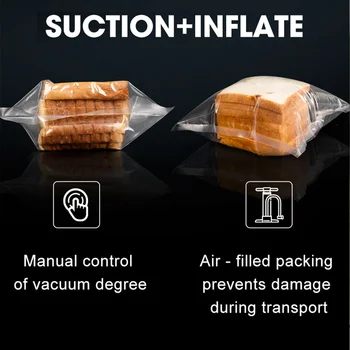
Credit: www.alibaba.com
Frequently Asked Questions
Can Vacuum Sealing Keep Bread Fresh Longer?
Yes, vacuum sealing removes air, slowing mold growth and staling. It extends bread freshness up to two weeks or more when refrigerated or frozen.
Does Vacuum Sealing Affect Bread Texture?
Vacuum sealing may slightly compress bread but doesn’t harm texture. Proper freezing after sealing helps maintain softness and prevents freezer burn.
Is Vacuum Sealing Better Than Plastic Wrap For Bread?
Yes, vacuum sealing is superior. It removes air completely, reducing oxidation and mold. Plastic wrap traps air, leading to quicker spoilage.
Can I Vacuum Seal Fresh Homemade Bread?
Absolutely, vacuum sealing homemade bread preserves its flavor and freshness. Cool bread completely before sealing to avoid moisture buildup and sogginess.
Conclusion
Vacuum sealing bread helps keep it fresh longer. It stops air and moisture from spoiling bread quickly. You can freeze vacuum-sealed bread without worry. Just slice bread before sealing for easy use. Remember, soft breads may get squished if sealed too tight.
Overall, vacuum sealing can save bread from going stale fast. A simple way to reduce waste and save money. Try vacuum sealing to enjoy fresh bread days later. Easy, practical, and helpful for your kitchen routine.