Are you wondering if you can toss your wood cutting board into the dishwasher for a quick clean? It’s a common question, especially when you want to save time and keep your kitchen tools spotless.
But before you load it up, there are important things you need to know that could save your board from damage. Keep reading to discover the truth about washing wood cutting boards in the dishwasher and learn the best way to keep yours clean and long-lasting.

Credit: www.amazon.com
Risks Of Dishwasher Cleaning
Many people wonder if they can wash wood cutting boards in the dishwasher. The dishwasher may seem like a quick way to clean. But it can cause damage to wood boards over time.
Wood cutting boards need gentle care. Using a dishwasher can bring several risks. These risks affect the board’s shape, strength, and safety.
Wood Warping And Cracking
Dishwashers use hot water and strong jets. This heat and water can make wood boards warp or crack. Warping changes the board’s flat surface. Cracking can break the board into pieces.
Wood swells when wet and shrinks when dry. The dishwasher dries boards fast and unevenly. This quick change causes stress on the wood fibers.
- Hot water softens the wood fibers
- Fast drying pulls the wood apart
- Repeated cycles increase damage
Loss Of Natural Oils
Wood cutting boards have natural oils inside them. These oils keep the wood strong and water-resistant. Dishwashers remove these oils during cleaning.
Without natural oils, the wood dries out and becomes weak. This makes the board more likely to crack or absorb water. Dry wood can also look dull and rough.
- Natural oils protect wood fibers
- Dishwasher detergent strips oils away
- Dry wood is prone to damage
Bacterial Growth Concerns
Some people think dishwashers kill all bacteria. Wood boards can trap moisture and food particles inside cracks. If damaged, these spots can grow bacteria.
Dishwashers may not clean deep cracks well. Moist areas inside the wood can stay wet, helping bacteria grow. Proper hand washing and drying helps avoid this risk.
- Dishwashers may miss deep cracks
- Moist cracks hold bacteria
- Drying wood fully stops bacterial growth
Proper Handwashing Techniques
Wood cutting boards need careful cleaning to stay safe and last long. Handwashing is the best way to clean them without damage.
This guide explains how to wash wood cutting boards by hand using simple steps.
Using Mild Soap And Warm Water
Use mild soap and warm water to clean your wood cutting board. Harsh soaps can dry out the wood and cause cracks.
Warm water helps remove food particles and germs without hurting the board.
Scrubbing With A Soft Brush
Scrub the board gently with a soft brush. This removes stuck food without scratching the surface.
- Use a brush with soft bristles.
- Scrub all sides of the board.
- Focus on any grooves or cuts where bacteria hide.
- Rinse the board well after scrubbing.
Thorough Drying Methods
Dry the wood cutting board completely to stop mold and warping. Leaving it wet can damage the wood.
| Drying Method | Details |
| Air Dry | Stand the board upright in a dish rack to dry fully. |
| Towel Dry | Use a clean, dry towel to wipe all surfaces. |
| Sun Dry | Place the board in indirect sunlight for extra drying. |
Maintaining Wood Cutting Board
Wood cutting boards need special care to last long and stay safe. You should avoid washing them in the dishwasher. The heat and water can damage the wood.
Proper cleaning and regular maintenance keep the board smooth and prevent cracks. This helps stop bacteria from growing on the surface.
Oiling Frequency And Types
Oiling your wood board keeps it from drying out and cracking. You should oil it once a month or after heavy use. Use food-safe oils that soak well into the wood.
- Mineral oil is a popular choice because it is safe and easy to find.
- Beeswax mixed with mineral oil adds extra protection.
- Coconut oil is natural but can go rancid over time.
Sanding For Surface Renewal
Sanding removes deep cuts and scratches on your board. Use fine sandpaper to smooth the surface gently. Sanding helps keep the wood clean and fresh.
After sanding, always clean the dust and apply oil to protect the wood. Sanding can be done once or twice a year depending on use.
Avoiding Harsh Chemicals
Harsh chemicals can damage the wood and leave harmful residues. Avoid using bleach or strong detergents on your cutting board. Stick to mild soap and warm water for cleaning.
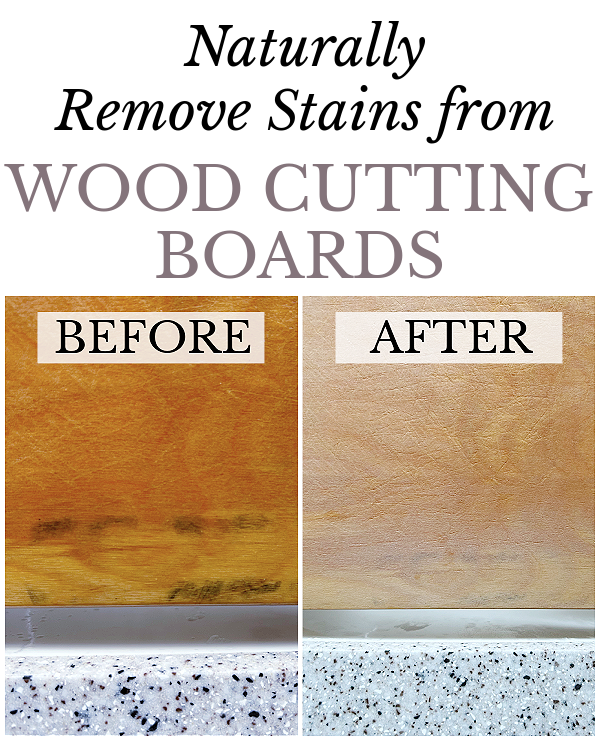
After washing, dry the board quickly to stop warping. Use natural cleaners like vinegar or baking soda for tough stains.

Credit: www.reddit.com
Alternative Cleaning Options
Washing wood cutting boards in a dishwasher is not recommended. The heat and water can damage the wood and cause it to crack.
There are simple and natural ways to clean and disinfect your wood cutting board safely at home.
Salt And Lemon Treatment
Coarse salt and lemon make a natural scrub for wood boards. Salt helps remove stains and scrapes off food bits.
Lemon juice works as a natural cleaner and freshener. It also kills some bacteria on the surface.
- Sprinkle coarse salt over the board
- Cut a lemon in half and rub it on the salt
- Scrub the board with the lemon and salt for a few minutes
- Rinse with warm water and dry with a towel
Vinegar Disinfection
White vinegar is a safe and natural disinfectant for wood boards. It kills many bacteria without harming the wood.
Use vinegar to wipe down your board after washing it with soap and water. Let it air dry fully.
- Mix equal parts white vinegar and water
- Apply the mixture to the board with a clean cloth
- Let it sit for a few minutes
- Rinse with warm water and dry thoroughly
Baking Soda For Odor Removal
Baking soda removes bad smells from wood cutting boards. It helps keep your board fresh between cleanings.
Sprinkle baking soda on the board, scrub gently, then rinse. This clears odors and light stains.
- Sprinkle baking soda evenly on the board
- Use a damp cloth or sponge to scrub the surface
- Let it sit for 5 minutes for stronger odors
- Rinse off with warm water and dry well
Signs Of Damage And Replacement
Wood cutting boards need care to last long. Washing them in a dishwasher can cause damage.
Knowing when your board is damaged helps keep your kitchen safe and clean.
Deep Cracks And Splits
Deep cracks in a wood board let bacteria hide inside. These cracks also weaken the board.
Splits can make the board unsafe to use and hard to clean well.
Persistent Stains And Odors
Stains that do not wash away show the board is worn out. Strong smells mean germs are trapped.
These signs tell you that the board may no longer be safe for food.
When To Invest In A New Board
Replace your wood board if it has deep cracks or bad stains. Also replace if it smells bad.
A new board keeps your food safe and your kitchen clean.
Credit: www.lemonslavenderandlaundry.com
Frequently Asked Questions
Can I Put A Wood Cutting Board In The Dishwasher?
No, it’s not recommended to wash wood cutting boards in the dishwasher. The high heat and water can cause warping and cracking. Instead, wash it by hand using mild soap and warm water. Dry it immediately to maintain its quality and longevity.
Why Does Dishwasher Damage Wood Cutting Boards?
Dishwashers expose wood to excessive moisture and heat. This can lead to warping, cracking, and splitting. The harsh detergents can strip the wood’s natural oils. It’s best to hand wash and dry immediately to preserve the board’s integrity.
How Should I Clean A Wood Cutting Board?
Clean a wood cutting board by hand with mild soap and warm water. Avoid soaking it in water. Rinse thoroughly and dry immediately with a clean towel. Occasionally, apply food-grade mineral oil to maintain its condition and prevent drying out.
Can A Dishwasher Sanitize A Wood Cutting Board?
While a dishwasher sanitizes, it’s not suitable for wood cutting boards. The high heat and moisture can damage the wood. Instead, sanitize with a vinegar solution or lemon and salt. This method effectively kills bacteria without harming the wood.
Conclusion
Wood cutting boards do not belong in the dishwasher. The heat and water can cause cracks and warping. Washing by hand with soap and warm water keeps them strong. Dry them well to avoid bacteria growth. Regular oiling helps maintain the wood’s surface.
Taking simple care steps will make your board last longer. Protect your kitchen tools by choosing safe cleaning methods. Clean boards mean safer food and better cooking. Keep these tips in mind for a healthy kitchen.