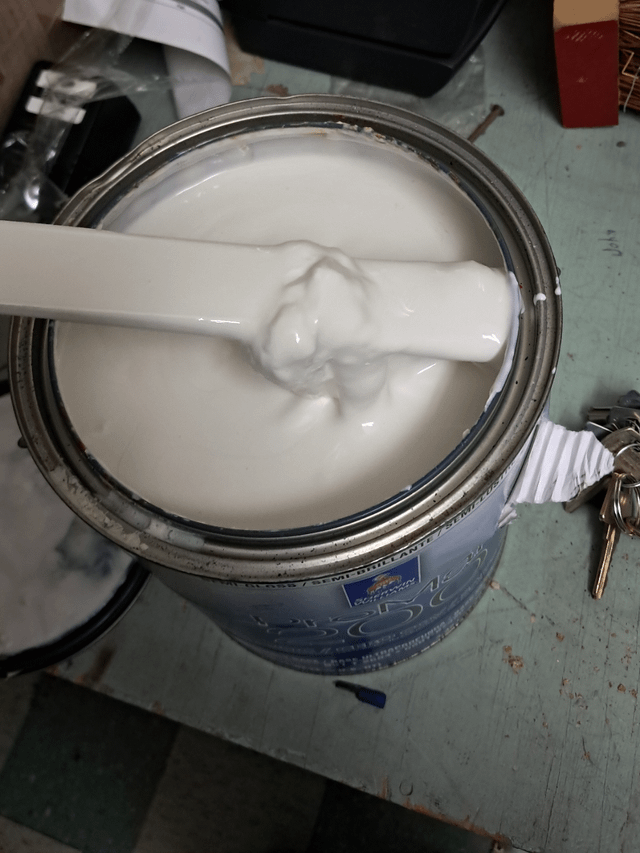
Can latex paint freeze? If you’ve ever stored leftover paint cans in your garage or basement, this question has probably crossed your mind.
Picture this: you’ve got a DIY project lined up, and you’re ready to transform a room with a fresh coat of paint. But when you open that can of latex paint, you find a sludgy, separated mess instead of a smooth, creamy consistency.
Frustrating, right? Understanding how temperature affects latex paint can save you time, money, and the disappointment of ruined paint. We’re diving into the nitty-gritty of latex paint and its relationship with cold temperatures, equipping you with the knowledge you need to keep your paint in perfect condition. Stay with us as we uncover the simple yet crucial steps to protect your paint investment.
Latex Paint And Temperature Sensitivity
Latex paint is sensitive to temperature changes, especially cold. It reacts differently depending on how low the temperature drops. Understanding this helps protect the paint and ensures good results in your projects.
Chemical Composition Of Latex Paint
Latex paint is made of water, pigments, and binders. The binder holds the pigment particles together. It also helps the paint stick to surfaces.
Water acts as the main solvent in latex paint. It keeps the paint liquid and easy to apply. When the paint dries, the water evaporates, leaving a solid film.
Other ingredients include additives that improve flow and durability. These chemicals help the paint resist cracking and fading over time.
Impact Of Cold On Paint Properties
Cold temperatures slow down the drying process of latex paint. Water inside the paint can freeze if the temperature drops below 32°F (0°C).
Frozen paint changes texture and consistency. It may become lumpy or separate into layers. This damage often ruins the paint’s quality.
Applying latex paint in freezing conditions can cause poor adhesion. The paint might peel or flake off after drying. This reduces the paint’s lifespan and appearance.
Storing latex paint in a cold place risks freezing. Once thawed, the paint often loses its smoothness and coverage ability.
Credit: www.painttalk.com
Freezing Effects On Latex Paint
Latex paint is water-based, making it vulnerable to freezing temperatures. Understanding how freezing affects latex paint helps prevent damage and wasted materials. Cold can change the paint’s texture and performance. This section explains what happens during freezing and how to spot frozen paint damage.
What Happens When Paint Freezes
When latex paint freezes, the water inside expands. This expansion breaks the paint’s smooth consistency. The paint separates into layers of pigment and binder. Freezing can cause the paint to become lumpy or grainy. After thawing, it may not mix back evenly. The paint’s ability to stick well and dry properly often decreases. Once frozen, the paint usually loses its original quality.
Signs Of Frozen Paint Damage
- Clumps or chunks in the paint that won’t dissolve
- Watery or separated layers that do not blend
- Thicker texture that feels uneven or rough
- Unpleasant or sour smell indicating spoilage
- Paint that dries too quickly or peels easily
- Colors that appear dull or faded after application
Storage Tips To Prevent Freezing
Keeping your latex paint from freezing during colder months is crucial for maintaining its quality and usability. Freezing can ruin the paint’s texture and make it unusable, which wastes your time and money. Let’s focus on smart storage habits that protect your paint from freezing temperatures.
Ideal Storage Temperatures
Latex paint should be stored at temperatures between 50°F and 85°F. Temperatures below 32°F can cause the paint to freeze, damaging its consistency. Even brief exposure to freezing cold can lead to clumps and separation that won’t mix back properly.
Think about your own storage spaces—does your garage or basement stay within this range during winter? If not, you might need to move your paint cans to a warmer spot to keep them safe.
Best Practices For Paint Storage In Winter
- Keep paint cans off the cold floor:Use shelves or pallets to avoid direct contact with cold concrete, which can lower the paint’s temperature.
- Seal cans tightly:Ensure lids are fully closed to prevent moisture and cold air from entering the can.
- Store indoors if possible:A heated room or closet with stable temperatures is ideal for paint storage in winter.
- Use insulated containers:Wrapping paint cans with insulation or placing them in insulated boxes can add an extra layer of protection.
- Check the weather forecast:If a cold snap is coming, consider temporarily relocating your paint to a warmer area, like inside your home.
Have you ever lost a gallon of paint because it froze? Taking these precautions can save you the frustration and expense of replacing spoiled paint. What small changes can you make today to keep your paint fresh through the cold months?
Credit: www.painttalk.com
Reviving Frozen Latex Paint
Latex paint can freeze in cold weather, affecting its texture and performance. Reviving frozen latex paint requires care to restore its original quality. Quick action can sometimes save the paint and prevent waste.
Methods To Thaw And Restore Usability
Start by moving the paint to a warm room. Avoid sudden heat like a microwave or oven, which can ruin the paint.
- Place the paint can in a container of warm water. Stir gently as it warms to mix the components well.
- Use a paint stirrer to break up clumps once the paint softens. This helps restore smoothness.
- Let the paint sit at room temperature for several hours before testing it on a small surface.
- If the paint remains lumpy or thick, strain it through a fine mesh to remove solids.
- Test the paint on a scrap piece to check consistency and drying time.
When To Discard Frozen Paint
Frozen paint may not always be salvageable. Discard paint if it shows these signs:
- Persistent clumps that do not dissolve after stirring.
- Separation of liquids and solids that mixing cannot fix.
- A foul or sour smell, indicating spoilage.
- Paint that dries unevenly or peels shortly after application.
Using compromised paint can damage surfaces and reduce the quality of your project.
Preventing Paint Freezing During Projects
Preventing paint from freezing during your projects is crucial for maintaining its quality and ensuring a smooth finish. Latex paint is sensitive to cold temperatures, and freezing can ruin its consistency and effectiveness. Taking the right precautions helps you avoid wasted materials and delays in your work.
Working In Cold Weather Conditions
Cold weather slows down paint drying and can cause latex paint to freeze, ruining its texture. You should always check the temperature forecast before starting an outdoor painting project. If temperatures drop below 50°F (10°C), consider postponing the job or working in a controlled environment.
Keep paint cans indoors before use, especially overnight. This prevents the paint from getting too cold. Also, stirring paint regularly during use keeps it from settling and helps maintain its consistency.
Have you ever tried painting on a chilly morning only to find the paint clumpy and difficult to spread? That’s a clear sign the paint was too cold. Avoid that frustration by warming your paint gently in a water bath at room temperature before application.
Protective Measures For Outdoor Painting
Shield your work area from wind and cold air with temporary barriers like tarps or plastic sheeting. These act as windbreaks and help maintain a warmer microclimate around the painting surface. This small step can make a big difference in how the paint dries.
Use portable heaters safely around your workspace to keep the temperature stable. However, never place heaters too close to wet paint to avoid uneven drying or damage. Instead, position them to warm the ambient air gently.
Cover freshly painted surfaces if temperatures are expected to drop suddenly overnight. A breathable fabric cover prevents condensation buildup while protecting your paint from freezing. This tip has saved many painters from having to redo entire sections of work.
Credit: www.nedt.org
Frequently Asked Questions
Can Latex Paint Freeze Without Damage?
Yes, latex paint can freeze, but it often damages the paint’s consistency and quality. Frozen paint may become lumpy and unusable.
How To Prevent Latex Paint From Freezing?
Store latex paint in a temperature-controlled area above 50°F. Avoid exposing paint cans to freezing temperatures to maintain quality.
Is Frozen Latex Paint Still Usable?
Frozen latex paint usually loses its original texture and performance. It’s best to discard frozen paint to ensure a smooth finish.
What Happens If Latex Paint Freezes?
Freezing causes latex paint to separate and thicken, harming its application and drying properties. It can ruin the paint’s effectiveness.
Conclusion
Latex paint can freeze, which affects its quality and use. Freezing causes clumps and thickens the paint. This makes it hard to apply and can ruin your project. Store latex paint in a warm, dry place to keep it safe.
Always check the temperature before storing paint outside. Proper care helps your paint last longer and stay smooth. Remember, frozen paint often cannot be fixed well. Protect your paint to get the best results in every job.