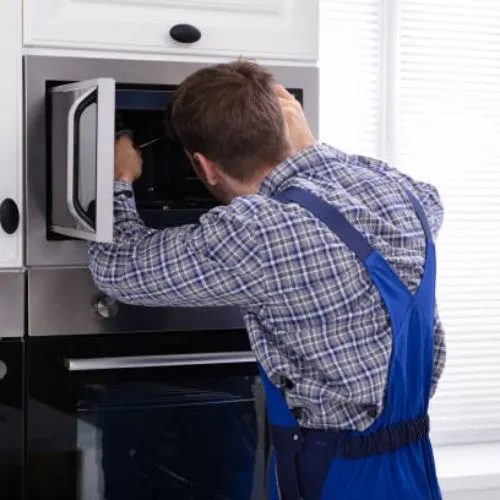
Have you ever found yourself standing in front of your microwave, pressing buttons in vain, only to be met with silence? It’s a common scenario that can leave you wondering if your trusted kitchen companion is destined for the landfill.
But before you start shopping for a new one, there’s a burning question you might not have considered: Can microwave ovens be repaired? The answer might surprise you and save you money in the process. We’ll explore the ins and outs of microwave repairs, helping you determine if your device can be brought back to life.
Stay with us to uncover the secrets that could transform your kitchen woes into a simple fix.
Common Microwave Issues
Microwave ovens are common kitchen tools. Like all appliances, they face issues over time. Recognizing common problems helps decide if repair is possible. Some faults are simple to fix. Others might need a professional’s help. Understanding these issues aids in saving time and money.
No Power Or Dead Microwave
The microwave does not turn on or show any signs of power. This issue often comes from a blown fuse, faulty power cord, or a tripped circuit breaker. Sometimes, the door switch fails, preventing the microwave from starting. Checking these parts can help find the cause.
Microwave Not Heating
The microwave runs but does not heat food. This problem often relates to a broken magnetron, faulty high voltage diode, or a damaged capacitor. These parts create the heat inside the microwave. Replacing them usually restores heating function.
Sparking Or Arcing Inside
Sparks or flashes appear inside the microwave during use. This can happen due to metal objects inside, damaged waveguide cover, or worn-out interior parts. Sparks can be dangerous and cause further damage. It is important to stop using the microwave immediately.
Turntable Not Rotating
The glass plate inside does not spin during cooking. This issue often involves a broken turntable motor, faulty drive bushing, or misaligned roller guide. The rotating plate helps heat food evenly. Fixing or replacing these parts restores rotation.
Unusual Noises
Strange sounds like buzzing, humming, or grinding come from the microwave. These noises often indicate motor problems, loose parts, or a failing magnetron. Noises should not be ignored as they may signal serious issues needing repair or replacement.
Safety First
Before diving into any microwave oven repair, putting safety first is non-negotiable. These appliances can store dangerous electrical energy even when unplugged, and handling them without caution can lead to serious injury. Understanding the risks and taking the right precautions is essential to protect yourself and your home.
Unplugging And Discharging
Always unplug the microwave before starting any repair. It might seem obvious, but power can still linger inside the microwave’s components, especially the capacitor. This part can hold a charge for hours, so discharging it properly is crucial to avoid shocks.
Use a screwdriver with an insulated handle to discharge the capacitor safely by bridging its terminals. Have you ever felt a sharp jolt working on electronics? That’s why this step can’t be skipped.
Handling High Voltage Components
Microwaves contain high voltage parts that can be lethal if touched directly. Components like the magnetron, transformer, and capacitor require careful handling. Wearing rubber gloves and using insulated tools reduces the risk of electrical shock.
Remember, even if the microwave has been unplugged for a while, these parts can still hold dangerous energy. Are you confident in identifying these components and handling them safely?
When To Avoid Diy Repairs
Not every microwave repair is safe to do yourself. If the problem involves complex electrical parts or the repair requires specialized tools, it’s better to call a professional. Attempting advanced repairs without experience can lead to injury or further damage.
Think about your skill level honestly. If you hesitate or lack knowledge about electrical safety, it’s wise to seek expert help. Your safety and the appliance’s condition are worth more than a quick fix.
Basic Repair Tools
Knowing the right tools is essential if you want to repair your microwave oven yourself. Basic repair tools help you identify problems, open up the device safely, and replace broken parts. Having these tools ready can save you time, money, and frustration.
Multimeter Use
A multimeter is a must-have tool for testing electrical components in your microwave. It measures voltage, current, and resistance, helping you find faulty parts like fuses, switches, or the magnetron coil.
If you’ve never used one, start by checking the fuse. This simple test can quickly tell if the microwave’s power supply is interrupted. Would you rather guess or know exactly where the problem lies?
Screwdrivers And Pliers
Screwdrivers and pliers are your hands’ best friends during a microwave repair. Different types of screwdrivers—Phillips, flathead, and sometimes Torx—allow you to remove the outer casing and internal panels carefully.
Pliers help you grip, twist, or cut wires safely. Always use insulated handles to protect yourself from electric shocks. Are you prepared to handle tiny screws and delicate parts without damaging them?
Replacement Parts
Having the right replacement parts ready is crucial. Common parts that often need replacing include fuses, door switches, turntable motors, and capacitors.
Buy parts that match your microwave model exactly. Using the wrong parts can cause more damage or create safety hazards. How confident are you in sourcing reliable parts before starting the repair?

Credit: smartapplianceservices.com
Step-by-step Repair Tips
Repairing a microwave oven might seem daunting, but breaking it down into clear, manageable steps can make the process straightforward. Understanding which parts to check and how to handle them safely can save you time and money. Let’s look at practical tips to guide you through common microwave repairs.
Checking The Fuse
The fuse acts like a safety guard, cutting power if something goes wrong. Before diving into complicated repairs, check if the fuse is blown—it’s a quick fix that often restores function.
Unplug your microwave and open the back panel carefully. Locate the fuse near the power cord connection. Use a multimeter to test for continuity; if the fuse shows no continuity, replace it with one matching the exact rating.
Have you ever assumed a big problem only to find a simple blown fuse was the culprit? It’s surprising how often this small part causes major headaches.
Replacing The Door Switch
A faulty door switch can stop your microwave from starting. These switches ensure the microwave only operates when the door is securely closed.
After unplugging the microwave, remove the outer casing to access the door switches. Test each switch with a multimeter for continuity. If any switch fails, replace it with a compatible part to restore safety and function.
Remember, a door switch is a safety device. Handling it with care ensures you don’t compromise your microwave’s protective features.
Fixing The Turntable Motor
Is your microwave heating food unevenly? The turntable motor might be the issue. It’s responsible for rotating the plate, helping heat distribute evenly.
Remove the microwave plate and ring, then open the casing to access the motor underneath. Listen for any unusual noises or check if the motor shaft turns freely. If the motor is faulty, replacing it can bring back smooth rotation.
Sometimes, a stuck or broken turntable motor is the reason your popcorn ends up half-cold. Fixing it can improve your microwave’s performance dramatically.
Replacing The Magnetron
The magnetron generates the microwaves that cook your food. If your microwave runs but doesn’t heat, this part often needs attention.
Replacing a magnetron requires caution because it involves high-voltage components. Always unplug the microwave and discharge the capacitor before starting. Remove the magnetron carefully and install a new one matching your model’s specifications.
Are you comfortable working with electrical parts? If not, consider professional help—magnetron replacement can be risky but rewarding when done correctly.
When To Seek Professional Help
Knowing when to seek professional help for microwave repair is important. Some issues are safe and simple to fix at home. Others need expert skills to avoid danger or further damage.
Professional technicians have the right tools and knowledge. They can quickly identify and repair complex problems. This saves time and prevents costly mistakes.
Complex Electrical Issues
Microwaves contain high-voltage parts that can be dangerous. Problems with the magnetron, capacitor, or transformer require special care. Handling these parts without training risks electric shock or fire.
Signs of complex electrical issues include sparks, burning smells, or frequent power cuts. Attempting repairs on these can cause more damage. Let a professional manage these repairs safely.
Cost Vs. Repair Value
Repair costs sometimes exceed the price of a new microwave. Professionals can assess if fixing your oven is worth it. They provide estimates based on parts and labor needed.
Consider the microwave’s age and condition. Older models may not be cost-effective to fix. A technician can help decide if replacement is better.
Warranty And Service Options
Check if your microwave is still under warranty. Repairs done by unauthorized people can void it. Authorized service centers offer reliable repairs and keep warranties valid.
Professional service often includes guarantees on parts and work. This ensures peace of mind after the repair is done.
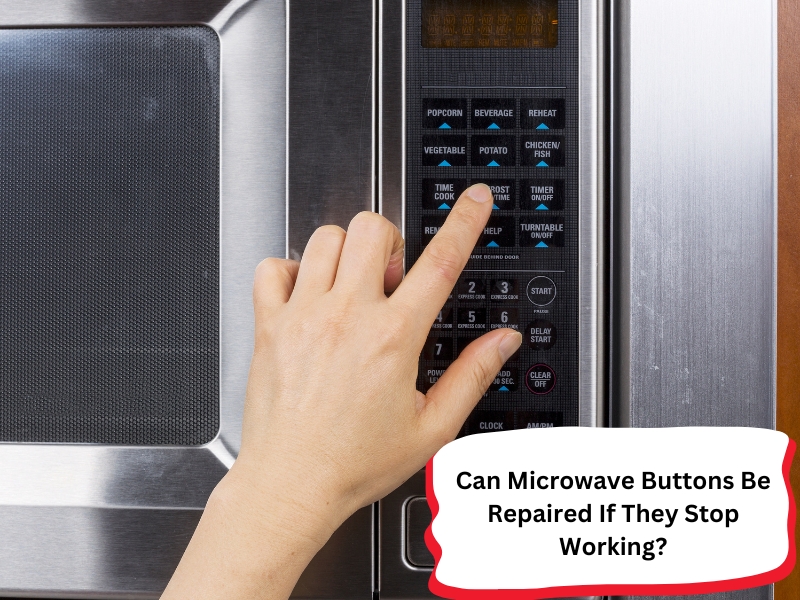
Credit: microwavefactory.com.au
Preventive Care To Avoid Repairs
Taking care of your microwave oven before it breaks down can save you time, money, and frustration. Preventive care focuses on simple habits that keep your appliance running smoothly and reduce the chances of costly repairs. Have you ever wondered how small daily actions impact the longevity of your microwave?
Proper Usage Practices
Using your microwave correctly is key to avoiding damage. Always use microwave-safe containers; metal or aluminum foil can cause sparks and harm internal components.
Avoid overheating food, which can cause spills and damage the turntable motor. If your microwave has a child lock feature, use it to prevent accidental misuse that could lead to malfunctions.
Regular Cleaning
Cleaning your microwave regularly prevents buildup that can affect performance. Wipe spills immediately with a damp cloth to avoid stains and odors.
Clean the interior with mild soap and water, and don’t forget the door seals. Dirt on seals can stop the door from closing tightly, which is critical for safe operation.
Avoiding Common Mistakes
Many repairs come from easily avoidable mistakes. Never run your microwave empty—it can cause serious damage to the magnetron.
Also, be cautious when heating liquids. Superheating can cause sudden boiling and spills, potentially damaging the appliance and causing injury.
Have you checked your user manual lately? Following specific guidelines can prevent many common errors that lead to repairs.
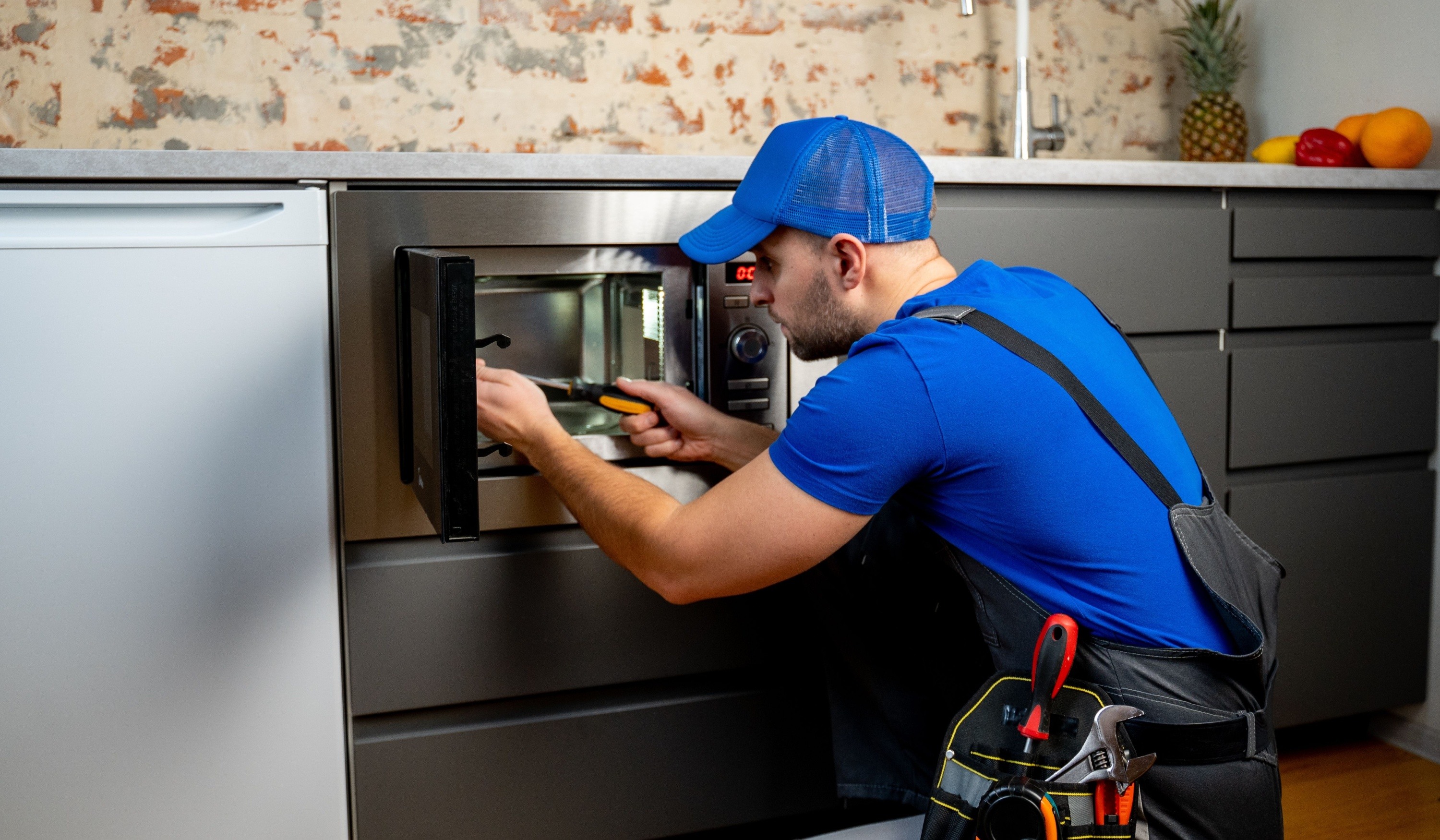
Credit: blog.puls.com
Frequently Asked Questions
Can All Microwave Oven Issues Be Repaired?
Most microwave problems can be repaired, but some parts may be costly or unavailable. Consult a professional technician for an accurate diagnosis and repair options.
How Much Does Microwave Oven Repair Usually Cost?
Repair costs vary based on the issue and parts needed. Minor repairs may cost $50-$100, while major fixes can be more expensive.
Is It Safe To Repair A Microwave Oven At Home?
Repairing microwaves at home is not recommended due to high-voltage components. Always seek professional service to avoid electrical hazards and injuries.
When Should You Replace A Microwave Instead Of Repairing?
Replace your microwave if repair costs exceed 50% of a new unit’s price or if it has frequent breakdowns and safety concerns.
Conclusion
Microwave ovens can often be fixed, saving money and waste. Small problems like broken doors or fuses are common repair cases. Some parts are easy to replace at home with care. Yet, serious issues need expert help for safety. Deciding to repair depends on the damage and cost.
Knowing this helps you choose the best option. Repairing keeps your microwave working longer and helps the environment. Think about repair before buying a new one. It’s a simple step with clear benefits.