You open your freezer and notice something unsettling—mold growing on your food. It’s frustrating, right?
You’ve heard that freezing might kill mold, but you’re not quite sure if that’s true. Imagine if you could confidently stop mold in its tracks just by using your freezer. It sounds convenient, but does it really work? In this blog post, we’ll unravel the mystery of whether freezing can actually eliminate mold.
You’ll discover the truth about this common household dilemma, so you can keep your food safe and your home mold-free. Stick around to learn the surprising facts that might change the way you handle mold forever.
How Mold Grows
Mold is a type of fungus that grows in many places, especially indoors. It spreads by releasing tiny spores into the air. These spores find surfaces to settle on and start growing. Mold needs certain conditions to grow quickly and spread. Understanding how mold grows helps prevent it and keeps homes safe.
Conditions Favoring Mold
Mold thrives in damp, warm, and dark places. It needs moisture to grow. Common spots include bathrooms, basements, and kitchens. Poor ventilation increases moisture levels and helps mold spread. Mold can grow on wood, fabric, paper, and walls. Even tiny water leaks or high humidity create perfect mold environments.
- Temperature between 60°F and 80°F favors mold growth
- High humidity above 60% supports mold development
- Stagnant air or poor airflow encourages mold spores to settle
- Organic materials like wood and drywall provide food for mold
Common Mold Types
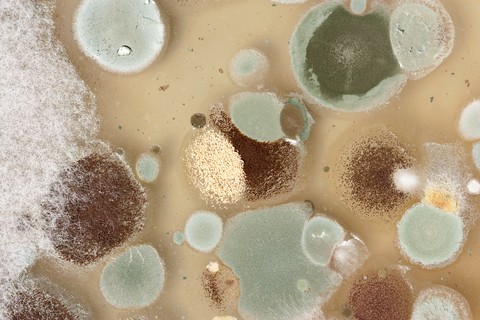
Several mold types appear in homes and buildings. Each has distinct colors and health risks. Some molds cause allergies and respiratory problems. Knowing common molds helps in identifying and treating mold issues.
| Mold Type | Color | Common Locations | Health Effects |
|---|---|---|---|
| Cladosporium | Green or black | Carpets, fabrics, wood | Allergic reactions, asthma |
| Aspergillus | Green, yellow, or black | Dust, walls, insulation | Respiratory issues, infections |
| Stachybotrys (Black Mold) | Black or dark green | Wet walls, ceilings, paper | Severe respiratory problems |
| Penicillium | Blue or green | Water-damaged materials | Allergies, asthma |
Effects Of Freezing On Mold
Freezing is often seen as a straightforward way to preserve food or other items, but its effect on mold is less clear. Understanding how mold reacts to freezing temperatures helps you decide if freezing is a viable option for mold control. Let’s take a closer look at what happens to mold when it faces the cold.
Freezing Temperatures And Mold Survival
Mold can survive at freezing temperatures, but its growth is temporarily halted. When mold is exposed to cold, it doesn’t die immediately—it simply becomes inactive. This dormancy allows mold spores to remain alive, waiting for warmer conditions to return.
Freezing temperatures typically range from 0°C (32°F) and below, which stops mold from spreading but doesn’t kill it. In fact, many mold species have adapted to survive harsh environments, including freezing weather. So, freezing your moldy items might pause mold activity but won’t eliminate the problem completely.
Dormancy Vs. Death
It’s important to differentiate between mold dormancy and mold death. Dormant mold is like a seed waiting for spring; it’s not active but can reactivate under the right conditions. Freezing triggers this dormancy but doesn’t destroy mold cells.
True mold death requires conditions that damage the mold’s cellular structure, like high heat or strong chemicals. So, while freezing can buy you time and slow mold growth, it’s not a permanent solution. Have you noticed mold coming back after freezing something? That’s because the spores were only sleeping, not dead.
Scientific Studies On Mold And Freezing
Scientific studies explore whether freezing can kill mold effectively. Researchers use various methods to test mold’s survival under freezing conditions. These studies help understand mold’s resistance and guide mold removal techniques.
Lab Experiments
Scientists conduct lab experiments to observe mold behavior at low temperatures. Samples of mold spores are frozen at different temperatures and durations. Results show many molds survive freezing but enter a dormant state.
Freezing often stops mold growth temporarily but does not kill all spores. Some spores reactivate when temperatures rise. Lab tests reveal that freezing alone is not a reliable mold-killing method.
Field Observations
Field observations study mold in natural or built environments during cold seasons. Researchers monitor mold growth on materials exposed to freezing temperatures. Mold often remains alive despite harsh winter conditions.
These observations confirm that freezing slows mold activity but rarely eradicates it. Mold can return once conditions improve. Freezing works as a temporary control but not a permanent solution.

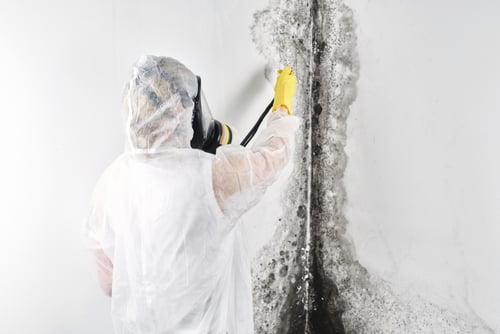
Credit: www.puroclean.com
Freezing Vs. Other Mold Removal Methods
Freezing is often seen as a way to stop mold growth by making it inactive. But it does not kill mold spores completely. Other mold removal methods target mold in different ways. Understanding how freezing compares helps choose the best approach for mold problems.
Heat Treatments
Heat kills mold by drying it out and destroying spores. Temperatures above 140°F can eliminate mold quickly. Heat treatments work well on hard, dry surfaces. They also prevent mold from coming back if moisture is controlled. Unlike freezing, heat kills mold instead of just stopping growth.
Chemical Cleaners
Chemicals like bleach, ammonia, and mold removers kill mold spores on contact. They break down mold structures and remove stains. Chemical cleaners work fast and reach into porous materials. Some are toxic and require careful handling. Freezing has no chemicals and is safer but less effective in killing mold.
Physical Removal
Physical removal involves scrubbing or scraping mold off surfaces. This method removes visible mold and reduces spores in the area. It works best with non-porous surfaces like tiles and glass. Physical removal alone may not reach hidden mold. Freezing does not remove mold physically but slows its growth temporarily.
Practical Tips For Mold Prevention
Preventing mold is often easier than trying to eliminate it after it appears. You can take simple, effective steps to keep your space mold-free by focusing on the environment where mold thrives. These practical tips help you control the conditions mold needs to grow, protecting your home and health.
Moisture Control
Mold needs moisture to grow, so controlling humidity is key. Use a dehumidifier in damp areas like basements or bathrooms. Check for leaks in pipes, roofs, or walls and fix them promptly to stop water buildup.
Think about your daily habits—do you leave wet clothes inside or let water sit in sinks? Dry wet items quickly and never ignore standing water. Small changes like these can make a big difference in mold prevention.
Proper Ventilation
Airflow helps reduce moisture buildup and prevents mold growth. Open windows when weather allows and use exhaust fans in kitchens and bathrooms. Consider adding vents or fans in areas that feel stuffy or damp.
Have you noticed how mold often appears in corners with little air movement? Improving ventilation there can stop it from taking hold. It’s a simple fix that many overlook, but it works wonders.
Regular Cleaning
Cleaning removes mold spores before they settle and grow. Focus on areas prone to dampness like shower curtains, window sills, and under sinks. Use mold-killing cleaners or a vinegar-water solution to wipe these spots weekly.
Don’t forget hidden places such as behind furniture or inside closets. Dust and vacuum regularly to keep spores at bay. Staying consistent with cleaning routines keeps mold from becoming a problem.

Credit: purehomeus.com
Credit: aceenvironmental.ca
Frequently Asked Questions
Can Freezing Completely Kill Mold Spores?
Freezing can inhibit mold growth but does not completely kill spores. Mold spores survive freezing temperatures and may reactivate when warmed.
Does Freezing Remove Mold From Household Items?
Freezing can slow mold spread on items but won’t remove it. Proper cleaning and drying are essential to eliminate mold effectively.
How Long Should Mold Be Frozen To Stop Growth?
Freezing for several days can stop mold growth temporarily. However, freezing alone won’t eradicate mold; cleaning is necessary to prevent recurrence.
Is Freezing A Safe Method To Treat Mold Contamination?
Freezing is safe but not fully effective for mold removal. It helps control mold spread but must be combined with thorough cleaning and drying.
Conclusion
Freezing can stop mold from growing but does not kill it completely. Mold spores may survive cold temperatures and return when warmed. Proper cleaning and drying are still needed to remove mold safely. Avoid relying on freezing alone to handle mold problems.
Use proven methods to protect your health and home. Understanding how mold reacts helps you make better choices. Stay informed and act quickly to keep your space mold-free.