
Have you ever wondered if skipping your car’s oil change could lead to overheating? It might seem like a simple maintenance task, but missing it can cause serious problems for your engine.
Your car relies on clean oil to keep everything running smoothly and cool. When you don’t change the oil on time, things can quickly heat up—literally. Keep reading to find out why regular oil changes are crucial and how ignoring them might cost you more than just a little extra time at the mechanic.
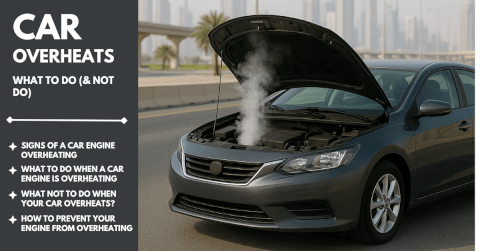
Credit: www.tyreplus-me.com
How Oil Affects Engine Temperature
Engine oil does more than just lubricate moving parts. It plays a key role in managing engine temperature. Without proper oil, an engine can overheat quickly. Understanding how oil affects engine temperature helps explain why skipping oil changes is risky.
Role Of Oil In Engine Cooling
Oil absorbs heat from engine parts as it flows. It carries heat away from areas with high friction. This reduces the overall temperature inside the engine. Oil also forms a thin layer between moving parts. This layer stops metal from rubbing directly, which produces heat. Without enough oil, friction rises, causing engine temperature to spike.
Impact Of Oil Quality On Heat Regulation
Old or dirty oil loses its ability to cool effectively. Contaminants in the oil reduce its flow and heat transfer. Degraded oil becomes thick and sticky, trapping heat instead of moving it. High-quality oil maintains its viscosity and cooling properties longer. Using the right oil grade helps keep the engine at a stable temperature. Poor oil quality leads to overheating and engine damage over time.
Consequences Of Skipping Oil Changes
Skipping oil changes can cause serious damage to your engine. Old oil loses its ability to protect and cool the engine parts. This can lead to overheating and costly repairs. Understanding the consequences helps you see why regular oil changes matter.
Oil Degradation And Engine Wear
Engine oil breaks down over time. It loses its thickness and cleaning power. Dirty oil cannot remove dirt and debris effectively. These particles cause scratches and wear on engine parts. Worn engine parts reduce performance and cause overheating.
Increased Friction And Heat Build-up
Fresh oil creates a smooth layer between moving parts. Skipping oil changes makes this layer thin or disappear. Metal parts rub directly against each other. This friction generates extra heat inside the engine. Too much heat leads to overheating and engine failure.
Signs Of Overheating Due To Poor Oil Maintenance
Recognizing the signs of overheating caused by poor oil maintenance can save your engine from serious damage. Oil keeps your engine parts lubricated and helps regulate temperature. Without regular oil changes, your engine can overheat, which often shows up through specific warning signs.
Temperature Gauge Fluctuations
Your dashboard’s temperature gauge is one of the first places you might notice trouble. If the needle suddenly jumps or fluctuates wildly, it could mean your engine oil isn’t doing its job properly. Poor oil quality or low oil levels reduce heat absorption, causing the engine to heat up unevenly.
Have you ever seen your temperature gauge spike after a long drive? That’s a red flag signaling the oil isn’t cooling the engine effectively. Don’t ignore these fluctuations—they often precede more serious overheating issues.
Unusual Engine Noises And Smells
Listen carefully to your engine. Overheated engines often produce strange knocking or ticking sounds due to insufficient lubrication. The oil’s job is to reduce friction; when it’s old or dirty, metal parts rub together, creating noise and heat.
Additionally, a burning smell coming from under the hood can be a clear sign of overheating. If your oil is breaking down, it may start to emit this odor, warning you that the engine is under stress. Have you noticed any odd sounds or smells during your last drive? These could be your engine’s way of asking for an oil change.

Credit: www.sunautoservice.com
Preventing Overheating Through Proper Oil Care
Proper oil care plays a key role in preventing your engine from overheating. Oil lubricates engine parts and helps carry heat away. Dirty or old oil loses its ability to cool and protect the engine. This can cause the engine to run hotter and risk damage. Regular oil changes keep the oil clean and effective. Choosing the right oil ensures your engine runs smoothly and stays cool.
Recommended Oil Change Intervals
Follow the oil change intervals suggested in your vehicle’s owner manual. These intervals vary by car model and oil type. Most cars need an oil change every 3,000 to 7,500 miles. Driving habits and conditions can affect how often oil should change. For example, stop-and-go traffic or extreme temperatures may require more frequent changes. Sticking to the schedule helps maintain engine temperature and performance.
Choosing The Right Oil For Your Vehicle
Select oil that matches your vehicle’s specifications. Check the owner manual for recommended oil viscosity and type. Using the wrong oil can reduce lubrication and increase engine heat. Synthetic oils often offer better protection and temperature stability than conventional oils. Also, choose oils with good detergents to keep engine parts clean. Proper oil helps keep your engine cool and running longer.
When Overheating Persists Despite Oil Changes
Even if you keep up with regular oil changes, your engine might still overheat. This can be frustrating and confusing, especially when you’ve followed the maintenance schedule closely. Understanding why overheating persists despite fresh oil can help you avoid serious engine damage.
Other Causes Of Engine Overheating
Oil is essential for lubrication and heat dissipation, but it’s not the only factor in engine temperature control. If your car keeps overheating, check for these common issues:
- Coolant Levels:Low or leaking coolant reduces the system’s ability to cool the engine.
- Thermostat Problems:A stuck thermostat can prevent coolant from flowing properly.
- Radiator Issues:Clogged or damaged radiators limit heat exchange.
- Water Pump Failure:Without a functioning pump, coolant circulation stops.
- Fan Malfunctions:Electric or mechanical fans not working reduce airflow needed to cool the radiator.
Have you checked these components recently? Overlooking them can lead to persistent overheating even if your oil is fresh.
When To Consult A Mechanic
If you’ve replaced the oil and still see your temperature gauge rising, don’t wait for the problem to get worse. Persistent overheating could signal serious engine trouble that needs professional attention.
Look out for warning signs like:
- Steam or smoke coming from under the hood
- Unusual noises or knocking sounds
- Dashboard warning lights flashing
- Sudden loss of power or poor acceleration
Ignoring these signs could cost you more in repairs down the line. A skilled mechanic can diagnose hidden issues quickly and recommend the right fix. Your engine’s health is worth the timely check-up.

Credit: oilchangers.com
Frequently Asked Questions
Can Skipping Oil Changes Cause Engine Overheating?
Yes, skipping oil changes reduces lubrication and increases engine friction. This causes excessive heat, leading to engine overheating and potential damage.
How Does Old Oil Affect Engine Temperature?
Old oil thickens and loses its cooling ability. This reduces heat dissipation, causing the engine to run hotter and risk overheating.
How Often Should I Change Oil To Prevent Overheating?
Change your oil every 3,000 to 5,000 miles or as recommended. Regular changes keep the engine cool and running efficiently.
Can Low Oil Levels Cause My Car To Overheat?
Yes, low oil levels mean less lubrication and cooling. This increases engine friction and heat, which can result in overheating.
Conclusion
Skipping oil changes can lead to serious engine problems. Old oil loses its ability to cool and protect engine parts. This can cause the engine to run hotter than normal. Overheating can damage your vehicle and lead to costly repairs.
Regular oil changes keep the engine clean and working well. They help maintain the right temperature and prevent overheating. Simple care like this saves money and keeps your car reliable. Don’t wait for trouble—stay on top of oil changes for a healthy engine.