Imagine waking up on a chilly winter morning only to find that your plumbing system has turned into a disaster zone. As temperatures drop, you might wonder if your PEX pipes are at risk of freezing and bursting.
You’re not alone in this concern. The thought of dealing with water damage and costly repairs is enough to send shivers down anyone’s spine. But don’t worry—this article is here to guide you through everything you need to know about PEX pipes and their ability to withstand freezing temperatures.
By the end, you’ll feel confident in protecting your home from unexpected plumbing issues. Ready to ensure peace of mind during those cold months? Let’s dive in!
Pex Pipe Basics
Pex pipe is a popular choice in plumbing due to its flexibility and durability. It stands for cross-linked polyethylene. This type of piping adapts well to various plumbing needs. Understanding its basics helps in knowing its strengths and limits. This knowledge is useful when considering if Pex pipe can freeze and burst.
Material Features
- Made from cross-linked polyethylene, which is flexible.
- Resists corrosion and mineral build-up inside the pipe.
- Handles a wide range of temperatures, from hot to cold water.
- Less likely to crack compared to metal pipes.
- Lightweight and easy to install in tight spaces.
- Can expand slightly if water freezes, reducing burst risk.
Common Uses
- Hot and cold water plumbing in homes and buildings.
- Radiant heating systems for floors and walls.
- Replacing old copper or PVC pipes during renovations.
- Outdoor water lines due to resistance to freezing.
- Snow melting systems in driveways and walkways.
- Hydronic heating systems that circulate warm water.

Credit: garynsmith.net
Freezing Risks For Pex Pipes
Pex pipes offer flexibility and resistance compared to traditional pipes. Despite their durability, they still face risks from freezing temperatures. Water inside can freeze, expand, and create pressure. This pressure might cause the pipe to burst. Understanding these risks helps protect plumbing systems during cold weather.
Temperature Thresholds
Pex pipes can tolerate cold better than metal pipes. Still, water inside can freeze at 32°F (0°C). Prolonged exposure below this temperature raises risks. Pipes in unheated spaces are most vulnerable. Freezing can happen faster if temperatures drop to 20°F (-6°C) or lower. Monitoring temperature helps prevent damage.
Factors Leading To Freezing
- Poor insulation around pipes allows cold air contact.
- Unheated areas like basements and attics expose pipes to cold.
- Slow water flow or standing water freezes more easily.
- Outdoor pipes or those near exterior walls face higher risk.
- Sudden cold snaps without preparation increase freezing chances.
Bursting Potential Of Pex Pipes
Pex pipes are known for their flexibility and resistance to cracking, but can they really escape the risk of bursting when frozen? Understanding the bursting potential of Pex pipes helps you take better care of your plumbing during harsh winters. While Pex pipes handle cold better than traditional materials, they are not completely immune to damage.
How Freezing Causes Damage
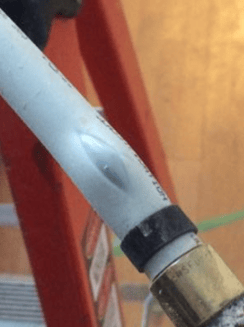
Water expands as it freezes, increasing pressure inside the pipe. This pressure can stretch the Pex pipe beyond its limits, causing it to weaken or burst. Even though Pex is flexible, extreme or prolonged freezing can push it to the breaking point.
Damage often starts small, with cracks or pinholes that you might not notice right away. Over time, these can grow, leading to leaks or full bursts. Have you checked your pipes for hidden signs after a cold snap?
Signs Of Pipe Stress
Spotting early signs of stress can save you from costly repairs. Look for:
- Unusual bulges or swelling along the pipe
- Discoloration or frost buildup on the surface
- Slow leaks or damp spots around joints and fittings
Sometimes, a faint creaking noise inside the walls signals that pipes are struggling. Noticing these signs early means you can act before a burst happens. When was the last time you inspected your pipes during winter?

Credit: www.reddit.com
Preventing Freezing In Pex Pipes
Preventing freezing in Pex pipes is essential to avoid costly repairs. Pex pipes have flexibility that helps resist bursting, but freezing can still cause damage. Taking simple steps can keep your pipes safe and functional during cold weather. These strategies reduce the risk of frozen water inside the pipes.
Insulation Techniques
Insulating Pex pipes slows down heat loss. Use foam pipe sleeves or fiberglass wrap around the pipes. Focus on areas exposed to cold air, such as basements and crawl spaces. Seal any gaps where cold air can reach the pipes. Insulation keeps water temperature above freezing longer.
Proper Installation Tips
Place Pex pipes away from outside walls. Install them inside heated areas or use heat tape in cold spots. Avoid tight bends that reduce water flow, increasing freeze risk. Secure pipes to prevent movement and stress. Proper installation creates a safer environment for the pipes.
Using Heat Sources
Heat sources help maintain warmth around Pex pipes. Use space heaters in unheated rooms during winter. Apply electric heat cables or heat tape specifically designed for pipes. Make sure these devices have thermostats to prevent overheating. Heat keeps water flowing and reduces freezing chances.
Emergency Measures For Frozen Pipes
Frozen pipes can turn your home into a chilly mess fast. Knowing what to do immediately can prevent a small problem from becoming a costly disaster. Emergency measures focus on thawing pipes safely and recognizing when you need expert help to avoid pipe bursts and water damage.
Safe Thawing Methods
You want to warm frozen pipes slowly and carefully to avoid damage. Start by opening the faucet connected to the frozen pipe. This lets water flow as it thaws, reducing pressure buildup inside.
Use a hairdryer or a portable space heater to gently warm the pipe. Keep the heat source moving and never leave it unattended. Avoid open flames or high heat devices, which can cause pipes to crack or start fires.
If the frozen section is accessible, wrap it with towels soaked in hot water. Replace the towels frequently to keep the heat consistent. This method works well when you can’t use electrical devices safely.
Have you checked your home for hidden spots where pipes might freeze? Basements, crawl spaces, and exterior walls are common trouble areas. Insulating these can prevent emergencies before they start.
When To Call A Professional
Sometimes, DIY thawing isn’t enough or can be unsafe. If you smell gas near a frozen pipe or suspect a leak, turn off your main water valve immediately and call a plumber. Gas leaks require urgent attention beyond just pipe thawing.
If pipes remain frozen after attempting safe thawing methods, it’s time to get expert help. Professionals have specialized tools like pipe thawing machines and infrared cameras to identify and fix issues quickly.
Don’t wait until water bursts out and floods your home. Early intervention can save you from expensive repairs and stress. If you’re unsure about the severity or safety, it’s better to call a pro right away.
Maintenance Practices For Longevity
Proper maintenance extends the life of PEX pipes and keeps them safe from freezing and bursting. Simple steps can help avoid costly repairs and water damage. Regular care ensures your plumbing system works well year-round.
Regular Inspections
Check PEX pipes often for signs of wear or damage. Look for cracks, bulges, or discoloration. Inspect connections and fittings for leaks. Early detection stops small problems from growing. Use a flashlight to see hidden areas clearly. Keep records of inspections to track pipe health over time.
Seasonal Preparations
Prepare your pipes before cold weather arrives. Insulate exposed pipes with foam sleeves or heat tape. Close crawl space vents to keep warm air inside. Drain outdoor hoses and shut off exterior water valves. Let faucets drip slightly during freezing nights. These steps reduce the risk of freezing and bursting.

Credit: www.reddit.com
Frequently Asked Questions
Can Pex Pipes Freeze In Cold Weather?
Yes, PEX pipes can freeze if exposed to extremely low temperatures. However, they are more flexible than metal pipes, making them less prone to bursting when frozen.
Do Pex Pipes Burst After Freezing?
PEX pipes are less likely to burst after freezing due to their flexibility. Still, prolonged freezing can cause damage or leaks, so precautions are necessary.
How To Prevent Pex Pipes From Freezing?
Insulate PEX pipes, especially in unheated areas. Use heat tape or keep water flowing slowly during cold snaps to prevent freezing.
Is Pex Better Than Copper For Freezing Resistance?
PEX is generally better than copper because it expands under freezing conditions, reducing burst risk. Copper pipes are more rigid and prone to cracking.
Conclusion
Pex pipe can freeze in very cold weather. It is less likely to burst than metal pipes. Still, frozen water can cause damage. Taking steps to insulate pipes helps prevent freezing. Keep heat on in cold areas of your home.
Check pipes regularly during winter months. Quick action can stop small problems from growing. Protect your plumbing to avoid costly repairs later. Stay aware and keep your pipes safe all season.