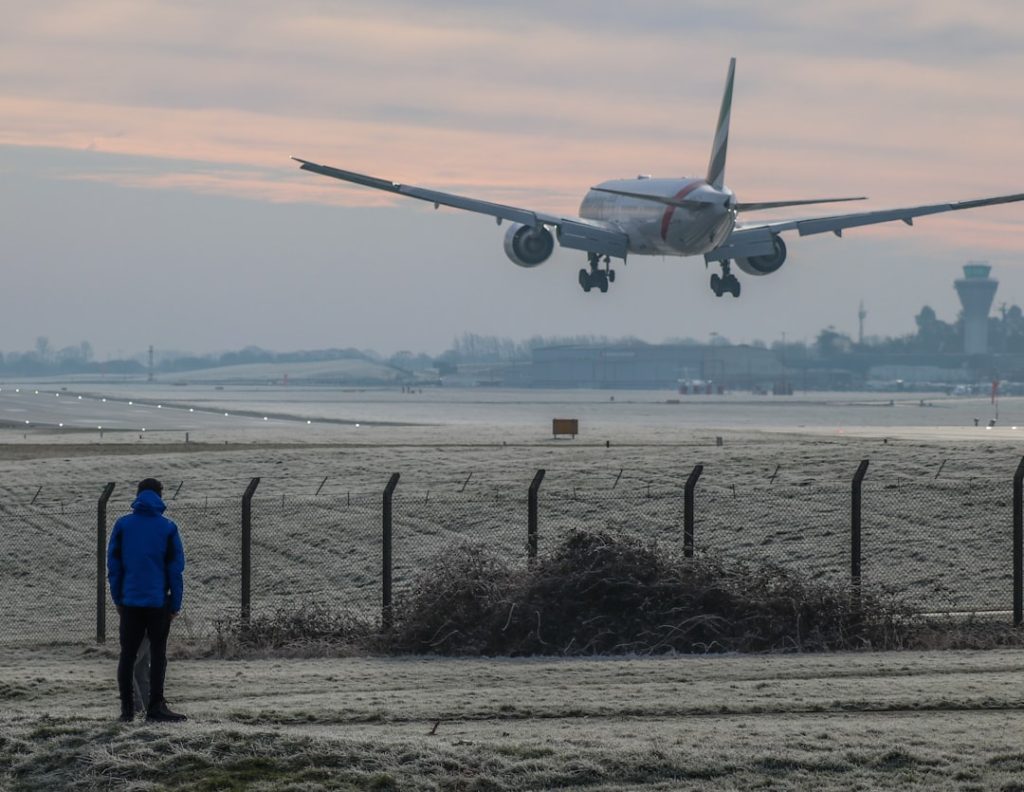
Have you ever watched snowflakes dance in the winter sky and wondered if planes can safely navigate through such chilly conditions? The thought of flying in freezing weather might spark a flurry of questions in your mind.
After all, when temperatures plunge, your concerns about air travel might rise. You’re not alone in this curiosity. Understanding how planes handle icy skies can ease your worries and make you feel more confident the next time you buckle up for a winter flight.
We’ll unravel the mysteries of how aircraft defy the cold, ensuring your journey is as smooth as a fresh layer of snow. Stick around; you might be surprised at what you discover!
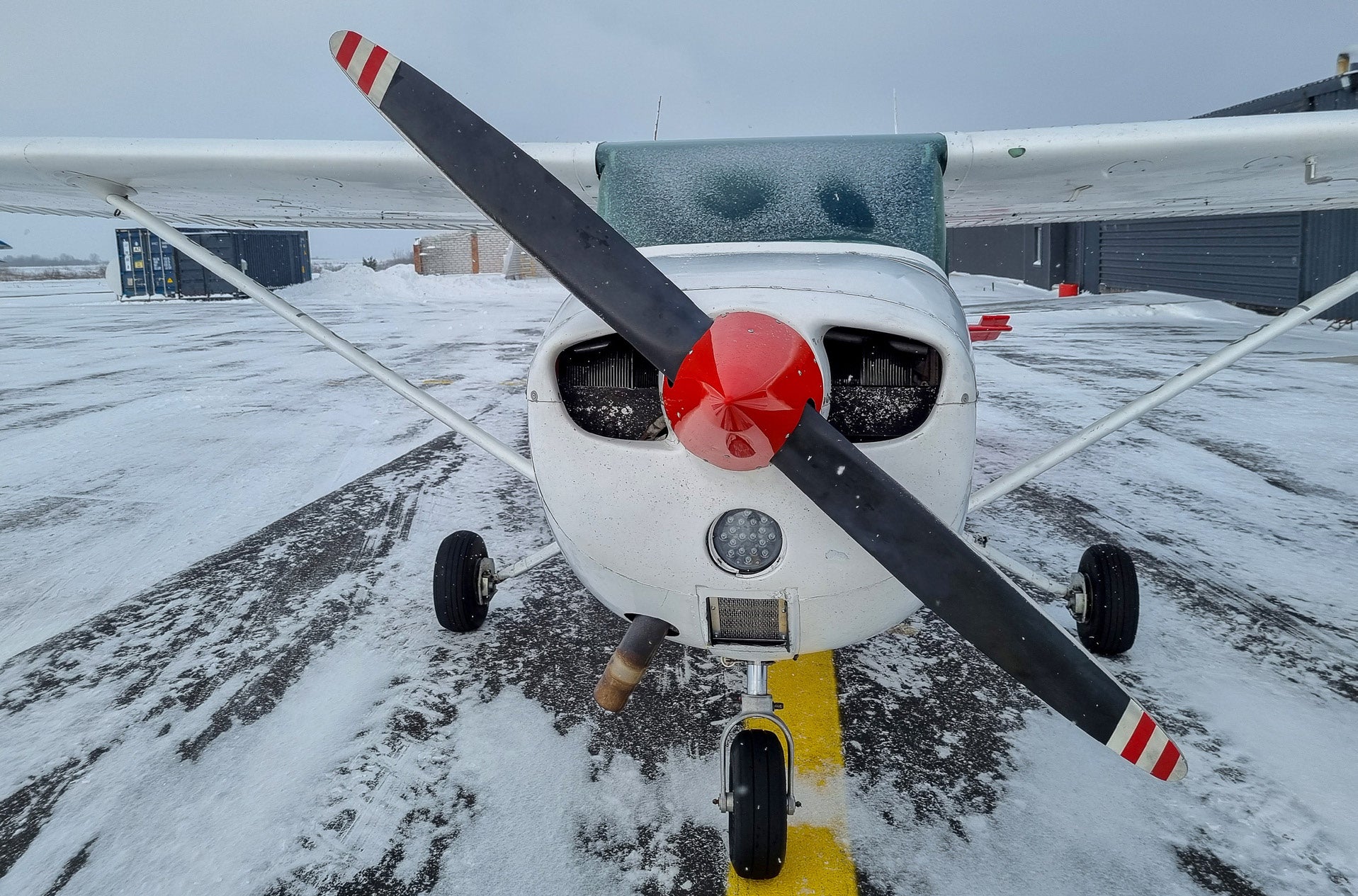
Credit: www.flyingmag.com
How Cold Affects Aircraft
Cold weather changes how aircraft work in many ways. Temperatures below freezing affect parts of the plane and its systems. Pilots and engineers must understand these effects to keep flights safe and smooth.
Impact On Engines And Systems
Engines face tough conditions in freezing weather. Fuel can thicken, making it harder to flow. Ice can build up on engine parts, reducing power. Systems like hydraulics and electronics may slow down or fail. Aircraft use heaters and anti-icing systems to protect these parts. Without proper care, cold can cause engine stalls or damage.
Challenges For Flight Control
Cold affects how pilots control the plane. Ice can form on wings and control surfaces, changing their shape. This makes the plane harder to steer or lift. Flight controls may become stiff or less responsive. Pilots rely on de-icing tools to clear ice quickly. Cold also reduces battery life, affecting instruments and communication.

Credit: www.redhorseaviation.com
Deicing Procedures
Deicing procedures play a crucial role in ensuring that planes fly safely in freezing weather. Ice buildup on wings and control surfaces can severely impact an aircraft’s performance. That’s why airports and pilots take deicing very seriously before and during flights.
Pre-flight Deicing Methods
Before takeoff, planes undergo thorough deicing to remove any ice or frost. Ground crews use heated fluids like glycol mixtures sprayed over wings and tail surfaces. This liquid melts existing ice and prevents new ice from forming right before departure.
You might wonder how airports manage this efficiently, especially during busy winter mornings. They use specialized vehicles equipped with spray nozzles and heaters that quickly cover the aircraft. Timing is critical because the protective fluid only works for a limited time, known as the holdover time.
Besides spraying fluids, mechanical means such as brushing or scraping are sometimes used for thick ice layers. However, these methods require caution to avoid damaging delicate sensors or surfaces.
In-flight Ice Prevention
Even after takeoff, planes continue to face freezing conditions at high altitudes. To prevent ice buildup in the air, aircraft have built-in systems designed to keep critical parts ice-free. These systems include heated leading edges on wings and engine inlets.
Some planes use hot air taken from the engines, which circulates through specific channels to melt ice as it forms. Others rely on electrical heating elements or inflatable boots on wing edges that expand to break ice off.
Have you ever wondered how pilots monitor these systems mid-flight? They keep a close eye on cockpit instruments that detect ice accumulation and activate anti-icing systems when necessary. This active management helps maintain control and safety throughout the flight.
Aircraft Design For Cold Weather
Aircraft face extreme challenges in freezing weather, but their design helps them operate safely and efficiently. Every part of an airplane, from the materials used to the systems installed, plays a role in handling cold conditions. Understanding these design elements can give you a clearer picture of why planes can fly safely through icy skies.
Materials And Insulation
Aircraft are built with materials that withstand cold temperatures without becoming brittle. Aluminum alloys and composite materials maintain strength even in freezing weather, ensuring structural integrity.
Insulation is another critical feature. It helps protect the internal systems and passengers from harsh cold outside. You might not see it, but insulation layers inside the fuselage and wings keep essential components at stable temperatures.
Have you ever wondered why airplane windows don’t frost over like car windows? The multi-layered glass and special coatings help prevent frost buildup. This design keeps visibility clear for pilots and passengers alike.
Anti-icing Technologies
Ice buildup on wings or control surfaces can be dangerous. That’s why planes are equipped with anti-icing systems that activate before ice becomes a problem.
These systems include:
- Heated leading edges:Some planes use hot air from engines to warm wing edges and stop ice from forming.
- Electrically heated surfaces:Wires embedded in critical areas generate heat to melt ice as it forms.
- Anti-icing fluids:Pilots can spray special liquids that prevent ice from sticking during flight.
Imagine flying through a freezing cloud without these technologies—you’d see ice quickly accumulating, which could affect control. Thanks to these systems, your flight stays safe even when temperatures drop well below freezing.
Pilot Training And Protocols
Pilot training and strict protocols play a vital role in flying safely in freezing weather. Pilots learn how ice and cold affect the aircraft. They practice handling these conditions in simulators before real flights. This training helps pilots stay calm and make smart decisions.
Protocols ensure pilots follow clear steps to avoid dangers like ice build-up. Airlines and aviation authorities set detailed rules for freezing weather flights. Pilots must check weather reports and aircraft systems carefully before takeoff. These measures reduce risks and keep passengers safe.
Handling Freezing Conditions
Pilots watch for ice on wings and engines. Ice can change how the plane moves. They use anti-icing and de-icing systems to stop ice forming. Pilots adjust speed and altitude to avoid heavy ice. They communicate with air traffic control for updates. Constant monitoring keeps flights smooth and safe.
Emergency Procedures
Training includes what to do if ice affects the plane. Pilots practice emergency landings and system failures caused by freezing. They follow checklists to fix problems fast. Communication with the crew and control towers is key. Prepared pilots respond quickly to protect everyone onboard.
Safety Records In Freezing Weather
Flying in freezing weather raises many safety questions. Airlines and pilots follow strict rules to ensure safe flights in cold conditions. Safety records show how well planes handle icy skies. These records help us understand the risks and how they are managed. Examining safety data and myths clears up doubts about flying in freezing weather.
Statistical Data
Statistics reveal that flying in freezing weather is generally safe. Most commercial flights operate without incidents even in winter storms. Airlines use special equipment like de-icing systems and heated wings. These tools reduce ice buildup on planes. Aviation authorities track weather conditions closely to avoid danger.
| Year | Incidents Related to Ice | Total Flights | Incident Rate (%) |
|---|---|---|---|
| 2021 | 12 | 10,000,000 | 0.00012 |
| 2022 | 9 | 10,500,000 | 0.000086 |
Incident rates are extremely low compared to total flights. This proves strong safety measures work well in freezing weather.
Common Misconceptions
- Planes cannot fly safely in icy conditions.
Fact: Planes have advanced systems to handle ice. - Ice always causes crashes.
Fact: Crashes due to ice are very rare and often avoidable. - Pilots avoid flying in cold weather.
Fact: Pilots are trained to manage freezing weather safely. - De-icing delays flights for hours.
Fact: De-icing usually takes a short time and improves safety.
Understanding facts helps reduce fear about flying in freezing weather. Airlines prioritize safety with strict checks and technology.

Credit: www.youtube.com
Passenger Tips For Cold Weather Flights
Flying in cold weather can feel different from usual trips. Passengers may notice delays or extra safety checks. Planes handle freezing weather well, but you should be ready too. Knowing what to expect and how to prepare helps make your flight smooth and stress-free.
What To Expect
Cold weather flights often involve extra waiting time. Snow or ice may cause delays before takeoff. Airports might clear runways and planes carefully. You could see workers removing ice from the wings. Cabin temperature might feel cooler during boarding. Sometimes, flights are rerouted due to storms. Crew members perform safety checks more thoroughly. Announcements may explain any delay or change in plans.
How To Prepare
Dress in layers to stay warm and comfortable. Carry a jacket or sweater in your carry-on bag. Wear slip-on shoes for easy security checks and to keep feet warm. Pack lip balm and moisturizer to prevent dry skin. Bring a refillable water bottle to stay hydrated. Check your flight status before leaving for the airport. Allow extra time for travel to avoid rushing. Keep chargers and entertainment handy to pass the time during delays.
Frequently Asked Questions
Can Planes Safely Fly In Freezing Temperatures?
Yes, planes can safely fly in freezing temperatures. They are designed with de-icing systems to prevent ice buildup on wings and engines. Pilots follow strict protocols to ensure safety during cold weather flights.
How Do Planes Prevent Ice Buildup In Cold Weather?
Planes use de-icing fluids and heating systems on critical surfaces like wings and engines. These systems melt or prevent ice formation, ensuring the plane maintains proper aerodynamics and control during freezing conditions.
Does Freezing Weather Affect Airplane Performance?
Freezing weather can impact airplane performance by increasing drag and weight due to ice. However, modern aircraft are equipped to handle these effects with special equipment and pilot procedures to maintain safe flight.
What Safety Measures Are Taken For Freezing Weather Flights?
Airlines conduct thorough pre-flight de-icing and anti-icing procedures. Pilots monitor weather closely and adjust routes or altitudes to avoid severe icing. Aircraft systems continuously manage ice buildup during flight.
Conclusion
Planes can safely fly in freezing weather due to special designs. Pilots and crews prepare carefully to avoid ice and cold dangers. De-icing systems and weather checks keep flights secure and smooth. Passengers can trust that flying in winter stays safe and reliable.
Cold skies do not stop modern aircraft from reaching destinations. Flying during freezing weather is normal and well-managed every day.